Matox News

Truth Over Trends, always!

No DNA matches on glove in Nancy Guthrie case, police confirm—still no leads

In a case that has captured national attention, authorities have confirmed that more than two weeks after Guthrie was reported missing, no arrests have been made. The ongoing investigation underscores the complexities of modern law enforcement as they tread carefully through a complex web of evidence and technological advances. The sheriff’s department highlighted that additional DNA evidence recovered from the residence is currently undergoing analysis, with authorities actively exploring *investigative genetic genealogy* databases to identify potential suspects or links to other unresolved cases.

This use of advanced genetic genealogy marks a significant turning point in criminal investigations, exemplifying how technological innovations are transforming the pursuit of justice. Such efforts are often hailed by expert analysts as crucial in uncovering truths hidden within the ever-expanding DNA repositories. However, this approach also raises important questions about privacy, civil liberties, and the potential for misuse. International organizations, including the United Nations, have voiced cautious support while urging strict oversight to protect individual rights during such genetic searches.

The geopolitical impact of this case extends beyond local boundaries, illustrating the global debate over genetic data usage in law enforcement. It has prompted calls from various countries and human rights advocates to establish robust legal frameworks governing genetic information. Such movements aim to prevent creeping surveillance states, ensuring that technological progress does not come at the expense of personal freedoms. As criminologists and historians analyze these developments, many warn of the precedent these tools set, as they could redefine privacy norms for generations to come.

As the investigation unfolds, the grave weight of history remains unresolved. The case of Guthrie — still shrouded in mystery — is emblematic of a new era, where the hunt for truth is increasingly intertwined with technological prowess. The decisions made today will likely resonate through the corridors of justice and governance, shaping the balance between security and liberty. With each DNA strand examined, society inches closer to a future where the lines between safety and intrusion blur, leaving the world with a stark reminder: history is always watching, and the choices we make today will echo into tomorrow’s legacy.
Ferry Run-Aground Leads to Arrests Amid Safety Concerns

South Korea Ferry Incident: Spark of Controversy and Potential Geopolitical Ramifications

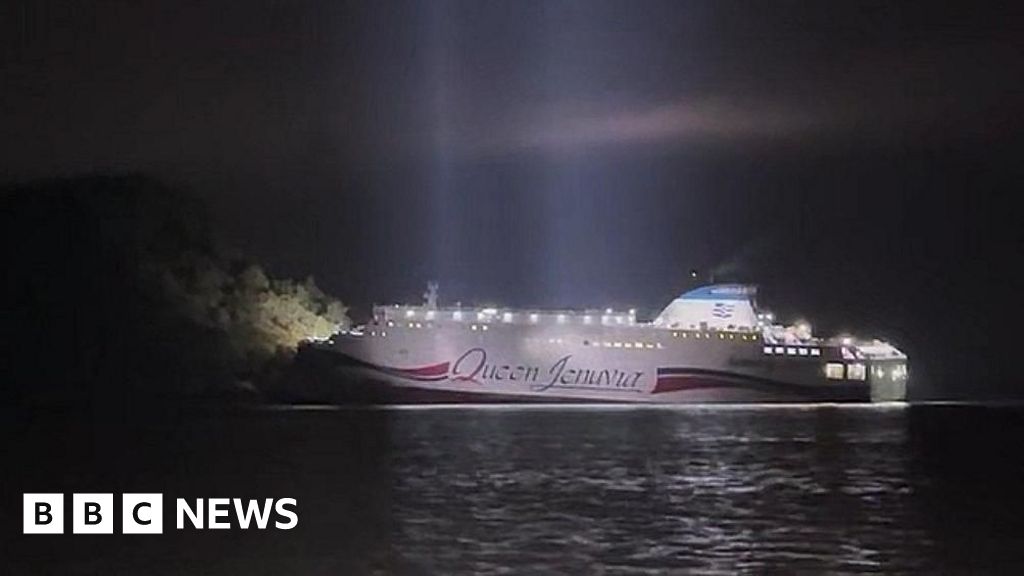
In a dramatic turn of events near the southeastern coast of South Korea, a ferry named Queen Jenuvia 2 ran aground on rocks off the uninhabited island of Jogdo, raising concerns that echo the tragic past of the Sewol disaster. The incident resulted in the rescue of all 267 passengers and crew, but it has ignited criticisms over safety protocols, young leadership accountability, and the broader question of maritime safety in a nation determined to project maritime strength. Authorities swiftly arrested two individuals, including the helmsman and the first mate, citing gross negligence, as the vessel was sailing from the resort island of Jeju to Mokpo. This incident not only underscores internal safety issues but also raises questions about how South Korea’s maritime industry manages its burgeoning economic and strategic ambitions.

The South Korean coast guard reported that the helmsman initially blamed a steering malfunction but subsequently admitted to being distracted by his phone, neglecting critical navigation duties. This revelation emphasizes a troubling trend of human error compounded by complacency amid rising technological reliance. The incident occurred near the site where the Sewol ferry tragically sank in 2014, claiming over 300 lives, primarily students. The memory of that disaster continues to haunt the nation, intensifying the scrutiny on safety protocols and government oversight. Analysts warn that recurring incidents like this could threaten Seoul’s image as a regional leader capable of balancing economic development with strict safety standards, impacting regional diplomacy especially in the context of maritime sovereignty and security.

This event punctuates the dangerous brinkmanship nations partake in over maritime territories and regional safety concerns. Since the Sewol sinking, South Korea has been under pressure to reform its safety regulations, but critics argue that bureaucratic inertia and economic priorities often undermine safety reforms. With growing tensions in the broader Asia-Pacific region—particularly involving China and Japan—such incidents threaten to destabilize soft power and fuel nationalist sentiments. Meanwhile, international organizations such as the International Maritime Organization continue to call for stricter enforcement of safety standards, yet implementation remains inconsistent, especially in countries where economic stakes are high.

Historian and geopolitical analyst Michael Jennings has warned that these maritime accidents are often more than just individual misjudgments—they are symptoms of deeper systemic vulnerabilities. “The recurring failures reveal how nations prioritize rapid growth and regional dominance over safety and personnel training,” Jennings emphasizes. How South Korea manages the fallout from this incident will be a test of whether its leadership can restore confidence and uphold international maritime standards. As the nation grapples with internal issues surrounding accountability and safety, the specter of future tragedies looms, threatening to mar its international reputation and diplomatic stature in a region increasingly shaped by unpredictable conflicts and shifting alliances.

As the global community watches, the unfolding consequences of this seemingly isolated maritime accident carry profound implications. Nations are reminded that the narrow margin between safety and catastrophe in maritime endeavors is a line that, once crossed, leaves a mark on history—an indelible reminder of human fallibility and the relentless quest for progress. The echoes from the Sewol disaster still reverberate in South Korea’s national consciousness, and now, with this recent grounding, history appears poised to write again, leaving the world to ponder whether lessons have truly been learned amid the relentless tide of change.

Hegseth leads bold new Caribbean strike to keep America safe

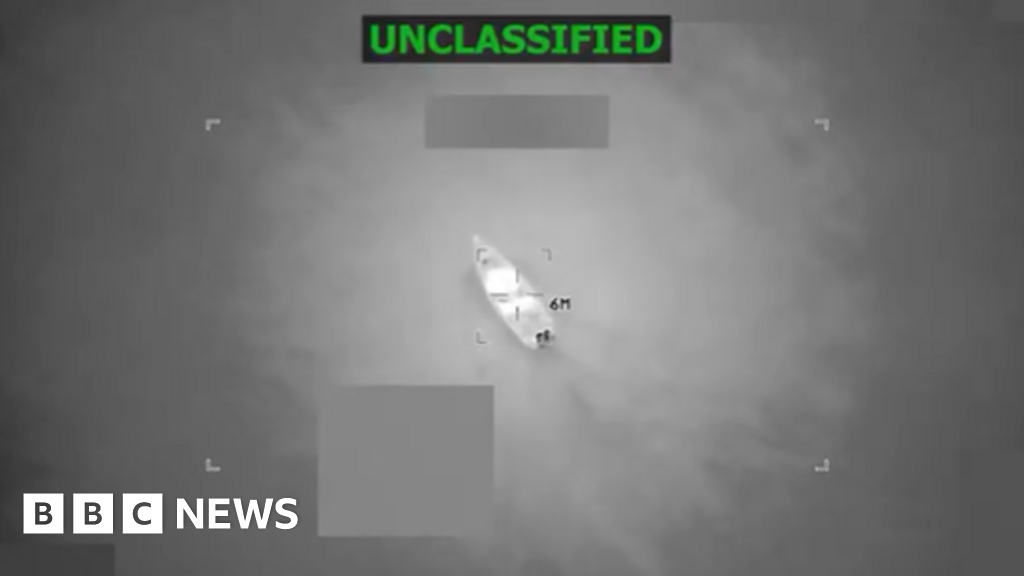
Washington has escalated its maritime campaign against suspected drug traffickers with a series of targeted naval strikes across the Caribbean Sea and Pacific Ocean. Announced by US Defense Secretary Pete Hegseth, these operations are part of what the Biden administration and former President Donald Trump have described as a strategic effort to suppress international drug flows. The latest strike in the Caribbean purportedly destroyed a vessel linked to the Tren de Aragua criminal organization, resulting in the deaths of six individuals, according to US officials. As the tenth such operation since September, this campaign underscores Washington’s intensified pursuit of what it claims are threats to national security and regional stability.

This ongoing campaign raises profound geopolitical concerns, with critics questioning the legality and diplomatic ramifications of such unilateral military actions. Members of the US Congress from both sides of the aisle have voiced apprehension, highlighting the absence of clear congressional approval for these strikes. Most notably, 25 Democratic senators expressed their doubt that the earlier operations posed a direct threat to the United States, calling into question the legitimacy of executive authority in these instances. Meanwhile, Republican Senator Rand Paul has publicly maintained that any use of military force against these vessels requires explicit congressional authorization, emphasizing the constitutional debate surrounding the president’s powers in wartime.

Despite these concerns, President Trump’s administration has firmly defended the legality of the strikes, with Secretary of State Marco Rubio remarking that “if people want to stop seeing drug boats blow up, stop sending drugs to the United States.” Washington’s focus appears to extend beyond mere drug interdiction, as analysts suggest an underlying motive involves applying military pressure on the Venezuelan government led by President Nicolás Maduro, whom former President Trump accused of facilitating drug trafficking—an assertion that Maduro consistently denies. The persistent targeting of vessels connected to the Tren de Aragua organization not only aims to dismantle drug networks but also serves as a strategic move to undermine regional allies and adversaries, thereby asserting US influence in Latin America.

The international community watches with cautious apprehension as these operations unfold, with various non-governmental organizations and regional powers questioning the rule of law and the escalation of military force. Historians like James MacGregor Burns argue that such unilateral interventions risk destabilizing fragile diplomatic relations, while international organizations warn that unchecked military actions could provoke broader regional conflicts. At the same time, the US maintains that these operations are vital tools in combating narcotrafficking and safeguarding national security. Yet, with each strike, questions grow about how decisions made in Washington resonate far beyond the Caribbean or Pacific, shaping the fates of nations and societies caught in the crossfire of this modern-day power struggle.

As the dust settles and history writes its next chapter, the weight of this unfolding drama leaves an indelible mark on the global stage. The world watches as Washington flexes its military muscles in the pursuit of security, but at what cost? These actions, cloaked in the guise of justice, threaten to redefine regional dynamics, fuel diplomatic tensions, and question the very principles of sovereignty and international law. In the shadows of these maritime battles, the true line of conflict extends inward—between authority and legality, between power and legitimacy—leaving a question lingering in the air: Whose security is truly at stake, and at what price will the world continue to chase this perilous pursuit of order?

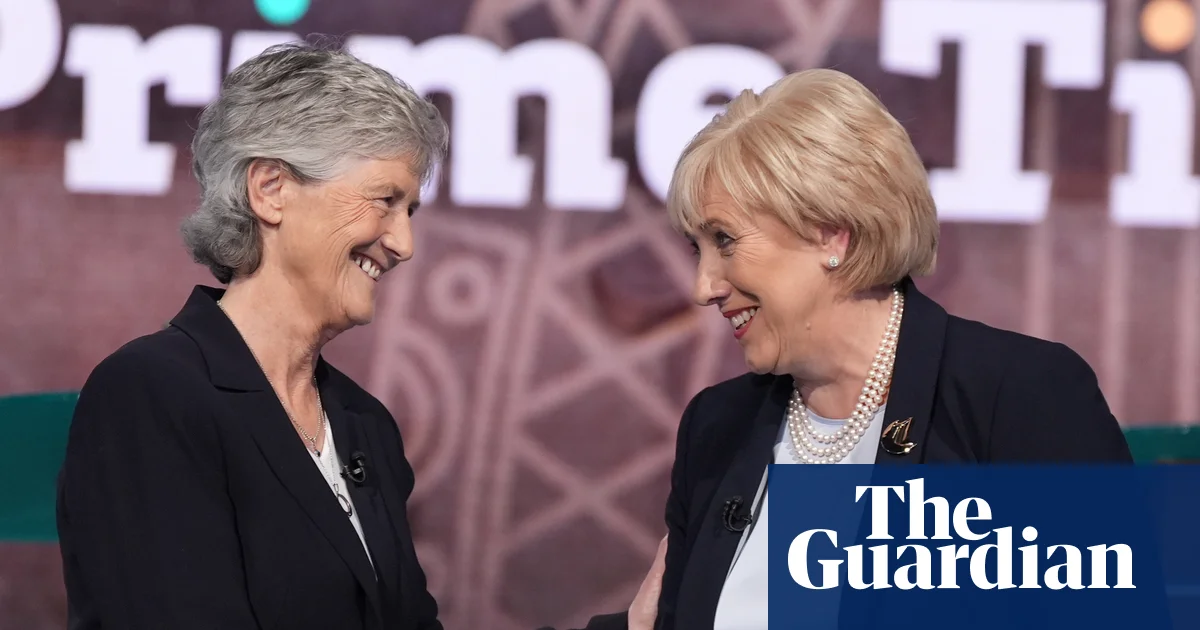
Ireland's youth eye change as Catherine Connolly leads presidential polls into decisive victory
Ireland’s youth eye change as Catherine Connolly leads presidential polls into decisive victory

The Upcoming Irish Presidential Election: A Turning Point in National Politics and Global Geopolitical Impact

In a political landscape often seen as ceremonial, Ireland is witnessing a significant shift with the approaching presidential election that could ripple well beyond its borders. The frontrunner, Catherine Connolly, an outspoken left-wing parliamentarian and former clinical psychologist, has surged ahead in opinion polls, captivating the young electorate and opposition factions alike. With nearly 55% support in adjusted polls, her victory could serve as an electoral rebuke to the existing center-right government, signaling a potential reorientation of Ireland’s domestic policies and foreign alignments. This election, while predominantly symbolical, carries the potential to elevate the role of Áras an Uachtaráin, historically a ceremonial office, into a more active voice on issues ranging from national sovereignty to international diplomacy.

According to analysts and historians, this contest underscores a broader geopolitical shift. Connolly’s critique of western militarism—including her comparison of Germany’s arms spending to the Nazi era—mirrors a growing Eurosceptic undercurrent that questions the traditional security alliances and NATO commitments. Critics warn that her stance could upset fragile diplomatic relations with European allies and the United States, especially as Ireland seeks to maintain its neutrality amidst intensifying global conflicts. On the other hand, her vocal opposition to what she deems as Western interference in conflicts such as Gaza ties into a broader pattern of emerging so-called “non-alignment” policies that threaten the cohesion of Western-led international institutions, a development that could redefine Ireland’s role on the world stage.

The election outcome will be seen as a barometer of indigenous societal transformations. Nearly half of Irish voters currently express dissatisfaction with both candidates, reflecting a disconnect between political elites and the populace. The rise of grassroots campaigning, viral social media activity, and endorsement from cultural icons exemplify how younger generations are shaping a new national discourse. Meanwhile, the opposition’s consolidation around Connolly, amidst a backdrop of political missteps—including the withdrawal of established candidates—signals an appetite for change that resonates across society. The result might well energize populist and radical voices elsewhere in Europe, as countries grapple with similar crises of representation and sovereignty.

Global Repercussions and the Future of National Sovereignty

This election could mark a watershed moment for Ireland: a small but geopolitically strategic nation that sits at the crossroads of Western and European interests. Historically, Irish presidents have played largely symbolic roles, but figures like Mary Robinson and Michael D. Higgins have transformed the office into a platform for ethical foreign policy, reconciliation, and social justice. Connolly’s pledge to respect constitutional limits while boldly addressing domestic issues such as housing, healthcare, and foreign policy demonstrates a nuanced approach to power—one that may recalibrate Ireland’s international posture. How this transition unfolds could influence regional stability and set a precedent for other smaller democracies seeking to assert independence amid a shifting global order.

Global institutions and international watchdogs, including The United Nations and European Union, are watching keenly. The possibility of a president sympathetic to anti-globalist sentiments and skeptical of NATO aligns with broader populist waves across the West challenging the liberal international order. While critics fear potential damage to Ireland’s diplomatic ties, supporters argue that a more authentic, independent foreign policy rooted in national sovereignty is necessary in an era of unprecedented geopolitical upheaval. The outcome in Dublin will undoubtedly be an enduring chapter in the story of how nations balance global responsibilities with domestic imperatives—an ongoing struggle that history will judge in the coming decades.

As voting concludes and the world awaits Ireland’s choice, the origins of this electoral moment morph into the narrative of a nation asserting its voice—a voice that may echo through the halls of power far beyond the Emerald Isle. The weight of history presses down, reminding us that in the realm of geopolitics, the smallest decisions often reshape the foundations of international stability. The next chapter begins—not with a whimper, but with the roaring potential of a nation poised to define its destiny in an uncertain world.

From The Descendants to Gina: Guardian Australia Leads Walkley Nominations in Youth-Focused Awards

In an era marked by geopolitical upheavals and complex international conflicts, the significance of investigative journalism continues to grow—serving as a vital check against abuses of power and informing societies navigating turbulent shifts. Recently, Guardian Australia demonstrated its commitment to this critical pursuit by earning four nominations at the 70th annual Walkley Awards for excellence in journalism, highlighting a broader global trend where fearless reporting is increasingly essential. These nominations, particularly in categories exploring Indigenous affairs, prison conditions, and economic influence, underscore the vital role media plays in exposing uncomfortable truths that challenge official narratives and hold governments and corporations accountable.

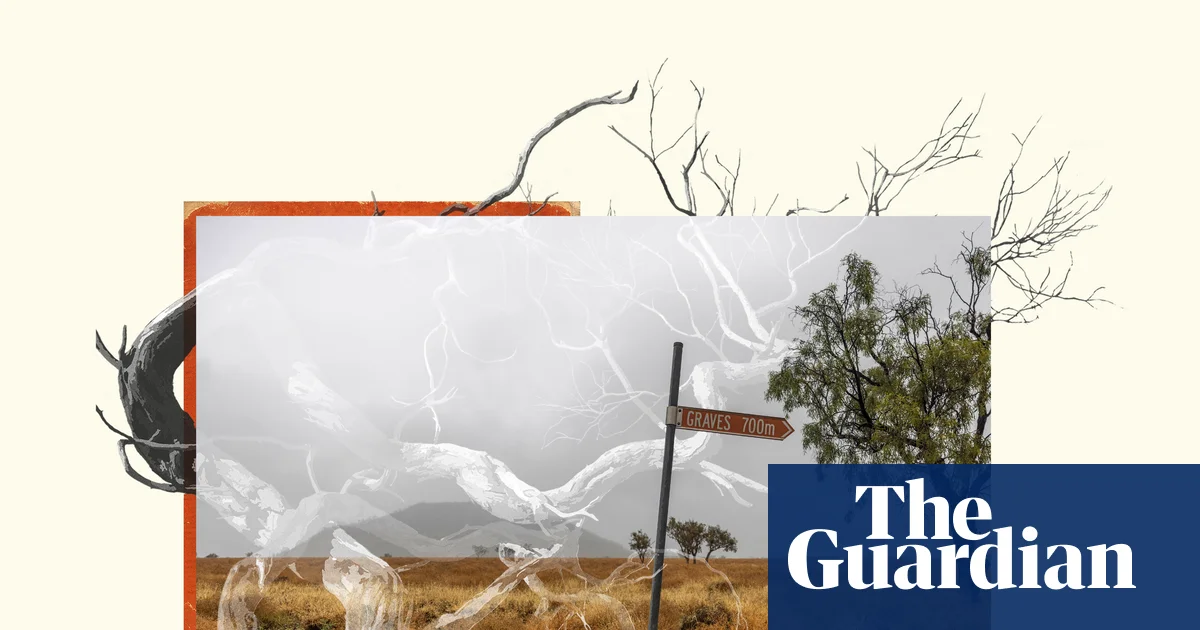
Among the distinguished entries was The Descendants project, a multi-part series examining Australia’s dark history from both sides of its frontier, built on the foundations of their 2019 award-winning work The Killing Times. Led by Lorena Allam, a former Editor of Indigenous Affairs now a professor at UTS, the series used innovative data visuals and interactive storytelling to probe the deeply personal and often traumatic process of truth-telling. Such initiatives shine a spotlight on how historical injustices and contemporary policies intertwine, affecting both indigenous populations and national identity. Analysts at the Australian Strategic Policy Institute note that this form of journalism not only informs but also shapes national discourse—potentially steering policy reforms or sparking public dialogue on reconciliation.

Similarly, the series Fatal Inaction exposed a tragic pattern of neglect within Australia’s prison system, where 57 inmates have died by hanging in 19 facilities despite clear warnings and repeated recommendations for reforms stemming from the 1991 royal commission into Aboriginal deaths in custody. Crisis investigations led by Christopher Knaus and Ariel Bogle reveal that authorities knew about these hanging points yet failed to act, reflecting broader systemic failures. Such revelations come at a precarious time when global human rights organizations emphasize the importance of prison reform and accountability, with the United Nations warning that neglect and inaction in detention facilities often catalyze social unrest and undermine rule of law.

The reach of Guardian Australia’s investigative efforts extends even into realms of economic influence, illustrated by their nomination in the podcast category for Gina: Power, Privilege and Influence. The series, explored by senior journalist Sarah Martin, dissected the life and ambitions of Australia’s wealthiest individual, Gina Rinehart. Analytically, this narrative reveals the powerful role elite economic actors play within national and global markets, and how their influence might tilt policy decisions in favor of corporate interests over societal wellbeing. Echoing concerns expressed by international economists, such as those at the International Monetary Fund, these stories underscore how concentrated wealth can accelerate inequalities and destabilize democratic institutions if left unchecked.

As the global landscape continues to shift with the ongoing U.S.-China rivalry, Russia’s military endeavors, and regional conflicts in the Middle East and elsewhere, the impact of investigative journalism cannot be overstated. Historians like Timothy Snyder warn that without vigilant scrutiny, authoritarian tendencies may flourish under the guise of stability, eroding liberties and fostering societal divisions. International organizations such as the United Nations stress that the free press is the backbone of resilient democracies, especially in times of crisis. Guardian Australia’s recognition serves as a reminder that, even amid the chaos and uncertainty, the beacon of truth-telling remains a profound weapon—one capable of shaping history’s course, for better or worse. The coming months will reveal whether these journalistic standouts will inspire change, or if the forces opposing transparency will silence these stories—and thus, the truth—once again. Until then, the weight of history presses on, reminding us that the fight for accountability and justice is as urgent as ever, echoing through the corridors of power and into the consciousness of future generations.

Social Media Auto Publish Powered By : XYZScripts.com