Matox News

Truth Over Trends, always!

Leaked plans indicate support for SEND students to be reassessed after primary—what it means for our youth’s future

Reshaping Special Education Support: A Societal Reflection

Recent leaks have revealed a potential overhaul of special educational needs (SEN) and disabilities support systems within schools, igniting debates across communities about the future of inclusive education. As the fabric of society evolves, so too does the recognition that every child, regardless of their physical or learning challenges, deserves equitable access to quality education. Yet, these proposed reforms underscore ongoing tensions between institutional efficiency and the moral obligation to foster environments where diversity is genuinely embraced.

The impending changes suggest a comprehensive redesign of SEN support structures, which could significantly impact families, educators, and students. Historically, sociologists like Pierre Bourdieu have emphasized how social inequalities become embedded within educational institutions, often marginalizing students with disabilities or learning difficulties. The current conversation centers around whether these reforms will address such disparities or inadvertently exacerbate them. Many parents of children with special needs express concern that a top-down approach might diminish the personalized care and attention their children rely on, potentially reducing access to specialized resources that are crucial for their development. For families, this is more than policy—it’s a matter of justice and opportunity.

Furthermore, the proposed shifts could reshape how schools integrate students with disabilities, impacting community cohesion and educational equity. Educators face the complex challenge of balancing the allocation of limited resources while fostering an inclusive classroom environment. The history of social integration reveals that well-structured support is key to breaking down barriers of misunderstanding and prejudice. As social theorist Michael Apple notes, “education has the power either to reinforce existing inequalities or to serve as a site of social transformation.”

  • Potential reduction in tailored support services, risking increased segregation within mainstream classrooms.
  • Need for increased investment in teacher training and infrastructural accessibility to uphold inclusive standards.
  • Calls for transparent policymaking processes involving stakeholders—parents, educators, and advocates alike—to ensure reforms serve all members of society.

The societal implications extend beyond the classroom—families feel the ongoing weight of navigating bureaucratic systems that often overlook their specific needs. Children with disabilities are not mere statistics; they are individuals whose daily struggles reflect broader societal attitudes toward diversity. A failure to adequately support them undermines the moral fabric of a society that claims to value fairness and opportunity.

In the words of social historian Howard Zinn, “society is a body that can only be healthy when every part is nourished and supported.” As communities grapple with these upcoming reforms, they are compelled to reexamine the core values of inclusivity and shared responsibility. The challenge lies in implementing change that genuinely uplifts families, educators, and students, fostering a future where differences are not just accommodated but celebrated. The hope remains that, amidst society’s complexities, the collective effort to nurture a truly inclusive environment will lead to a stronger, more resilient community—one where every individual’s potential is recognized and realized.

Australia Today: Universities’ Racism ‘Systemic,’ Angus Taylor Shuns Leaked Migration Plan

International Alert as Australia’s Political Landscape Faces Turmoil

The political environment in Australia is rippling with controversy following revelations about a proposed immigration policy fragment that has sparked international concern. An unreleased document, reportedly drafted under the leadership of former Sussan Ley, has outlined a plan to severely restrict migration from regions associated with terrorist activities across 13 countries. The plan, which aims to rapidly remove up to 100,000 asylum seekers and visitors on student visas, has been widely condemned by human rights and international watchdogs as a blatant exercise in discrimination. The Refugee Council of Australia labeled it an “appalling idea,” echoing global fears about rising populism and exclusionary policies that threaten Australia’s reputation for fairness and our commitment to humanitarian principles. Despite the current opposition leader Angus Taylor declaring he had no knowledge of the document, the internal divisions within the Liberal Party expose a troubling shift towards more hardline, Trump-inspired border policies.

Global Impact of Regional Policies and the Rise of Systemic Racism

The leaked proposals underscore a broader shift in global politics, emphasizing national sovereignty and security concerns over traditional humanitarian commitments. Such policies resonate with nationalistic narratives pushed by populist leaders worldwide, contributing to a dangerous normalization of prejudice. Meanwhile, international organizations like the United Nations warn that policies based on indiscriminate bans threaten to enlarge the gulf of distrust and xenophobia. In Australia, this trend is compounded by a disturbing report exposing the pervasive systemic racism endemic within the university sector. According to the Australian Human Rights Commission, a landmark study found that 70% of survey respondents had experienced indirect racism, with Palestinian and Jewish students experiencing rates as high as 90%. These findings highlight the damaging impact of institutional bias, which threatens the fabric of multicultural societies and undermines core democratic values. Critics argue that if such discrimination remains unchecked in education, it is only a matter of time before societal tensions escalate further, potentially igniting unrest on the streets.

How Decisions Shape Future Societies and the Winds of History

As analysts warn, the decisions taken today will reverberate for generations, shaping the moral and geopolitical landscape of the 21st century. Governments that resort to discriminatory policies in the name of security risk unleashing a wave of social fragmentation, fostering extremism rather than preventing it. Historical figures such as George Orwell and Hannah Arendt warned that totalitarian tendencies often emerge from fear and prejudice cloaked in national security rhetoric. The international community watches keenly as Australia’s internal conflicts reflect a wider, global struggle—whether to uphold the timeless ideals of justice and fairness or succumb to the siren call of exclusion. Underneath the surface, these decisions expose societal fractures rooted in ignorance and fear, threatening to derail the progress of multiculturalism and inclusion. The weight of history lingers, a reminder that the pathways chosen today define the societies of tomorrow—whether as beacons of hope or shadows of despair, remains an unfolding narrative on the scale of nations and civilizations.

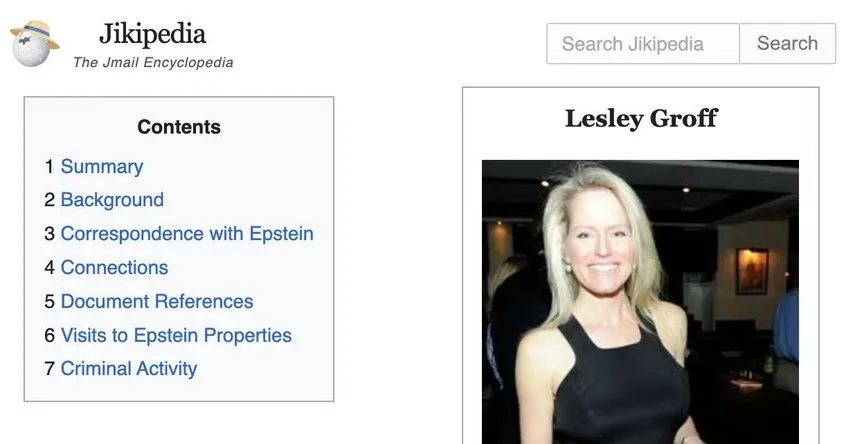
Jikipedia exposes Epstein’s elite network through leaked emails

Emerging Tech Disruption: Digital Reconstructions of Epstein’s Secrets Spark Industry Shake-up

The tech landscape is witnessing a groundbreaking development as a controversial project, led by the team behind Jmail, emerges on the scene with a powerful new tool: a clone of Wikipedia that compiles and analyzes vast amounts of data from Jeffrey Epstein’s emails. This innovative platform transforms raw, encrypted communication into highly detailed dossiers—mapping connections, transactions, and locations—potentially rewriting how sensitive data is harnessed for investigative or business purposes. According to insiders, these detailed entries include Epstein’s associations, his property holdings, and links to major financial institutions like JPMorgan Chase. This technological leap demonstrates both the capacity for disruption in data analysis and the profound implications for compliance, security, and privacy in the digital age.

This project exemplifies the frontier of what AI-driven data mining and visualization tools can achieve, signaling a seismic shift for industries reliant on intelligence gathering and corporate transparency. The platform’s ability to compile multi-layered profiles from email exchanges, property records, and financial dealings introduces a new level of depth to open-source intelligence (OSINT). Industry analysts from Gartner and MIT’s cybersecurity research labs are already praising the innovation, noting its potential to outperform traditional investigative methods. Yet, critics warn of the darker side: the ethical and legal dilemmas associated with such detailed, granular data reconstructions could spark a wave of regulatory scrutiny and societal debates about privacy rights.

The broader business implications are equally profound. Companies and governments are increasingly relying on such disruptive technologies to gain strategic advantages—whether for uncovering illicit activity, safeguarding assets, or competitive intelligence. The Jmail platform’s ability to automatically generate profiles that include detailed biographical data, property acquisitions, and law enforcement-related activities underscores how disruption of traditional investigative processes could lead to quicker, more comprehensive insights. In this context, established institutions like JPMorgan are already under scrutiny for their historical dealings with Epstein, emphasizing how data-driven transparency may expose hidden risks and influence policy reforms.

Looking ahead, this wave of technological innovation invites a sense of urgency for industry stakeholders. Leaders like Elon Musk and Peter Thiel have long predicted the revolutionary potential of AI and decentralized data systems, yet they warn that without careful regulation and ethical frameworks, such tools could be misused or lead to societal harm. The emerging platform’s power to reconstruct complex networks from digital footprints signals a future where information sovereignty is fragile and the distinction between investigative tool and weapon is razor-thin. As these advancements accelerate, the key question remains: how will industries, regulators, and society balance the immense potential of disruptive data technologies with the imperative to safeguard fundamental rights? The future belongs to those who act swiftly—igniting a new era where speed, innovation, and responsibility determine technological supremacy.

Met Police Investigate Leaked Emails Tied to Mandelson and Epstein

Metropolitan Police Launch Crime Investigation into Peter Mandelson’s Alleged Leaks to Jeffrey Epstein

London — In a development that has sent shockwaves through the political landscape of the United Kingdom, the Metropolitan Police has officially initiated a criminal investigation into allegations surrounding Peter Mandelson, the former government minister, accused of leaking sensitive UK government emails to the late financier Jeffrey Epstein. This move underscores the gravity of recent disclosures from Epstein’s trove of court documents, which rekindled longstanding questions about the potential influence of clandestine influences on UK policymaking during the Cameron and Brown eras.

The investigation is rooted in allegations that Mandelson, then Britain’s Business Secretary, transmitted confidential internal discussions to Epstein, a known sex offender, amidst the turbulent aftermath of the 2008 financial crash. Documents suggest Mandelson forwarded emails revealing plans related to bank bonuses and euro bailout strategies—information with undeniable market sensitivity. Such disclosures, if proven, could constitute misconduct in public office, a crime carrying a maximum penalty of life imprisonment, according to Scotland Yard officials. Though Mandelson has denied receiving any funds from Epstein, bank records apparently show otherwise, prompting further scrutiny into his dealings and motives.

Geopolitical Ramifications and Shifts in Power

This unfolding scandal has profound geopolitical impact, challenging the credibility of UK political elites and stirring concerns over potential foreign influence. Analysis by international oversight bodies warns that revelations of clandestine meetings and leaked negotiations threaten to undermine transatlantic alliances, particularly the UK–US relationship. Critics argue that if senior figures like Mandelson, once granted diplomatic posts—such as his recent appointment as US ambassador—were complicit in or unable to prevent such leaks, the trust in Britain’s diplomatic integrity risks erosion. The United States, too, watches closely, as the Epstein revelations expose a web of illicit connections involving power brokers on both sides of the Atlantic, stirring fears about secret alliances and covert influence peddling.

Historians and political analysts emphasize that this scandal could mark a turning point in UK politics, with the potential to ignite broader debates about transparency and accountability in governance. History teaches us that when societies allow clandestine influence to go unchecked, the fabric of democratic institutions can be seriously compromised. As investigations deepen, the UK’s leadership faces the challenge of balancing national security concerns with the demand for justice and public integrity. The fallout from this crisis may reshape public attitudes toward power, privilege, and the accountability of the ruling class for generations to come.

How Decisions and Disclosures Shape Societies and Global Stability

At the heart of this scandal lie fundamental questions about how decisions made behind closed doors influence not only domestic policy but also international stability. The leaked emails suggest Mandelson may have discussed influencing government policies on banking bonuses, the euro bailout, and other critical economic strategies—decisions with ripple effects across global markets. The potential involvement of Epstein, a figure associated with blackmail and illicit influence, raises alarms about the extent to which secret dealings can sway the course of nations with profound economic and geopolitical consequences. As government insiders and opposition leaders demand transparency, the moral fabric of leadership and its accountability to the people face a stern test.

With every new revelation, the fabric of the UK’s political reputation frays further, and the shadow of international influence and clandestinely brokered deals darkens the horizon. As the investigation advances, the world watches with wary eyes, wondering if the full truth will finally emerge or if more secrets will be buried in the recesses of a political system long suspected of corruption. This is a moment when history itself seems to hold its breath, waiting to see if justice and truth can prevail amid the chaos of compromised integrity.

Leaked Files Reveal Epstein Gave $75K to Accounts Tied to Mandelson

In an unfolding controversy that resonates across the international landscape, Lord Mandelson, a prominent figure in United Kingdom politics, has issued a statement casting doubt over serious allegations. Addressing claims related to financial transactions and the authenticity of contentious documents, Mandelson declared, “I have no record or recollection of receiving the sums and do not know if the documents are authentic.” His remarks have sparked a wave of scrutiny among analysts and policymakers alike, emphasizing the fragility of trust in high-level political communication amidst escalating allegations.

The matter’s gravity extends beyond individual reputation, touching on the broader geopolitical impact, especially considering international concerns about transparency, accountability, and influence operations. As political tumult brews, experts suggest that such conflicts can undermine public confidence in institutions, fueling further instability. The situation is particularly sensitive given the historical context of political scandals involving financial misconduct in global power centers. The role of international organizations such as INTERPOL and the United Nations becomes critical in mediating these disputes and ensuring a transparent inquiry that upholds the rule of law.

Historically, documents of dubious authenticity have often served as catalysts for diplomatic crises or public civil unrest. As noted by leading geopolitical analysts, perceptions of concealment or deception can swiftly escalate tensions among nations, especially when such allegations threaten to implicate influential international actors. The controversy also raises questions about the vulnerabilities of political figures in the digital age, where false documents and misinformation campaigns can swiftly sway public opinion or influence diplomatic negotiations. The stakes are evident: when trust erodes at the upper echelons of power, the entire societal fabric risks fraying, jeopardizing peace and stability in vulnerable regions.

As this saga unfolds, the world stands at a precipice, awaiting new revelations that could alter the course of diplomatic relations and internal politics. Will the truth come to light, illuminating the shadows cast by distrust and deceit? Or will these murky waters continue to obscure accountability, leaving history to judge the silent, tentative steps toward justice? In an era where information is both weapon and shield, the ongoing tug-of-war over credibility holds profound implications for the future of global governance. Only time will reveal whether the decisions made in the coming weeks will cement a new chapter of transparency or entrench the darkness of political obscurity, forever echoing in the corridors of history.

Amazon Confirms 16,000 Job Cuts Following Leaked Email

In a surprising turn of events, the technology conglomerate confirmed it is implementing significant redundancies, just hours after an internal email mistakenly revealed the forthcoming layoffs. The incident underscores the tumultuous landscape of global technology firms navigating post-pandemic economic pressures, geopolitical uncertainties, and shifting consumer demands. As the news broke, analysts worldwide scrutinized the implications for the industry’s stability and the broader employment landscape, especially given the company’s influential role in shaping the digital frontier.

The company’s internal email, which was prematurely distributed and then corrected, revealed plans for thousands of job cuts across multiple divisions. The move came amidst a backdrop of declining profits, increased competition from emerging regional tech giants, and mounting pressure from international regulatory bodies. The decision aligns with a broader trend of cost-cutting measures that many global corporations have adopted in response to recent economic headwinds, but it also signals a potentially destabilizing shift for the industry. Economists and labor analysts warn that such redundancies could ripple through the global tech supply chain and have a detrimental impact on innovation and regional employment rates.

As the world’s leading economies continue to implement strategic policies in the face of geopolitical tensions — notably, the ongoing U.S.-China rivalry and the uncertain fallout from post-Brexit reforms in the UK — decisions like these are far from isolated economic events. Historians and international observers point to parallels with past industry downturns, noting how corporate retrenchment often reflects broader shifts in geopolitical alignments and technological supremacy. The repercussions reach beyond balance sheets: societal impacts include heightened unemployment, community destabilization, and the erosion of technological innovation hubs dependent on the tech sector’s vitality.

In commentary from institutions like the International Monetary Fund and renowned geopolitical think tanks, there is a growing acknowledgment that these layoffs are emblematic of an unstable global economic environment. As the world watches, the decisions made by this tech giant serve as a gauge of broader economic resilience and the potential for future multilateral cooperation or fragmentation. With each digital development and corporate move, history continues to unfold, leaving nations, societies, and individuals to contemplate the fragile future shaped by today’s strategic choices. The question remains: how will this chapter in technological and economic upheaval be remembered in the broader tapestry of history?

Leaked US Draft Outlines Bold Plan to End Russia-Ukraine Conflict

Geopolitical Tensions Surge as US-Russia Peace Draft Emerges

In a move that has sent shockwaves through the international arena, a *leaked draft* of a US-Russia peace plan proposes extraordinary concessions that could fundamentally reshape the geopolitical landscape surrounding *Ukraine*. The document, reportedly circulated among key US officials and Russian representatives, hints at Russia’s aspirations to solidify control over parts of Ukraine’s eastern *Donbas* region, while simultaneously calling for Ukraine to cede territory and scale down its military capabilities. Such proposals are viewed by experts as a blatant encroachment on Ukrainian sovereignty, with serious consequences for the stability of Europe and the integrity of international law.

At the core of the draft are indications of a *possible* territorial handover—*Ukraine* would be compelled to withdraw from certain regions, including parts of *Donetsk*, whichaly are currently under Ukrainian control. These areas are to be recognized as *de facto* Russian territory, a move that would effectively undermine Kyiv’s constitutional claims of indivisible borders. Additionally, the plan suggests limiting Ukraine’s armed forces to 600,000 personnel—far below its current strength—thus infringing upon Kyiv’s sovereign right to self-defense. Meanwhile, Russia’s return to the *G8* and its reintegration into the *global economy* signal an attempt to lift Russia from its diplomatic and economic isolation, a move opposed by many Western analysts who emphasize the unlikelihood of such reintegration while Vladimir Putin remains under international arrest warrants and sanctions remain firmly in place.

This draft has sparked fierce debate among European and American policymakers. Critics argue it represents a *Putin wishlist*, designed less for peace and more to entrench Russia’s strategic gains. The document’s vague guarantees—such as security assurances lacking details—do little to reassure Ukraine or its allies, who demand clear commitments akin to NATO’s Article 5 security guarantee. Ukrainian officials and international observers emphasize that the plan’s focus on territorial concessions and military limitations severely compromises Ukrainian sovereignty, potentially setting a dangerous precedent for other nations facing similar threats. Prominent historians like *John Mearsheimer* and analysts from organizations such as the *Atlantic Council* warn that any deal that rewards territorial gains without addressing underlying security concerns risks sowing the seeds for future conflicts.

Moreover, the plan’s omission of restrictions on Ukraine’s long-range *missile programs*—notably its Flamingo and Neptune systems—raises fears of future escalation. The proposals for Ukraine not to join *NATO*, combined with the promise of short-term *EU* market access, appear to be designed to sideline Ukraine’s aspirations for collective defense—an open contradiction to Kyiv’s constitutional red lines. While Russia seeks the lifting of *sanctions* and the normalization of its international standing, the plan’s emphasis on staged *de-escalation* and potential *amnesty* for all parties raises suspicions about Moscow’s true intentions, with critics arguing that it’s a prelude to further concessions that could erode Western influence and deter future interventions.

As the world watches with bated breath, the question lingers: is this a genuine effort at peace or merely a *strategic ploy*? With many European nations and *NATO* allies remaining silent—awaiting official confirmation—the diplomatic process hangs on a knife’s edge. The draft’s *Vague promises* and *ambiguous guarantees* are unlikely to satisfy Ukraine’s demand for sovereignty and security, while Russia’s willingness to offer a *full amnesty* and lift sanctions under such conditions suggests a game that could redefine the balance of power for generations. As history continues to unfold, the unfolding debate echoes a harsh truth: in the shadow of this fragile accord, the true battle for *Ukraine’s future*—and the world’s—has only just begun, leaving us to ponder whether peace or a broader conflict looms on the horizon.

Ex-Israeli military legal chief arrested over leaked video of alleged Palestinian detainee abuse

Israel’s Internal Crisis Deepens as Leaked Military Video Sparks International Outcry

The recent exposure of a clandestine video involving the Israel Defense Forces (IDF) at the Sde Teiman military base has ignited a fierce national and international debate, illuminating the profound geopolitical impact of military accountability amid ongoing conflict with Palestinian territories. The footage, broadcast widely in August 2024, allegedly depicts reserve soldiers brutalizing a Palestinian detainee, with claims of severe abuse including beatings and sexual violence. This revelation has stunned global pundits and analysts, who warn it signals a troubling turning point in the perception of Israel’s military ethics and legal integrity.

The fallout from the leak has underscored a stark division within Israeli society. On the right, political figures and military supporters have condemned the release of the video as an attack on the nation’s honor. Many see it as a deliberate smear campaign, aimed at damaging Israel’s image amidst its ongoing struggle with regional adversaries. Supporters, including prominent lawmakers aligned with Prime Minister Benjamin Netanyahu, have called for harsh measures against those responsible, framing the incident as a defamation of Israeli military personnel and a threat to national security. Conversely, on the political left, critics argue that the footage vindicates long-standing allegations of systemic abuse and torture within the detention system, which international organizations like the UN have repeatedly condemned. These contrasting narratives reveal how decisions made in secrecy can ripple through geopolitical alliances and societal trust.

Leadership Scandals and International Repercussions

The scandal escalated further with the dramatic resignation of Major General Yifat Tomer-Yerushalmi, the former Military Advocate General, who admitted to leaking the video. Her departure was coupled with a high-profile police search and her subsequent arrest, highlighting the severe domino effect of internal military and political conflicts. The incident exposed fissures within Israel’s leadership, with figures such as Defense Minister Israel Katz openly condemning her, describing her actions as an unpatriotic breach of duty, while Prime Minister Netanyahu characterized the incident as “perhaps the most severe public relations attack since Israel’s founding.” Such rhetoric underscores how domestic disagreements are intertwined with the larger geopolitical narrative of Israel’s self-image as both a democratic state and a regional military power.

International observers have voiced concern over how this internal turmoil could influence Israel’s standing on the global stage. Western allies, especially the United States and European countries, are scrutinizing the credibility of Israeli claims about its military conduct amid calls for transparency and accountability. Global institutions such as Human Rights Watch and Amnesty International have seized upon the video and its aftermath to reiterate longstanding accusations of violations against Palestinian detainees. The broader how decisions taken in Jerusalem affect regional stability is a subject of intense debate among analysts, many warning that unchecked military misconduct could undermine diplomatic efforts in the fragile Middle East peace process.

Historical Echoes and Future Uncertainties

Historians and geopolitical analysts warn that Israel’s internal struggles now echo the turbulent times of the 20th century, where military upheavals and political crises foreshadowed larger regional conflicts. The recent events at Sde Teiman serve as a reminder that what begins as a domestic controversy often has a potent ripple effect across borders. As Israel confronts accusations of brutality and attempts to contain the fallout, the specter of regional destabilization looms. The revelations have stirred calls from many quarters for robust reforms, yet beneath the surface lies a deeper question: how will the unfolding narrative shape the future of Israeli society and its relations with the Palestinian people?

As history continues to be written in real time, the weight of every decision—whether it involves suppression, transparency, or accountability—may ultimately determine the fate of a region already teetering on the edge of chaos. The world watches with bated breath, aware that in this crucible of controversy, the lines between justice and nationalism are often blurred, and that the pages of history are yet to turn on what may become one of the defining moments of the 21st century.

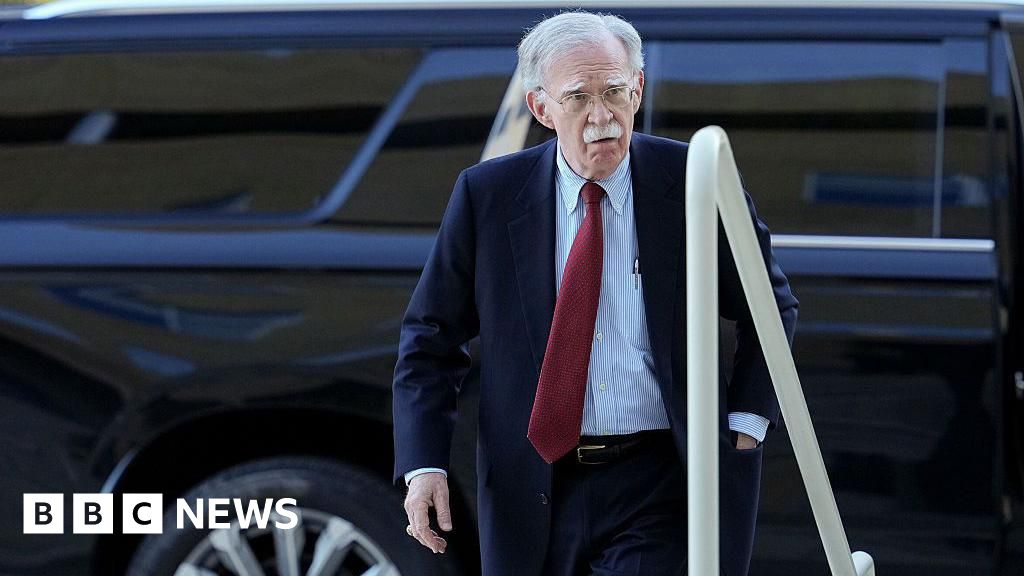
Former Trump adviser Bolton turns himself in over leaked classified info

In a move signaling a stark escalation in
the ongoing legal battles surrounding political figures in the United States, John Bolton, the former national security adviser to President Donald Trump, has surrendered to federal authorities on charges related to mishandling classified information. This development marks a significant chapter in the erosion of political norms and a deepening of partisan divides that threaten the fabric of American democracy. Bolton, a controversial figure who parted ways with the White House bitterly and publicly criticized Trump, now finds himself at the center of a high-profile legal controversy that could have profound geopolitical impact.

The indictment alleges that Bolton utilized personal messaging apps and email to transmit sensitive intelligence, revealing future attack plans, foreign adversaries’ strategies, and foreign policy negotiations—acts prosecutors argue constitute illegal conduct. Such revelations, if proven true, threaten the delicate international balance of security cooperation and risk exposure of classified information to hostile nations. The case underscores the increasingly contentious environment surrounding national security in the digital age, with experts warning that these developments could ripple beyond domestic politics, impacting global stability. Historians and international analysts alike point out that the mishandling or reckless disclosure of intelligence not only jeopardizes the safety of citizens but complicate diplomatic relations with key allies and adversaries alike.

Further, Bolton’s case has broader implications within the context of U.S. internal conflict and the weaponization of justice. Bolton’s lawyer, Abbe Lowell, dismissed the charges as part of a pattern seen in recent years, claiming that “many public officials throughout history kept diaries—that is not a crime.” However, critics contend that the Justice Department’s actions demonstrate a dangerous precedent where political rivals are targeted to undermine their influence, especially in a time when the country is polarized like never before. As international organizations scrutinize America’s internal stability, the case raises urgent questions about the rule of law and the limits of political accountability. Analysts argue that how the U.S. handles Bolton’s case could influence its global image—whether as a beacon of justice or a nation mired in political vendettas.

Adding further complexity, allegations of cyber attacks linked to
the Islamic Republic of Iran reveal that espionage and cyber warfare continue to be prime tools for hostile nations trying to influence U.S. political and security landscapes. The potential hacking of Bolton’s accounts underscores the broader threat posed by state-sponsored cyber operations, which increasingly target top officials in major powers —a development condemned by security experts worldwide. This attack highlights the perilous intersection of technology and geopolitics, where the security secrets of nations can be compromised with alarming ease, thus threatening international peace and stability. Many analysts warn that these cyber threats are a prelude to a new form of diplomatic warfare, demanding urgent international cooperation but also exposing the vulnerabilities of democracies grappling with pervasive digital espionage.

As the world watches, the trajectory of this internal U.S. saga will resonate far beyond its borders, casting shadows over global diplomatic relations and shaping the legacy of an American political landscape fractured by controversy. The headlines are only beginning to unfold, yet their echoes threaten to define an era—one marked by power struggles, evolving technology, and the relentless march of history’s worst conflicts. Future generations will remember whether the United States, once a symbol of stability, was consumed by internal strife or rose to redefine justice amidst chaos. As the courtroom doors close on Bolton’s legal battle, the larger question remains: how will this chapter be written in the annals of history, and what lessons will it hold for the world to follow?

Leaked Memo and Broken Promises: Labour’s Housing Betrayal Sparks Youth Discontent

In the heart of London, a city historically renowned for its resilience and diversity, an ongoing housing crisis exposes the profound social fissures that threaten the fabric of communities and families alike. Sociologists like David Harvey have long argued that urban development reflects underlying social inequalities, yet recent policies seem to deepen this divide. The government’s current approach, heavily influenced by big property developers and skewed priorities, appears to prioritize profits over the welfare of ordinary citizens. As a result, families are displaced, children grow up in overcrowded temporary shelters, and the very notion of community stability is fraying under economic and social strain.

Recent reports reveal a troubling pattern: during a period when London’s homelessness numbers are reaching unprecedented heights—over 13,000 people sleeping rough in 2024-25, quadrupling the figures from a decade ago—efforts to address affordable housing have been sidelined by policies favoring robust profits for developers. A leaked government memo indicates that key negotiations with major construction firms are centered on diluting commitments to social housing, and to relax planning rules that could make building modest, affordable homes financially unviable for those who need them most. This pivot toward prioritizing luxury developments and attractive profit margins over community needs underscores a troubling moral trajectory, one that threatens the social cohesion essential for stable families and thriving neighborhoods.

The social implications of these policies ripple through families and communities in tangible, often devastating ways. Children in London now face the harsh reality of growing up in temporary accommodations, often with little access to stable education or safe environments. For families pushed into overcrowded flats or forced to relocate far from their support networks, the psychological toll compounds existing economic hardships. Housing sociologists like Jane Jacobs emphasize that a strong, interconnected community hinges on accessible, affordable housing—yet current policy makers seem intent on reversing progress made under previous administrations, reminiscent of the housing policies of Boris Johnson that prioritized spectacle over social equity. As W. B. Yeats lamented, society often finds itself caught between the desire for progress and the peril of losing its moral compass—an especially poignant reflection as London’s social fabric faces this crisis.

Facing these UNIGNORABLE challenges, the hope for societal renewal lies in bold reforms that put families and community well-being front and center.

  • Implement legally binding targets to ensure a minimum of 50% affordable housing in new developments, backed by enforceable policies that penalize failures to meet these standards.
  • Reintroduce community levies that finance essential amenities—schools, healthcare, and parks—rather than siphoning off funds for private profit, fostering a sense of shared ownership and neighborhood pride.
  • Prioritize localized, community-led planning initiatives that involve tenants, local councils, and grassroots organizations, emphasizing social cohesion over speculative development.

Experts like social historian Eric Hobsbawm have pointed out that social progress is often crafted through collective resilience and moral clarity. As society grapples with these social issues, it is vital to remember that at its core, social reform is a moral imperative—an effort to preserve the dignity and potential of every family affected by these policies. The narrative of London—and indeed, society at large—cannot be solely written by profits and policies; it must be shaped by a shared sense of responsibility and hope. In the quiet corners of these struggling neighborhoods, amid the shadows cast by unchecked greed, lies the possibility of renewal—an unyielding hope that society can rebuild itself, not through empty promises but through unwavering commitment to its most vulnerable members. Only then can London truly rebuild a city on the foundation of fairness and human dignity.

Social Media Auto Publish Powered By : XYZScripts.com