Matox News

Truth Over Trends, always!

UK Politicians Leave Door Open for RAF to Hit Iran’s Missile Sites

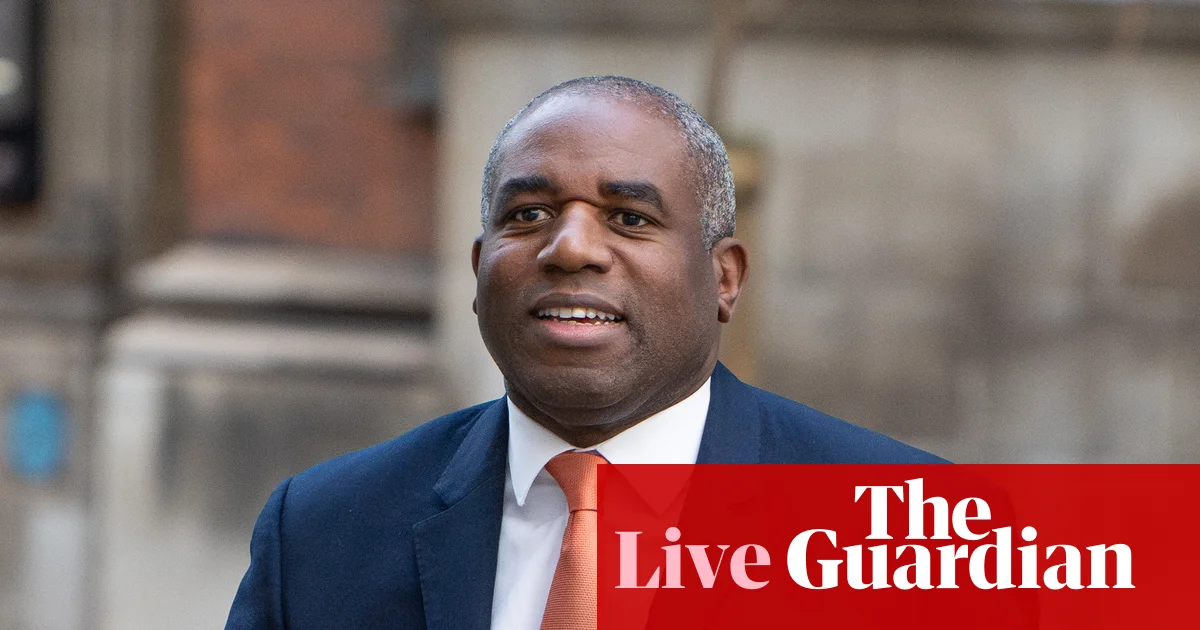
Recent developments in UK politics and international security reveal a nation navigating a complex web of domestic reforms and foreign policy maneuvers amid heightened geopolitical tensions. The British government, under the leadership of Prime Minister Keir Starmer and his cabinet, faces internal divisions while taking assertive stances in the Middle East—a region once again simmering with conflict and strategic chess moves. The recent statements from David Lammy, the UK’s Deputy Prime Minister, underscore an increasingly brazen posture, suggesting that Royal Air Force jets could legally strike Iranian missile sites used against British interests in the Persian Gulf. These remarks mark a significant escalation in Britain’s willingness to advocate for offensive military action, signaling a shift in traditional postures rooted in diplomatic restraint.

Behind the rhetoric lies a broader strategic calculation—one that reflects the national security doctrine influenced both by historical precedent and current geopolitical exigencies. With Iran’s missile activity threatening regional stability and British assets, the UK has granted permission for US-led defensive strikes originating from British bases. Lammy’s statement that Britain possesses satellite and intelligence capabilities to identify Iranian targets underscores a preparedness to expand offensive operations, should the legal and political conditions permit. This stance is a response not only to Iran’s regional provocations but also to the pressures of an international landscape where allies seek to enforce red lines more assertively.

Meanwhile, intra-government debates revealing splits within the cabinet over allowing the US to use British bases for strikes against Iran point to underlying tensions about how far Britain should go in its military commitments. The reported leak from a National Security Council meeting exposed these fissures, prompting Labour’s London MP, David Lammy to call for an investigation into the leak, claiming it may put British lives at risk. This incident not only highlights the sensitive nature of UK foreign policy decisions but also demonstrates how internal divisions can become exploited in a fraught international context. The political calculus involves balancing diplomatic diplomacy, military readiness, and public opinion — a delicate dance that could reshape Britain’s role on the global stage for years to come.

On the domestic front, the Conservative government continues to push controversial reforms, such as end-to-end changes to the UK’s immigration policies. Home Secretary Shabana Mahmood announced plans to end permanent refugee status and implement financial incentives—up to £40,000—to encourage rejected asylum seekers to leave voluntarily. Critics within her party and across Parliament argue that such policies risk echoing Donald Trump’s hardline approach and could set the stage for future scandals akin to Windrush. Nonetheless, these efforts reflect a broader push toward stringent immigration controls, driven by a perception that uncontrolled borders threaten national stability and social cohesion. Analyst Dr. John Williams of the International Security Forum warns that these policies could deepen societal divides while emboldening nationalist narratives which resonate strongly among a politically young Britain increasingly concerned with sovereignty and security.

As Britain charts its course through internal consolidation and external assertiveness, the weight of history bears down on every decision. The choices made in these turbulent times—whether to escalate military posture or to tighten immigration policies—will undoubtedly leave a lasting imprint on the nation’s identity and its role in shaping the new world order. With each strategic move, the chapters of this unfolding story are written in the ink of geopolitical destiny, reminding us that the future remains a battleground for influence, power, and the enduring quest for national sovereignty. In the corridors of power and the streets of society, the echoes of today’s decisions will reverberate through the corridors of history, long after the headlines fade.
Border agents linked to Alex Pretti's deadly shooting put on leave
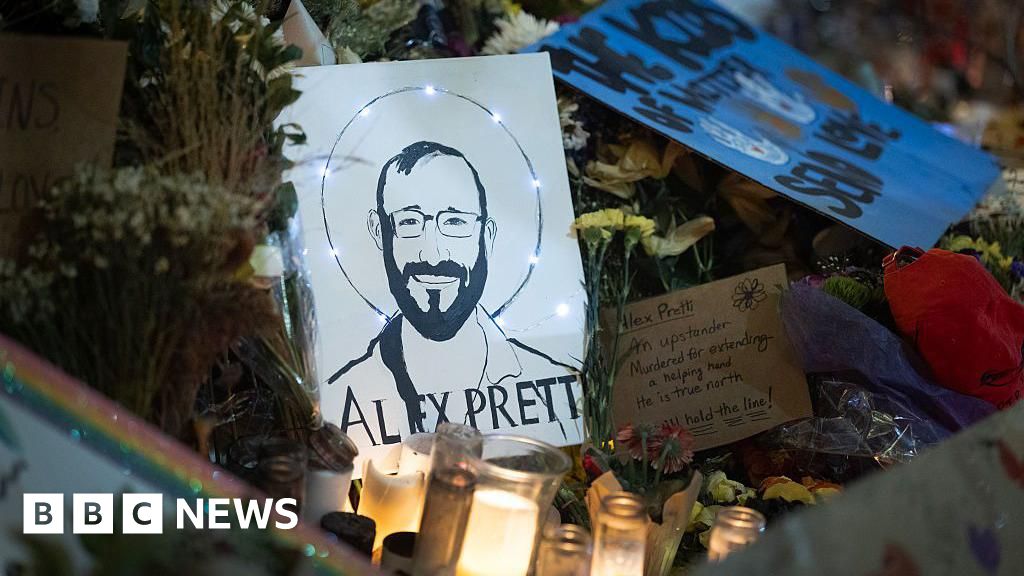
Border agents linked to Alex Pretti’s deadly shooting put on leave

In an era marked by complex geostrategic shifts, the United States finds itself embroiled in a tumultuous domestic debate that has far-reaching implications beyond its borders. Recent exchanges on social media between former President Donald Trump and the Mayor of Minneapolis underscore the deepening ideological rifts over immigration law enforcement, illustrating how internal political struggles influence perceptions of national stability and foreign policy. As the nation grapples with these discordant narratives, international analysts warn that such upheavals could diminish America’s global standing at a critical juncture in history, especially amidst mounting challenges from rival powers like China and Russia.

The clash over immigration enforcement encapsulates broader debates on sovereignty and security that resonate well beyond U.S. borders. These internal conflicts, often amplified by social media, serve as a mirror to a nation divided, revealing fault lines that increasingly influence its ability to project power worldwide. Experts from the Council on Foreign Relations emphasize that how America manages these internal tensions will directly impact international partnerships and its ability to promote stability and democracy globally. As U.S. policymakers navigate this storm, the geopolitics of diplomacy is shifting, compelling allies and adversaries alike to reconsider their engagements with an America that appears fractured from within.

Meanwhile, a tragic incident involving the death of nurse Alex Pretti has sent shockwaves across American society, further fueling national crises of trust and social cohesion. The ongoing investigation and unresolved questions surrounding this event exemplify the broader social distress that defines contemporary America. Historically, analysts suggest, such domestic turbulence can weaken a nation’s ability to effectively engage on the international stage. Countries like China and Russia are closely monitoring these developments, viewing America’s internal strife as an opportunity to advance their own geopolitical agendas while undermining American influence. The situation underscores a critical lesson from history: internal cohesion is the bedrock of global power, and when fractured, even the mightiest nations falter.

As the world watches these unfolding dramas, the geopolitical landscape remains dynamic and unpredictable. US leaders face the daunting task of restoring stability amidst division, fully aware that their decisions today will ripple through history’s fabric. Analysts warn that a failure to unify and lead decisively could embolden rising authoritarian powers and accelerate the decline of Western influence. This ongoing saga, marked by political clashes, social upheaval, and international strategic recalculations, leaves the global community bracing for what lies ahead. In the shadows of this turmoil, the true test of resilience and leadership unfolds, reminding us all that history’s greatest moments are often born through chaos, forging new epochs in the relentless march of time.

Clashes in Nigeria’s northeast leave around 200 dead in violent terrorist skirmish

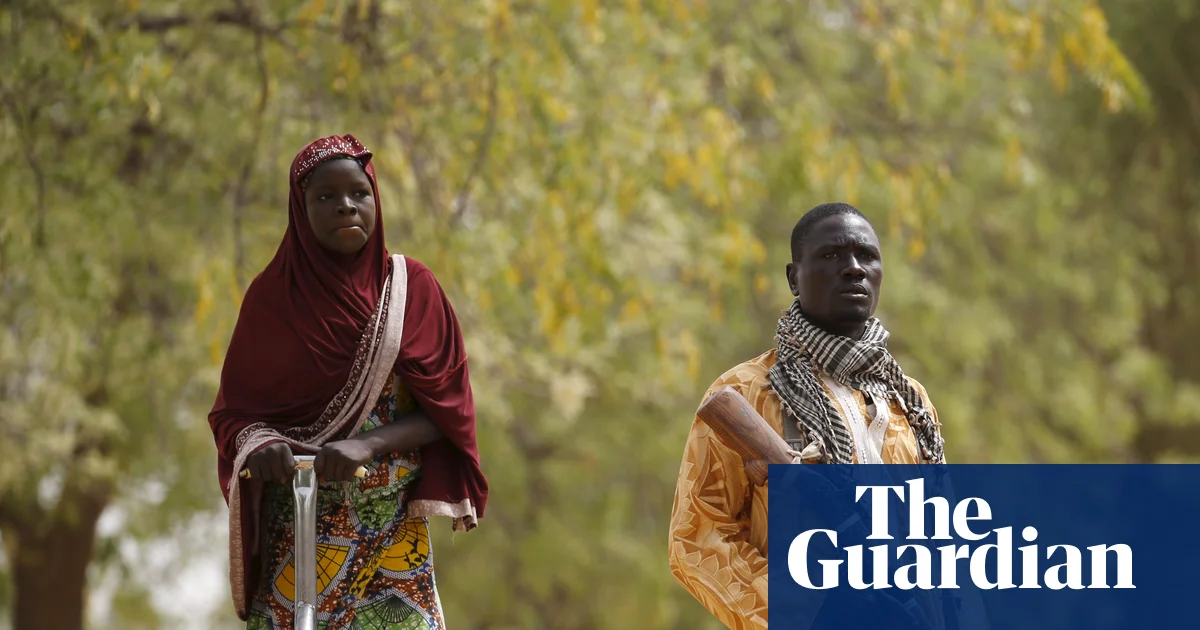
The ongoing insurgency in Nigeria has entered a new and dangerous chapter, with recent clashes between rival jihadist factions causing significant loss of life and further destabilizing the fragile region. Reports indicate that as many as 200 terrorists were killed in a fierce confrontation between Boko Haram and Islamic State West Africa Province (ISWAP) in the village of Dogon Chiku, situated along the shores of Lake Chad. This area—at the crossroads of Nigeria, Niger, Chad, and Cameroon—has long been a battleground for non-state actors vying for control over territory, influence, and economic resources.

Over the years, Lake Chad’s receding waters—having shrunk over 90% since the 1960s—have fundamentally altered the power dynamics in the region. As land routes and operational zones open up amid the shrinking shoreline, jihadist groups like Boko Haram and ISWAP are engaged in a relentless struggle for dominance. Analysts warn that this violent turf war isn’t just about local control; it reflects a broader competition for regional influence, with the potential to destabilize the Sahel and undermine fragile state institutions. The recent clash indicates a shift in the ongoing power struggle, with potentially the deadliest confrontation yet. Experts such as military analysts and international entities observe that ISWAP, once considered the more resourceful and organized faction, now faces serious setbacks amidst Boko Haram’s persistent efforts to maintain control of the Lake Chad basin.

  • The conflict has seen frequent raids and skirmishes, with the latest fighting reportedly resulting in one of the highest death tolls for ISWAP, including the loss of several boats used in the attack. The Nigerian vigilante Babakura Kolo confirmed that approximately 200 ISWAP terrorists were killed, highlighting the brutal nature of the engagement. Such clashes typify a brutal fight for territory where economic interests—such as taxing fishers, loggers, and herders—are intertwined with ideological and political motives.
  • It also signals an intensification of intra-jihadist rivalry, echoing broader trends observed by analysts and even some international organizations. The UN Environment Programme has documented how the environmental degradation of Lake Chad fuels conflicts, as the environmental crisis exacerbates scarcity, forcing groups into violent competition over diminishing resources.
  • Historically, these factions emerged from splits within Boko Haram, a group that, since the death of its founder Mohammed Yusuf in 2009, has inflicted immense suffering on Nigeria’s largely Muslim north-east, including the abduction of schoolgirls and attacks on civilian populations. The death of Abubakar Shekau, Boko Haram’s notorious leader, marked a turning point, but violence persists as factions continue to vie for influence. Recent operations, including Boko Haram’s raids on ISWAP bases, demonstrate the volatile state of affairs, with scores of fighters killed on both sides.

The geopolitical impact of this intra-jihadist struggle extends beyond Nigeria’s borders, echoing across the Sahel region and drawing concern from international actors. Governments and organizations warn that this chaos could serve as a catalyst for broader instability, fostering radicalization and inspiring other militant groups nearby. The United Nations, though primarily focused on humanitarian aid, recognizes that these conflicts threaten regional security and economic development. As countries grapple with the ramifications, the ongoing clashes serve as a stark reminder of how environmental decline, weak governance, and the appeal of extremist ideology converge to create a tinderbox that threatens to ignite a much larger conflagration. In this moment, history bears witness to the fierce struggle for control—one that could determine the trajectory of security and stability in Africa for decades to come.

London schools shrink as families leave, new report reveals

London Schools Face Decline as Demographic Shifts Threaten Community Foundations

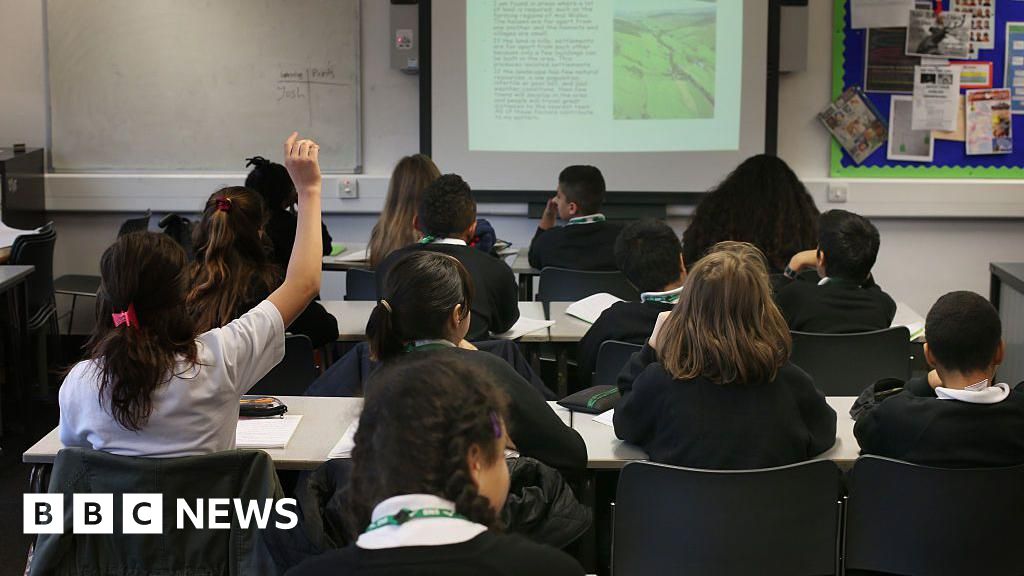
In a striking reflection of demographic changes and societal migration patterns, London’s primary schools are experiencing a significant contraction in pupil numbers. According to a recent report by the Education Policy Institute (EPI), since 2019, the capital has seen a decline of approximately 150,000 pupils, a trend anticipated to swell to 400,000 across England by the decade’s end. This phenomenon underscores a larger societal issue: the shifting fabric of families and communities within urban centers, where declining birth rates and an exodus of residents are redefining local identities.

Historically, cities like London have been magnets for diverse populations, offering economic opportunity and cultural vibrancy. Yet, sociologists such as Saskia Sassen have documented how urban demographic shifts tend to accelerate social fragmentation when the core populations grow increasingly transient or opt to leave. The report reveals that nine of the ten local authorities with the sharpest pupil declines are in London, highlighting an urgent challenge that extends beyond education—one that impacts families, social cohesion, and the very sustainability of community institutions. For many families, these changes translate into uncertain futures, with school closures and reduced extracurricular offerings threatening the broader social fabric that binds neighborhoods together.

The financial implications of declining pupil enrollment are equally troubling. Schools are predominantly funded on a per-pupil basis; thus, losing students directly reduces resources, often forcing cuts to staff, programs, and community services. In Westminster, primary pupil numbers have fallen by nearly 16% from 2020-21 to 2024-25, while Southwark’s figures have decreased by over 12% within the same timeframe. These figures illuminate how educational institutions, traditionally seen as pillars of community, are now facing existential threats that could ripple through local economies and social support networks. The NAHT emphasizes that such unpredictable demographic shifts challenge long-term planning, urging policymakers to develop strategies that prioritize community stability rather than reactive closures and funding cuts.

‘Leaving the country’ – A Society in Flux

Experts, including Jon Andrews of the EPI, have pointed out that England’s population dynamics have fundamentally shifted since the so-called post-millennium baby boom. While the birth rate surged temporarily after 2010, recent years have witness a downturn that correlates with a wave of families choosing to move away from urban centers like London. As Andrews explains, the way funding is allocated—dependent on current pupil numbers—fails to account for these demographic realities, leading to underfunded schools and compromised quality of education.

This trend has moral and social consequences: families face upheaval, young children face the loss of community connections, and local institutions struggle to adapt to the changing landscape. The potential for schools to reduce staff or extracurricular offerings underscores a broader societal risk—namely, that education and community-building may become casualties of economic constraints and shifting populations. As sociologists and educators advocate for rethinking funding models and repurposing school spaces, society faces a moral question: How do we sustain our communities when their fundamental structures are in flux?

Innovative Responses and Renewed Hope

In response, some leaders are proposing innovative solutions, like repurposing underused school facilities to serve broader community needs. Former education secretary Damian Hinds advocates for moving beyond per-pupil funding models, suggesting a need for more flexible approaches to accommodate changing demographics. The Department of Education echoes this sentiment by increasing investments to support local authorities and create new childcare spaces, aiming to bolster family stability and community resilience. These efforts reflect an understanding that education must adapt not only to demographic shifts but also to the moral imperative of fostering inclusive, stable communities where families can thrive despite societal upheavals.

Ultimately, society’s challenge lies in recognizing that the decline in pupil numbers signals more than just a demographic trend—it mirrors the fragile state of our communal bonds. To cast aside the rising tide of social fragmentation risks leaving our future generations isolated and disconnected. But with deliberate intervention, community-focused policies, and unwavering commitment, there remains hope that the social fabric can be mended. Society stands at a crossroads, where the choices made today can either deepen divides or weave tighter bonds. The question lingers: Will we seize the moment to reshape our communities with resilience and compassion, ensuring that even amidst change, hope endures?

Social Media Auto Publish Powered By : XYZScripts.com