Matox News

Truth Over Trends, always!

Young Woman's Tragic Fate After Cruise Ship Leaves Her Stranded on Australian Island
Young Woman’s Tragic Fate After Cruise Ship Leaves Her Stranded on Australian Island

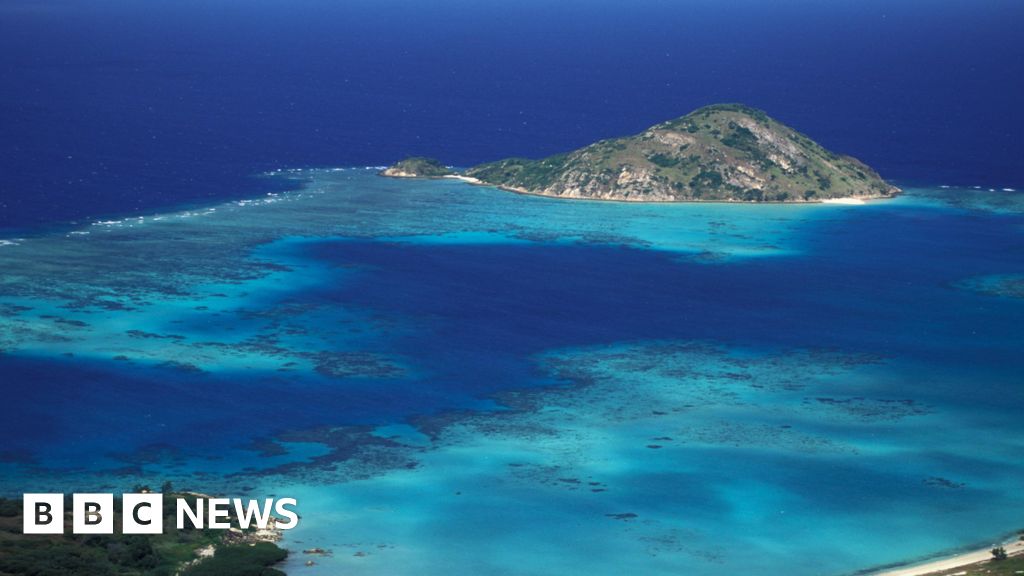
The recent discovery of an 80-year-old woman’s body on Lizard Island, part of Australia’s Great Barrier Reef, underscores a broader issue gripping international attention: the safety of high-class tourism in remote and fragile environments. The woman, who was participating in a 60-day cruise around Australia—a journey costing tens of thousands of dollars—became separated from her group during a hike on the island’s highest peak, Cook’s Look. Despite her fellow travelers and the crew’s efforts, she was tragically found dead after an extensive search operation involving helicopters, boats, and volunteer groups. The incident has provoked a stern response from authorities and illuminated the dangers faced by those indulging in luxury exploration in remote locations.

While the details remain under investigation by the Australian Maritime Safety Authority (Amsa), experts and analysts warn that this tragedy is a *symptom* of larger issues: the increasing risks associated with adventure tourism in sensitive ecological zones. According to the cruise company’s chief, Mark Fifield, support has been extended to her family, yet many voices are raising concerns over the safety protocols employed in these remote expeditions. The incident has sparked pertinent debates among international safety organizations, with some critics questioning whether enough measures are in place to protect elderly travelers venturing into unpredictable environments. History reminds us that such accidents, when not prevented, serve as stark warnings of humanity’s overreach into nature’s most delicate corners.

The geopolitical impact of this event extends beyond Australian shores. The case has brought international scrutiny to Australia’s burgeoning tourism industry, especially its focus on luxury and eco-tourism. Analysts argue that nations with expansive coastlines and unique ecological sites are increasingly becoming battlegrounds for attracting wealthy travelers, which can compromise safety standards if not properly regulated. Australia’s commitment to safeguarding its natural heritage and tourists has faced questions as it balances economic interests with risk mitigation, especially as the incident coincides with ongoing climate debates impacting reef preservation efforts. The incident also raises alarms about how governments coordinate disaster response and maritime safety, with some experts warning that these procedures must be globally standardized to prevent such tragedies from becoming commonplace.

Beyond immediate concerns, international organizations such as UNESCO and the UN continue to evaluate Australia’s environmental policies and safety protocols, framing this incident as a critical juncture. As the world’s gaze intensifies, the response from Australian authorities and global observers will be pivotal in setting future standards. The public reaction, from both local residents and international travelers, reflects a broader shift — a demand for responsible tourism that not only commands respect for local ecosystems but also ensures the safety of those who seek adventure and luxury amid nature’s marvels. This incident, though devastating, is not merely an isolated tragedy; it is a grim chapter in a larger story of humanity’s complex relationship with nature and the ongoing, relentless pursuit of exploration. As history continues to unfold, the weight of this moment serves as a potent reminder: the paradise of today can, in an instant, become the site of another tragedy, etching itself into the collective memory of a world still striving to balance progress with prudence.
Rio Police Raid Leaves Over 130 Dead: A Tough Stand Against Crime

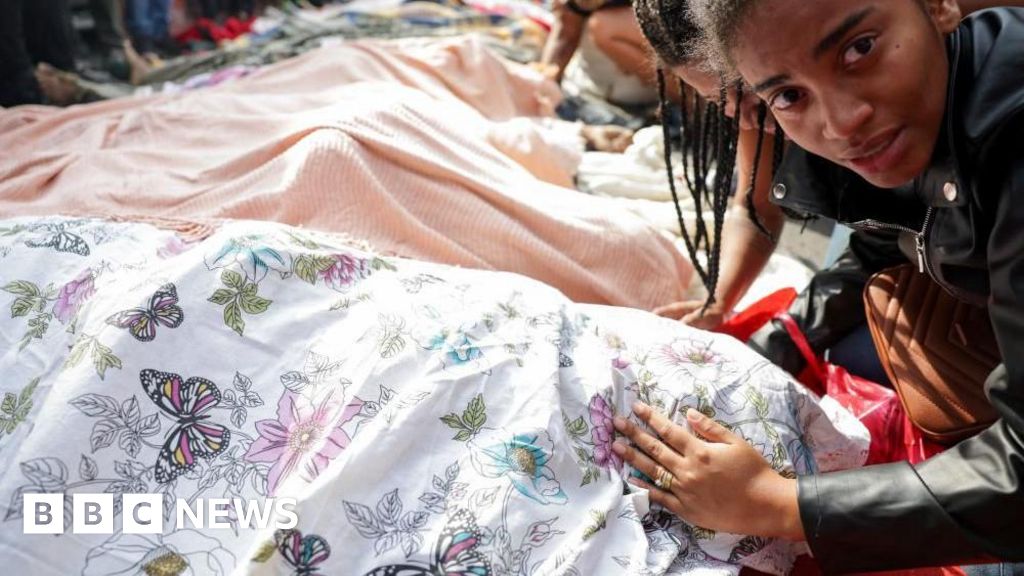
The recent police operation in Rio de Janeiro has sent shockwaves not only across Brazil but across the global geopolitical stage. In a raid that resulted in the deaths of at least 132 civilians, authorities targeted the notorious gangs that dominate the city’s favelas, revealing a complex and violent struggle for control that extends well beyond local law enforcement. The operation, which involved meticulous planning and high-profile arrests, underscores a broader challenge faced by Latin America: the persistent, deeply rooted problem of narco-terrorism. As international observers and human rights organizations voice their concerns, the incident highlights how the fight against organized crime here is intertwined with national sovereignty and international security.

Adding fuel to the fire, global agencies like the United Nations Human Rights Office issued statements condemning the scale of violence, describing the operation as “horrifying” and a stark reminder of the brutal realities facing many urban centers entrenched in the war on drugs. The police claimed that gang members utilized modern drones to drop explosives, exemplifying the evolving nature of organized crime in a digital age. Rio’s governor, Cláudio Castro, framed the operation as a strategic move against what he characterized as narco-terrorism, emphasizing that the police had been thorough in planning, aiming to decimate the Red Command—a powerful cartel that has recently regained territory from rivals like the First Capital Command (PCC). However, critics argue that such heavy-handed tactics risk escalating violence and undermining civil liberties, raising questions about the right balance between security and human rights within Brazil’s democratic framework.

Many analysts, including historians and crime experts, view this event as a key inflection point for Brazil’s internal security politics. Rafael Soares, a prominent journalist covering organized crime, suggests that the operation is also a strategic move on behalf of the state to make a political statement ahead of upcoming elections. He points out that fierce territorial disputes between rival gangs in Rio have become increasingly violent, fostering a climate of lawlessness that prompts major cities worldwide to scrutinize their own approaches to urban crime. These tensions are compounded by environmental and social concerns, as the operation comes just before the city hosts the C40 World Mayors Summit and the Earthshot Prize—events that symbolize global efforts for sustainable urban development. Thus, the outcome of this police actions has the potential to influence international perceptions of Brazil’s future stability and the credibility of its leadership on the world stage.

As the dust begins to settle, the world must confront the stark truth: the struggle for control in Rio de Janeiro is a microcosm of broader geopolitical conflicts—one where power, influence, and resources are fiercely contested in the shadows of justice. This relentless cycle of violence and intervention leaves history’s gaze fixed on a city caught between chaos and order, its fate hanging in the balance. With the international community watching, the question remains not just about the fate of the gangs or the city’s residents, but about the moral and strategic dilemmas facing governments fighting to preserve sovereignty amidst the chaos of the 21st century. The battle for Rio’s soul continues, and history’s ink is yet to fully write its final chapter.

Michigan Mormon church shooting leaves 2 dead, many hurt—community shaken

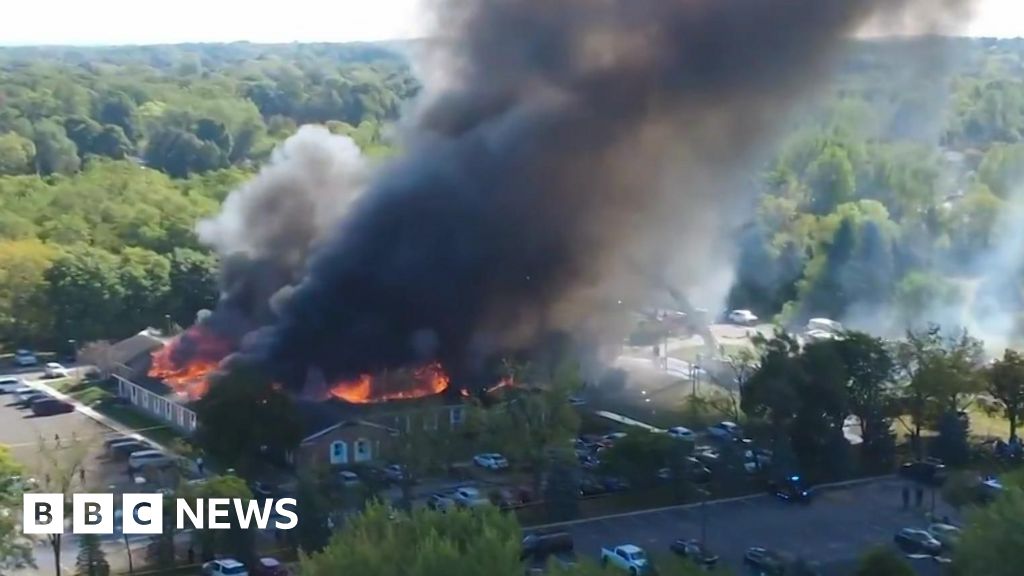
The recent attack on the Church of Jesus Christ of Latter-day Saints in Michigan marks a disturbing trend within the United States that extends beyond its borders, highlighting an alarming rise in domestic violence incidents targeting religious institutions. According to authorities, a 40-year-old suspect, identified as Thomas Jacob Sanford, drove a vehicle into the church during a Sunday service, subsequently opening fire with an assault-style rifle. The incident resulted in at least two fatalities, with several more wounded, illustrating the stark reality of violence that continues to threaten societal stability. While immediate law enforcement responded swiftly, the attack underscores deep-rooted issues concerning urban violence and mental health crises, which many analysts warn are exacerbated by ongoing social and political divisions.

  • Authorities confirmed the suspect was shot dead by police within minutes, yet the chaos left a trail of destruction and trauma. The warning signs ahead of such tragedies are often overlooked; in this case, investigators are examining Sanford’s property and phone records, seeking to understand his motives. This event is not an isolated anomaly but part of a disturbing pattern that has seen places of worship become targets, as highlighted by U.S. President Donald Trump—who described the attack as “yet another targeted attack on Christians in the United States of America.”
  • Notably, the FBI has deployed 100 agents to aid in the investigation, reflecting the seriousness with which U.S. authorities are treating the incident. The immediate response and investigation demonstrate a state apparatus that remains committed to defending its citizens, but the question remains: at what cost does this security come, and how does it reshape societal perceptions of safety? Historians and security experts warn that such tragedies threaten to ignite a cycle of fear and mistrust, especially when linked with ideological or psychological motives.

The geopolitical implications of domestic violence are often underestimated, yet they carry profound consequences on the international stage. The United States, as a global leader, faces increasing scrutiny over its internal stability, with foreign observers questioning whether such internal fissures weaken its influence abroad. The rhetoric from national leaders, while aimed at unity, often grapples with the realities of a society frayed at the seams. Prominent voices—including analysts from international organizations—note that these violent episodes threaten to undermine America’s moral authority and global credibility, especially as conflicts elsewhere continue to escalate.

Furthermore, the incident in Michigan reignites debates surrounding gun control legislation and religious freedom. Critics argue that such violence is symptomatic of a broader cultural crisis, where ideological extremism and mental health neglect fuel these tragedies. The escalating violence in public spaces echoes concerns voiced by historians warning that repeated cycles of violence could reshape national identity, stretching the fabric of societal cohesion. As investigations continue and communities grieve, the world watches — ponderously aware that each event, each line in history, can alter the delicate balance of peace and chaos.

Ultimately, as history unfolds in real time, the tragedy in Michigan is more than a local crime; it is a stark reminder of the enduring struggle for moral clarity amid suffering, and the choices nations face when confronting internal divisions. The weight of this moment rests not just on the lives lost or wounded but on the collective resolve to confront a rapidly changing world with resilience and resolve. As the world turns its gaze toward the horizon, the question remains—how will nations and societies respond when the shadows of violence stretch ever longer? The answer awaits in the coming days, shaping the legacy of now amidst the unceasing march of history.

Social Media Auto Publish Powered By : XYZScripts.com



