Matox News

Truth Over Trends, always!

US-Israel Tensions with Iran: Netanyahu Predicts Long Conflict as IDF Warns Lebanese Civilians

Global Tensions Escalate in Middle East Conflict Amid US, Israeli, and Iranian Actions

The recent surge in military activity across the Middle East signifies a critical turning point in international relations, with USA forces claiming to have destroyed key Iranian Revolutionary Guards command facilities, missile launch sites, and air defense capabilities. This development marks a significant escalation in the ongoing US-led campaign against Iran, directly targeting its military infrastructure in what officials describe as “decisive action” against an “imminent threat.” According to US Central Command, these operations are part of a sustained effort to dismantle Iran’s ability to arms terrorist networks outside its borders and prevent further regional destabilization.

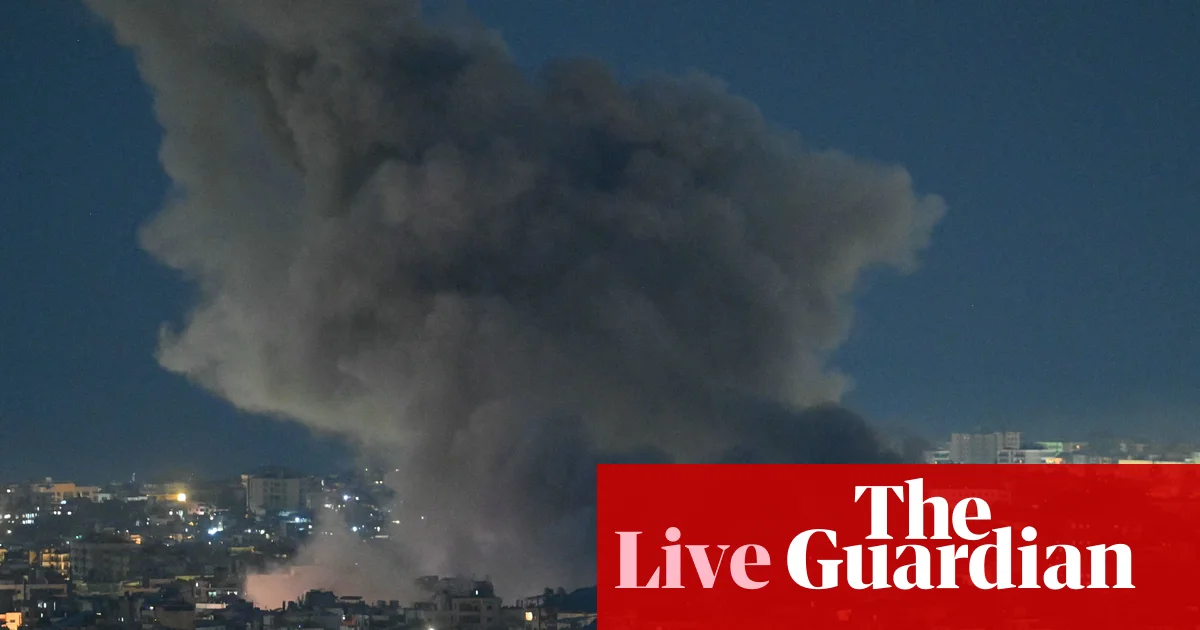
In parallel, the Israeli military has engaged in extensive strikes against Tehran and Beirut, while issuing evacuation orders for strategic locations in Lebanon amidst fears of imminent hostilities. This coordinated campaign underscores a broader geopolitical shift, intensifying the confrontation and risking broader regional chaos. Israeli Prime Minister Benjamin Netanyahu has publicly stated that this war may take “some time,” but assured it won’t be an “endless conflict,” emphasizing a desire for swift, decisive victory. Analysts, including those at the Council on Foreign Relations, warn that these aggressive postures threaten to ignite a broader war involving multiple state and non-state actors.

Strategic Ramifications and International Response

Amid the mounting military engagements, the region has plunged into disarray. The US has ordered all citizens to evacuate over a dozen Middle Eastern countries, including Saudi Arabia and the United Arab Emirates, citing rising risks of further attacks and diplomatic instability. The Saudi embassy in Riyadh was reportedly struck by drones early Tuesday, causing a fire and leading to a temporary diplomatic closure—a stark reminder of how quickly regional security can unravel.

Further complicating the situation, Iran’s Revolutionary Guards claimed a drone and missile attack on a US air base in Bahrain, asserting that they destroyed the base’s main command headquarters—a move likely to provoke retaliatory strikes. International organizations such as the UN have expressed concern, urging de-escalation, but their calls seem overshadowed by hardened rhetoric and ongoing hostilities. Meanwhile, the strategic choke point of the Strait of Hormuz, vital for oil and gas shipments, hangs in the balance after threats from Iran to close navigation, risking a potential global energy crisis. The U.S. military remains cautiously optimistic, asserting the Strait remains open, but the threat of escalation looms large.

Projection of War and the Shift in Global Power Dynamics

As the conflict continues to spiral, former Secretary of State Marco Rubio stated that the “hardest hits” are yet to come, hinting at a prolonged and punishing campaign against Iran. Meanwhile, President Donald Trump has laid out broad objectives, including dismantling Iran’s missile capabilities, naval forces, and nuclear ambitions—all with an eye toward curbing Iran’s regional influence.

Historian Samuel Huntington and geostrategic analysts warn that this conflict risks reshaping the global power balance. Worst-case scenarios include a broader regional war, economic turmoil, and centering the Gulf’s geopolitical importance in American and allied foreign policy for decades to come. How nations respond in these critical moments will determine the nature of international stability in the years ahead, with the weight of history pressing heavily upon these decisions. As the echoes of drone strikes, evacuations, and military escalations reverberate across capitals, the world stands at a precipice. The unfolding story of the Middle East’s chaos may well forge a new era—one defined by confrontation, resilience, and the relentless pursuit of national interests amid the uncertainty of a world still on the edge of war.
Lebanese Civilians Hit by Israeli Strikes as Tensions Rise

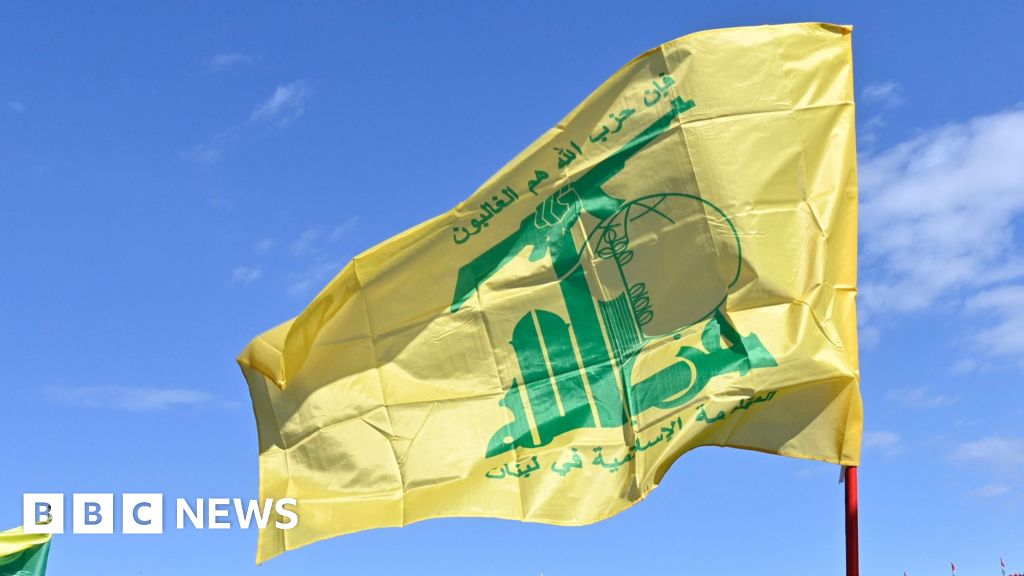
The recent escalation of military activity in Lebanon has taken a significant turn, as reports confirm that a senior Hezbollah official was among those killed in airstrikes targeting the Bekaa Valley and southern Lebanon. This development signals a notable intensification in the ongoing regional conflict, raising urgent questions about the future stability of Lebanon and its implications for broader Middle Eastern geopolitics. The strikes, which struck at the heart of Hezbollah’s operational zones, underscore the growing involvement of external powers, notably Israel and potentially allied nations, in Lebanon’s volatile landscape.

Historically, Hezbollah has been a formidable actor within Lebanon, wielding considerable influence that extends beyond mere military might to include political and social dominance. The loss of key figures within its ranks, particularly senior officials, could significantly weaken its organizational capacity and alter the power balance within Lebanon. Such actions, analysts warn, might ignite an even more intense cycle of violence, with ramifications resonating across regional borders. International organizations, including the United Nations, have reiterated calls for restraint amid fears that this cycle of escalation could spiral into a wider conflict involving multiple regional actors.

In the broader context, this airstrike underscores a shift in regional dynamics whereby external interventions seem increasingly designated to curb Hezbollah’s influence, which states and analysts often describe as a significant destabilizing force. One key turning point has been the rising tension over Iran’s backing of Hezbollah, viewed by many Western and regional powers as the primary catalyst for the militia’s sustained military capacity. The chances of this incident triggering a broader confrontation are compounded by the fact that Lebanon remains fragile—economically devastated, politically fractured, and highly susceptible to external pressures. Historians warn that past conflicts in Lebanon demonstrate how external interventions tend to escalate asymmetric warfare, jeopardizing civil peace and prolonging instability.

The geopolitical impact of this event cannot be overstated. It signals potential shifts in alliances—particularly concerning Israel’s strategic posture in the region, which has long viewed Hezbollah as a primary security threat. In response to recent developments, regional powers are watching closely, aware that such incidents could serve as precursors to larger conflicts. Meanwhile, international actors such as the United States have called for restraint, cautioning against actions that could deepen regional chaos. The turning point in Lebanon’s ongoing struggle exemplifies how narrower conflicts can cascade into broader regional crises, impacting global stability.

Crucially, the death of a senior Hezbollah figure leaves scars that could be felt beyond Lebanon’s borders, echoing in geopolitical chessboards far from Beirut. As history’s pages continue to turn, nations watch anxiously—aware that each decision, each strike, carries the weight of the future. The unfolding story in Lebanon remains a stark reminder of how fragile peace is in a region where the stakes are nothing less than the fate of entire societies—left to be shaped or broken by the relentless tides of history currently in motion and yet to come.

Gaddafi’s Youngest Son Freed After a Decade in Lebanese Detention

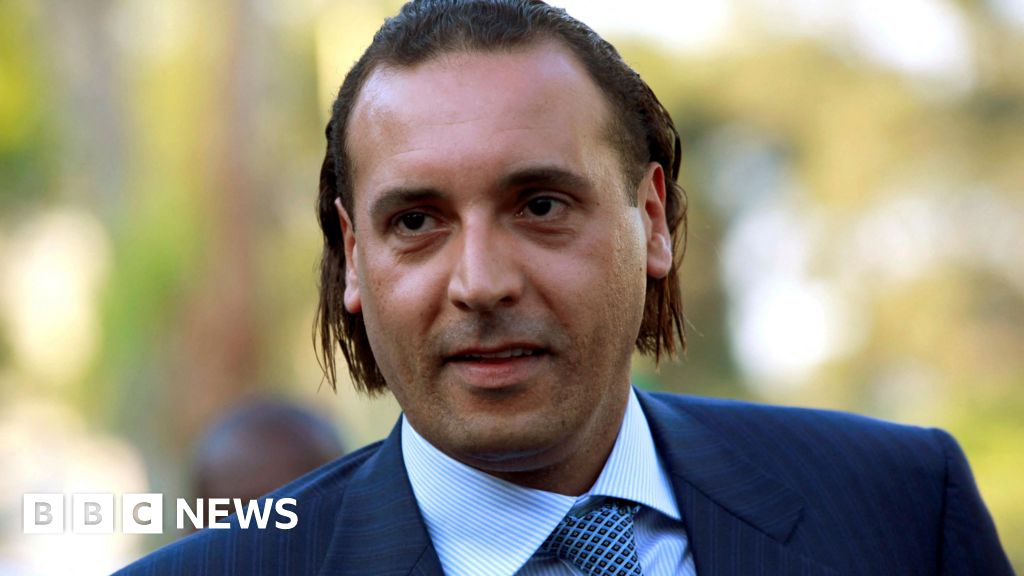
Hannibal Gaddafi, the youngest son of the late Libyan dictator Muammar Gaddafi, has recently been released from nearly a decade of detention in Lebanon, marking a noteworthy chapter in the complex geopolitical aftermath of the Arab Spring. His liberation after ten years underscores shifting paradigms within Middle Eastern politics, while also spotlighting the lingering shadows of regional conflicts and international interests. Despite the controversial circumstances surrounding his detention—initially linked to accusations over the disappearance of a Lebanese Shia cleric in 1978—his release raises questions about the influence of external forces and the fragility of justice in politically charged environments.

  • In 2015, Lebanese authorities detained Gaddafi, alleging he concealed information related to the longstanding disappearance of Musa al-Sadr, a pivotal figure in Lebanese Shia politics. However, human rights groups condemned these accusations as politically motivated, emphasizing potential abuses of Lebanon’s justice system. The legal proceedings, involving hefty bail amounts and appeals, illuminated how geopolitical scars still impact judicial independence across the Middle East and North Africa. His release was facilitated after a reduction in bail to approximately $900,000, marking the end of a chilling chapter for the Gaddafi family, which remains entangled in regional tensions and geopolitical rivalries.

Analysts from international institutions and historians have pointed out that Gaddafi’s detention and subsequent release exemplify the enduring influence of authoritarian legacies and regional power struggles. The shifting sands of Middle Eastern geopolitics, particularly the fall of Muammar Gaddafi in 2011 and the ensuing chaos, have profoundly affected legal and political systems across the region. Libya’s ongoing chaos has created a vacuum exploited by various factions, complicating diplomatic efforts toward stability. Meanwhile, Lebanon’s internal divisions have periodically spilled over into international disputes, particularly surrounding historical grievances like al-Sadr’s disappearance, which remains unresolved and a source of persistent tension. These tensions are emblematic of a broader, intertwined geopolitical battle in which external powers often manipulate regional actors to serve their strategic interests.

Despite Gaddafi’s transient presence as an individual, his case symbolizes broader ideological and political currents shaping the Middle East and Mediterranean. The decision to release him—amidst whispers of behind-the-scenes negotiations and shifting alliances—reflects the fragile balance of power and the influence of international actors like France, Italy, and the United States. The consequences of such decisions are profound, as they reverberate through diplomatic channels, influence regional stability, and impact local societies. The long shadow of Muammar Gaddafi’s rule—once a formidable force on the world stage—continues to cast a pall, as his legacy remains a potent symbol of both Arab nationalism and authoritarian resistance, now competing with new regional dynamics.

As international observers, including analysts from the United Nations and independent think tanks warn of the unstable trajectory of Middle Eastern geopolitics, Gaddafi’s release serves as a sobering reminder of history’s ongoing unwritten narrative. The unfolding story—the return of a figure once seen as a symbol of strength—may portend new challenges for regional stability and global diplomacy. In a world where alliances are ever-shifting and old grievances simmer beneath the surface, the echoes of this release will resonate far beyond Lebanon and Libya, inscribing yet another chapter in the relentless march of history’s tumultuous tide.

Social Media Auto Publish Powered By : XYZScripts.com



