
Controversy Surrounds Music Legend Smokey Robinson Amid Allegations and Legal Battles
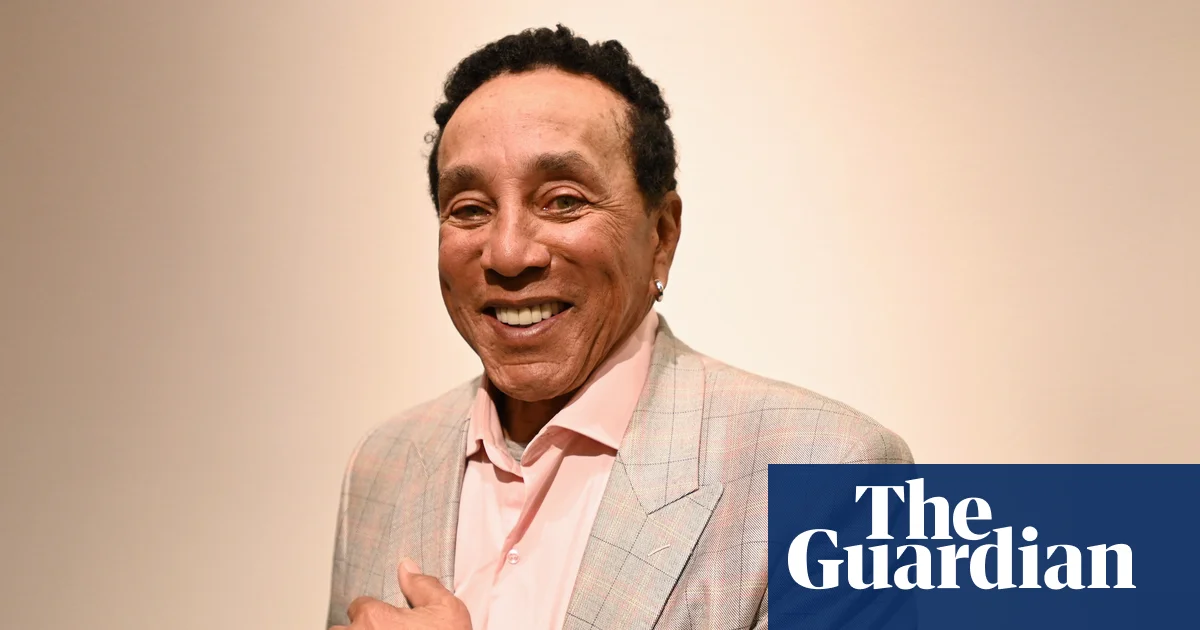
The music industry’s legendary figure, Smokey Robinson, faces a rising tide of legal and ethical challenges that threaten to cast a long shadow over his storied career. Allegations of sexual assault have now been leveled against the 85-year-old icon by additional former employees, including both men and women. These accusations come amidst a broader context of increased scrutiny over power abuse and misconduct in the entertainment sector. The recent addition of two anonymous accusers to a pending lawsuit underscores the gravity and complexity of the allegations, which have already resulted in a high-profile legal confrontation.
The allegations describe disturbing incidents involving Robinson’s conduct, with one former male employee claiming he was exposed to inappropriate behavior and attempted sexual contact, while a female housekeeper alleges persistent attempts to coerce physical acts from her during personal moments. Robinson’s lawyer, Christopher Frost, dismissed these claims as part of a alleged conspiracy, asserting that the accusations are designed to generate adverse publicity and financial gain for the plaintiffs. Such rhetoric echoes a pattern often seen in high-profile cases, where defenses frame allegations as malicious attempts at extortion, complicating the quest for truth and justice amid an age of relentless media scrutiny. How these allegations influence the legacy of a cultural icon remains a subject of intense debate among analysts and historians alike.
International Implications of Legal and Social Reckoning
The controversy surrounding Robinson transcends national borders, as his ongoing performances at events like the UK’s Love Supreme jazz festival and London’s Eventim Apollo continue despite the allegations. This raises important questions about international cultural diplomacy and the societal appetite for distancing art from the artist amid serious accusations. Decisions made at this crossroads can serve as a reflection of broader societal values—whether to separate artistic achievement from personal misconduct or to hold cultural icons accountable for their actions. Democracy and justice advocates warn that silence or inaction amid such allegations could embolden misconduct, while defenders of Robinson’s legacy argue for due process and the presumption of innocence.
Global institutions and legal experts emphasize that the case exemplifies a wider trend: the erosion of unchecked immunity traditionally granted to celebrities and influential figures. The MeToo movement has significantly reshaped norms, compelling society to confront uncomfortable truths about power and exploitation. Analysts have noted that this case underscores the importance of legal transparency and victims’ rights, contrasting sharply with claims of conspiracy and profiteering made by Robinson’s representation. The international scene watches closely, as the outcome may influence policies and societal attitudes toward celebrity accountability in a rapidly changing social landscape.
The Weight of History and the Unfolding Saga
As the legal battle unfolds, Smokey Robinson’s legendary musical legacy remains influential, but now intertwined with enduring allegations that threaten to redefine his public narrative. Recognized for iconic hits with The Miracles and groundbreaking contributions to the Motown sound, Robinson’s music has become a cornerstone of American cultural history. Yet, in a time where societal values demand accountability, his story exemplifies the complex intersection of fame, morality, and justice. This turbulent chapter in Robinson’s life leaves a haunting question: will history remember him solely for his artistic genius, or as a symbol of accountability in an era of social change? With each legal development, society inches closer to a verdict that could reverberate far beyond the stage, echoing through the annals of history as a pivotal moment where personal conduct and societal expectations collide.