
Cameroon’s Election Crisis Sparks International Concern
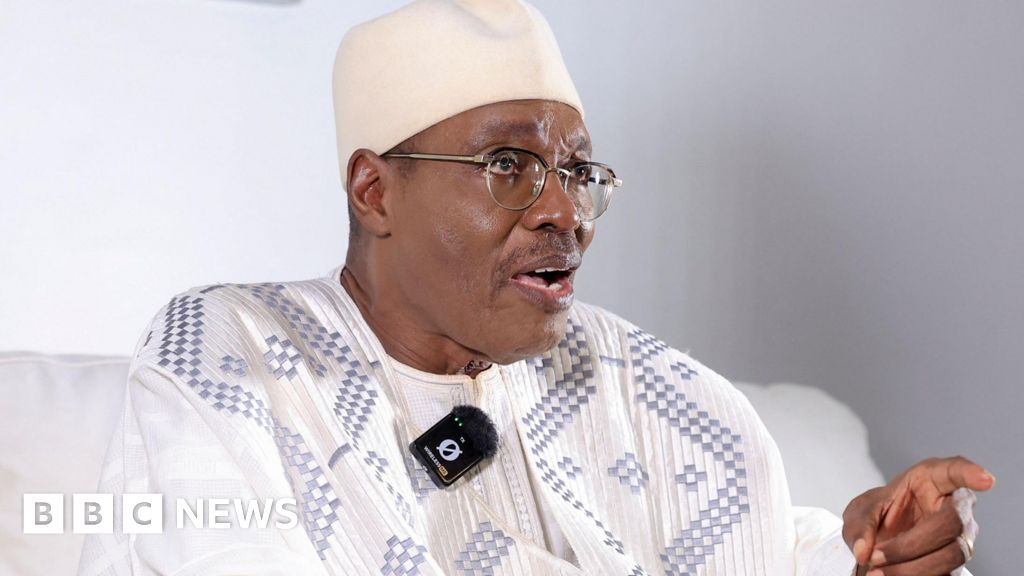
In Cameroon, a nation grappling with multiple internal conflicts, the recent presidential elections have plunged the country into a tense political crisis. Opposition leader Issa Tchiroma Bakary, who has audaciously declared himself the winner of the 12 October vote, presents a fierce challenge to President Paul Biya, who has maintained power for over four decades. Tchiroma Bakary’s claims are anchored in an assertion that he and his team have meticulously compiled results from individual polling stations, demonstrating a clear victory margin. However, the ruling party dismisses these allegations, emphasizing that only the Constitutional Council has the authority to declare official election outcomes, underscoring the deep divisions within Cameroon’s political landscape.
Historically, Cameroon has faced the complex goal of balancing internal stability with democratic processes. Analysts warn that the current situation, marked by contested results and accusations of ballot-stuffing, threatens to ignite fresh waves of unrest. Tchiroma Bakary, a former government minister who has broken ranks with long-serving President Paul Biya, has openly challenged the legitimacy of the electoral process. His declaration of victory and call on supporters to defend their votes drift dangerously close to undermining constitutional order. As Tchiroma Bakary boldly states that he has already won and urges the public to resist perceived election theft, fears escalate over potential violence or even a breakdown of law and order—especially considering the country’s ongoing separatist conflict in the Anglophone regions and Boko Haram insurgency in the Far North.
The International Response and the Road Ahead
Global observers and international organizations, such as the Economic Community of Central African States (ECCAS) and the United Nations, monitor the escalating crisis closely. Their warnings emphasize that peaceful resolution depends on a transparent and constitutional process, rather than unilateral declarations that threaten fragile stability. The highly respected Catholic Church in Cameroon has issued a cautious appeal for calm, urging the authorities to ensure that the final results genuinely reflect the will of the people. Their intervention highlights how societal institutions can serve as buffers amid chaos, but also how easily faith in the electoral process can be fractured when claims of illegitimacy are publicly expressed.
As constitutional lawyers and historians analyze the unfolding events, some argue that the integrity of electoral institutions is paramount for safeguarding citizenship rights and national cohesion. Others warn that dismissing official results may delegitimize the entire democratic process, risking a cycle of unrest that could spiral beyond Cameroon’s borders into the broader Central African region. The international community remains divided, with some calling for calm and adherence to legal channels, while others hint at possible sanctions or diplomatic pressure to prevent further destabilization. The critical question remains: can Cameroon navigate this turbulence without descending into chaos, or will these contested elections become a catalyst for a deeper crisis?
The Weight of History and the Unfolding Future
Cameroon’s current election turmoil echoes a broader trend seen across the continent—where prolonged leadership, perceived electoral manipulation, and ethnic and regional tensions converge to threaten fragile nations. As historians and political analysts warn, history often repeats itself when citizens lose trust in their electoral institutions and resort to force or rebellion. With the specter of violence looming, the question arises: how will Cameroon’s leaders, societal institutions, and international allies act in the coming days?
While the political rhetoric surges and the streets remain tense, the true test lies ahead: will the voice of the ballot be respected, or will history record yet another chapter of contested power and broken promises? The future of a nation at a crossroads hangs in the balance, waiting to see whether this crisis can be a turning point for genuine democratic reform or only the prelude to a new epoch of instability—a chapter still being written by the relentless march of history.