Matox News

Truth Over Trends, always!

Grand Jury Won't Re-Indict Letitia James After Judge Dismisses First Case
Grand Jury Won’t Re-Indict Letitia James After Judge Dismisses First Case

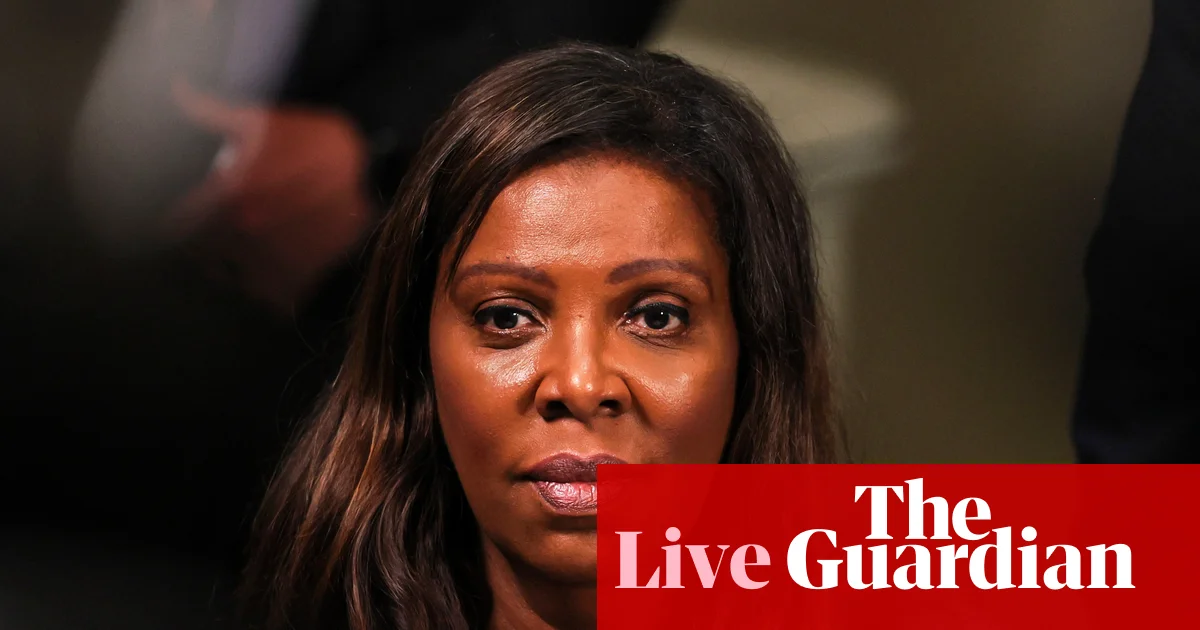
In a noteworthy development that echoes the ongoing internal struggles within the United States’ legal and political landscape, the case against Letitia James, the New York Attorney General, has taken a dramatic turn. A grand jury recently declined to indict her, effectively halting the federal prosecution against one of the sharpest critics of former President Donald Trump. This sequence of events illustrates not only the volatile nature of American internal politics but also highlights the intricate web of legal authority and its potential to influence international perceptions of U.S. justice. The decision comes shortly after a federal judge invalidated a similar mortgage fraud case, citing procedural irregularities, which raises serious questions about the @rule of law within the American legal apparatus@.

Historically, judicial decisions and prosecutorial appointments have often been intertwined with political influence, especially when high-profile figures such as James, who has played a pivotal role in anti-Trump litigation, are involved. The case initially charged James with multiple counts of bank fraud and false statements related to a Virginia mortgage in 2020, with prosecutors alleging she manipulated mortgage terms to gain a financial advantage. However, legal experts and former prosecutors have criticized the flimsy evidence allegedly backing this indictment, suggesting the real motive may be political rather than criminal. The case’s unraveling—further compounded by questions regarding the legality of the appointment of the prosecutor—underscores how internal power struggles can hinder the pursuit of justice and potentially set a precedent for other nations observing the stateside clash of legal interests.

Analysts and international organizations warn that these internal conflicts could **undermine the credibility of the U.S. justice system** on the global stage, especially in an era where American influence is increasingly contested. Historian and legal scholars note that the saga of James reveals how the combination of partisan appointments, procedural technicalities, and political silencing serve to weaken the core principles of an impartial legal system. The controversy over her appointment—being unlawfully extended after exceeding the 120-day Senate confirmation window—demonstrates that even the most powerful federal institutions are susceptible to internal legal contradictions. These developments not only compromise trust within the nation itself but also signal to allies and adversaries that the U.S. system is vulnerable to **politically motivated investigations and prosecutions**.

Beyond the corridors of power, this ongoing saga raises profound questions about how decisions within the U.S. influence relations with allies and adversaries alike. Countries that observe the American legal battles see a nation at a crossroads—its justice system increasingly viewed through the lens of partisan conflict. As international institutions and global analysts cautiously monitor these battles, the potential ramifications extend beyond American borders, impacting geopolitical stability and alliances. The unfolding story underscores a stark reality: as U.S. internal conflicts persist and unfold with relentless intensity, history is writing itself into a new chapter that may challenge the very foundation of American authority and influence, leaving nations worldwide to wonder whether the home of liberty is still capable of upholding the rule of law or is merely succumbing to internal division.

Here’s a revised version of the headline with a moderate right-wing, youth-oriented tone: “The Lowdown on the Charges Facing New York AG Letitia James — What It Means for Youth and the Next Generation”

Turning Challenges into Opportunities for Inspiration

In a world where the headlines often focus on political battles and legal scandals, it’s easy to overlook the underlying lessons about resilience, integrity, and personal growth. The recent legal saga surrounding New York Attorney General Letitia James highlights a significant truth: life’s toughest moments are opportunities for reflection and transformation. While she faces federal charges related to a property in Virginia, her steadfast refusal to be silenced reminds us that maintaining integrity is a lifestyle choice, not just a legal stance. The case exemplifies the importance of becoming resilient in the face of adversity—a trait often championed by influential wellness and leadership experts like Brené Brown and Simon Sinek.

Much like the shifting landscape of global wellness trends, the focus on wellness as a holistic lifestyle encourages us to think beyond mere physical health. It’s about cultivating mental and emotional strength to navigate challenges, whether they involve personal setbacks or larger societal conflicts. When James describes her situation as a ‘desperate weaponization of the justice system’, she underscores a vital point: true wellness includes a resilient spirit capable of standing firm amidst turbulence. This mentality is essential, especially for the youth seeking purpose and direction — to see setbacks not as the end, but as catalysts for a deeper understanding of oneself and one’s values.

Inspiration from the Power of Purpose and Personal Impact

As young individuals focused on carving a meaningful life path, it’s crucial to draw inspiration from stories like James’s and the broader fight for justice and accountability. Her legal battles against powerful figures like Donald Trump and her efforts as an advocate uphold a fundamental principle: personal impact is achieved through perseverance and commitment to a cause greater than oneself. These narratives serve as a reminder that adopting a purpose-driven lifestyle isn’t just about personal success, but about fostering a society grounded in truth and accountability. Wellness experts remind us that meaningful engagement—whether through career, activism, or personal growth—fosters resilience and fuels our pursuit of impactful living.

  • Think of your lifestyle as your personal mission: align your daily routines with your values.
  • Challenge yourself to learn from setbacks, transforming them into avenues for growth.
  • Seek inspiration from those who stand up for justice and integrity, serving as role models in a tumultuous world.

A Reflection on the Journey of Embracing Challenges

As we reflect on the ongoing saga of justice, politics, and personal resilience, it becomes clear that our lifestyle choices influence not just ourselves but the collective fabric of society. The ongoing legal disputes serve as a narrative of persistence—the kind of resilience that demands we stand firm in our convictions, uphold our integrity, and aim for a life of purpose. Every setback, if approached with resolve and a growth mindset, becomes a step toward a life of true wellness and authenticity.

The journey of embracing these challenges is, in many ways, a reflection of the broader human experience — a continuous pursuit of growth, integrity, and self-awareness. Just as the legal battles of figures like James and Trump shape the political landscape, so too do our personal struggles shape our character. With each obstacle embraced and each lesson learned, we reinforce the foundation of resilience and purpose, shaping a future where wellness is not just a personal goal but a collective endeavor. For those committed to living with intention, life becomes a journey of discovery and empowerment—a narrative worth embracing with hope and unwavering resolve.

Letitia James Claims Trump’s Using Justice System for Personal Gain—US Politics in Flux

Global Geopolitical Tensions Escalate Amid U.S. Political Turmoil

In an era marked by deepening international instability, recent developments in the United States underscore how internal political strife can reverberate globally, challenging the delicate balance of power and alliance. As the nation grapples with a series of political indictments and legislative deadlocks, the flames of foreign policy crises threaten to ignite broader conflicts, strategically shifting the world’s geopolitical landscape.

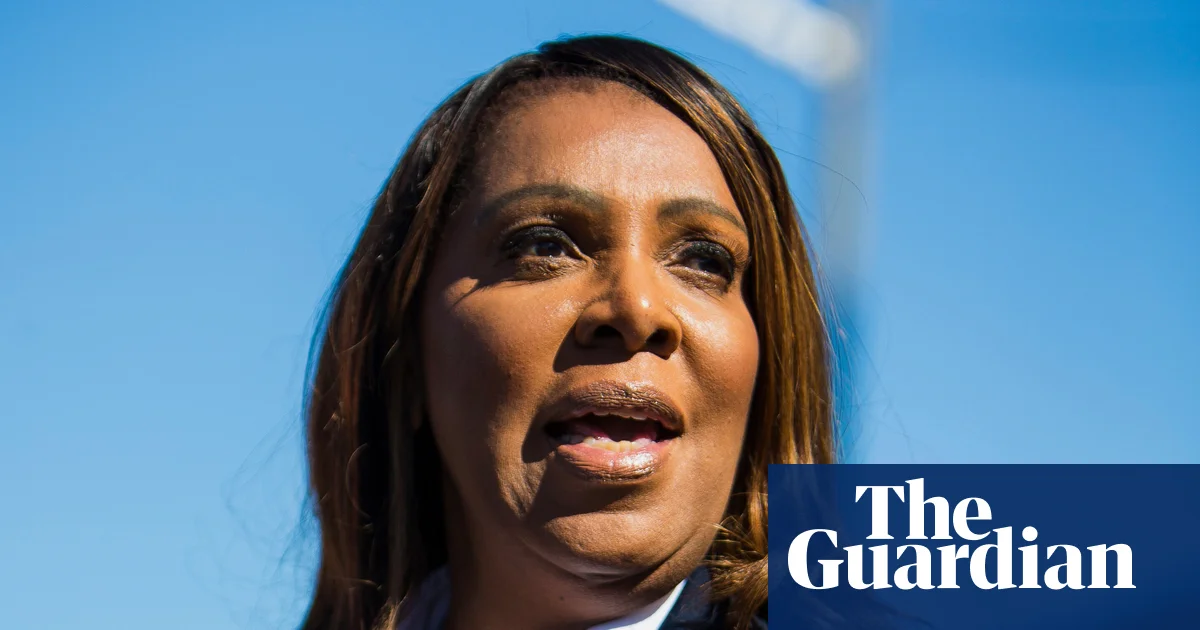
The indictment of Letitia James, the New York attorney general, exemplifies the ongoing strategy by President Donald Trump to weaponize the justice system against political rivals. Critics argue that this is a clear demonstration of how internal upheaval in the United States can be exploited to weaken its standing on the global stage. International analysts highlight that such internal conflicts diminish the U.S.’s moral authority, especially as it seeks to navigate crises like the Middle East turmoil or challenges from rival superpowers. Moreover, President Trump’s efforts to rival his previous diplomatic achievements, such as the contentious support for Israel with troop deployments and the failure to secure a Nobel Peace Prize, reflect a nation that is increasingly unpredictable and divided—a reality that complicates U.S. international commitments at a time of rising global tensions.

Meanwhile, the U.S.-Israel alliance faces new tests as American troops, initially deployed to support a ceasefire monitoring mission, have become a focal point of international concern. The decision to send 200 troops to Israel underlines the U.S.’s urgent pursuit to project power in the region after years of instability, but it also raises questions about escalation. Meanwhile, federal courts across the nation have issued rulings that hamper the deployment of National Guard troops, highlighting how domestic unrest can threaten international peace initiatives. These legal battles exemplify the ongoing struggle between legal authority and executive powers, revealing a nation where internal legal conflicts threaten to spill over into global diplomatic spheres.

The geopolitical impact becomes even more apparent as the world witnesses the U.S. remain deadlocked on domestic legislative issues: a government shutdown that not only compromises its internal stability but also dilutes its influence abroad. The Senate’s inability to pass crucial defense and budget bills signals to allies and adversaries alike that America’s commitments are shaky at best. Additionally, the warning from the head of America’s largest bank about the >possibility of a market crashem> underscores the rising economic instability that inevitably impacts nations worldwide. As international organizations observe these developments, the consensus among global taxonomies and think tanks is that the USA’s internal chaos emboldens competitors like China and Russia, who view the disarray as a strategic advantage.

As history continues to unfold, the lingering shadow of internal U.S. conflict raises a sobering question: How much longer can the world’s most powerful democracy maintain its gravitational pull without risking a broader collapse? The stages are set—alliances are tested, and the nation’s internal fissures threaten to become cracks that could fracture the global order. In this moment, the weight of history presses heavy on the collective conscience of nations across the globe, awaiting the next chapter in an unfolding saga of power, betrayal, and the relentless pursuit of control.

Social Media Auto Publish Powered By : XYZScripts.com