Matox News

Truth Over Trends, always!

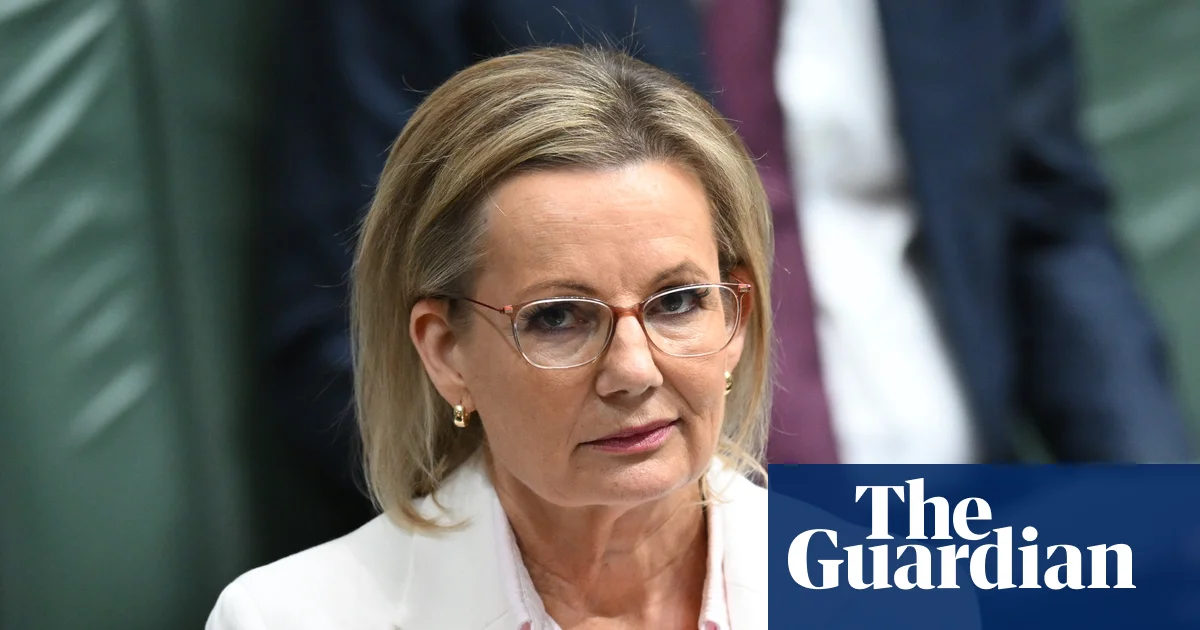
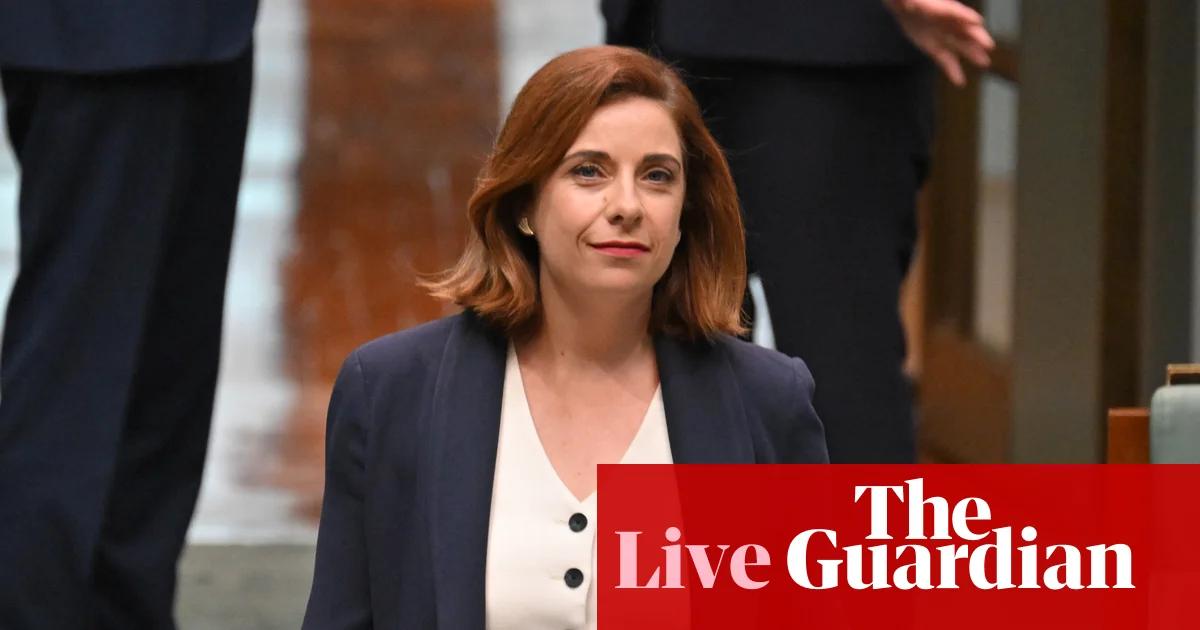
Australia news live: Bragg urges youth to support housing boom — says every backyard can host a new home or granny flat, tying Liberals’ future to housing growth

In a compelling display of how geopolitical decisions and national policy shifts ripple through societies, recent developments in Australia exemplify a nation grappling with internal challenges while positioning itself on the global stage. As the climate crisis intensifies, leading to devastating bushfires, and as domestic debates over housing affordability and social safety nets dominate political discourse, the international community watches with keen interest. The tragic loss of a firefighter at Bulahdelah underscores the vulnerability of Australian communities and the urgent need for both domestic resilience and international cooperation.

Within the political arena, the Liberal Party faces a generational crossroads. Shadow Minister Andrew Bragg, a leading moderate, openly links the party’s future to adopting a robust housing policy centered on upzoning and density reforms. At a Sydney conference, Bragg emphasized that short-term housing supply solutions—such as increasing density in single-family neighborhoods—could alleviate soaring prices and curb depopulation in traditional strongholds. This stance highlights a critical decision point for Australia’s policymakers: whether to prioritize economic growth and modernization or preserve entrenched community norms. Historians and analysts suggest that such policy shifts could have long-lasting effects on international perceptions of Australian stability, especially as the nation confronts its climate-induced emergencies.

Amid these internal debates, the ongoing bushfire crises reveal the international impact of environmental policies and resource management decisions. The death of a firefighter at Bulahdelah, along with the destruction of homes in Tasmania and NSW, serve as sobering reminders of how climate change exacerbates natural disasters, compelling Australia to reassess its commitments to climate resilience. The response by state leaders like NSW Premier Chris Minns and federal officials underscores the layered challenge of balancing immediate urban safety with long-term ecological strategies. According to climate analysts, Australia’s approach now could influence regional stability, resource allocation, and even migration patterns—effects that extend well beyond its shores.

Similarly, a domestic social crisis unfolds with the report that over 130,000 Australians with psychosocial disabilities remain unsupported—navigating a healthcare landscape fraught with gaps. The Grattan Institute advocates for a new national program to address this support deficit, emphasizing the importance of rebalancing resources both inside and outside existing frameworks. Such social policy choices are closely scrutinized within the broader international dialogue on social safety and human rights. As advocates and critics debate, the true test will be whether Australia can translate these internal reforms into a model for regional stability, showcasing resilience in the face of multifaceted crises and demonstrating leadership in global forums that emphasize social justice.

Finally, these domestic and environmental crises are a chapter in a larger unfolding narrative—one where geopolitical stability, climate adaptation strategies, and social cohesion become intertwined on the global stage. As international authorities advise caution and urge for collaborative solutions, Australia’s choices in policy, safety, and climate resilience will leave an indelible mark on history. The sacrifices of its emergency personnel, the debates over housing reform, and the ongoing battle against nature’s fury are not isolated incidents—they are the threads of a story that will define the resilience or vulnerabilities not just of Australia, but of the modern world itself. The pages of history are still being written, and the weight of this moment reverberates far beyond the shores of the Pacific.
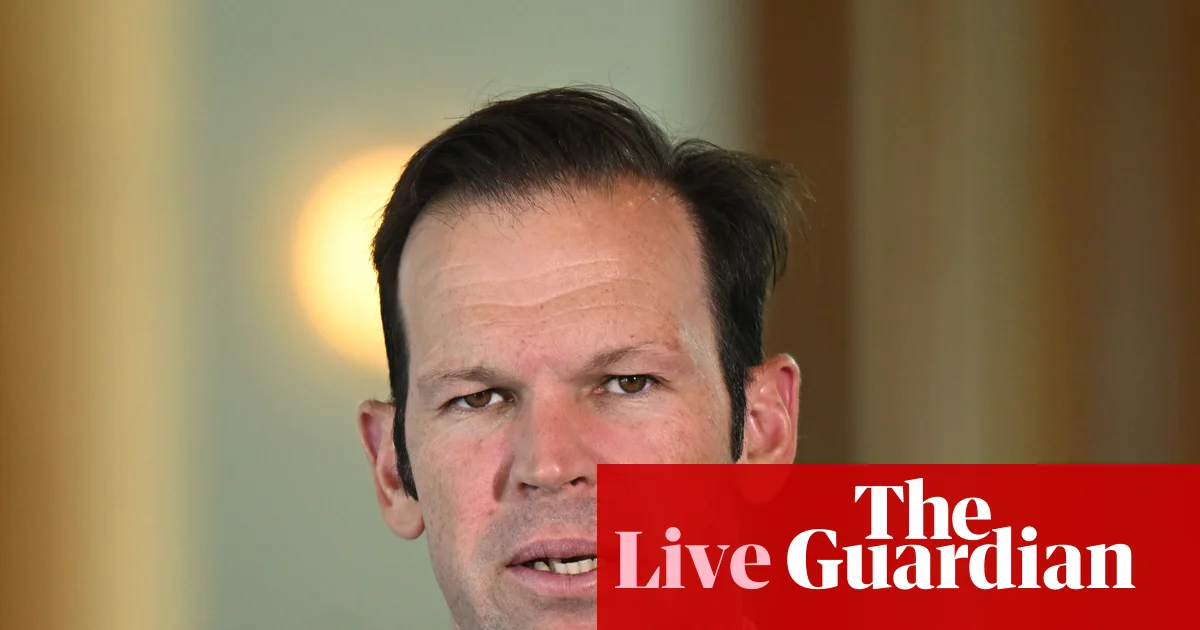
Australia news live: Canavan warns One Nation challenge to Liberals, BoM blames Covid for IT cost surge

In recent months, Australia has attracted international attention for its conflicting priorities in environmental investment and domestic politics. According to a new analysis by green advocate Market Forces, the nation’s top 30 superannuation funds hold approximately $33 billion in global fossil fuel companies — a figure that remains disturbingly high despite a slight decline from last year’s $39 billion. These investments not only underscore the nation’s continued support for major oil, coal, and gas conglomerates such as BHP and Woodside, but also highlight a broader reluctance among investors to shift vigorously toward renewable energy sources, despite clear evidence that renewable investments have historically outperformed fossil fuels. This troubling persistence of fossil fuel funding represents a significant geopolitical challenge: nations heavily invested in hydrocarbons may find themselves increasingly vulnerable to international shifts toward clean energy, thus risking economic instability in the face of global decarbonization efforts.

Meanwhile, the ongoing political landscape in Australia reveals a factional struggle with serious impacts on national policy. Matt Canavan, a prominent Nationals MP, has raised alarms about the rising popularity of One Nation, led by Pauline Hanson. His warnings articulate a concern that this populist, nationalist movement is not only threatening the traditional Liberal and National Party coalition but also expanding its influence into outer suburban and regional sections of the country. This shift is particularly disruptive because it challenges the long-standing geopolitical consensus regarding energy policy and economic development, with increasing calls within the political class to recalibrate Australia’s commitments to fossil fuels. Analysts suggest that such internal divisions could weaken Australia’s negotiating power on the global stage, especially amid mounting pressure from international climate policies and climate diplomacy. As historian Samuel P. Huntington warned, the face of modern conflict is shifting — and domestic political waves are as impactful as military conflicts in shaping global power distributions.

Costly Tech and Climate Commitments in Question

Simultaneously, the Bureau of Meteorology has come under heat for the staggering $96.5 million cost of its new website overhaul, a figure that provoked criticism amid reports of cost blowouts and underwhelming performance. The BoM, citing unavoidable inflation due to Covid-era economic conditions and official caps on public sector staffing, defends its expenditure as justified by the necessity for a robust, secure weather system capable of handling vast data flows. However, critics, including Senator Barbara Pocock, decry the project as a cautionary tale of contract mismanagement amidst a climate of public distrust. The controversy highlights the international pattern of infrastructure investments facing scrutiny under the shadow of pandemic-driven inflation and the urgent need for fiscal accountability. Analysts note that such misalignments threaten the credibility of climate and weather agencies, which are crucial in guiding policy decisions in an era of volatile climate variability and geopolitical uncertainty.

Ultimately, these intertwined narratives—a nation’s economic fossil fuel strategies, its turbulent political future, and the transparent handling of infrastructure investments—compose a complex tableau of national resilience and vulnerability. With each foreign investment decision, policy debate, and government expenditure, history’s weight grows heavier, quietly scripting the next chapter of a global competition shaped by energy, ideology, and technology. The planet’s political climate remains volatile, and the decisions made today echo into the distant corridors of power, where the future of nations, societies, and the very environment itself is being quietly wired into the fabric of history.

Liberals Drop Emissions Goals, But Ley Sees Net Zero as Still Possible Win | Australia News

Australia’s Climate Pivot: A Shift that Reshapes Global Emissions Commitments

In a move that reverberates beyond the shores of Australia, the federal opposition unveils plans to significantly alter its stance on climate change commitments, raising questions about geopolitical impact and the future of international climate cooperation. The decision to abandon legislated net zero by 2050 targets, once a cornerstone of global climate diplomacy under the Paris Agreement, signals a potential turning point in how nations approach their responsibilities amidst a climate crisis that refuses to pause.

The ruling Labor government’s push for deep emissions cuts faces opposition from the Liberal Party and its partner, the National Party. As Sussan Ley confidently defends the move as a means to prioritize energy abundance and the support for nuclear power, the international community watches with concern. The decision to sideline the legally binding targets while still claiming adherence to the Paris Agreement sets the stage for a potential breach of obligations, risking diplomatic fallout with entities like the United Nations Framework Convention on Climate Change (UNFCCC). Analysts warn that such a shift could undermine Australia’s credibility, tarnishing its reputation as a responsible global player and prompting other nations to reconsider their own commitments under the treaty.

Politics Over Climate: A Dangerous Precedence

  • Despite promises to hold onto the Paris commitments, the Coalition’s plan to scrap legislated emissions targets threatens to disrupt global efforts aimed at limiting temperature rise to 1.5°C. This divergence fuels concerns among experts and international observers, as the global community has relied on the consistency of national policies to craft effective climate strategies.
  • Historians and climate analysts highlight that such backsliding could encourage a wave of similar decisions by other countries, eroding the progress made since the signing of the 2015 Paris Agreement. The Climate Action Tracker reports that more than 145 nations are considering or have set net zero emissions targets, making Australia’s retreat a critical juncture that could ripple through global efforts.
  • The PM Anthony Albanese openly criticizes the Coalition’s stance, framing it as a rejection of climate science itself. Such rhetoric underscores how internal political dynamics can distort international obligations, potentially emboldening others to pursue similar strategies that prioritize economy over environment, with security and regional stability at risk.

Implications for Global Governance and the Future of Climate Negotiations

By choosing to reframe the climate debate around energy security and economic growth, Australia is shaping a precedent that may weaken future international negotiations. The United Nations and other multilateral institutions emphasize that compliance and transparency are central to global climate governance—something that could be compromised if major emitters abandon long-term targets. Experts warn that such shifts could signal to the world that commitments are negotiable, potentially unraveling years of diplomatic progress.

Specialists, including climate scientists and international relations scholars, gaze apprehensively at the unfolding events, recognizing that history is watching. As the global climate clock continues to tick toward catastrophic points of no return, the decisions made by Australia and its allies today could well set the stage for a future where the line between climate ambition and political expediency becomes irrevocably blurred. The story of this decision is still writing itself, and the weight of history now hangs heavy on its next chapters.

Australia News Live: Aurora Lights Up Sky After Solar Storm, Liberals Prepare New Energy Plan

International Turmoil and Ecological Crises Reshape Global Power Landscape

In an era marked by aggressive geopolitical shifts, nations are increasingly using environmental policies — or the lack thereof — as a battleground for influence and control. Australia, often regarded as a microcosm of broader international struggles, has become a prime example. Recent reports reveal that over 130 organizations, including influential groups such as 350.org and Friends of the Earth Australia, are demanding their government reject proposed reforms to the nation’s nature laws. Critics argue these changes threaten to regress decades of environmental protection, effectively putting profits ahead of planetary health. The stakes are high: how each nation’s internal decisions over conservation, energy, and climate action can resonate globally, shaping alliances and hostilities in the ongoing geopolitical theater.

  • More than 100 grassroots groups signed an open letter urging the federal parliament to oppose the Albanese government’s legislation, alleging it would diminish community rights and environmental safeguards.
  • The legislation, championed under the guise of streamlining approvals and empowering state authorities, simultaneously weakens public participation. Critics warn this serves corporate interests and jeopardizes Australia’s biodiversity, which in turn impacts regional stability and international reputation.
  • Meanwhile, the Liberal Party is contemplating abandoning its net-zero emissions target, a move that signals a potential shift away from climate leadership. The party’s internal debate, with Dan Tehan and Sussan Ley at the forefront, underscores a broader global trend: major powers wavering on commitments made during the Paris Agreement era, risking international credibility.

From the perspective of historians and analysts like Professor Peter W. Singer, such internal political battles reflect a deeper struggle: the battle for global narrative dominance. Countries that fail to act decisively on climate may suffer diplomatic isolation and economic repercussions, especially as international organizations like the United Nations emphasize sustainable development goals (SDGs). This shifting landscape has the potential to redraw alliances, with resource-rich nations prioritizing raw materials for energy independence, even at the cost of planetary health. The decisions that commence within national legislative chambers now ripple outward, influencing societal stability and the geopolitical balance of power in ways often unseen but profoundly felt.

Meanwhile, on the environmental front, celestial phenomena such as the recent display of the aurora australis and the geomagnetic storms caused by solar activity serve as stark reminders of Earth’s fragile connection to cosmic forces. The spectacular light shows in Victoria and the Blue Mountains, visible due to a severe solar storm, underscore nature’s unpredictability—paradoxically highlighting the urgency for human responsibility. As space weather experts warn of increasing solar activity, the mounting evidence compels nations to prepare for environmental crises that transcend borders. Whether it be climate-induced disasters or space-borne threats, the narrative of humanity’s future is intertwined with understanding Earth’s place in an active universe—an awareness that must drive a responsible and united approach to planetary stewardship.

The Oncoming Era of Change

As the Australian internal debates spill into global consciousness, the broader question emerges: which nations will seize the opportunity to lead the charge in sustainable development, and which will retreat into outdated paradigms of exploitation? Historians warn that indecisiveness or capitulation to corporate interests today may result in the erosion of environmental rights, leaving future generations to face the consequences of short-term gains. Whether the global order leans towards an era of cooperation or descends into conflict over dwindling resources remains to be seen. Yet, the unfolding chapters of this story, written in leadership decisions and societal responses, suggest that humankind stands at a crossroads—where every policy, greater or smaller, could sway the course of history for decades to come.

In the shadow of celestial displays and nuclear debates, the weight of history persists—an unyielding reminder that Earth’s future depends on the actions we choose today. Humanity’s story remains unwritten, an ongoing odyssey dictated by the bravery or cowardice of those who hold the pen.

Australia News Live: Hewson Slams Ley’s Liberals, 9,500 New Uni Spots Announcement

In a world where geopolitical impact constantly reshapes the balance of power, recent international developments have underscored the fragility and complexity of global alliances. From the simmering tensions in the Asia-Pacific to the strategic recalibrations in Europe, nations are navigating a landscape riddled with challenges that threaten stability. Central to these shifts are decisions made by major powers that reverberate across societies and economies, often with profound consequences.

One of the most consequential international shifts involves the increasing assertiveness of China in asserting territorial claims and expanding its influence through initiatives like the Belt and Road. Western analysts warn that such moves threaten regional stability and challenge the dominance of traditional powers. Meanwhile, Russia’s ongoing conflict in Ukraine continues to destabilize Eastern Europe, forcing NATO to reconsider its strategic posture. Experts from the International Crisis Group highlight that these actions not only escalate tensions but also reshape alliances, compelling nations to adapt in ways that could redefine the post-Cold War order.

Additionally, U.S. foreign policy under the current administration emphasizes recalibrating relations with traditional allies while confronting emerging threats. The recent decisions to strengthen military presence in the Indo-Pacific and to invest significantly in cyber and space warfare measures are widely seen as attempts to maintain global leadership in an era of technological competition. However, such measures have not been without controversy, sparking debates about the future of international diplomacy and the potential for conflict escalation. The consequences of these decisions extend beyond geopolitics, directly affecting the security and economic stability of nations worldwide, particularly vulnerable smaller states caught in the crossfire.

The European Union faces its own set of challenges, negotiating a fragile balance between economic growth and environmental commitments. The recent climate policy negotiations exemplify this tension. As member states grapple with the push for greener energy sources, the divide between nations prioritizing economic stability and those advocating for aggressive climate strategies remains stark. Analysts warn that failure to establish cohesive policies could weaken the EU’s global influence and undermine its internal cohesion. Similarly, the ongoing migration crisis intensifies societal divides, prompting leaders to reconsider immigration policies that have far-reaching consequences on national identity and security.

At this pivotal juncture, historians posited by the Council on Foreign Relations warn that the decisions made in these high-stakes moments will be etched into the annals of history. How the world’s great powers manage their strategic interests in the coming years will determine whether peace prevails or if chaos erupts anew. Each move carries the weight of history, and how nations choose to respond to these crises will shape societies for generations to come. As the global stage stands at the crossroads of conflict and cooperation, the true test lies in the resilience and vision of leadership, faced with a future that remains uncertain yet undeniably critical.

Liberals worry Ley's net zero pledge risks controlling the agenda as push grows to scrap emissions promise — Coalition responds
Liberals worry Ley’s net zero pledge risks controlling the agenda as push grows to scrap emissions promise — Coalition responds

In a climate policy debate that highlights the profound internal divisions within the Australian Liberal Party, emerging tensions are illustrative of a broader global reckoning on energy security and environmental commitments. Opposition leader Sussan Ley finds herself caught between moderates and conservatives, as calls intensify for her to reconsider her party’s stance on net zero emissions by 2050. This debate, while localized, echoes a global scenario where nations grapple with the trade-offs of aggressive climate policies amidst economic and energy security concerns.

As Australia teeters on the edge of internal rupture, international analysts observe that such fissures are unlikely to be contained within national borders. Historian and geopolitical analyst Dr. Mark Thorne notes that “the domestic disputes over climate policy mirror the global power struggle, where nations are weighing their commitments to decarbonization against their geopolitical and economic realities.” Prominent global institutions, including the United Nations, have long advocated for urgent climate action, but the reality of energy dependence on traditional sources continues to challenge these lofty ambitions. In this climate, Australia’s internal debate about how far to push its net zero commitments could set a dangerous precedent, influencing other Western democracies in similar predicaments.”

The escalating debate in Australia underscores a scenario unfolding across Western nations: population unrest over skyrocketing energy costs and the perceived threat to traditional industries. Analysts warn that decisions made in Canberra do not just affect Australia’s domestic landscape but influence the geopolitical terrain—shaping alliances, trade policies, and international trust in commitments to climate change. The ideological clash over whether to prioritize climate targets or energy independence is creating ripples—potentially destabilizing coalitions and shifting the global balance of power, especially as China and India accelerate their development of fossil fuels without the same restrictions faced by Western countries.

Within Australia’s Coalition government, the debate over the future of climate policy is more than a political squabble, it is a symbolic fracas over the nation’s sovereignty and capacity to chart its own course. Prime Minister Anthony Albanese and his administration face mounting pressure to push forward on climate commitments, yet the rising tide of opposition—fueled by fears that policies could jeopardize economic stability—reflects a larger, more dangerous global trend: the clash between environmental ideology and national interests. Historians warn that such internal conflicts, if unresolved, risk undermining the credibility of Western democracies’ global leadership in environmental diplomacy. As international organizations like the IPCC emphasize an urgent transition, nations like Australia are caught in a storm of conflicting priorities.

Ultimately, the fate of Australia’s climate policy—and the tension-ridden debate that now defines it—serves as a stark allegory for an era where the battle for the soul of global leadership is being fought within national borders. As history continues to unfold, the decisions made today will resonate through the corridors of power for decades to come, echoing in the geopolitics of energy, sovereignty, and environmental stewardship. The weight of history presses down, leaving a vital question: which path will the world choose in this perilous balancing act—one shaped by ideology or by pragmatic sovereignty?

Australia Politics Live: Telcos Hit Harder But Liberals Must Move Beyond Howard Era, Hastie Warns

The recent developments in Australia’s national politics and policy landscape highlight the significant geopolitical impact of domestic decisions on regional stability and international perceptions. The Australian government’s move to escalate fines for telecommunications companies failing to connect users to the emergency triple zero service, now set at $30 million, underscores a notable shift towards reinforcing critical infrastructure accountability. This regulation, driven by bipartisan support from Labor and Coalition members, marks a clear message that corporate negligence in essential services will not be tolerated. As analysts from the International Institute for Strategic Studies observe, such measures reflect Australia’s intent to project strength and resilience, especially as it faces regional challenges and global scrutiny over public safety standards.

Simultaneously, the Australian Parliament has taken steps to increase transparency in telecommunications outages by mandating companies to maintain a public register of network disruptions that are updated in real-time. This proactive move follows the September outage incident involving Optus, which exposed vulnerabilities in Australia’s emergency response network. The decision to require ongoing transparency can be viewed as part of a broader strategy to bolster public confidence not only domestically but also in Australia’s role as a regional leader in digital infrastructure. This initiative signals a clear posture: the government prioritizes sovereignty over critical communications, ensuring that international partners and allies see Australia as committed to public safety and technological sovereignty. The U.S.-based National Security Council comments that such transparency measures may serve as a template for other nations seeking to safeguard their own emergency networks against cyber threats and operational failures.

At the same time, internal political struggles continue to shape the nation’s trajectory. Barnaby Joyce, a veteran figure in Australia’s conservative ranks, has indicated he will consider his political future over the upcoming summer, with speculation swirling over his potential joining of One Nation. Meanwhile, fellow nationalist figure Andrew Hastie has voiced warnings that the Liberal party can no longer navigate the political landscape by *living in the Howard era*. These internal debates carry profound geopolitical consequences—a fractured conservative bloc may weaken Australia’s stance on strategically vital issues such as climate policy and regional alliances. As political analyst Dr. Liu Zhang from Beijing’s Institute for International Studies notes, a divided Australian government could undermine the nation’s ability to act decisively on the international stage, particularly amid rising regional tensions with China and the Indo-Pacific.

Furthermore, these internal tensions, intertwined with the ongoing debate about Net Zero emissions, demonstrate how national policy decisions echo across borders. The Labor government’s firm stance on higher penalties for telcos and increased transparency reflects a broader push to demonstrate international credibility—particularly in the face of global climate commitments and regional security pacts. What remains at stake is not merely Australia’s domestic policy but its global standing as a stable, responsible actor in an increasingly uncertain international order. As global institutions like the United Nations scrutinize national commitments, the resolve—or wavering—of Australian leaders in such foundational issues will unavoidably influence regional trust and assertiveness. The course of these domestic struggles, political choices, and policy decisions are chapters in a larger narrative—the story of a nation navigating the tumultuous waters of a shifting geopolitical landscape, the outcome of which will shape history in ways yet to unfold, leaving the world watching with bated breath as Australia writes its next move.

Social Media Auto Publish Powered By : XYZScripts.com