Matox News

Truth Over Trends, always!

Thrilling Escape: How I Leapt 175 Feet into the Sea During the Piper Alpha Blowout — A Story of Courage and Survival | Life & Style

The tragic Piper Alpha disaster of 1988 stands as one of the most devastating industrial accidents in history, a stark reminder of the importance of rigorous safety standards and responsible management in high-risk industries. Located about 120 miles off the coast of Aberdeen, this North Sea oil platform was the heartbeat of global oil production at its peak, responsible for roughly 10% of the world’s oil and gas. Yet, beneath the promise of prosperity and energy independence lay a story of oversight and tragedy. The explosion and subsequent collapse of Piper Alpha resulted in the deaths of 167 crew members, with many survivors bearing scars — both visible and invisible — that symbolize resilience in the face of chaos. Today, lessons gleaned from this disaster continue to influence safety protocols and corporate accountability, echoing the importance of ownership of responsibility in the pursuit of progress.

Joe Meanen, a former scaffolder on Piper Alpha, vividly recounts the harrowing night he experienced. His account not only underscores the raw human toll but also highlights personal impact— the physical scars, mental trauma, and the quest for meaning after surviving an event that changed his life forever. As Meanen describes, the explosion caused the platform to disintegrate, and with smoke billowing and fires raging, practical survival became a matter of quick thinking and unyielding courage. He made the difficult decision to jump into the North Sea, a leap that defined his will to live, risking burns and injury to escape imminent death. His story embodies a core truth: amid adversity, the human spirit’s drive to survive and rebuild can convert tragedy into a catalyst for growth and renewal.

Post-accident, survivors like Meanen embarked on a journey of healing and remembrance. The aftermath of Piper Alpha prompted a comprehensive public inquiry, which exposed critical safety flaws and issued 106 recommendations to prevent similar disasters. While the tragedy underscored failings on the part of companies like Occidental Petroleum (Caledonia) Ltd, it also became a rallying cry for the industry to prioritize well-being, accountability, and proactive measures. For many survivors, including Meanen, sharing their stories serves as both an act of tribute and a force for change. It’s a reminder that our cumulative experiences and reflections are vital for creating safer, more responsible workplaces—values that resonate strongly in industries vital to our economy and energy independence.

Embracing a lifestyle rooted in resilience and responsibility

From this tragic chapter, a cultural shift has emerged—one focusing on more than just productivity, but also personal wellness and collective safety. Wellness experts emphasize that confronting trauma openly and fostering community connections can significantly aid in personal recovery. Meanen’s annual reunions with fellow survivors exemplify a commitment to shared strength and emotional health, proving that resilience is built both through adversity and through community. In the modern era, embracing a lifestyle of **personal responsibility, safety awareness, and mental health** can serve as a foundation for aspiring young professionals in high-stakes fields.

  • Prioritize your safety by actively participating in training and safety drills.
  • Build strong community ties—share your experiences, seek support, and offer guidance.
  • Maintain physical wellness—scars or not—as a testament to endurance and resilience.
  • Stay informed about industry standards and advocate for continuous improvement.

As cultural icons like Tim Ferriss and wellness voices like Brené Brown highlight, vulnerability and honesty about our struggles often pave the way for strength and growth. The story of Piper Alpha encourages us to see safety and wellness not as obstacles, but as essential pillars of a life well-lived. The sacrifices made that night serve as a profound call to action—a reminder that embracing responsibility, both personal and collective, is integral to building a future rooted in confidence and resilience. Ultimately, life is a journey where challenges forge character, and through reflection and proactive choices, we are empowered to shape a society that values safety, integrity, and the enduring human spirit. Let these stories inspire us to live each day with purpose, mindful of the legacies we leave behind and the responsibility we carry for generations to come.

Thursday’s Top Stories: Jailhouse Reads, Museum Mayhem, and a Surprise Bear Encounter | Life & Style

In a world driven by rapid change, lifestyle shifts are increasingly defining how the modern youth navigates their well-being, leisure, and self-expression. From the rise of wellness culture to the creative outlets offered by the digital age, the contemporary journey is about finding a personal rhythm amidst the chaos. Today’s young generation seeks authenticity, balance, and a sense of purpose—an evolution that reflects a collective desire to live intentionally and embrace new ways to enhance personal impact on their health and happiness.

One of the most compelling trends in recent years is the focus on mindfulness and holistic living. Wellness experts like Dr. Deepak Chopra and Jay Shetty emphasize the importance of integrating mental serenity with physical vitality, encouraging young people to prioritize *self-care* beyond superficial trends. This shift includes not only seeking out nature retreats and physical exercise but also fostering community and purpose through activities such as urban gardening or creative art. As cultural critic Claudia Hammond highlights, fostering *well-being* is no longer ancillary but central to the lifestyle of tomorrow’s leaders—those who engage in purposeful pursuits promoting resilience and mental clarity.

Beyond wellness, leisure has taken a new form. The digital arena has opened gateways to self-expression, whether through immersive art, indie music, or online activism. e.g., the resurgence of vinyl records or independent music festivals demonstrates a yearning to reconnect with tangible, authentic experiences. Travel, too, is evolving; local and eco-friendly adventures have become the browser’s choice for those seeking meaningful leisure, guided by a desire to reduce ecological footprints while exploring their immediate environment. Practical tips for embracing this lifestyle include

  • Prioritize nature-based activities such as hiking or outdoor yoga
  • Support local artisans and markets to foster community
  • Explore sustainable travel options like bike tours or eco-resorts

. These movement choices shape more than leisure—they define identity and contribute to a personal narrative rooted in responsibility and discovery.

The journey to a well-rounded existence is also about inspiring oneself and others. Contemporary culture resonates with the stories of individuals embracing transformation and resilience—think of authors like Yuval Noah Harari or Malala Yousafzai, whose narratives of perseverance motivate young minds to challenge the status quo. The importance of cultivating a positive mindset and a proactive approach to life cannot be overstated. It’s about recognizing that every small step—be it a morning meditation or a commitment to local sustainability efforts—contributes to a legacy of wellbeing and leadership. The journey is ongoing, but the destination is a life lived with intention, passion, and purpose.

In the end, lifestyle is not merely about change but about embracing a narrative of continuous growth. It is an evolution fueled by curiosity and driven by the belief that each individual has the power to shape a better future—starting with oneself. As the young embark on this quest, they are reminded that life’s twists and turns are part of the story, and the way forward lies in living authentically. Inspired by the voices of those who challenge and uplift us, the choice remains ours: to undertake this journey with enthusiasm and conviction, transforming everyday moments into milestones of personal impact.

Teacher who fatally stabbed student gets life sentence, justice served

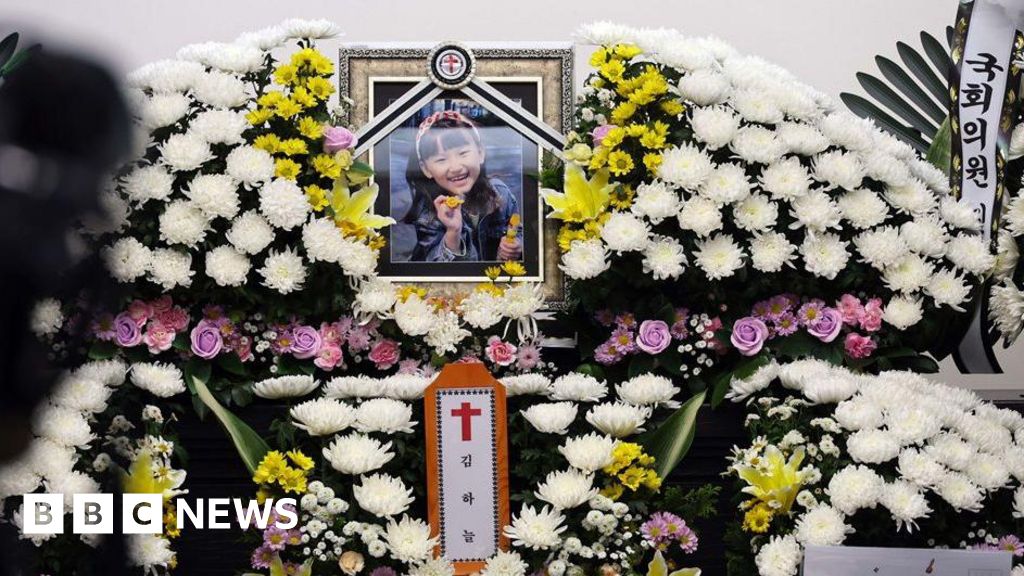
The recent tragic case in South Korea involving a teacher fatally stabbing an eight-year-old girl has sent shockwaves through the nation and reverberates across the international community. Myeong Jae-wan, a 48-year-old educator in the city of Daejeon, was sentenced to life imprisonment after a brutal attack that exposed vulnerabilities in the country’s educational and mental health systems. Such a disturbing incident underscores ongoing concerns about how institutions are failing to safeguard the most vulnerable—children—from internal threats and unaddressed mental health issues.

This case has sharply distinguished itself, not only because of the heinous act but also because of the broader geopolitical impact it carries. Analysts note that South Korea’s leadership faces mounting pressure to implement more rigorous safeguards within schools nationwide, emphasizing the necessity for improved mental health resources and security protocols. These measures are seen as vital in preventing similar tragedies and restoring public trust in education systems that are often heralded as models of discipline and societal progress. International organizations, including the United Nations, have long called for comprehensive child protection policies, but incidents like this illuminate the ongoing gaps even in developed nations.

The case also highlights how decisions made at the institutional and legislative levels directly shape societal safety and public perception. The court’s decision to sentence Myeong to life, rather than pursuing the death penalty, points to South Korea’s evolving judicial stance on sentences for offenders with related mental health conditions—a subject debated fiercely among legal scholars and human rights advocates. Meanwhile, Myeong’s own acknowledgment of her mental health struggles, coupled with her return to work shortly after a leave of absence, raises critical questions about the adequacy of mental health assessments and intervention strategies being in place within the educational sector. The case’s detailed conduct, including violent prior behavior and her plan to kill herself, reveals an urgent need for early detection and intervention strategies in high-stress environments like schools.

In response, South Korean authorities have called for stronger safety measures, including the mandatory wear of electronic monitoring devices for violent offenders, extending up to 30 years. The aftermath of the tragedy has also prompted renewed debates about the role of mental health support systems and school safety protocols—a clear reminder that the stability of a nation’s institutions intimately connects to the well-being of its citizens. Historians and analysts warn that the lessons learned from this incident could define the country’s future policies, serving as a stark milestone in the ongoing struggle against internal threats to societal safety. As the nation mourns yet strives to learn, the weight of history reminds us that security is never static—only as strong as the preparations and precautions we put in place.

Ultimately, the case leaves a haunting question lingering in the air: What are the true costs of neglecting mental health and institutional security? As South Korea struggles to rebuild trust and implement meaningful reform, the world watches closely. In the shadow of this tragedy, one thing remains painfully clear—the fight to protect lives is ongoing, and in the unfolding pages of history, the next chapter is yet to be written by those brave enough to face its consequences.

Top Bath Towels in the US: From Plush Comfort to Fast-Drying Picks for the Modern Youth | Life & Style

In an era where lifestyle choices increasingly emphasize wellness, quality, and meaningful experiences, the humble bath towel is experiencing a subtle yet significant renaissance. This shift underscores a broader cultural movement towards personal impact—not just in health and leisure, but in creating daily routines that resonate with intentionality and value. From the soaring popularity of premium brands to minimalist innovations, the focus now is on investing in products that truly enhance comfort and inspire a sense of luxury, no matter the budget.

Leading the charge in this perception of elevated self-care are brands like Parachute and Brooklinen, which are redefining what we expect from everyday essentials. These companies are tapping into the renaissance of slow living and wellness by offering bath towels crafted from Turkish cotton—long fibers that promise excellent absorbency and plushness. Detailed product testing reveals that these towels—such as the Parachute Organic Super Plush—not only exceed conventional standards in thickness but also perform admirably in absorbing water without feeling damp, giving users a tangible sense of luxurious self-care. Such products do more than dry—they foster a sense of personal impact, making the act of drying off a moment of quiet indulgence rather than a mundane chore.

But the trend extends beyond just quality. Consumers are now more conscious of the **lifecycle of their products**, seeking options that combine durability and economic value. Companies like Brooklinen and Costco have pioneered towels that strike this balance, offering dense, quick-drying options that don’t sacrifice style for function. The Brooklinen Super-Plush towels, for example, feature vibrant colors and a dense weave rated at 820 grams per meter, making them a statement piece in any bathroom while delivering on practicality. Meanwhile, the Costco Charisma 100% Hygrocotton Towel exemplifies accessibility, providing quality at an affordable price, thus empowering consumers to make choices aligned with their values of sustainability and cost-effectiveness.

Lifestyle As Investment

True shifts in living are about embodying values and recognizing that the products we surround ourselves with directly impact our health, leisure, and inspiration. As wellness experts like Dr. Michael Breus underscore, everyday routines—such as drying off with an ideal towel—are part of a broader strategy for mental and physical well-being. Carefully selected, high-quality towels offer more than just comfort; they foster a culture of intentional self-investment. It’s about embracing a lifestyle where every action, from the moment you step into the shower to the final wrap of a plush towel, is calibrated to bolster your personal impact and reinforce your values—be it sustainability, craftsmanship, or simple everyday luxury.

  • Tip: Opt for towels with long fibers like Turkish cotton for superior absorbency and longevity.
  • Hack: Reduce your washer’s spin speed to prolong the life of dense, plush towels, balancing durability with softness.
  • Insight: Don’t underestimate the power of a towel—it’s a detail that communicates your overall lifestyle ethos.

The Journey Continues

In the end, lifestyle is a continuous journey—an embracing of wellness, quality, and self-impact that extends beyond accessories to shape our habits and priorities. Whether you choose a feather-soft Turkish towel, a vibrant set that livens your bathroom, or a practical quick-dry option for on-the-go, each choice reflects a conscious step toward living intentionally. As Douglas Adams humorously pointed out, the simple act of carrying a towel symbolizes preparedness and adaptability—virtues that resonate on a personal and cultural level. When viewed through this lens, every glowing thread and absorbent fiber become a testament to the power of small, deliberate decisions—each one paving the way toward a more fulfilling, self-aware life.

Thursday’s Must-Know: French Cabinet Shake-Up, Bold Naked Cyclists & the Heroic Pup | Life & Style

In an era where lifestyle shifts and personal impact take center stage, the way we engage with entertainment, technology, and even wellness is transforming rapidly. From the nostalgic allure of legendary artists like Kate Bush to the latest innovations in corporate security, today’s cultural landscape reflects a dynamic intersection of tradition and innovation. It’s not just about passing time; it’s about embracing a lifestyle that fuels inspiration and personal growth, even amid the fatigue of modern life.

Consider the cultural phenomenon of the Thursday news quiz, a digital tradition that taps into youthful curiosity and the desire for wellness through knowledge. It challenges participants to stay informed with playful questions — from the number of Academy Awards won by venerable actresses like Katharine Hepburn to a quirky, yet impactful protest by naked cyclists in Portland. This quiz isn’t merely about trivia; it embodies a lifestyle of continuous learning. Through engaging with such content, young minds find a space for sharp wit, cultural awareness, and even a bit of rebellion against the mundane, fostering a sense of ownership over their lifestyle and self-improvement.

Meanwhile, the way wellness is evolving is embodied in developments like the biometric access control system at a Manhattan skyscraper — an embodiment of technological integration with personal privacy considerations. The push towards embracing cutting-edge tech doesn’t merely enhance convenience; it represents a commitment to personal security and health in the digital age. Wellness experts like Dr. Daniel G. Amen advocate for deliberate tech use, emphasizing that balanced integration can empower us without compromising privacy or mental well-being. These shifts highlight an essential truth: living intentionally with technology can elevate one’s lifestyle, making health and leisure not just possibilities but everyday realities.

Ultimately, life is about the journey—a constant interplay of discovery, resilience, and embracing the new while respecting the roots. Whether it’s celebrating a heroic dog like Hendrix, who led a rescue in Florida, or finding inspiration in an artist like Kate Bush, whose music fuels charitable acts, the narrative remains clear: a lifestyle rooted in curiosity, adaptability, and purpose leads to a more vibrant, well-lived life. As these stories interweave, they remind us that our personal impact—health, leisure, knowledge—is a reflection of our willingness to engage with the world authentically. It’s a pursuit that, ultimately, turns daily living into an ongoing story of empowerment and inspiration.

Grandson’s Life Cut Short by Police Tear Gas—A Young Life Gone Too Soon

Madagascar’s Unrest: A Nation on the Brink

In the heart of the Indian Ocean, Madagascar grapples with a profound crisis that threatens to reshape its future. Over the past two weeks, youth-led protests—driven by frustrations stemming from chronic socio-economic failures—have erupted into widespread violence, loss of life, and economic upheaval. At the epicenter of these upheavals lie systemic problems: endemic corruption, unmanageable unemployment, severe water shortages, and an underdeveloped education system. As analysts from the United Nations and historians pontificate on the deeply rooted causes, the unfolding events underscore a simple yet alarming truth: the fragile fabric of Malagasy society is tearing, with the weight of history bearing heavily on a nation still seeking its path forward.

The protests ignited as young Malagasy citizens voiced their despair over basic necessities—their demand for access to water and electricity is emblematic of the broader failure of governance. The scenes of chaos include torching cars, vandalizing public infrastructure, and violent clashes with police, which have claimed the lives of at least 22 individuals, according to UN estimates. The government, under President Andry Rajoelina, dismisses these figures as misinformation but admits to property damages exceeding $47 million (£35 million). The president’s response has been to characterize the protesters as “rioters,” despite accounts from witnesses like Razanasoa Edmondine, whose one-month-old grandson was killed by police tear gas—a tragic illustration of how the state’s response has compounded the crisis rather than alleviated it.

The geopolitical impact of these protests extends far beyond domestic borders. Madagascar’s political instability hampers foreign investment and endangers the island’s vital tourism sector—once a major source of revenue for its economy. International observers, including Economists like Hery Ramiarison, highlight the decades of mismanagement and political upheaval since independence as root causes. Ramiarison notes that the vicious cycle of poverty and instability is aided by a weak educational foundation—three-quarters of the population have education levels below primary school, perpetuating unemployment and social exclusion. As this cycle persists, it feeds into a broader regional instability, attracting concern from global institutions who warn that unchecked unrest could spill into neighboring nations and disrupt regional peace and trade.

However, President Rajoelina remains defiant, promising to bring change within a year or tender his resignation if he fails. Yet, many analysts believe the underlying issues are far more complex. Historians like Jean-Marie Ravelonarivo argue that Madagascar’s recurrent political turmoil—particularly the 2009 uprising that ousted President Ravalomanana—has entrenched a culture of populist dissatisfaction that superficial reforms cannot cure. The cycle of failed leadership has left the government unable to address the core economic challenges, including water scarcity, underemployment, and inadequate infrastructure. The protests have also exposed the sharp divide between the political elite and a youth demographic desperate for opportunity—many of whom have never known a stable, prosperous Madagascar.

As the island nation teeters on the edge, its history continues to unfurl—a poignant reminder that decisions made today will be etched into the collective memory of the future. The young generation, symbolized by figures like Laza Brenda, from a roadside phone shop, see the promises of fleeting leadership only to be left with more hardship. The pain of families forced to wash clothes in paddy fields due to water shortages, the despair of entrepreneurs seeing canceled contracts, and the uncertainty gripping the tourism sector foreshadow a difficult road ahead. Yet, amid this turmoil, the resilience of Madagascar’s people beckons—a testament to a nation’s unyielding hope that, even in darkness, the dawn of a new chapter might yet emerge. But whether that dawn will bring clarity or further chaos depends on the decisions that unfold in the uncertainty of these decisive moments in history’s ongoing saga.

Honoring Nurse Maureen Crill: A Life Dedicated to Care and Community

Society’s Unsung Champions and Family Resilience

In an era marked by societal upheaval and a growing divide between the privileged and the vulnerable, stories of dedicated **community-oriented professionals** serve as a poignant reminder of the resilience and moral fiber that uphold our social fabric. Maureen Crill’s life exemplifies how individual courage and unwavering dedication can impact communities facing challenges such as poverty, conflict, and health crises. Her journey from Zimbabwe to various parts of the globe underscores the broader social issues that continue to affect families, education, and local communities worldwide.

Throughout her extensive career, Maureen’s work illuminated the harsh realities faced by underserved populations. The hardships endured by women in rural Africa, where she operated mobile clinics amidst insecurity and conflict, mirror larger issues of inequality in healthcare access and systemic neglect. Her efforts to train traditional midwives in Burkina Faso showcase the importance of empowering local communities rather than imposing external solutions—highlighting a critical challenge in global development: fostering sustainable, culturally sensitive progress. Sociologists like Michael Marmot emphasize that addressing social determinants of health is fundamental in nurturing resilient families and stable societies, a belief validated by Maureen’s lifelong commitment.

The Impact of Social Issues on Families and Education

The ripple effects of these social issues extend deeply into families. When communities lack adequate healthcare, education, and infrastructure, it is families—particularly women and children—who bear the brunt. Maureen’s advocacy for rural maternal health was rooted in the understanding that healthy mothers are vital to nurturing future generations. Yet, many communities remain trapped in cycles of poverty and inadequate care, hampering educational opportunities and perpetuating social marginalization. Here, the tension lies between systemic neglect and the moral imperative to act, ensuring that every family has a chance at a dignified life.

Shifting Demographics and Cultural Tensions

Changing demographics and cultural shifts further complicate this picture. As societies diversify and urbanize, traditional social networks weaken, often leading to increased dislocation and alienation. For instance, Maureen’s work in diverse and often volatile settings like Pakistan, Canada, and Cuba demonstrates how healthcare professionals must navigate complex cultural terrains. Sociologists like Claude Lévi-Strauss have argued that understanding cultural diversity is essential to fostering social cohesion. Yet, social tensions arise when national policies neglect the needs of marginalized groups, resulting in fractured communities and compromised social stability.

Pathways to Social Renewal and Hope

While these challenges are formidable, the story of individuals like Maureen Crill inspires hope. Her life exemplifies that dedicated service and culturally sensitive interventions can forge pathways toward social renewal. Building resilient families and communities requires policies that prioritize health equity, education, and moral responsibility. Sociologists such as Anthony Giddens remind us that society’s future hinges on our collective ability to adapt and nurture shared values of compassion and justice. In embracing this moral vision, society can evolve beyond cycles of neglect to become a community where every family has the opportunity to flourish.

As society faces its ongoing trials, it is crucial to remember that the true strength of a nation lies in its ability to cherish and uplift its most vulnerable. The stories of our unsung heroes — those who serve selflessly in the shadows — call us to reflect on our moral commitments and the legacy we wish to build. Mirroring Maureen Crill’s grace and resilience, perhaps society can find renewal and hope, one compassionate act at a time, casting a future where social transformation begins with acknowledgment, respect, and unwavering resolve.

Tragic methanol overload claims life of young man in São Paulo

The recent surge of methanol poisoning in Brazil is shaping up as a significant public health crisis with far-reaching geopolitical implications. Over the past few weeks, reports from the state of São Paulo reveal a tragic toll—three confirmed deaths and over 225 confirmed cases, as authorities scramble to contain an outbreak associated with contaminated alcohol. The authorities’ investigations focus on both the source of the tainted drinks and the broader risks posed by illicit alcohol markets that often evade regulation in countries vulnerable to organized crime and economic instability.

While officials remain uncertain whether this crisis is accidental or part of a deliberate effort to undermine public safety, the situation underscores issues that transcend Brazil’s borders. In a global context, dangerous products—whether contaminated alcohol or counterfeit pharmaceuticals—highlight how illicit transnational trade flows threaten national sovereignty and public health. Experts from organizations such as the World Health Organization warn that the proliferation of toxic substances like methanol—frequently sourced from illegal fuel or cleaning product channels—poses systemic risks that are often underestimated. The death of a young woman, Bruna Araújo de Souza, along with the two men and dozens of hospitalizations, has intensified calls for stricter regulation, yet the problem persists, revealing flawed enforcement of existing laws.

The response of Brazilian authorities indicates a broader struggle against the shadow economy heavily intertwined with the illicit alcohol trade. More than 10,000 bottles have been seized, and at least 11 businesses have been shut down, yet the crisis continues. The impact extends beyond health; it questions the reliability of local businesses and the safety of daily consumption, particularly in urban hubs like São Paulo. The bar near Paulista Avenue—one of Latin America’s busiest districts—reported concerns from patrons and urged caution, exemplifying how trust in local commerce is eroding amid fears of contaminated products. These events threaten social stability and highlight the importance of international cooperation in trade regulation and public health safety.

Historians and analysts caution that these incidents are not isolated; instead, they serve as stark reminders of the digital age’s complexity in enforcing laws across borders. The United Nations and Inter-American Development Bank emphasize that unresolved economic inequalities and lax regulation create fertile ground for criminal enterprises, which exploit local vulnerabilities for profit. As the world watches, Brazil’s plight underscores how local health emergencies can quickly escalate, destabilizing geopolitical relationships, especially with nations involved in illicit trade networks. The ongoing investigation into whether the poisoning was deliberate or accidental adds a layer of complexity, yet the ultimate message remains clear: how nations respond to such crises will define their resilience in the face of transnational threats.

As the shadows of this crisis stretch across the political landscape, the heavy weight of history hangs in the balance. The unfolding story of methanol poisoning in Brazil is less about isolated incidents and more about a global struggle—an ongoing battle between lawful governance and criminal shadow economies. The outcome will determine whether societies can reclaim their streets, restore faith in local businesses, and prevent future tragedies from turning into yet another chapter in the ongoing saga of international disorder. As with all moments of upheaval, this chapter remains unwritten, yet its echoes will resonate through history’s corridors for generations to come.

Skydiver loses life after tragic free fall—without a parachute

International Spotlight on Skydiving Safety as Tragic Incident Unfolds in Nashville

The recent fatal skydiving incident in Nashville, Tennessee, has ignited a global debate on the safety standards of extreme sports and the geopolitical implications of regulatory oversight. The incident, involving experienced skydiver Justin Fuller, underscores the risks faced by adrenaline enthusiasts worldwide, but it also highlights how national safety protocols can influence international perceptions and regulatory cooperation. As investigations unfold, analysts warn that such tragedies could prompt a reevaluation of safety standards across borders, potentially impacting the international skydiving industry.

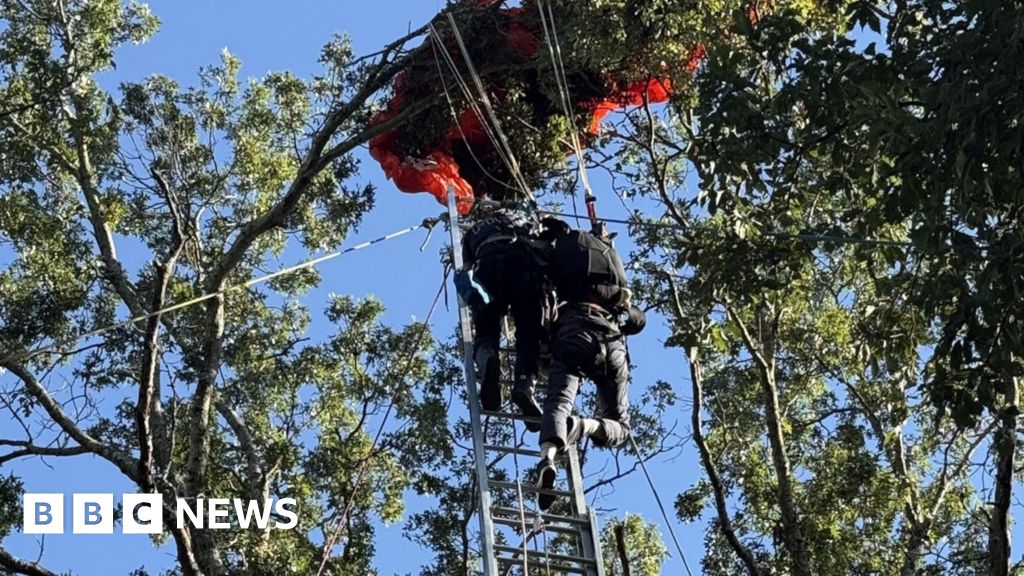
The Federal Aviation Administration (FAA) has launched a comprehensive investigation into Fuller’s death, which authorities suspect resulted from a sudden separation from his client’s parachute during a tandem jump. Police reports confirm that Fuller, 35, appeared to have become disconnected from his parachuting rig, leading to his presumed fall from the sky, while his 46-year-old client survived by emergency parachute and was rescued hours later by Nashville Fire Department. This incident raises critical questions on international safety protocols and whether the current standards are sufficient to prevent such tragedies, especially for seasoned professionals like Fuller who dedicated their lives to teaching and advancing their sport.

From a geopolitical perspective, incidents like this resonate beyond local borders, affecting broader international discourse on regulatory harmonization. Historians and safety analysts argue that the globalization of extreme sports necessitates cohesive safety standards and transparent oversight, especially as international tourism and sports competitions grow. Notably, the skydiving community has seen increasing incidents worldwide, prompting calls for stricter international accreditation systems. Such evolutions could lead to potential treaties or agreements aimed at elevating safety benchmarks, yet they also risk complicating the industry’s competitive landscape.

  • The incident occurs amid rising scrutiny of safety practices following recent high-profile accidents in various countries.
  • Aviation and sporting authorities worldwide have debated the efficacy of current safety standards, with some advocating for stricter regulations modeled after FAA protocols.
  • International organizations, including the International Air Sports Federation, are under pressure to reinforce safety reforms, which could reshape industry norms.

As the world watches, the aftermath of this tragedy could serve as a catalyst for sweeping reforms that redefine international norms of adventure sports safety. While Nashville mourns its latest loss, the global community is reminded that the pursuit of thrill comes with profound responsibility — one that intertwines the fate of societies, the integrity of regulations, and the relentless march of history. The question remains: how many more must fall before the world collectively elevates the standards that safeguard human daring in the face of nature’s fury? In this unfolding story, the margins between safety and catastrophe are razor-thin, and the weight of history continues to press upon the present, demanding action before another life is lost to the skies.

Alaskan climbing sensation Balin Miller tragically loses his life after fall from Yosemite’s iconic El Capitan

In a world captivated by the thrill of extreme sports and outdoor adventure, the recent tragedy involving Alaskan climber Balin Miller has sent shockwaves through the global climbing community. Miller, just 23, lost his life after falling from the iconic El Capitan—a towering monolith in Yosemite National Park. Known for his daring solo ascents, Miller had built a reputation as one of the rising stars of alpinism, inspiring many young climbers with achievements such as the first solo ascent of Mount McKinley’s Slovak Direct. His death highlights the raw dangers inherent in the pursuit of adventure and how personal dedication to mastering the mountains can turn into a lethal risk when safety protocols are overlooked or unforeseen accidents occur.

Miller’s story is not merely one of tragedy; it serves as a stark reminder of the fine line between heroism and hazard. Climbing experts like veteran alpinist Clint Helander have recognized Miller’s impressive accomplishments, pointing out that in just six months, he had unleashed some of the most remarkable exploits the sport has seen. His determination and skill culminated in efforts that gained international acclaim—an inspiration to aspiring climbers looking to push their limits while respecting the mountain’s formidable power. Still, Miller’s death underscores an essential truth: every upward step in the mountains is shadowed by inherent risk. His passing, during an activity that blends physical mastery with mental resilience, challenges us all to balance the desire for thrill with unwavering respect for nature’s unpredictability.

Amid this atmosphere of reflection and respect, it is vital to recognize how the shift in outdoor lifestyle—driven by the quest for health, wellness, and adventure—continues to grow. In recent years, more young people have been inspired to embrace a lifestyle that emphasizes personal achievement and resilience, often turning to activities like climbing, hiking, and outdoor exploration as a form of wellness. However, the recent incident also prompts a deeper conversation about safety, preparation, and respecting limits. Experts such as author and wellness advocate Mark Sisson emphasize that true strength in outdoor pursuits lies in understanding one’s boundaries and ensuring proper training and gear. For young adventurers, the message is clear: ambition should be paired with prudence, transforming the adrenaline of discovery into a responsible pursuit that endures.

Ultimately, the story of Balin Miller leaves us contemplating the profound journey of embracing life’s challenges. It reminds us that true fulfillment in the pursuit of adventure is intertwined with respect—for ourselves, our craft, and the majestic, often unpredictable forces of nature. While the heights of mountains like El Capitan beckon with promises of achievement and inspiration, they also demand our humility and vigilance. As we listen to the echoes of Miller’s daring spirit, we are called to recognize that the pursuit of greatness is a continuous journey—a quest to find harmony between daring to dream and the wisdom to keep ourselves safe. In this balance, we discover not just the thrill of ascent, but the strength to face life’s own steep, uncharted cliffs.

Social Media Auto Publish Powered By : XYZScripts.com