
Matox News

Truth Over Trends, always!

Faroe Islands lifts tough abortion restrictions, giving young people more choice

The Faroe Islands, a remote archipelago nestled between Scotland and Norway, has taken a historic step that signals a broader shift towards the protection of women’s rights and bodily autonomy in a region characterized by its conservative cultural values. On Thursday, the parliament narrowly approved legislation to legalize abortion until the 12th week of pregnancy, overturning decades-old restrictions rooted in laws dating back to 1956. This decision marks a significant departure from previous legislation, which permitted abortion only under restricted circumstances—such as cases of rape, incest, or severe fetal health issues—and involved rigorous medical assessments that could lead to criminal penalties for both women and doctors.

The legislative debate was fierce and closely contested, with just a one-vote margin—17 to 16—in favor. This razor-thin victory highlights the intense societal divide over reproductive rights on the islands, known for their distinct cultural identity and strong Lutheran traditions. As Ingilín Didriksen Strømm, one of the bill’s sponsors, proclaimed, “This is truly an historic day in the Faroe Islands,” emphasizing the move as a victory in the ongoing struggle for gender equality and human rights. Campaigners for reproductive freedom, such as Bjørt Lind of the advocacy group Fritt Val, have long argued that the previous legislation was outdated and infringed upon women’s right to make autonomous health decisions. According to international organizations like Amnesty International, this legal reform signifies a “huge step” toward securing safe, legal, and accessible abortion services—an essential component of bodily integrity that women across Europe have fought hard to defend.

Historically, the islands’ restrictive policies meant that women seeking abortions often had to travel abroad—most frequently to Denmark, where the law permits abortion on request up to 18 weeks. Since the 1973 law in Denmark, liberalized further in June this year, European nations have gradually broadened reproductive rights; however, only a handful—such as Andorra, Malta, Liechtenstein, Poland, and Monaco—preserve highly restrictive laws. The Faroese government’s move to align with neighboring Denmark’s more liberal stance underscores a broader trend: as societal attitudes evolve, so too do legal frameworks, often driven by international pressure and internal advocacy. Yet, opponents of the legislation, invoking the rights of the fetus, remain vocal. MP Erhard Joensen expressed skepticism, fearing that the pro-choice legislation might be rolled back in the future—a concern that echoes across many regions where tradition and religion continue to influence policy.

The decision in the Faroese parliament has profound geopolitical impact. As a self-governing territory within the Kingdom of Denmark, the islands serve as a microcosm of the broader cultural and political tensions that characterize Europe’s ongoing debate over moral values, sovereignty, and human rights. European analysts and historians warn that this shift signals a potential redefinition of societal norms in historically conservative territories. With international organizations increasingly advocating for women’s reproductive rights as fundamental human rights, the Faroese move could inspire similar legislative efforts elsewhere—yet it also risks backlash from conservative factions. Such internal conflicts highlight the delicate balance that nations and territories must strike between respecting cultural identities and adhering to a universal notion of human rights.

As this chapter in Faroese history concludes, the words of defenders of the new law ring with a renewed call for progress: “This change affirms the fundamental rights of women and all pregnant individuals,” yet the real weight of this victory rests in how it challenges the entrenched norms of a society rooted in tradition. The thin margin of approval leaves uncertain whether future political shifts may threaten this hard-won victory. Meanwhile, the echoes of this decision ripple across Europe’s moral landscape, where debates over life, autonomy, and sovereignty continue to shape the destiny of nations. The unfolding story of the Faroe Islands—a land caught between tradition and reform—reminds the world that history is never static, and the fight for justice often begins with the smallest of votes, shimmering as a testament to what can and should be changed.
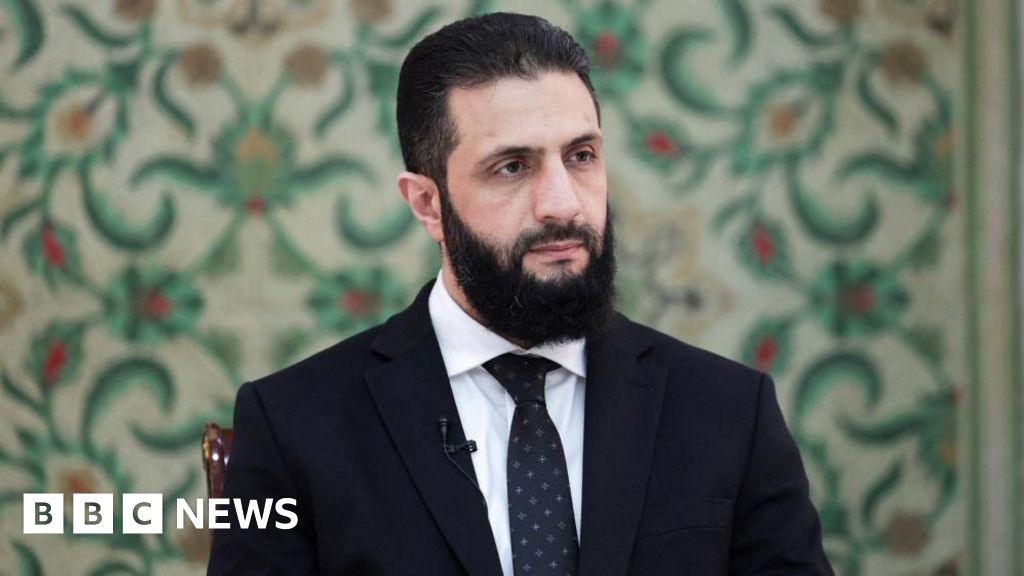

UN lifts sanctions on Syrian leader as White House visit looms

The geopolitical landscape in the Middle East has reached a pivotal juncture, as recent developments signal a significant shift in international recognition and diplomatic engagement with Syria. The United Nations Security Council has voted in favor of a US resolution to lift sanctions on Syrian President Ahmed al-Sharaa, setting the stage for his upcoming White House visit next week. This move marks not only a change in policy but also underscores a broader recalibration among global powers regarding Syria’s future. Once considered a pariah state during its prolonged civil war, Syria now finds itself at the center of a new geopolitical narrative—one that privileges stability and regime consolidation over decades of Western-led isolation.

  • The US has officially recognized the shifting power dynamics by removing Hayat Tahrir al-Sham (HTS) from its list of foreign terrorist organizations, a group that was once linked to al-Qaeda and whose leader, Ahmed al-Sharaa, was previously sanctioned as a terrorist. The decision reflects a strategic pivot in Washington’s approach—viewing Syria through a lens of pragmatic diplomacy rather than exclusively ideological confrontation. Alongside sanctions on Syrian Interior Minister Anas Khattab, the move signals a recognition of the evolving landscape of influence and control within Syria’s borders.
  • The UN’s decision, hailed by Syrian officials as a gesture of appreciation and acknowledgment, underscores a broader shift that has cautious analysts pondering whether the tide of international support has turned decisively in favor of Bashar al-Assad’s regime or, as in the case of Sharaa, an alternative leadership figure emerging from the ashes of conflict.

The symbolism of Sharaa’s upcoming visit to Washington cannot be understated. His first address to the UN General Assembly since the civil war’s peak foreshadows a more concerted effort by Syria to reintegrate into the global community. “Syria is reclaiming its rightful place among the nations of the world,” Sharaa proclaimed, emphasizing his aspirations for legitimacy and influence. Meanwhile, U.S. President Donald Trump has acknowledged the “good progress” made by Sharaa toward peace—a stark departure from past isolationist policies. This shift suggests that the United States and its allies are recalculating their strategic priorities, choosing diplomacy over confrontation in hopes of stabilizing a region long characterized by chaos and conflict.

This latest episode in Syria’s complex narrative raises profound questions about how decisions made in international rooms resonate on the ground. By lifting sanctions and engaging with Syrian figures who have been branded terrorists in the past, the global community’s stance underscores an emerging acknowledgment: alliances are volatile, and today’s enemies can become tomorrow’s partners. Historians and analysts warn that such shifts carry risks—reconciliation may threaten to overshadow justice, and the re-emergence of strongman rule could deepen existing societal divides. Yet, how nations adapt to these fast-evolving geopolitics will indelibly shape the future of the Middle East and beyond.

The story of Syria stands as a testament to the relentless pursuit of power, influence, and stability amidst a landscape of shifting allegiances. As Sharaa steps into the diplomatic arena with Washington, it is clear that the region remains a theater of strategic chess—a place where the weight of history presses heavily upon each move. Future chapters will determine whether these diplomatic gestures herald a new era of peace or mask deeper struggles that threaten to ignite anew. The unfolding drama in Syria reminds the world that history is a relentless witness—watching, recording, and waiting for the moment when an already tense story takes an unforeseen and irreversible turn.

Judge lifts ban, letting OpenAI keep ChatGPT logs—big win for AI transparency and innovation

In a move that underscores the escalating tug-of-war between innovation and regulation, a recent court decision marks a significant shift in how AI companies like OpenAI are required to handle user data. After months of legal battles and public scrutiny, a federal judge has lifted the earlier preservation order that mandated OpenAI to retain all ChatGPT logs indefinitely. This ruling signals a potential realignment on data privacy, and it raises vital questions about the future of digital privacy amidst rapid AI expansion.

Initially, the court’s preservation order was a major win for The New York Times and other media outlets, like TheIntercept and Alternet, who accuse OpenAI of training its models on copyrighted news content without proper authorization. The order essentially allowed the news organizations to scrutinize ChatGPT’s outputs for copyright infringement, shining a light on the murky waters of AI training data. OpenAI, on the other hand, vehemently opposed the mandate, citing concerns about user privacy and data security. The company argued that such a requirement could set a dangerous precedent—one that threatens the confidentiality of user interactions and broader digital rights. When Judge Ona T. Wang decided in October to relax the preservation requirements, it sent a clear message: the balance of power might be shifting away from data accumulation toward privacy and individual rights.

This legal turn doesn’t just reflect a single case—it’s emblematic of a broader cultural impact shaping the digital landscape. AI-powered platforms like ChatGPT have become ingrained in the everyday lives of youth, offering everything from educational assistance to social interaction. As public awareness grows about the potential data footprints we leave behind, there’s a growing societal consciousness about digital footprints. Influencers, sociologists, and tech analysts are now debating whether the next frontier is ethical AI use that respects user rights or unchecked corporate data harvesting. For younger generations, who are often at the forefront of digital trends, this legal battle underscores an implicit societal shift — from raw data collection to empowering user privacy as a social norm.

  • Trend #1: Increasing demand for transparency from AI providers concerning data use and privacy.
  • Trend #2: Growing awareness among youth about the power of their digital footprints and the importance of safeguarding personal data.
  • Trend #3: An emerging cultural movement advocating for ethical AI development, framing privacy as a social justice issue.

As we observe these shifts, the question looming over this evolving digital landscape is as provocative as it is vital: Will the push for user privacy redefine the way AI is trained and deployed, or will companies find a way to circumvent these new rules to keep their competitive edge? With influential voices like tech lawyers and societal analysts raising concerns about a future where our digital selves are more protected yet more scrutinized than ever before, the next chapter in AI history might hinge on whether this turn away from indefinite data preservation will truly foster a more accountable and ethical technological era. The dominant question that remains: could this legal shift be the catalyst for a cultural revolution where personal data becomes our strongest form of digital independence?

Social Media Auto Publish Powered By : XYZScripts.com



