Matox News

Truth Over Trends, always!

Bill Gates’ nuclear firm scores green light for breakthrough next-gen reactor

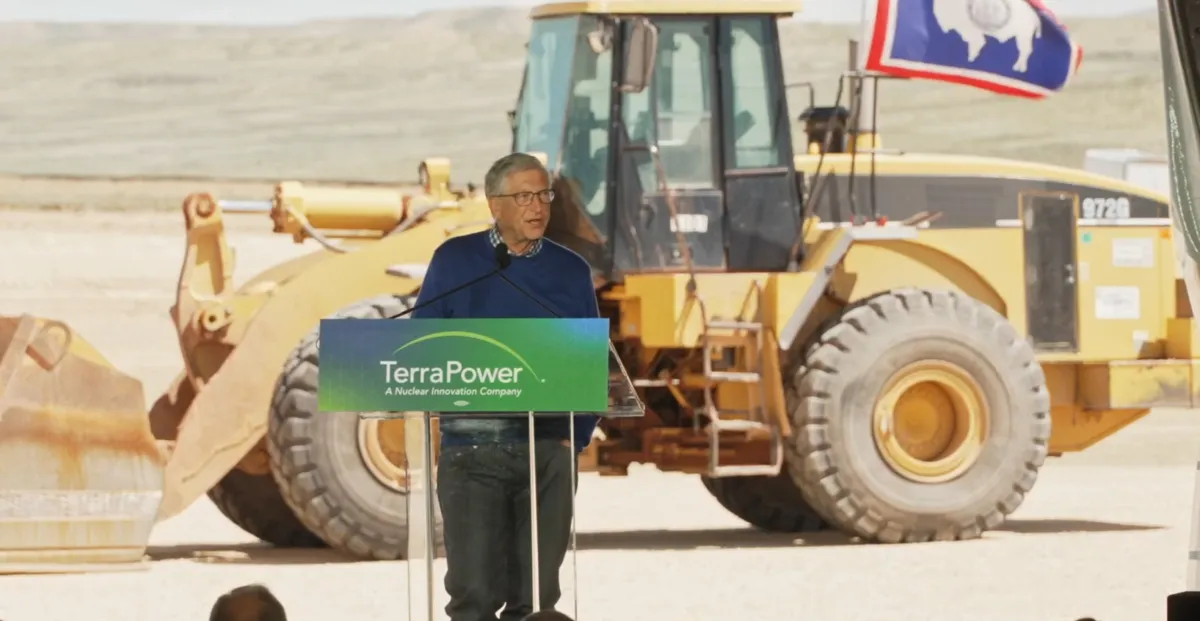
In a landmark development that underscores the ongoing shift towards clean, reliable, and innovative energy solutions, TerraPower, the nuclear energy startup founded by tech titan Bill Gates, has received federal approval from the Nuclear Regulatory Commission (NRC) to construct a groundbreaking next-generation reactor in Wyoming. This milestone marks the first time in U.S. history that a commercial-scale, advanced nuclear power plant has secured such a permit, signaling a significant disruption in the national energy landscape. The project is slated for completion by 2030 and redefines the trajectory of nuclear technology, emphasizing safety, efficiency, and sustainability.

The Wyoming plant is positioned at the forefront of disruptive innovation in nuclear engineering. Unlike traditional reactors, TerraPower’s design emphasizes a smaller, more modular approach that aligns with the evolving demands of modern electrical grids under the pressure of burgeoning AI data centers and digital infrastructure. According to industry analysts at Gartner and MIT’s Nuclear Innovation Initiative, this development could catalyze a new wave of nuclear deployment, significantly reducing reliance on fossil fuels and untangling the energy crisis intensified by climate change. With construction expected to conclude within five years, this plant symbolizes a pivotal shift where safe, sustainable nuclear power becomes a core component of national energy strategies.

  • Advanced reactor designs that prioritize safety and waste management efficiency
  • Smaller, faster-to-deploy modules suitable for diverse grid demands
  • Potential to revolutionize clean energy deployment amidst climate and geopolitical pressures

Bill Gates recently articulated the broader implications of this innovation in a 2024 interview with The Verge, emphasizing how nuclear energy’s evolving designs can play a crucial role in combating climate change. “We’re exploring reactors that not only minimize safety concerns but also optimize fuel use and waste handling,” Gates explained, highlighting the importance of disruptive technology in crafting resilient energy systems. This strategic push aligns with market trends that see nuclear power as an indispensable part of the transition away from carbon-heavy sources and toward a more sustainable future. Industry leaders and policymakers globally are watching closely, recognizing that the success of TerraPower’s Wyoming project could establish a new blueprint for business innovation in nuclear energy, opening doors for investors and entrepreneurs eager to capitalize on the clean energy revolution.

Looking ahead, the implications of this development extend far beyond Wyoming’s borders. As governments and private sector players enhance investment in nuclear innovation, the global energy market stands on the brink of a paradigm shift. The race is on to develop smaller, safer, and more adaptable reactors that can integrate seamlessly into complex energy ecosystems, responding swiftly to the demands of AI-driven economies and decentralized grids. The coming decade will undoubtedly be transformative, with the potential to disrupt traditional energy giants and establish new industry titans dedicated to sustainable and disruptive nuclear breakthroughs. The urgency to innovate has never been greater, and TerraPower’s Wyoming project exemplifies the aggressive pursuit of technological advancement essential for shaping a resilient, clean energy future.

Rising Stars Light Up the Field: Weekly Highlights from Youth Sports Tournaments

Mariners’ Logan Evans Set for Major Surgery, Faces 2026 Season on Sidelines

In a significant setback for the Seattle Mariners, General Manager Justin Hollander announced that right-hander Logan Evans will undergo surgery on his right elbow, effectively sidelining him for the entire 2026 season. This news comes as the team had high hopes for Evans, who was projected to play a crucial role in their pitching rotation.

Evans, who emerged as a promising talent with a strong performance last season, leaves a void in the Mariners’ pitching lineup. His announcement came as a shock to fans, given the high expectations set for him as the next building block in a franchise striving to return to the postseason. “This is an unfortunate situation for us, but we are confident that Logan will recover fully and be back stronger than ever,” remarked Hollander during a press conference. The team is now left to navigate the difficulties of losing a player who had the potential to be a game-changer on the mound.

  • Evans’ Stats: Last season, he recorded a 3.20 ERA, with an impressive strikeout-to-walk ratio that showcased his ability to control the game.
  • Coaching Perspective: Manager Scott Servais expressed deep regret for the injury but emphasized that the team would rally together to fill the gap left by Evans.
  • Fan Reaction: Fans have taken to social media to express their support and concern for the young pitcher’s future, illustrating the strong community ties that accompany sports.

The void left by Evans’ absence will be felt throughout the organization, yet it also presents an opportunity for other players to step up. Various prospects within the Mariners farm system may now see a sudden increase in their chances to prove themselves at the major league level. As the offseason approaches, the team may also look to the free-agent market to bolster their pitching staff, ensuring competitive strength moving forward.

In the world of sports, triumphs and setbacks intermingle, reminding fans why they love the game. The resilience shown by teams and players during challenging times is what makes sports a unifying force in society. As the Seattle Mariners rally to support Evans, fans are reminded that, beyond the statistics and scoreboards, the spirit of team camaraderie and determination shines the brightest.

Source link

Bring the Magic to Leicester Square: Wicked Fans Light Up the Night with Fancy Dress Fun

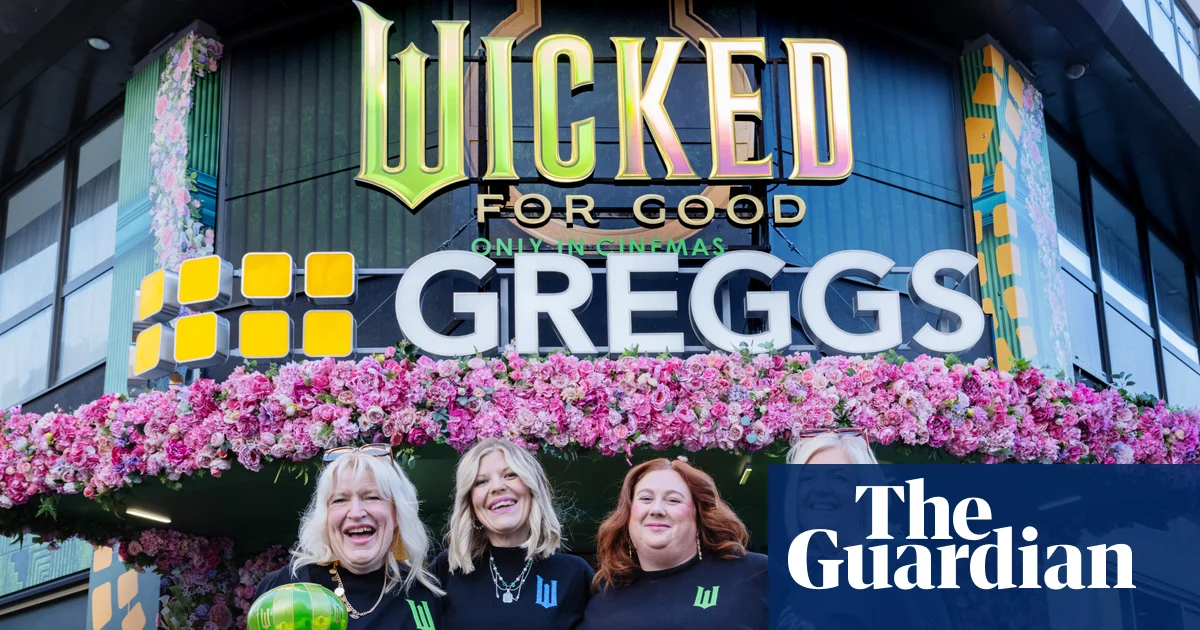
In recent weeks, a fascinating cultural shift has taken hold among young moviegoers and fans of musical theater alike. Outside theaters and cinemas, crowds are gathering not only to watch the latest blockbusters or beloved musicals but to embody them through *themed dressing*. This phenomenon is no longer just about costume parties or quick Instagram posts; it’s evolving into a vibrant expression of identity, community, and societal values. The fervor around “Wicked” in the UK, especially with its opening in cinemas, has sparked a wave of fans turning their enthusiasm into full-fledged fashion statements—coordinated sets, glitter, and character-inspired outfits—transforming movie premieres into living, breathing art festivals.

At the heart of this movement is the idea that ***dressing up*** provides a shortcut to community and connection. For Nicola Deane and her sister Chloe, traveling all the way from Ireland to dress as Elphaba and her sister exemplifies how costumes transcend simple fashion. “Elphaba’s a bit of a badass, and I think I am too,” Nicola shares, emphasizing how this practice helps fans feel empowered and aligned with characters who embody strength, magic, and defiance. Sociologists like Dr. Amelia Harris suggest that this trend is a *reaction to a post-pandemic desire for collective joy* — an effort to reforge social bonds through shared experiences in an era where digital interactions often replace physical presence. Dressing in themed attire becomes a ritual that fosters a sense of belonging, transforming passive entertainment into active participation.

The *social relevance* of these trends goes beyond fashion. Whether wearing matching T-shirts or elaborate costumes, fans signal their values and aspirations—celebrating themes of individuality, bravery, and community support. Influencers such as TikTok creators and YouTube vloggers are fueling the movement, showcasing cosplay, DIY costume tutorials, and group outings that project a message of unity and activism. Industry data corroborates this cultural shift; recent reports reveal a 375% spike in Wicked-related costume searches, alongside a surge in themed nail art and karaoke renditions of “Defying Gravity”. These seemingly playful activities are actually *cultural signposts*, illustrating how entertainment becomes a platform for expressing social identity and even political ideology.*

What makes this trend especially powerful is how it intertwines *personal identity* with *collective storytelling*. Fans like Holly Inch and Tamar Hopkins are not just dressing as characters; they’re portraying a sense of self that refuses to conform and instead stands out — “that’s what Wicked is about, not being afraid to stand out,” Holly explains. It’s a form of resistance, a rejection of societal stereotypes, and an affirmation of authenticity. As fashion historian Lisa Carter notes, this phenomenon indicates a *shift towards perceiving entertainment as a catalyst for social change*. And with post-pandemic society craving *shared experiences* that amplify joy and creativity, this movement has the potential to evolve into a broader cultural wave — one that redefines how communities connect through the arts.

Yet, amid this new era of interactive fandom and fashion activism, the next big question remains: how long will this *whimsy-driven* wave last before it becomes a mainstream expectation in social life? Will themed dressing remain a niche pursuit, or could it evolve into a new form of social ritual, akin to traditional festivals and celebrations? As youth culture continues to embrace these collective creative outlets, one thing is clear: the future of fandom might not be just about watching but *becoming* — transforming entertainment into a powerful, ongoing act of cultural expression. The true question now is whether society is ready for a future where every movie, musical, or show becomes a personal statement and a community ritual—are we on the cusp of a revolution in how we define social belonging?

Waymo Scores Green Light to Expand Deep into Bay Area and SoCal

Waymo’s Autonomous Expansion Signals a New Era in Urban Mobility

Waymo, the front-runner in robotaxi innovation, has announced a major step forward in its autonomous vehicle (AV) deployment strategy. The company has received official approval to operate fully autonomous vehicles across a significantly broader region in California, including key areas like the East Bay, North Bay (Napa/Wine Country), and Sacramento, as well as extending its territory in Southern California from Santa Clarita up to San Diego. This territorial boost not only exemplifies relentless innovation but also underscores the disruptive potential of autonomous mobility to reshape urban transportation paradigms.

While regulatory hurdles remain—since additional permits are required for commercial passenger services—Waymo’s recent expansions demonstrate industry confidence in AV technology. Targeting a mid-2026 launch in San Diego, the company’s strategic timeline aligns with broader industry expectations for large-scale autonomous deployment. This timeline reflects the urgency to capitalize on technological advances, as other players like Tesla, Uber, and emerging startups accelerate their own autonomous initiatives. The push into new markets is further amplified by Waymo’s recent announcements to expand into Minneapolis, New Orleans, and Tampa, alongside plans to eliminate safety drivers in Miami ahead of commercial launch, signaling a paradigm shift in the traditional ride-hailing model.

Business implications of these developments are profound. As disruption accelerates, traditional taxi and ride-sharing industries face existential threats, while new entrants with agile autonomous fleets could dominate urban mobility markets. Major corporations such as Google’s parent company Alphabet (which owns Waymo) are positioning themselves as long-term players, banking on AVs becoming the dominant form of city transit. The deployment of AVs on freeways—now operational in Los Angeles, San Francisco, and Phoenix—further enhances their viability by addressing long-haul efficiency issues, making shared autonomous rides a practical alternative to personal vehicles.

Experts at institutions like Gartner and MIT emphasize that this wave of innovation might redefine business value propositions, emphasizing technological disruption that could make private car ownership less relevant. However, the rapidly evolving regulatory landscape and safety concerns pose risks, especially as the industry grapples with potential safety pitfalls and public acceptance. As Elon Musk and Peter Thiel have long argued, the key to winning the autonomous revolution lies in rigorous testing, robust infrastructure, and a daredevil willingness to challenge conventions.

Looking ahead, the trajectory of Waymo and other autonomous pioneers indicates an urgent race to dominate the mobility landscape. With new markets opening and regulatory frameworks evolving quickly, the next few years promise an unprecedented transformation where innovation and disruption converge to redefine how millions move within urban environments. Investors, policymakers, and tech innovators must stay alert to this impending upheaval—those who adapt swiftly will shape the future of mobility, while laggards risk obsolescence in a rapidly shifting landscape.

High School Stars Shine Bright: Top Performers of the Week Light Up the Field!

Tragedy Strikes Dodgers’ Alex Vesia Off the Field

In a heart-wrenching development, Los Angeles Dodgers reliever Alex Vesia revealed on Friday that his daughter, Sterling, tragically passed away on October 26. At the time, Vesia missed the World Series due to what was described by the team as a “deeply personal family matter.” The news sheds light on the profound challenges athletes face beyond their performances on the field.

Vesia’s statement not only serves as a reminder of the, at times, underappreciated personal sacrifices that athletes make but also reinforces the human element intertwined with sports. The baseball community is rallying around Vesia during this unfathomable time, highlighting the importance of solidarity and empathy among players and fans alike. “Sterling was a light in our lives,” Vesia expressed, emphasizing the love and joy she brought to his family.

The Dodgers organization has been supportive, publicly expressing their condolences while reinforcing the notion that family and well-being take precedence over any game. Coach Dave Roberts echoed these sentiments, stating, “The health and happiness of our players and their families are paramount. Alex is part of our family, and we are here for him.” Such unity within the team underscores the realization that sports extend beyond the diamonds and into the fabric of personal lives.

As the Dodgers ready themselves for the upcoming season, Vesia’s tragedy serves as both a sobering moment and a rallying point. His resilience could inspire the team to channel their grief into a powerful motivation to succeed on the field. The camaraderie fostered during this difficult time can create an even stronger bond among teammates, enhancing their collective performance.

In a world constantly focused on statistics and victories, the real essence of sports lies in its power to unite people in times of joy and sorrow. Through support, shared experience, and collective strength, tragedies such as Vesia’s serve as a powerful reminder that, more than mere games, sports bring communities together, celebrating not just champions, but the human spirit itself. The true legacy of athletes like Alex Vesia is rooted not only in their athletic prowess but in their capacity to inspire resilience, reminding us that, in this game of life, together we can overcome any obstacle.

Source link

Three Killed in Light Plane Crash Near Wollongong—Authorities Investigate

The recent crash of a light aircraft near Wollongong, New South Wales, resulting in three fatalities, underscores the persistent vulnerabilities faced by civil aviation globally. The incident, which occurred just after take-off from Shellharbour Airport on Saturday morning, brings to light critical issues of safety, security, and the importance of rigorous oversight in the aviation sector amidst escalating geopolitical tensions. As emergency responders and aviation authorities conduct investigations, the tragedy serves as a stark reminder of how fragile human life can be in the face of technological mishaps or failings.

Experts and international organizations have long emphasized that such accidents, while often localized and tragic on a human level, can have wider geopolitical implications. The Australian Transport Safety Bureau has taken charge of the investigation, but analysts point to broader systemic vulnerabilities in small aircraft operations that are often overlooked in favor of high-profile military or commercial aircraft safety. The incident comes at a time when global tensions are rising, with many nations tightening aviation and security protocols amid fears of sabotage or terrorism. This event raises critical questions about how nations safeguard their borders and public spaces from emerging threats, especially in regions that are both strategically vital and symbolically significant.

Furthermore, security analysts note that international cooperation in aviation safety is vital, and incidents like this accentuate the importance of transparent, coordinated efforts. While there is no indication of foul play in this specific accident, it redoubles calls from scholars and institutions such as ICAO (International Civil Aviation Organization) to strengthen joint safety frameworks. Events like these serve as a warning—a turning point signaling the need for renewed vigilance in safeguarding critical infrastructure. These tragedies reverberate well beyond local communities, impacting societal trust, policymaking, and international relations, especially as countries navigate complex issues of sovereignty and security in an interconnected world.

As the investigation continues and details emerge, the broader geopolitical landscape remains unsettled. Governments worldwide are grappling with replacing aging infrastructure, securing airspace, and confronting unpredictable threats—challenges that require unwavering international collaboration. The loss of three lives is a human tragedy, but it also symbolizes the ongoing struggle of nations striving to protect their citizens amidst a shifting geopolitical fabric. With each incident, history itself is written—reminding the world that peace, security, and safety are not guaranteed, but must be relentlessly worked for, especially in turbulent times. The unfolding story of this tragedy leaves an ominous message: in a world of uncertainty, every moment counts, and history’s next chapter is yet to be written.

Social Media Auto Publish Powered By : XYZScripts.com