
Matox News

Truth Over Trends, always!

Spain cuts speed limit on key train line following safety flaw

Spain Faces a Rail Crisis as Safety Concerns Shake the Nation

The recent crises plaguing the Spanish rail system have thrust the country into a state of heightened alert and uncertainty, highlighting deep-seated questions about infrastructure integrity, government accountability, and the broader implications for European security. In the wake of the tragic accident in Adamuz, which resulted in 45 deaths, authorities have responded with drastic measures—most notably, the speed reductions along key high-speed lines, a move that underscores the fragility of Spain’s once-celebrated rail network.

Transport authorities, led by Minister Óscar Puente, announced the temporary lowering of speeds on the Madrid-Barcelona high-speed corridor—a crucial artery for Spain’s economy and mobility—from 300 km/h to a mere 80 km/h. This decision reflects mounting concerns over technical failures and aging infrastructure, with inspections revealing cracks and weld failures on recently renovated tracks. Such technical lapses not only jeopardize passenger safety but threaten Spain’s image as a leader in high-speed rail technology, which was once heralded as a testament to the country’s modernity and ingenuity.

Adding fuel to the fire, the Rodalies regional line in Catalonia has become a battleground of safety protests, service disruptions, and political contention. After the tragic loss of a trainee driver, the service was grounded amid demands for improved safety standards. The Catalan Republican Left (ERC) labeled the decades of neglect and underinvestment as the root cause of the current crisis, emphasizing how political disinvestment and bureaucratic complacency are putting lives at risk. Meanwhile, the Spanish government is under mounting pressure, with Prime Minister Pedro Sánchez scheduled to face Congress on 11 February to address the nation’s mounting concerns—a move seen by many as a deflection and a test of his administration’s resolve.

The investigation into the Adamuz derailment reveals unsettling details: a 40-centimeter section of track, welded together from pieces manufactured decades apart, likely caused the fatal derailment. Despite recent renovations and technical reviews, the weld’s failure exposes systemic flaws in Spain’s infrastructure oversight, raising fears that similar issues may lurk elsewhere in the network. International safety standards, lauded by global organizations like Transport Canada and European Railway Agency, mandate rigorous inspections—yet, the failure to prevent this tragedy indicates a troubling deviation from best practices.

Analysts warn that these failures have *geopolitical implications* extending beyond Spain’s borders. As a member of the European Union, Spain’s technological and safety lapses threaten the continent’s broader transit and security frameworks. Many voice concern over the potential for international confidence erosion, jeopardizing future investments and partnerships. Historians caution that this crisis echoes past errors: the cost of neglecting critical infrastructure in pursuit of innovation. As Spain grapples with its railway woes, the world watches, awaiting a response that will determine whether this once-proud nation can reclaim its reputation—or be remembered as a cautionary tale of hubris and neglect in an era when infrastructure is the backbone of sovereignty and resilience.
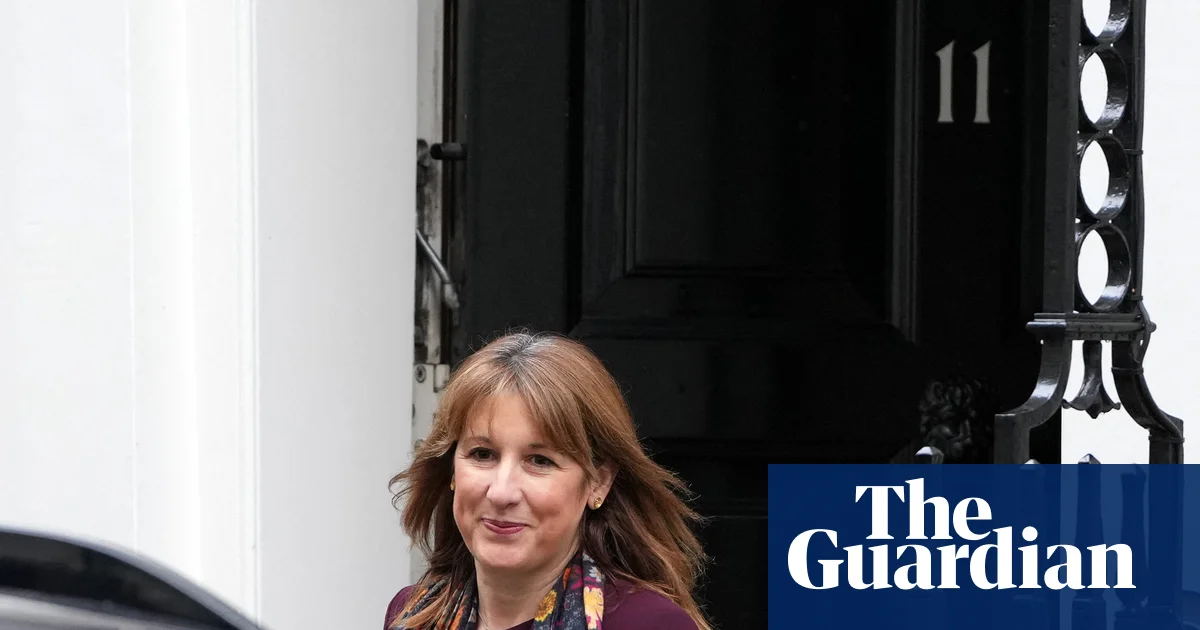
Reeves Targets Benefit Fraud and Raises Two-Child Limit in Budget 2025

UK’s Domestic Policy Moves as Global Power Dynamics Shift

The recent fiscal blueprint announced by Britain’s government underscores a strategic pivot amid mounting economic pressures and escalating international tensions. The decision to scrap the two-child limit for universal credit—a measure long criticized for exacerbating child poverty—marks a significant shift in the nation’s social welfare approach. At a glance, this move appears to prioritize social cohesion and political stability domestically; however, its implications stretch far beyond, influencing the broader balance of power in Europe and the Atlantic alliance. The announcement coincides with a broader effort to project resilience against inflation and rising public debt, with officials emphasizing cost-cutting measures such as freezing rail fares and levies on electricity bills.

Yet, the government’s fiscal strategy faces fierce opposition from both domestic and international analysts. Conservative and reformist voices have criticized the increase in welfare spending as irresponsible, especially against the backdrop of rising taxes for working families. The opposition Labour Party under Sir Keir Starmer defends the budget, arguing that such investments are necessary to uphold social fairness, despite attempts by critics like Kemi Badenoch to frame the policies as a “tax burden on working people.” Meanwhile, the Libertarian-leaning Liberal Democrats warn that further freezes in tax thresholds will push millions into higher tax brackets, stifling economic growth at a critical juncture. This domestic drama underscores a broader geopolitical contest—one where economic stability and social policy serve as battlegrounds for influence and legitimacy.

Internal Controversies and International Repercussions

Amid the government’s focus on welfare reform, questions arise globally about what these changes signify for the UK’s position on the international stage. The proposed reforms to disability benefits and potential cuts to schemes like Motability have triggered protests from disability groups, reflecting a reckoning with social justice policies at a time when the UK seeks to solidify its global image. Historians suggest that these internal struggles reveal the tension between post-Brexit sovereignty and the obligation to adhere to international human rights standards, especially in a climate where international organizations are increasingly scrutinizing national social policies. Furthermore, the UK’s focus on increasing taxes on high-value properties and electric vehicle levies signals an attempt to align fiscal policies with green priorities while balancing public revenues, but critics warn that such measures could alienate middle-class voters whose socioeconomic stability depends on fair taxation.

The impact is particularly palpable when viewed through the lens of geopolitical impact: as the UK recalibrates its domestic policies, especially in welfare and fiscal responsibility, it risks losing influence within broader Western alliances, particularly with Europe grappling with economic uncertainty. The move to increase taxation on the wealthy and properties valued above £2m suggests a conscious effort to re-distribute wealth, but also raises concerns regarding how global financial markets will interpret these signals. Economists warn of the possibility of capital flight and reduced foreign investment if perceptions of fiscal instability persist, directly affecting the UK’s ability to project soft power within European and global forums. This internal political maneuvering, therefore, holds profound consequences for international stability: a nation balancing its social priorities while navigating an increasingly competitive geopolitical landscape.

Conclusion: The Epochal Choices Define the Future

As Britain crafts its new austerity measure and social policy landscape, the weight of history presses heavily upon its shoulders. The decisions made today—discussed among politicians, analysts, and international institutions—will ripple across generations, shaping perceptions of justice, economic resilience, and national sovereignty. This is a moment of transition—one that could redefine the UK’s role on the world stage as it faces internal dissent and external pressure. Will these reforms forge a resilient society capable of withstanding global upheavals, or will they fracture the social fabric that once made the nation a beacon of stability? The answers lie ahead, etched into the unfolding chapters of history where every policy, every debate, leaves an indelible mark on the collective destiny of nations.

US to Limit Refugees, Prioritize White South Africans in Immigration Policy

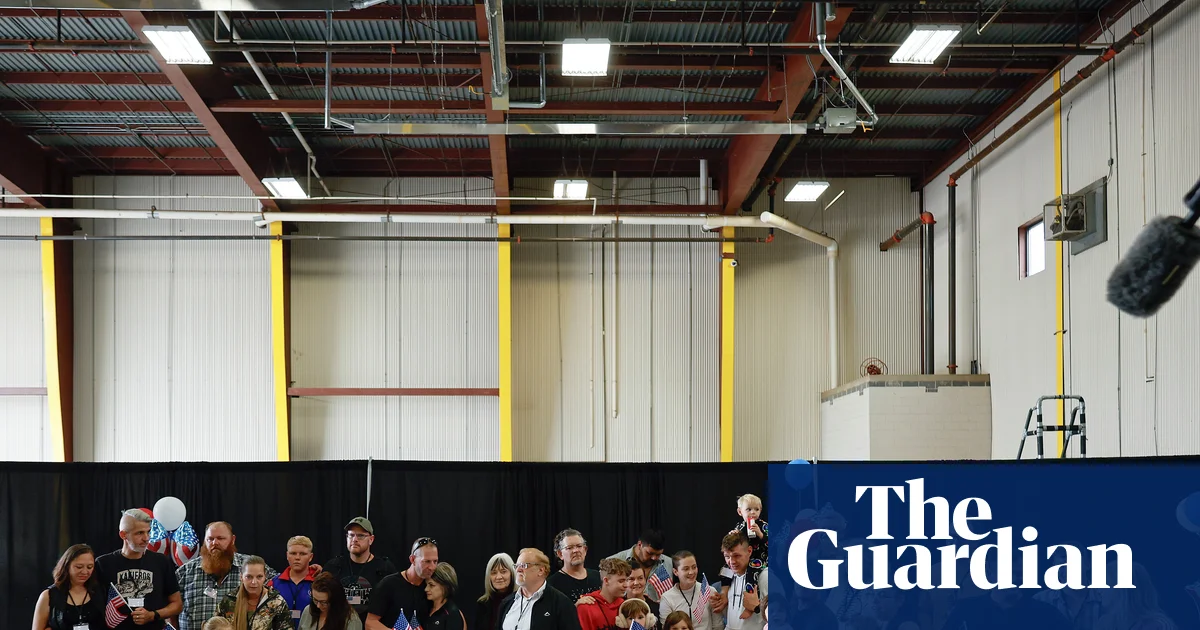
In a move that signals a profound shift in U.S. foreign policy and immigration stance, the Trump administration has announced plans to drastically reduce refugee admissions for the 2026 fiscal year to a mere 7,500 individuals. This decision marks a significant departure from the previous Biden administration target of 125,000 refugees, underscoring a more insular and restrictive approach to international migration. Behind the silence from official channels, rumors suggest that the majority of these limited admissions could potentially favor white South Africans, signaling a controversial prioritization that has alarmed advocates for humanitarian relief and critics across the globe.

Such drastic cutbacks inevitably carry geopolitical implications that extend far beyond domestic policy. Historically, refugee flows have been a barometer of global stability, and restrictions like these often send ripple effects through international relations and regional alliances. As analysts point out, the decision could embolden authoritarian regimes in regions beset by conflict, providing a signal that the U.S. may retreat from its traditional role as a refuge for the persecuted. The United Nations and other international agencies have expressed concern about the message this sends at a time when global crises, such as conflicts in the Middle East and Africa, are forcing millions to flee their homes.

Furthermore, this shift reveals deepening fissures in global migration policies and highlights the contentious debate surrounding national sovereignty versus international responsibility. Critics warn that such restrictive policies could undermine longstanding commitments to humanitarian ideals enshrined in international treaties like the 1951 Refugee Convention. More alarmingly, the silence and opacity surrounding the decision indicate a possible strategic move to reset America’s image on the world stage — yet at what cost? These policies risk alienating traditional allies and destabilizing regions where refugees seek safety, compounding the international community’s challenges in addressing human suffering.

Leading voices in geopolitics, including local historians and international think tanks, warn that these developments will be remembered as a pivotal point in the decline of American influence on human rights standards. As the global order continues to shift, the weight of history presses heavily upon the current leadership’s decisions, with the potential to reshape the coming decades. In an era marked by crisis and contention, the world watches cautiously, aware that the unfolding chapters of this story could define new alliances, fracture old ones, and leave a lasting mark on humanity’s collective conscience. As the borders tighten and the rhetoric hardens, the question remains: how will nations reconcile their ideals with the stark realities of a fractured world?

Social Media Auto Publish Powered By : XYZScripts.com



