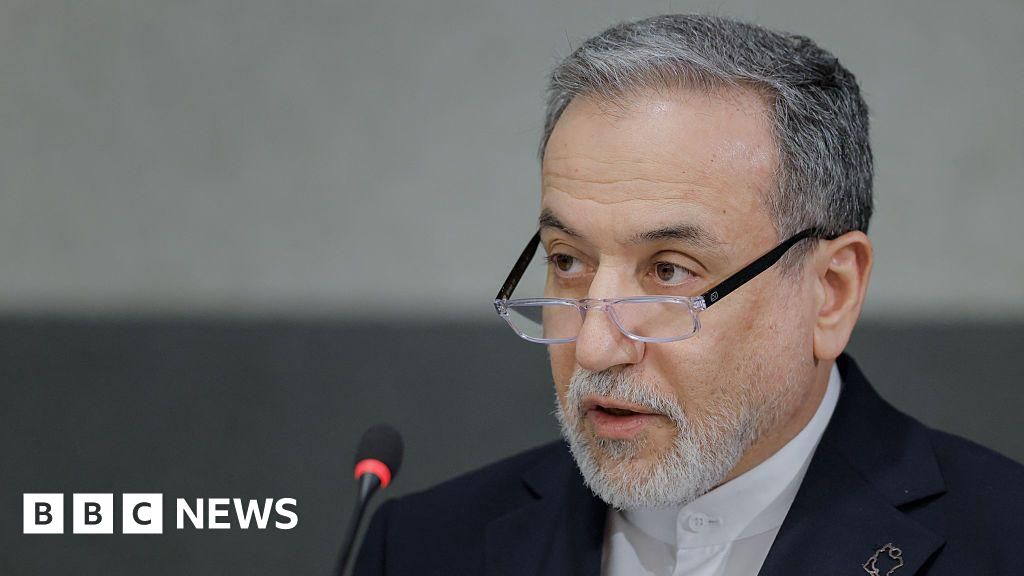

In a rapidly evolving geopolitical landscape, President Donald Trump issued a stark new threat against Iran just days after he suggested the Middle Eastern nation had approximately ten days to accept a comprehensive deal aimed at restricting its nuclear ambitions. This provocative stance underscores a broader shift in U.S. foreign policy, emphasizing maximized pressure and increased brinkmanship. The timing and rhetoric raise fresh concerns over the potential unraveling of diplomatic efforts that have sought to stabilize the region and prevent the proliferation of nuclear weapons.
The immediate aftermath of Trump’s announcement has already reverberated across global capitals and international institutions. Major powers such as Russia and China, along with European allies, have expressed alarm over what many interpret as a return to a confrontational posture that risks plunging the region into renewed instability. The United Nations Security Council and other multilateral platforms are closely monitoring developments, with some analysts warning that miscalculations or accidental escalations could ignite regional war or diminish fragile diplomatic gains made over recent years. These fears are compounded by recent historical patterns where diplomatic deadlines have often precipitated crises, energizing hawks who favor an uncompromising approach towards Iran’s nuclear program.
Generally perceived as a critical juncture in ongoing negotiations, the situation has sparked commentary from historians and security experts warning against the dangers of rigid ultimatums. Notably, international organizations like the International Atomic Energy Agency (IAEA) stress the importance of sustained diplomacy. “Decisive actions that ignore the complex web of regional and global interests risk undermining decades of diplomatic progress,” said Dr. Laura Matthews, a renowned geopolitical analyst. Her words echo concerns among many in the international community who view Iran’s nuclear pursuits less as an immediate threat and more as a complex negotiation with significant long-term implications for global security and regional stability.
- The recent escalation underscores the fragile balance of power in the Middle East, where alliances are shifting and mistrust runs deep.
- U.S. allies in Europe and the Gulf Cooperative Council have issued mixed responses, with some urging restraint and others expressing support for a firm stance.
- Diplomatic efforts, including recent talks in Vienna and Geneva, aim to revitalize the 2015 Joint Comprehensive Plan of Action (JCPOA), yet these negotiations now face unprecedented hurdles.
As the world watches with bated breath, the unfolding drama risks settling into a decisive moment that could determine the future of global peace and security. The complex interplay of national interests, ideological divides, and historical grievances suggests that this is more than a simple matter of diplomacy—it is a test of the international community’s collective will. The decisions made in this critical window could either usher in a new era of cooperation or plunge entire regions into chaos. The weight of history presses heavily on the shoulders of current leaders, and once the course is set, the ripple effects will resound for generations to come, transforming the geopolitical landscape in ways yet unforeseen. Here, at this precipice, the world stands on the edge of a new chapter—one that will be written by those who dare to shape the future amidst the shadows of past conflicts.