Matox News

Truth Over Trends, always!

PM hints at limiting protests to maintain order and stability

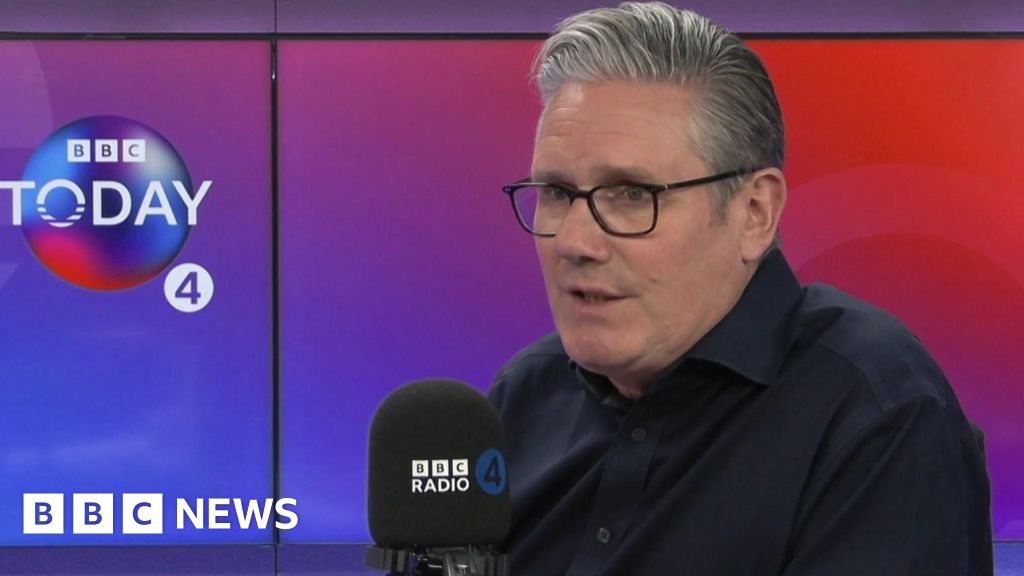
In a recent statement to the BBC, Prime Minister expressed concern over the “cumulative” impact of marches on the Jewish community. This declaration underscores the ongoing tension between national security concerns and the exercise of civil liberties—an age-old chess match that continues to define the political landscape. While many see such marches as a form of free expression, the government’s framing of these demonstrations as potentially destabilizing raises questions about the boundaries of individual rights in the face of community safety. The incisive words from the PM serve not just as a reflection of current anxieties but also as a signal of how power struggles are shaping the social fabric, especially at the intersection of identity and state authority.

Historically, discussions surrounding the limits on free assembly have often pitted state security against civil liberties. Political theorists like John Stuart Mill emphasized the importance of free speech but also acknowledged that such freedoms could have harmful consequences if wielded irresponsibly. Today, constitutional experts debate whether the government’s recent rhetoric reflects a shift in constitutional interpretation—towards prioritizing social cohesion over unrestrained expressive rights. The decision to scrutinize or potentially restrict marches is rooted in a broader power struggle, one where governments seek to consolidate authority in the name of protecting communities, yet risk undermining the fundamental democratic principle that guarantees free expression. The delicate balance between security and liberty remains at the crux of this debate, where each decision reverberates through the collective consciousness, shaping how the people perceive their rights and their government.

Amid these tensions, political parties harden their narratives, with some aligned with law and order agendas emphasizing the preservation of social peace, while others advocate for robust protections of civil liberties. The government’s concerns may also reflect a strategic move to shore up support among voters who are increasingly wary of social unrest—and who see the government’s role as a guardian against perceived threats. This is reminiscent of historical parallels: the rise of authoritarian tendencies in times of social upheaval or the imperial logic that justifies overreach in the name of national stability. Such conflicts are not mere policy disputes but are indicative of the relentless power struggle over the future shape of society. The decisions made about these marches will define not only the limits of permissible expression but also how the state delineates its role in safeguarding what it deems the “common good.”

Ultimately, politics operates on a stage where power is constantly contested and where each decision writes part of the narrative that defines a nation’s destiny. As the government grapples with controlling dissent and managing community tensions, we are reminded that the course of history is often dictated in these moments of confrontation. The question remains: will the current policies forge a society grounded in enduring liberty, or will they steer us into a future where power is wielded less as a service to the people and more as an instrument of control? The answer, much like the outcome of this ongoing struggle, is yet to be written—on the pages where the destiny of nations is forever inscribed.
Poole School Clamps Down on KPop Demon Hunters Songs, Limiting Youth Voice

Societal Tensions Collapse into Schoolyard Politics as Cultural Shifts Trigger Debate

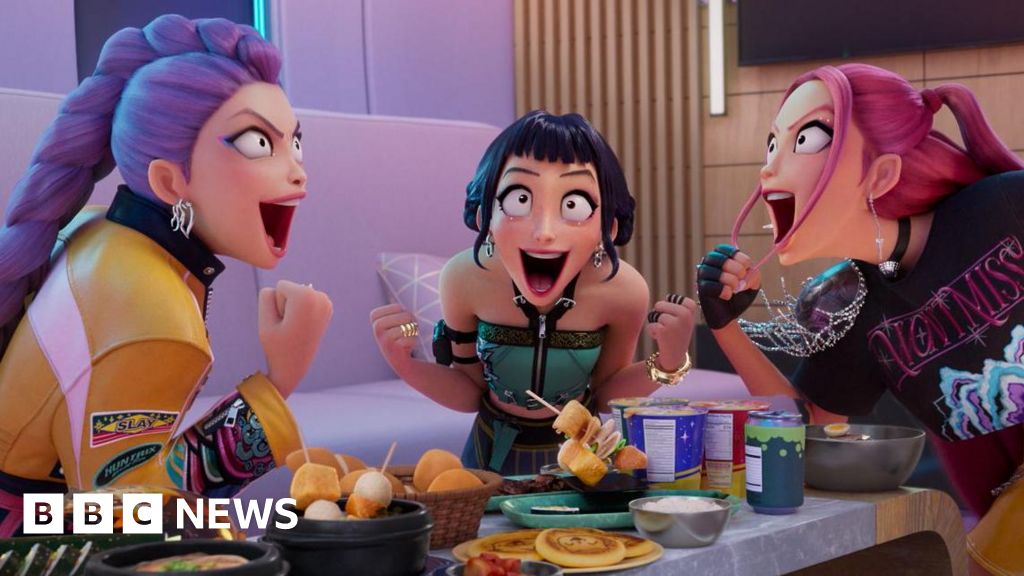
In the quaint town of Poole, Dorset, a recent controversy at Lilliput Church of England Infant School has exposed the deep fissures that can arise within communities grappling with changing social norms. The school’s decision to ban a popular song from the Netflix animated film KPop Demon Hunters—citing concerns about its “Christian ethos”—has ignited a broader debate over how cultural shifts and demonic imagery influence the moral fabric of our youth. This incident exemplifies a societal struggle: balancing the zeal to protect traditional values while fostering an inclusive environment and recognizing that social issues extend far beyond the classroom.

At the core of this controversy is a clash of moral perceptions and generational values. The school asserted that references to demons and themes of temptation, embedded in the film’s narration and songs, pose a moral challenge for some community members. According to acting head teacher Lloyd Allington, the decision was motivated by a desire to support families who find such themes “challenging.” This response reflects an ongoing societal trend where moral anxieties—particularly those rooted in religious doctrines—shape educational content and community activities. Sociologists like Dr. James Davison Hunter have noted that in these moments, society often reverts to moral absolutism as a mechanism for social cohesion, particularly when confronting rapid demographic and cultural changes.

However, critics highlight that such protective reactions can inadvertently harm the social cohesion and mental wellbeing of young learners. One parent argued that “my daughter is very into K-pop and her friends love the music,” emphasizing the importance of children experiencing diverse cultural expressions. The conflict here underscores a fundamental issue: how to cultivate resilience and critical thinking among youth without succumbing to fear-based censorship. Educational experts warn that overprotecting children from media representations can limit their capacity to navigate complex moral landscapes, especially when such representations reflect contemporary societal issues like identity, temptation, and moral ambiguity.

  • Rising concerns over the impact of media with darker themes on young minds.
  • Community debates over the influence of popular culture and moral standards.
  • Educational institutions struggling to find a balance between safeguarding values and promoting open-mindedness.
  • Calls for fostering dialogue on diversity of beliefs within increasingly multicultural societies.

Reflecting this societal tension, social commentators like philosopher Dr. Michael Sandel argue that the challenge for modern communities lies in fostering spaces where “conflicting moral views can collide without fracturing the social fabric.” The incident at Lilliput School underscores the importance of promoting understanding and respect for differing beliefs—whether they stem from faith, culture, or personal experience. While some fear that exposure to darker themes might corrupt innocence, others see it as an essential part of education, cultivating morally aware, culturally literate citizens. As society navigates these turbulent waters, the hope remains that through open dialogue and mutual respect, communities can move toward a future where young minds are empowered to question, reflect, and ultimately forge their own moral compass.

In the end, society’s greatest challenge is not merely in policing the content children consume, but in planting seeds of moral resilience and empathy. Just as a fertile land requires nourishing soil, our communities need to nurture conversations rooted in understanding rather than fear. Society stands on the cusp of a transformation—one in which tradition and progress may coexist, offering a vision of hope where the youngest generation navigates complexity with courage and clarity. For in these moments of cultural clash, there lies an opportunity for society to reimagine the moral landscape—an enduring testament to the resilience of community, faith, and the indomitable spirit of youthful enquiry.

Social Media Auto Publish Powered By : XYZScripts.com



