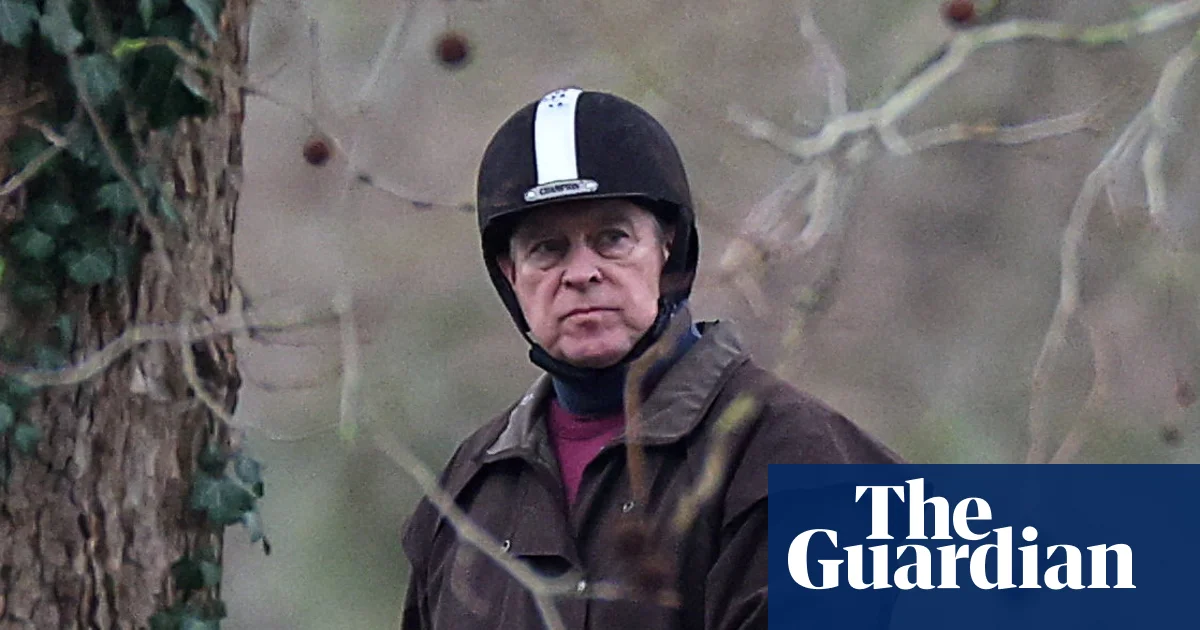

In what continues to be a defining chapter for the British royal family, fresh allegations connecting Prince Andrew to Jeffrey Epstein’s nefarious activities threaten the very fabric of the monarchy’s credibility. As British police scrutinize claims that Epstein facilitated sexual encounters with the former prince—a revelation that surfaced amid the release of classified US Department of Justice documents—the international community watches with a mix of skepticism and concern. The recent move of Prince Andrew out of the Royal Lodge to a temporary residence on the Sandringham Estate underscores internal royal turmoil and a diminishing reputation that impacts global perceptions of Britain’s aristocracy. Such disclosures, amplified through leaked emails and photographs, spotlight the broader uprising of criminal investigations into elite power and the potential for scandal to ripple beyond national borders.
- Allegations suggest Epstein’s operatives, including Jeffrey Epstein himself, may have trafficked women, including a woman claiming she was taken to Windsor in 2010 for sex with Prince Andrew.
- US documents reveal disturbing correspondence and photographs linking the royal to Epstein’s circles, raising questions about the extent of royal-corporate-elite collusions.
- While Thames Valley Police assess the allegations, critics argue that in the face of formidable international scrutiny, the royal family’s reputation is irrevocably compromised, threatening the UK’s political and social stability.
Historically, Britain’s monarchy has wielded soft power, symbolizing stability and tradition. Yet, these recent revelations threaten to fracture that narrative, inviting international skepticism about the accountability of the aristocracy. Many analysts suggest that, in an era driven by transparency and social justice, the royal family’s staunch secrecy only fuels suspicion. The United States has intensified its investigations, releasing over 3 million Epstein-related documents hinting at clandestine networks tying corporate, political, and high-society figures together. The release includes email references to Mountbatten-Windsor and his ex-wife, Sarah Ferguson, revealing continued contact with Epstein immediately after his 2010 house arrest—undermining official denials of involvement. Such evidence stokes fears that even the most established institutions may harbor complicity in the face of unchecked power.
As the international community grapples with the implications, voices within the UK and beyond warn of broader geopolitical fallout. The scandals threaten to weaken the soft diplomatic influence traditionally associated with the monarchy and raise questions about the unchecked freedoms of a class that often operates beyond scrutiny. As historian Dr. Gerald Matthews notes, “The royal family’s survival increasingly depends on its ability to adapt to the demands of accountability—failures here could usher in decades of decline.” Meanwhile, British lawmakers face mounting pressure to reevaluate the monarchy’s role amidst accusations of complicity and cover-up. Still, the defining fate of this scandal remains unresolved, casting a shadow over Britain’s image on the world stage. Will this be a turning point or merely another chapter in a long, tangled history of aristocratic excess? The answer may well determine the future trajectory of Britain’s place in an ever-changing international order.
As history continues to unfold, the weight of unresolved charges, leaked evidence, and shifting allegiances stands as a stark reminder that no institution, no matter how ascendant, can escape the relentless tide of truth. The spotlight now falls on elements larger than individual corruption—the fundamental questions of justice, morality, and the integrity of power itself. With every revelation, the world seems to hold its breath, waiting for the murmur of justice to swell into a clarion call that reshapes the landscape of global influence—an ongoing struggle where today’s secrets are tomorrow’s upheavals, and history’s verdict awaits in the shadows of the present.