
Matox News

Truth Over Trends, always!

DNA on glove links suspect video to Nancy Guthrie case

In a significant shift that has captured global attention, Iran has signaled an willingness to engage in negotiations aimed at resurrecting the long-dead Joint Comprehensive Plan of Action (JCPOA). According to Majid Takht-Ravanchi, Iran’s deputy foreign minister, the path to a deal now hinges on the actions of the United States. Speaking to BBC Tehran, Takht-Ravanchi emphasized that “the ball is in America’s court to prove that they want to do a deal,” marking a notable rhetorical turn from Iran’s previously implacable stance. This development highlights the volatile, yet potentially pivotal, phase in the ongoing nuclear diplomacy that has implications not just for Middle East stability, but for the broader international order.

The context surrounding these diplomatic signals is layered with decades of tension rooted in Iran’s nuclear ambitions and the cautious oversight of international organizations like the International Atomic Energy Agency (IAEA). Since the U.S. withdrew from the JCPOA under the Trump administration in 2018, Iran’s nuclear activities have advanced substantially, provoking concerns of a regional arms race and destabilizing efforts to contain proliferation. Analysts warn that the current momentum towards negotiation, if genuinely pursued, could serve as a critical turning point to de-escalate one of the most volatile flashpoints in global geopolitics.

Many international observers, including policymakers within the European Union and strategic think tanks like the International Crisis Group, argue that the decision by Iran to reopen dialogues represents an opportunity—albeit a fragile one—to restore diplomatic norms and curb nuclear proliferation. However, they also caution that U.S. policy must demonstrate clear, verifiable commitments to revive the deal, and that failure to do so could solidify Iran’s resolve to pursue an independent nuclear path. The diplomatic dance is complex, and each move carries the weight of history, threatening to plunge the region into further chaos or move toward a measure of stability.

The geopolitical impact of this development extends well beyond Iran’s borders. For Israel and the Gulf Cooperation Council (GCC) countries, a renewed nuclear agreement could temper fears of an arms race, but it also raises concerns about how long Iran’s promise of compliance will last. On the other hand, critics of the deal suggest that reopening negotiations might merely allow Iran to buy time while continuing to expand its influence across the Middle East through regional proxies and strategic alliances. The outcome remains uncertain, but what is clear is that each diplomatic move is watched closely by global superpowers—China, Russia, and the United States—each with their own stakes in shaping Iran’s future.

As international organizations and regional actors analyze the unfolding diplomacy, the story remains deeply intertwined with the broader narrative of power, influence, and the relentless pursuit of national interests. As history continues to unfold, the world waits, charged with anticipation and the weight of countless unresolved conflicts. In this pivotal moment, the decisions made today will echo through generations, determining whether the next chapter in Iran’s story will be written in the language of diplomacy or chaos—reminding us that in geopolitics, history’s pen is never still.

Officials probe DNA links at Nancy Guthrie’s home in recent investigation

In a development that could have far-reaching geopolitical repercussions, local authorities have announced that they are working to identify an individual through genetic evidence, though details about the evidence’s exact origin remain undisclosed. The sheriff’s department has emphasized that the investigation is ongoing, but the ambiguity surrounding the source of the DNA raises questions that echo in international corridors of power, especially as this incident intersects with broader issues of security, sovereignty, and global cooperation.

The uncertainty surrounding the unidentified DNA underscores the challenges faced by law enforcement agencies tasked with safeguarding national security in an increasingly interconnected world. While officials have refused to disclose where the DNA was recovered, experts suggest that such evidence, if linked to criminal activity or clandestine crossings, could potentially involve international actors. Analysts from organizations like INTERPOL warn that insufficient transparency in these investigations can complicate efforts to identify threats and foster trust among nations. The failure to reveal the geographic origin of the evidence hints at an underlying sensitivity that could suggest involvement or implications extending beyond local jurisdiction, possibly touching upon transnational criminal networks or foreign interference.

Historically, DNA evidence has been pivotal in defining security contours, especially when linked to international conflicts or covert activities. Experts like renowned historian Dr. Maria Jensen have noted that such incidents often serve as “early warning signals for larger geopolitical shifts,” emphasizing that *the response of nations to these unidentified threats often reflects underlying tensions and strategic ambitions.* The global community remains alert to how small pieces of evidence—such as an undisclosed DNA sample—can ignite disputes, escalate tensions, or provoke geopolitical realignments. In effect, this seemingly minor investigation may serve as a catalyst for conversations about border integrity, surveillance, and international law enforcement cooperation, especially amidst rising geopolitical hostilities elsewhere.

Organizations such as United Nations and regional bodies are closely observing developments, understanding that decisions made in local jurisdictions ripple outward across international borders. The incident highlights the delicate balance between a nation’s right to investigate internal matters and the collective responsibility to maintain global stability. As voices within the geopolitical community debate whether this discovery signifies a new form of threat or is merely a routine investigation, the broader implications remain open-ended. This is a reminder that the fabric of history is woven with these small yet significant threads—each discovery potentially shifting the balance of power. As nations grapple with these uncertainties, the weight of unpredictable geopolitical currents continues to surge beneath the surface—unseen yet undeniably powerful—poised to reshape the future in ways yet to be understood.

Trump to launch investigation into Epstein’s links with Clinton and financial institutions

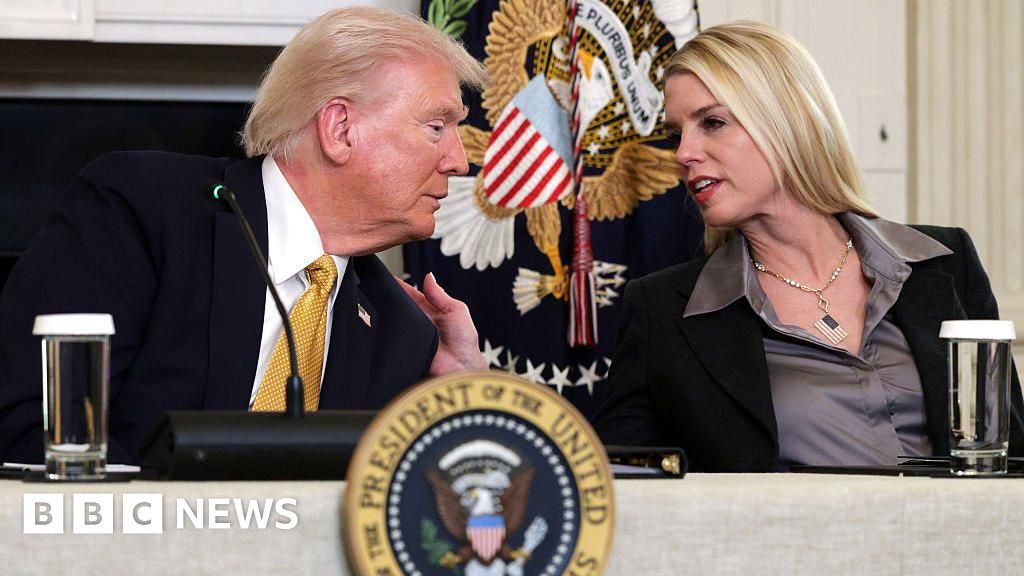
As U.S. politics continues to grapple with unresolved questions surrounding Jeffrey Epstein and his network, President Donald Trump has directed the Department of Justice (DoJ) and FBI to investigate alleged links between Epstein, major financial institutions, and prominent Democrats, including former President Bill Clinton. This move coincides with the recent release of over 20,000 pages of documents from Epstein’s estate, revealing connections that threaten to ignite a new wave of political turmoil. Critics and analysts warn that this investigation could significantly alter the geopolitical landscape, exposing the deep-rooted corruption embedded within America’s elite institutions.

The renewed scrutiny comes at a pivotal moment when the House of Representatives is poised to vote on whether to declassify and release official files related to Epstein’s death in prison in 2019. This decision, driven by Democrat Adelita Grijalva and a coalition of bipartisan support, threatens to unearth scandalous disclosures involving high-profile figures and financial giants like JPMorgan Chase and Reid Hoffman, a prominent Democratic donor and tech mogul. These revelations suggest a web of clandestine ties that, if confirmed, could redefine public trust and the perception of moral decay at the heart of global power structures.

Historically, the geopolitics of corruption has shaped international alliances and destabilized governments. Experts warn that America’s internal crisis echoes through the fabric of the global order, especially as international organizations like the United Nations and EU scrutinize Washington’s integrity. Political analysts cite the emails and correspondence from Epstein’s associates—such as former Harvard president Larry Summers—to demonstrate how elite networks operate behind closed doors, manipulating both policy and society. The revelation of Epstein’s associations with powerful voices raises alarms about the potential influence exerted over international finance and diplomatic negotiations.

Beyond the immediate political fallout, the attempts by House Republicans and conservative voices to push forward the release of Epstein-related files mark a significant shift in the ongoing struggle for transparency and accountability. Figures like Marjorie Taylor Greene emphasize the importance of pursuing justice for Epstein’s victims, framing this issue as a moral imperative to expose the hidden structures of power. As history watches with cautious optimism, the unfolding narrative underscores that the fight against corruption is not solely national but a pivotal chapter that will influence the global order for generations to come. The fate of these documents—whether they remain sealed or become a catalyst for revolutionary change—will be a defining moment etched into the chronicles of modern history, reminding us that the weight of scandal and redemption continues to shape the course of nations.

Social Media Auto Publish Powered By : XYZScripts.com



