Matox News

Truth Over Trends, always!

Australia Politics Live: Tim Wilson Snubs Deputy Role as Taylor and Ley Eye Liberal Leadership Spill

Unfolding Geopolitical Shifts and Domestic Turmoil: Australia’s Political Landscape and International Ripple Effects

In recent days, Australia has been engulfed in a tumultuous political saga that underscores the broader geopolitical ramifications of internal party conflicts and leadership disputes. The Liberal Party’s leadership spill — culminating in the contest between Angus Taylor and Sussan Ley — exemplifies the fragility of political allegiances amid global instability. As the world watches, these disputes are more than domestic skirmishes; they are manifestations of wider ideological battles that could reshape regional alliances and influence Australia’s posture on the international stage.

Numerous analysts, including prominent historians and global institutions, highlight how leadership crises like this ripple beyond national borders. The United Nations and wise geopolitical observers warn that such upheavals weaken a nation’s ability to project strength, particularly in the Indo-Pacific, a region increasingly vital amid the shift of global power dynamics toward China and the United States. The outcome of this spill could determine Australia’s future role — whether as a steadfast ally of Western democracies or an errant actor caught in internal discord. Importantly, the internal disunity, vividly illustrated by the backroom dealings and public statements of figures like Jane Hume and Tim Wilson, signals a nation at a crossroads, whose domestic stability directly influences regional security.

  • The leadership ballot, scheduled to commence at 9 am, reflects a deeper contest within the ruling party—one emblematic of the ideological battles shaping the global conservative movement.
  • Figures such as Jacinta Nampijinpa Price and Sarah Henderson show heightened interest in repositioning conservative policies, signaling internal struggles over Australia’s strategic direction.
  • The broader international implications include intensified concerns over freedom of speech and foreign influence, especially as protests unfold over the Israeli president’s visit, symbolizing heightened geopolitical tensions that resonate globally.

Indeed, as Australian leaders grapple with their party’s consolidation or disintegration, global sentiments also hang in the balance. The International Monetary Fund and World Bank have issued cautions about regional stability, emphasizing that internal political crises can impair economic resilience and diplomatic credibility. This week’s events serve as a stark reminder that internal division can undermine a nation’s capacity to navigate the complex currents of international diplomacy and economic competition. The appointment of Bruce Preston to the Reserve Bank’s interest rate committee signals a pivot toward technical expertise, yet the chaos within the Liberal ranks underscores the volatility that continues to define Australian politics. As the nation votes to determine its future leadership, historians caution that today’s decisions are shaping a history where internal upheavals are the harbingers of larger shifts.

In a world where national sovereignty is increasingly tested by external forces, Australia’s internal crises echo broader themes of resilience and vulnerability. The protests by the Jewish community and others against Herzog’s visit exemplify the societal fractures—a microcosm of the geopolitical turbulence that characterizes this era. As the dust settles and new leaders emerge, the shadow of history reminds us that these moments of political turbulence are but chapters in a larger narrative—one where the decisions made today will influence the global balance of power for generations to come. The unfolding story of Australia’s leadership contest, intertwined with regional tensions, serves as a stark reminder: in an interconnected world, internal discord can become the catalyst for profound, lasting change.
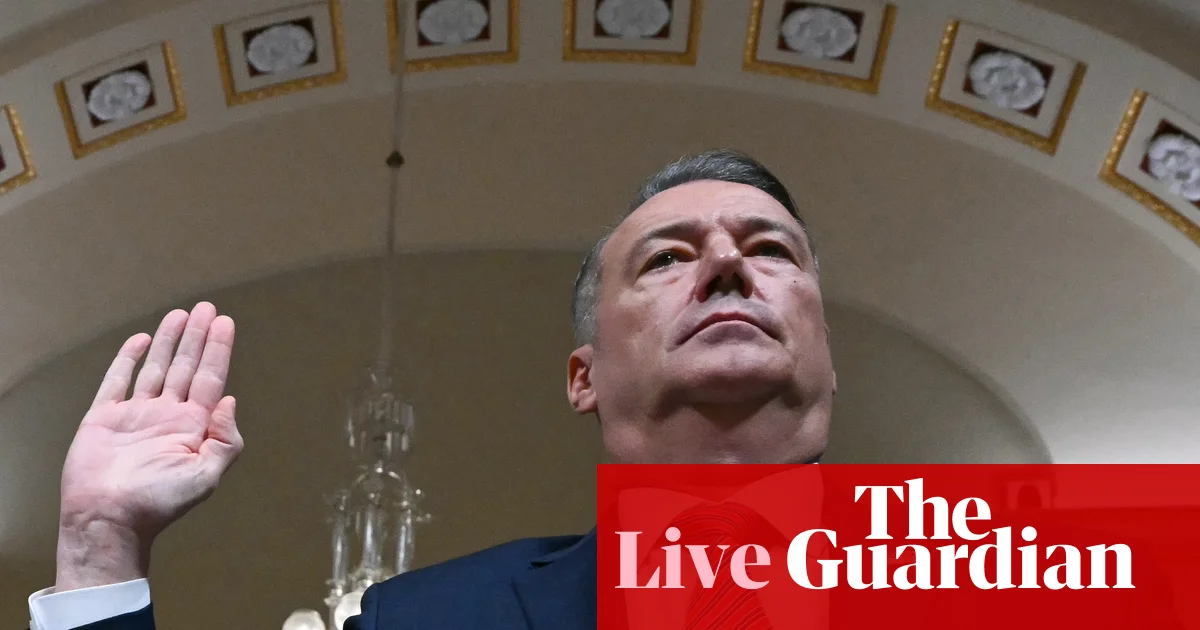
DHS Officials Confront Lawmakers Over Immigration Funding Deadlock — Live Update

The unfolding news from Washington D.C. underscores a pivotal moment in American and international geopolitics, marked by internal turmoil, high-stakes negotiations, and escalating conflicts over immigration policies. As President Donald Trump faces scrutiny and opposition over aggressive immigration enforcement and recent deadly incidents involving federal agents, the U.S. Congress remains deeply divided on how to proceed with funding for Homeland Security and managing the chaos at the border. This domestic gridlock and upheaval are sending ripples across the global stage, with regional alliances and trade relations hanging in the balance.

The recent testimony by top officials from ICE, CBP, and USCIS before Congress reveals a Department engulfed in crisis. Acting ICE Director Todd Lyons boldly declared that agents are facing “the deadliest operating environment in agency history,” citing unprecedented border crises fueled by policies from the previous administration. Meanwhile, congressional hearings highlighted disturbing accusations of excessive force and lack of accountability, with calls from Democrats for immediate leadership changes. These internal conflicts—alongside revelations of misconduct, such as the pepper spraying of civilians including children—are fueling fears of a wider erosion of trust in U.S. law enforcement and governance.

Simultaneously, the administration’s ongoing negotiations over DHS funding expose a broader struggle for control and authority. With funding set to lapse on February 13th, bipartisan efforts to resolve the deadlock are stymied by fundamental disagreements over immigration enforcement, transparency, and oversight. The GOP insists on measures like expanded vetting and restrictions on protests, whereas Democrats demand reforms to curb abuses and restore public confidence. As analysts warn that a government shutdown would weaken national security, the geopolitical fallout becomes increasingly evident—not just as an internal American matter but as a challenge to U.S. credibility on the world stage.

Adding an international dimension, President Trump’s recent aggressive rhetoric against Canada—threatening to block a vital bridge and falsely claiming that trade with China would include a ban on ice hockey—illustrates his unpredictable approach to diplomatic relations. Formerly a supporter of the Gordie Howe International Bridge, Trump’s threats threaten to disrupt a critically important economic link between the two North American neighbors, jeopardizing regional stability and economic cooperation. Experts at the International Institute for Strategic Studies warn that such provocative tactics risk reigniting old tensions and undermining longstanding alliances. As the geopolitical weight of the U.S. shifts inward amid political chaos, allies and adversaries alike are recalibrating their strategies, watching with cautious suspicion as America’s internal divisions threaten to spill over into global influence.

Historians warn that moments like these—marked by internal disputes, public unrest, and foreign policy unpredictability—are often when nations’ fates are truly decided. Whether the U.S. can address its core issues of accountability and reform will determine not only its future stability but also its standing among the free nations of the world. As the weight of history presses down, the unfolding drama in Washington promises one thing: the next chapter in America’s story is still being written, and the outcome remains painful, uncertain, and profoundly consequential for the arc of global power.

Live Nation’s Monopoly Battle Spurs Friction in Trump’s DOJ

Live Nation’s Antitrust Saga Signals Disruption in the Live Entertainment Sector

The ongoing legal confrontation between Live Nation and the U.S. Department of Justice (DOJ) underscores a critical turning point for the entertainment industry, where technological innovation and market power are increasingly under scrutiny. The DOJ’s May 2024 lawsuit aims to break up Live Nation-Ticketmaster, alleging that its dominant position in ticket distribution stifles competition and limits consumer choice. This case is viewed as a significant test for how antitrust regulations will evolve amidst a landscape increasingly shaped by digital platforms and market consolidation.

Interestingly, reports suggest that Live Nation executives have attempted to bypass the traditional antitrust channels, opting instead to negotiate directly with sympathetic senior officials—an indication of the high stakes involved. According to Semafor, some of these negotiations have excluded antitrust chief Gail Slater, who advocates for a trial scheduled for March—a move that highlights ongoing internal disagreements within the DOJ on how aggressively to pursue the case. Such intra-agency debates reflect broader industry tensions, where industry giants’ influence clashes with regulatory efforts to preserve competitive dynamics. Market observers note that this discord signals a potential shift towards a more cautious approach to antitrust enforcement, driven in part by a pro-business administration that favors technological innovation and free-market principles.

The implications for business are profound. Disruption in the ticketing domain exemplifies how consolidated power can threaten market innovation and consumer access. Some analysts argue that the case could set a precedent for breaking up other dominant tech-enabled enterprises—potentially transforming how digital ecosystems operate. As MIT economists point out, the intersection of market dominance and technological innovation will require regulatory frameworks that balance preventing monopolistic practices and encouraging disruptive business models. The industry is on edge, as a court ruling against Live Nation could herald a new era of market decentralization—or further entrench existing giants, depending on the outcome.

Industry leaders like Elon Musk and Peter Thiel have long championed disruption-driven innovation, emphasizing the importance of competitive markets for technological progress. Today’s legal battles indicate a pivotal moment where government intervention may either curb monopoly power or inadvertently hinder innovation by overly restricting large-scale corporate consolidation. With Gartner forecasting a rapid rise in industry shifts driven by AI and digital platforms, the stakes are higher than ever.

The future of the live entertainment industry hinges on how regulators navigate this complex landscape. Will they champion a broken-up, more competitive marketplace conducive to innovation? Or will they uphold the status quo, empowering incumbent giants and risking further stifling of disruptive startups? The outcome of the Live Nation case could redefine the industry’s trajectory, with repercussions extending into how digital platforms influence market dynamics across sectors. As technology continues its relentless march forward, stakeholders must act swiftly to adapt—recognizing that in the arena of innovation and disruption, the clock is ticking, and the future belongs to those who grasp the opportunities now emerging from the chaos.

Super Bowl 2026: How to Catch Bad Bunny’s Epic Live Performance and Ride the Trend Wave

While football may not be everyone’s cup of tea, one universal language that continues to captivate diverse audiences worldwide is music. And this year, the spotlight is squarely on Bad Bunny, whose upcoming Super Bowl LX halftime show is poised to be more than just a musical performance — it’s a cultural event that bridges generations and demographics. As the reigning king of Latin trap and reggaeton, Bad Bunny has morphed beyond music into a social force, embodying shifting attitudes among youth and influencing mainstream trends.

The Super Bowl, long celebrated as a sporting spectacle, has also become a canvas for cultural icons and social commentary. With its _cultural impact_ increasingly rooted in diverse performances, the halftime show is now a key moment for social relevance. This year’s lineup featuring Bad Bunny highlights a broader societal shift towards embracing multicultural and cross-genre influences. Influencers like TikTok creators and music analysts emphasize how his presence not only boosts viewership but also signals an ongoing _shift in social norms_ — where youthful, globalized voices are gaining prominence in traditional arenas.

Moreover, the social relevance of this trend isn’t just about entertainment but about identity and representation. Bad Bunny has consistently challenged stereotypes by integrating gender-fluid fashion, outspoken advocacy for social justice, and a rebellious attitude that resonates with young audiences seeking authenticity. Sociologists note that his rising popularity exemplifies a _redefinition of masculinity and cultural expression_ among the youth, making him more than a music icon — he’s a movement catalyst. As the cultural landscape continues to evolve, the question arises: how will this influence future trends in entertainment and societal norms?

From influencers to sociologists, there’s a consensus that Bad Bunny‘s appearance at the Super Bowl is a sign of things to come — a merging of sport, music, and social activism that could redefine what it means to be a cultural icon in the digital age. Yet, the next big question remains: is this shift sustainable or just a passing wave driven by viral moments? As audiences grow more socially conscious and craving authenticity, the answer to that question could shape the next era of youth-driven cultural influence. Regardless, the world will be watching, and for many, this Super Bowl halftime will be remembered as much for the spectacle as for its emblematic role in this ongoing societal shift.

Super Bowl 2026: Seahawks Clash with Patriots — Live Updates from Super Bowl LX

In a year marked by unprecedented international upheavals, major geopolitical shifts continue to reshape the global landscape, raising questions about the future stability of nations and societies. The recent decision by the United States to reconsider longstanding alliances has sent ripples through diplomatic circles worldwide. Traditionally, alliances such as NATO have been pillars of Western security, yet recent rhetoric from Washington hints at a possible re-evaluation of commitments, at a time when global threats demand cohesive responses. Analysts from the International Crisis Group warn that these moves could embolden revisionist powers, destabilizing the delicate balance that has maintained relative peace since the end of the Cold War.

Meanwhile, China continues its assertive expansion into the Indo-Pacific, challenging traditional power structures and fomenting regional tensions. Recent military exercises near contested waters are viewed by many experts as a calculated show of strength, signaling an intentional shift in the balance of power. Countries like India and Japan are caught in the middle, reassessing their defense postures amidst fears of escalation. The International Monetary Fund warns that these geopolitical tensions could have profound economic consequences, disrupting supply chains and affecting global markets—yet, for nations involved, these strategic calculations are increasingly critical to their national security and sovereignty.

In addition, Russia has continued its relentless influence operations across Eastern Europe and the Middle East, underlining a trend that many see as a direct challenge to the post-World War II international order. From the annexation of Crimea to complex entanglements in Syria, Moscow’s actions are pushing Western policymakers into difficult alliances and decisions. Historians like Anne Applebaum argue that these responses could revive Cold War-era dynamics, with dangerous implications for global stability. United Nations diplomats face increasing pressure to mediate, but some warn that existing diplomatic efforts are too fractured to stem the tide of confrontation.

These international shifts are reshaping more than just diplomacy; they are fundamentally affecting societies worldwide. The decisions made by powers like the US, China, and Russia influence everything from economic stability to the daily lives of civilians. As leaders grapple with the new reality, future historians may see this period as a pivotal chapter—a time when global alliances fractured and reformed, and the very fabric of international peace was tested. The decisions taken today could well define the next century, as the weight of history presses heavily upon the world’s shoulders, leaving humanity to navigate an uncertain path through the shadows of its own making.

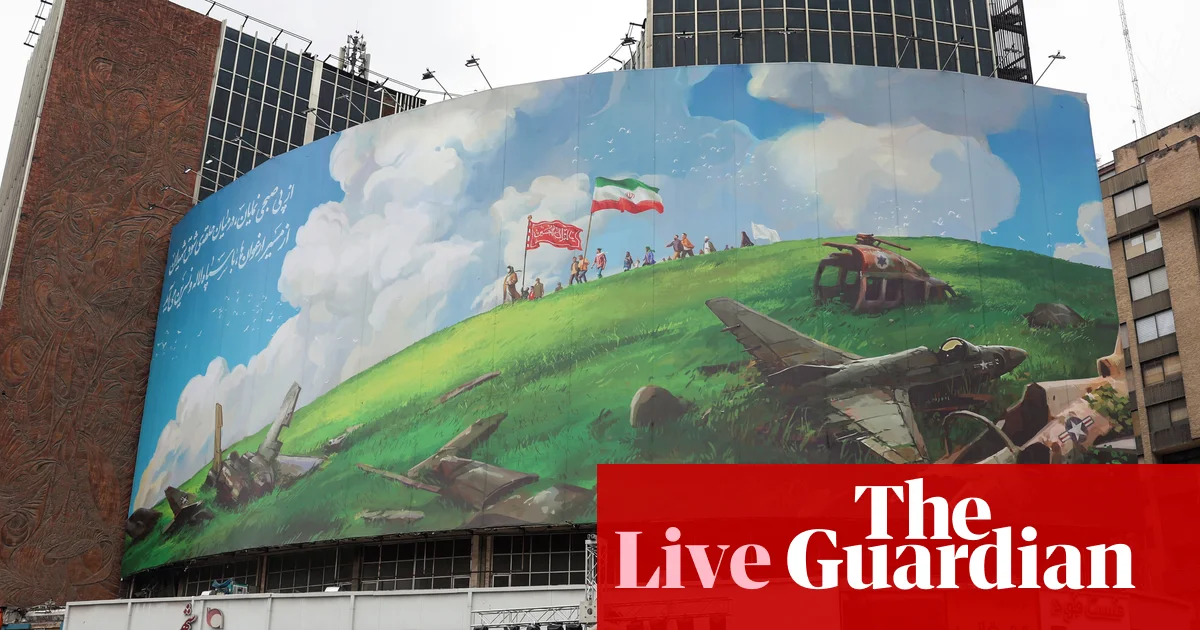
US and Iran Prepare for Nuclear Talks in Oman as Trump Warns of Military Action — Live Updates | Iran

Geopolitical Tensions Escalate as Iran and United States Face Off Ahead of Critical Negotiations in Oman

Amidst a backdrop of simmering regional conflict and shifting alliances, the upcoming U.S.-Iran nuclear negotiations in Oman are poised to be a decisive moment in the ongoing struggle for influence and security in the Middle East. High-stakes diplomacy is unfolding against a tense landscape marked by military posturing and deep mistrust. As Iran enters the talks with a firm stance, US military movements in the region continue to underscore the volatility of this diplomatic push for stability. The international community, including analysts from institutions such as The International Institute for Strategic Studies, is watching with bated breath, recognizing that the outcomes could shape the global picture for years to come.

Recent days have seen a noteworthy escalation of military activity, with the deployment of a formidable US naval task force including an aircraft carrier strike group near Iran. This build-up is widely interpreted as a warning of possible military intervention, a reality that Tehran appears to be well-aware of. The Iranian foreign minister Abbas Araghchi, speaking from Istanbul, reaffirmed Iran’s determination, stating, “We engage in good faith and stand firm on our rights.” He emphasized that durable agreements rely on respect and mutual commitments—principles that Tehran perceives as being frequently violated by inconsistent US policies. The juxtaposition of Iran’s diplomatic rhetoric with its unwavering maximalist position underscores the geopolitical game at play—where each side is testing the other’s resolve in a high-stakes negotiation that could either steer the region toward stability or plunge it into further chaos.

Adding to the uncertainty and volatility, recent incidents in international waters have only intensified tensions. The US military claimed to have shot down an Iranian drone approaching the USS Abraham Lincoln in the Arabian Sea, claiming it was an act of self-defense. Iran disputed this, asserting the drone was conducting surveillance in international waters. Meanwhile, US President Donald Trump has kept the rhetoric incendiary, asserting that the US “armada” in the region is larger than what was deployed to topple Venezuela. Trump’s comments reflect a calculated bluff—or perhaps a test of Iran’s willingness to escalate. As experts like Dr. Laura Jayes warn, such displays of military strength make it clear that the region remains on the brink, with a single misstep potentially igniting wider conflict.

Of particular concern is Iran’s unwavering position on limiting negotiations solely to nuclear issues, dismissing US demands to address its ballistic missile program and regional sponsorship of terrorist organizations. The US, led by Secretary of State Marco Rubio, insists on an all-encompassing approach, intensifying the risk of deadlock. Iran’s Foreign Minister Abbas Araghchi’s announcement that negotiations will proceed underscores an expectation that compromises are unlikely in the short term. As international diplomats deliberate, many analysts warn that the failure of these talks could result in a return to open hostility. Yet, with each side holding maximalist positions, the outcome remains shrouded in uncertainty, poised to define the geopolitical balance in the Middle East and beyond. It is a reminder that history often hinges on pivotal moments like this—a fragile, fleeting window in which peace could either be preserved or shattered, leaving a scar on the pages of history for generations to come.

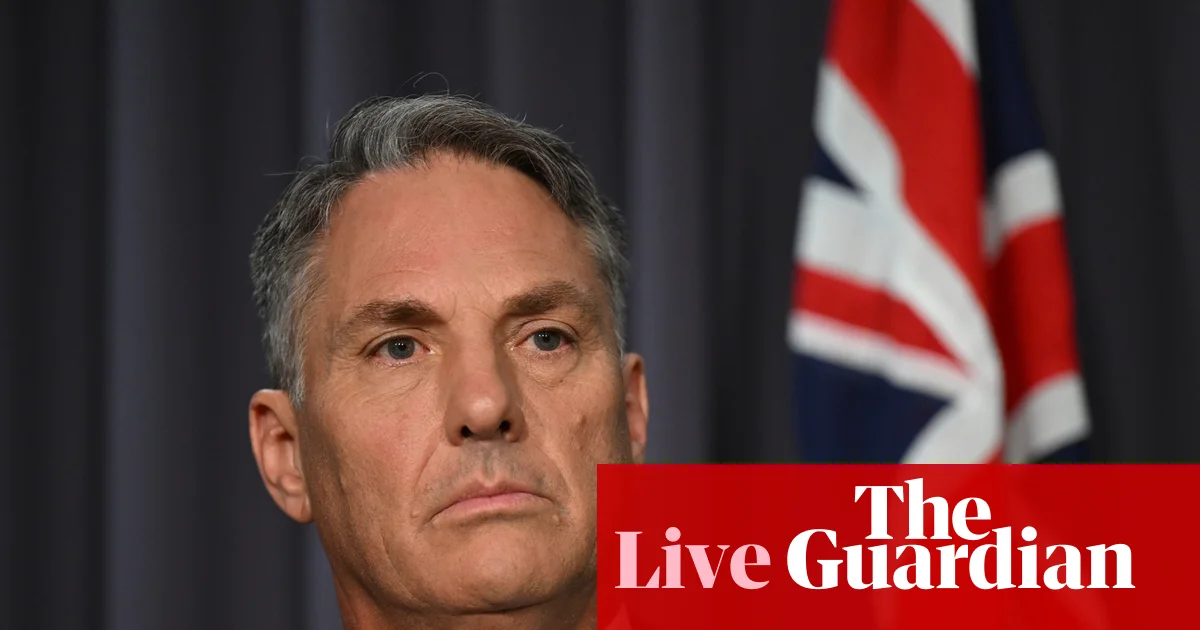
Australian Politics Live: Marles Boosts Herzog’s Visit, Vows Strong Security Measures

The geopolitical landscape of Australia is currently undergoing a complex transformation, influenced by domestic political upheavals and significant international diplomacy. The recent visit of Israeli President Isaac Herzog to Australia has ignited fierce debate within the country’s political circles, highlighting the _deep divisions_ over Australia’s role on the global stage and its domestic policies. This visit, officially sanctioned by the Prime Minister and Governor General, is seen by many as a move to reaffirm alliances in a shifting international climate. Yet, critics—particularly from Labor factions—express profound _concerns_ about the implications of such diplomatic gestures, especially given the ongoing tensions in the Middle East and the internal fractures over Israel’s actions in Gaza.

High-profile critics like Ed Husic, a Labor MP, have voiced _deep concerns_, questioning the moral and strategic wisdom of extending diplomatic warmth to President Herzog amidst the backdrop of Israel’s recent military operations. Husic’s reservations are echoed by various international legal and human rights organizations, such as the UN commission of inquiry on Palestinian territories, which have urged the Australian government to reconsider the invitation in light of the _controversy and violence_. In the corridors of power, Richard Marles, Australia’s Deputy Prime Minister, has defended Herzog’s visit, emphasizing its _importance_ for security and diplomatic relations. Nonetheless, this move exposes Australia’s delicate balancing act—maintaining strong bilateral ties while managing domestic divisions and international scrutiny.

The decision to host President Herzog is not made in isolation but is intertwined with wider strategic concerns. The government has underscored its commitment to _security_ and _diplomatic engagement_, yet this stance arrives amidst criticisms that Australia is _aligning too closely_ with Western allies at the expense of marginalized voices concerned with human rights and justice. Simultaneously, the ongoing political struggles within Australia’s Parliament—most notably, the leadership dispute involving Sussan Ley and the right faction—signal a nation in ideological flux. Analyst voices from global institutions warn that these internal conflicts risk _undermining_ Australia’s credibility and strategic coherence in the Indo-Pacific and beyond.

  • The Australian government has publicly maintained that its _foreign policy_ remains consistent, with Minister Marles affirming, “there haven’t been any changes or shifts in our strategic or tax arrangements.” However, the political maneuvering behind the scenes indicates a nation grappling with _intergenerational_ challenges, especially around housing affordability and tax reforms like the _capital gains tax discount_.
  • Amidst these tensions, the Australian Council of Trade Unions has called openly for _reform_ of property taxes, citing the _”deep unfairness”_ in housing inequality exacerbated by policies enacted over decades—particularly the _discount introduced in 1999_ under John Howard, which has significantly fueled investment in existing housing—further widening disparities and impeding the dream of homeownership for younger generations.
  • On the international stage, figures such as Chris Sidoti, an UN inquiry commissioner, have urged the Australian government to _reconsider_ its diplomatic commitments related to Israel, emphasizing the _moral_ and _strategic_ stakes involved. This internal dialectic — between diplomacy, domestic politics, and societal values — underscores a pivotal question: How will Australia’s leadership navigate this volatile terrain without losing its footing in a rapidly changing geopolitical order?

As history continues to unfold, the weight of these decisions will resonate far beyond today’s headlines. With the internal pressure mounting from within and the global community watching critically, Australia stands at a crossroads—its choices rippling across the Indo-Pacific and shaping the future of international diplomacy. Will it persist in steadfast alliances and domestic policies that favor strategic stability, or will the _internal divisions_ and _international controversies_ fracture its resolve? The coming days will reveal whether this nation can uphold its sovereignty and sense of justice, or if it inevitably becomes entangled in a web woven by shifting alliances and internal discord. In this moment, history’s pen is poised, and the story of Australia’s future is still being written—each decision a stroke in the vast canvas of a nation seeking its place amidst a tumultuous world.

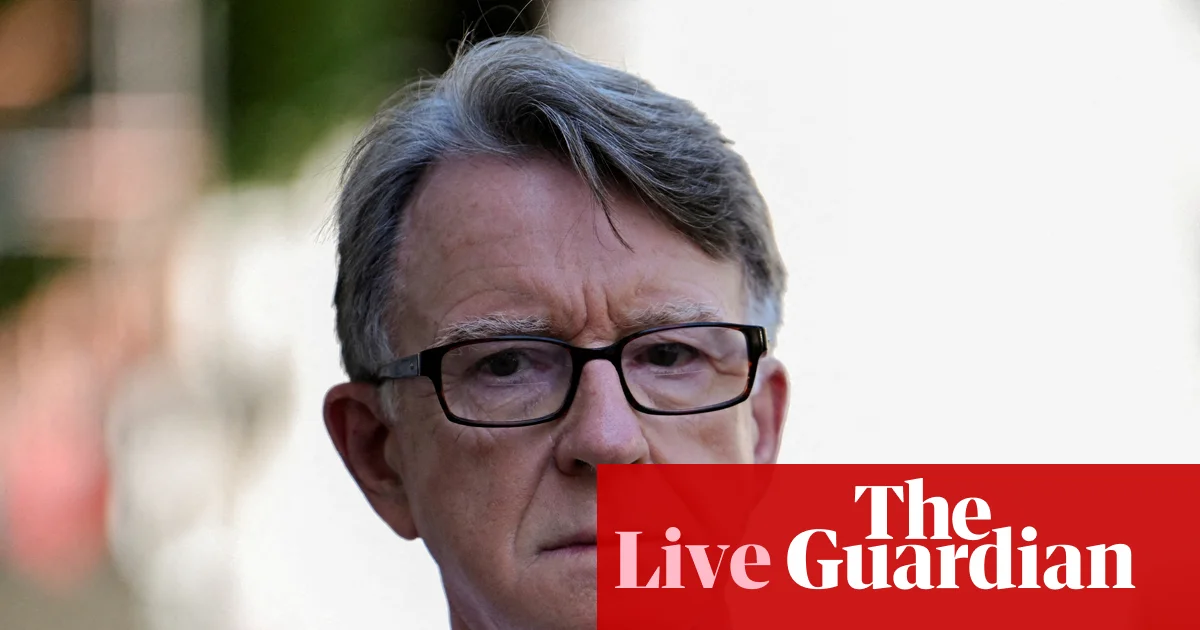
Minister dismisses Mandelson's Epstein outrage as overblown—UK politics live
Minister dismisses Mandelson’s Epstein outrage as overblown—UK politics live

International Watch: UK Political Shake-up and the Rift over Peter Mandelson’s Controversy

The unfolding saga within Britain’s political landscape signals more than just internal strife; it echoes across the corridors of global power. Recent revelations concerning Peter Mandelson, a veteran political figure, have ignited widespread debate about accountability, morality, and national security. As he faces fallout from allegations linked to Jeffrey Epstein, the ripple effects threaten to reshape diplomatic and parliamentary standards worldwide. The controversy underscores how decisions made within Britain’s political elite are now dissected through a global lens, emphasizing the geopolitical impact of leadership scandals in an interconnected era.

Leading political voices, such as Ed Davey of the Liberal Democrats, are demanding a public inquiry into Mandelson’s associations, particularly citing concerns over national security and the rule of law. They argue that the leak of sensitive government information, allegedly by a minister acting as a mole, could have posed a grave threat to Britain’s institutional integrity. International analysts and organizations, including security experts, emphasize THAT lack of transparency in such cases fuels public distrust and weakens diplomatic credibility. In an age where soft power and diplomatic resilience are paramount, the fallout from internal scandals can weaken Britain’s stature on the world stage, especially if elites dodge accountability or dismiss serious allegations as ‘disproportionate’.

In the midst of the controversy, Mandelson’s own comments accentuate a troubling narrative. His assertion that “hiding under a rock would be a disproportionate response” to emails—some of which have linked him to misconduct—appears to dismiss the gravity of the allegations. Historians and political commentators warn that such dismissals only deepen international skepticism of Britain’s political class. As Katy Balls, a respected political journalist, highlights, Mandelson’s lack of contrition and his claims of naivety may serve to further erode public trust in a time when integrity is desperately needed. The UK’s decisions to address this crisis will inevitably influence how other nations hold their elites accountable, potentially setting a precedent for transparency or deterioration into diplomatic shadows.

Meanwhile, within Western democracies, the debate about the role of elites, morality, and security has intensified. The discourse underscores a broader, turning point: nations worldwide are revisiting their ethics and vetting processes for political and diplomatic appointments. With the US and European countries watching, the UK’s handling of Mandelson could be interpreted as either a reaffirmation of accountability or a capitulation to political expediency. Decisions made now will influence the future of governance standards across liberal democracies, impacting societies’ trust in their institutions and their leadership’s capacity to confront uncomfortable truths.

In the saga’s shadow, the words of security analysts and historians remind us that this is more than a scandal; it is a vonerable moment that could define Britain’s role on the world stage for generations. As the government prepares for a busy day of parliamentary debates and policy discussions, the weight of history settles heavily. The question remains: will Britain emerge from this crisis with renewed integrity and transparency, or will it perpetuate the shadows that threaten to undermine both its democracy and its international reputation? The answers lie in the choices made today—choices that will forever mark the course of history as the world continues to watch and judge.

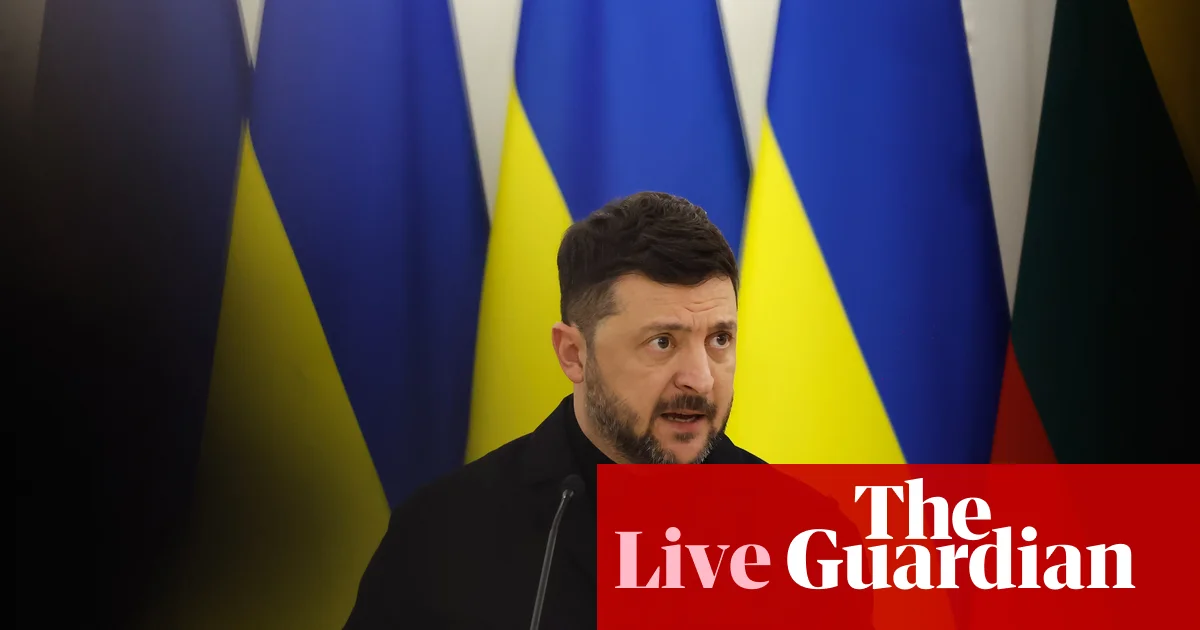
Ukraine Expected to Be EU Ready by 2027, Zelenskyy Declares — Europe Live

Russia, Ukraine, and the EU: A Geopolitical Chessboard at a Crossroads

In an era marked by stark geopolitical upheaval, the escalating tensions between Russia and Ukraine have taken center stage on the world’s diplomatic stage. President Volodymyr Zelenskyy of Ukraine recently reaffirmed his country’s commitment to join the European Union by 2027, despite significant objections from key EU member states such as Hungary. Zelenskyy’s firm stance underscores a broader strategic shift aimed at securing not only economic integration but also safety guarantees amidst ongoing war and instability in the region. However, this push for rapid accession critically tests the unity and rule-based decision-making of the EU, exposing fault lines that could reshape alliances and influence global power dynamics.

The EU Enlargement: A Delicate Balance of Rules and Geopolitical Stakes

The EU’s accession process is inherently complex, requiring unanimity among its 27 member states—a process that is proving contentious. Despite recent reassurances from European officials, notably Luxembourg’s Xavier Bettel and EU enlargement commissioner Marta Kos, that Ukraine could meet the technical requirements by 2027, key nations like Hungary are resistant. Prime Minister Viktor Orbán, whose government leans towards pro-Russian sympathies, has explicitly rejected Zelenskyy’s accelerated timeline, citing concerns over protecting national interests like agriculture and regional stability. This discord highlights how internal European politics and divergent national priorities can act as bottlenecks to further integration, thereby influencing geopolitical alignments and possibly emboldening Russia’s strategic objectives.

Russia’s Military Strategy and Shifting Focus

Meanwhile, Russia’s military posture remains aggressive, with reports indicating a surge in aerial drone attacks—over 100 launched recently—along with minimal missile strikes. The recent statements from President Zelenskyy reveal a shift; Russia appears to be transitioning its focus from energy infrastructure to logistical hubs, a move that signals a new phase in the conflict designed to destabilize Ukrainian fields and supply lines. Notably, Trump’s recent public claim that Putin has agreed to a ceasefire on energy infrastructure—at least temporarily—adds an unpredictable element to the evolving battlefield and diplomatic calculus. Such actions, whether confirmed or not, threaten to escalate tensions further and complicate the broader security landscape, especially as Ukrainian forces endure severe winter hardships with temperatures plunging to as low as minus 30°C.

International Escalations and Ongoing Diplomacy

The situation is further compounded by highlighted diplomatic efforts. Zelenskyy’s conversations with German Chancellor Friedrich Merz and private talks with officials from the US and Russia reveal a landscape fraught with uncertainty. Reports indicate that Trump’s alleged request for Putin to suspend strikes in Ukraine to facilitate negotiations overnight marked an unexpected diplomatic move, surprising both Kyiv and Moscow, with Kremlin officials declining to comment further. As analysts warn, such statements and the ongoing military build-up threaten to push the region toward a broader confrontation, with external powers like the US and China observing intently as Ukraine’s strategic position becomes increasingly tenuous.

Conclusion: The Unfolding Tapestry of Power

In the grand chess game of international geopolitics, Ukraine’s push for EU integration, Russia’s military maneuvers, and Europe’s divided loyalties paint a visceral picture of a fragile order on the verge of transformation. The decisions made in these critical months could forge new alliances or shatter existing ones, shaping the security architecture of Europe and beyond for years to come. As Zelenskyy boldly aims for 2027, global powers watch with bated breath—knowing well that in this shifting landscape, today’s negotiations could become tomorrow’s history. The clock is ticking, and the world stands at the cusp of a new chapter that could redefine the balance of power for generations.

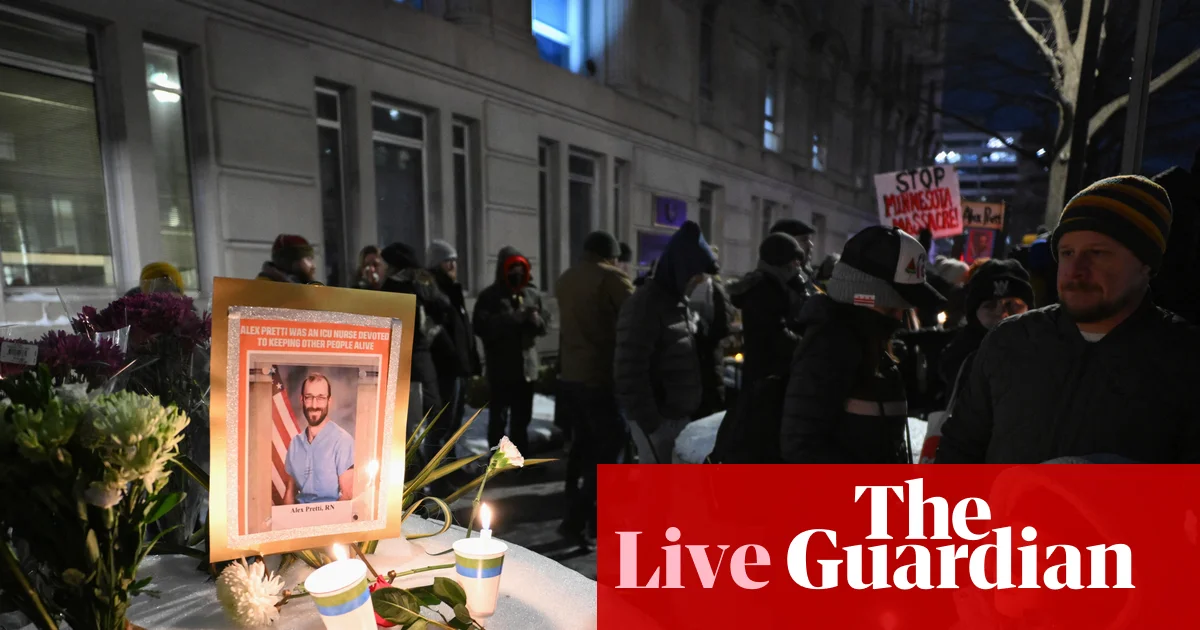
Border Chief Promises ICE Improvements, Keeps Quiet on U.S. Citizen Shootings — Live Update on Minnesota ICE Incidents

In an era defined by shifting geopolitical sands and undercurrents of conflict, the United States continues to grapple with the implications of its immigration policies, both domestically and on the world stage. Under the leadership of figures like Tom Homan, Trump-era border czar, the federal government has maintained a stance of aggressive enforcement, emphasizing “targeted” operations and the assertion that “if you’re in the country illegally, you’re never off the table.” This approach, often characterized by no-holds-barred enforcement tactics, has sparked controversy and raised alarms internationally. Analysts warn that this aggressive posture not only deepens internal societal divisions but also has ripple effects across bilateral relations, especially with neighbors like Mexico and in the broader context of global alliances.

This latest surge in immigration enforcement coincides with increased tensions within Minneapolis following the fatal shooting of Alex Pretti by federal agents, an incident that has sharpened divides and intensified scrutiny of the federal government’s approach. Despite growing public outrage and protests, as witnessed during recent confrontations captured on video, officials such as Homan remain resolute, refusing to specify “improvements” or comment on specific investigations. “We know exactly who we’re looking for,” Homan declared, underscoring the relentless focus of federal agents on targeting *all* undocumented individuals, regardless of their criminal record or civil status. Critics argue that such policies risk dehumanizing vulnerable populations and escalating civil unrest, further complicating the already fragile rule of law within American jurisdictions.

Geopolitical Impact: A World Divided Over Sovereignty and Security

The unfolding situation in Minnesota and other states exemplifies how internal policy decisions can have profound geopolitical impacts. America’s stance on immigration, reinforced by directives from officials like Homan, signals a tough-on-immigration posture that resonates globally. Countries like Mexico and European nations watch with concern as the U.S. tightens border security and ramps up enforcement actions, often at the expense of diplomatic goodwill. The Biden administration, while attempting to soften some policies, faces mounting pressure from political factions demanding a line in the sand. Experts from think tanks and international organizations warn that prolonged enforcement crackdowns, especially when accompanied by violence and civil unrest, could destabilize regional security, increase refugee flows, and threaten global economic stability.

Meanwhile, the international community’s response remains mixed. While some nations criticize the U.S. for human rights violations, others, especially those facing their own migratory crises, look to Washington’s policies as a cautionary tale or even a blueprint. The United Nations and human rights advocates warn that the U.S. approach risks fostering a climate of fear and intolerance. In the global arena, the perception that the U.S. is prioritizing aggressive immigration enforcement over diplomatic cooperation can weaken alliances — including NATO — which already seemed shaken by rifts over policies such as Trump’s threats to impose tariffs on European allies and his ambitions over Greenland. How these internal policies shape perceptions and alliances will undoubtedly determine the geopolitical landscape for decades to come.

Reshaping Domestic Politics and Society

Within the American political arena, these enforcement actions and incidents like the Minneapolis shootings have catalyzed debates over sovereignty, civil rights, and the future of immigration reform. The recent announcement by Senator Amy Klobuchar of her bid for California governor and the rise of moderate figures like Matt Mahan reflect a nation at crossroads—one divided sharply along ideological lines over the best course of action. The relentless discourse around immigration has also seeped into local elections, with candidates blaming violence and social decay on federal policies, and promising to restore order and civility. Analysts warn that unless a decisive shift occurs, America’s internal divisions could deepen, leading to an unstable socio-political landscape that might result in further civil strife and international consequences, reminiscent of Cold War-era power struggles that shaped history.

As the world witnesses these tumultuous shifts, history eyes America’s next move—will it continue down the path of fierce enforcement and internal conflict, or will it seek a new vision rooted in collaboration and justice? The decisions made today—whether in Minneapolis, Washington, or in international diplomacy—are forging the narrative of an uncertain tomorrow. The odyssey of a nation caught between sovereignty, security, and the universal human quest for freedom is far from over; it remains unwritten on the expansive canvas of history, waiting for its next chapter to unfold in the shadows of a world still learning how to survive and thrive amid conflict and change.

Social Media Auto Publish Powered By : XYZScripts.com