Matox News

Truth Over Trends, always!

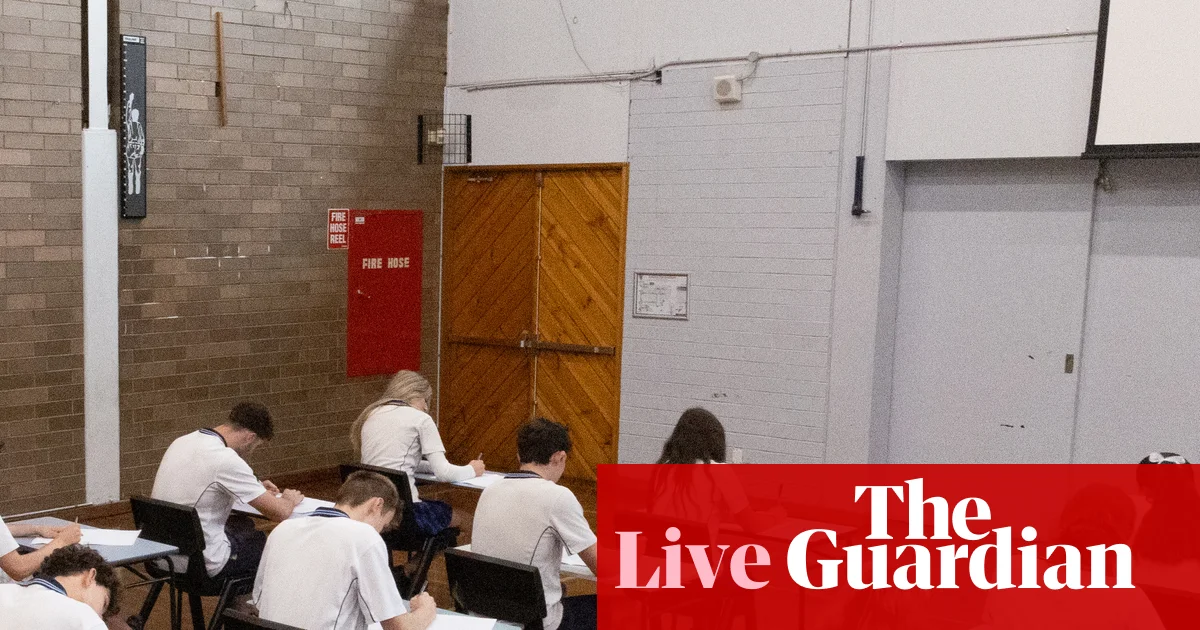
Australia News Live: HSC Exams Kick Off in NSW, ADF Falls Into Incident Near Townsville

In an era marked by rapid international shifts and strategic realignments, strong nations and alliances are navigating transformations that will influence global stability for decades to come. The recent enthusiasm surrounding AU-KUS—a trilateral security pact between Australia, the United States, and United Kingdom—symbolizes a new chapter in the international order. According to defense analysts, this alliance aims to counterbalance China’s expanding military reach and assertive regional presence, particularly in the Indo-Pacific. This move underscores a profound strategic shift, forging a collective front that seeks to secure economic and military dominance in an increasingly contested region.

  • The US is demonstrating unprecedented enthusiasm for AU-KUS, with Pat Conroy, the defense industry minister, highlighting the “hugely encouraging” support from congressional leaders. This solidifies the alliance’s significance on the diplomatic front, as each nation seeks to safeguard their interests amid rising geopolitical tensions.
  • Simultaneously, Australia is bolstering its defense capabilities with the deployment of advanced submarine technology, reflecting a broader push by regional powers to strengthen deterrence against external threats. Such military advancements, however, carry the risk of escalating regional arms races, impacting the security landscape of the Indo-Pacific.

Parallel to these military developments, global finance and security are witnessing a crackdown that signals a shift towards greater control. Australian authorities, led by Tony Burke, announced sweeping reforms targeting cryptocurrency ATMs—a vital tool used for illicit activities such as money laundering and terrorism financing. With Australia hosting the third-largest number of crypto ATMs worldwide, the government’s move to empower Austrac with expanded oversight aims to curtail criminal misuse of digital currencies. This policy shift exemplifies how nations are increasingly viewing financial regulation as a tool to reinforce national security—an approach that might spark similar actions worldwide.

However, the economic implications are stark: despite a 3.2% growth in household income from 2023 to 2024, many Australians remain under financial strain. Recent research from the Australian Institute of Health and Welfare reveals that approximately 1.26 million low-income households face housing stress, underscoring the widening gap between economic growth and societal well-being. This divergence signals that national prosperity is concentrated among the wealthiest, while the young and vulnerable struggle under mounting economic pressures—a trend that could fuel unrest and reshape domestic politics in the coming years.

As history continues to unfold, these developments reveal a complex tableau: the forging of international alliances designed to shape a new power dynamic, coupled with domestic reforms aimed at controlling emerging threats and addressing societal inequities. It is in this crucible of change that the future of geopolitics will be forged—an epoch where strategic decisions made today will echo through the corridors of history, defining the fate of nations and societies for generations to come.
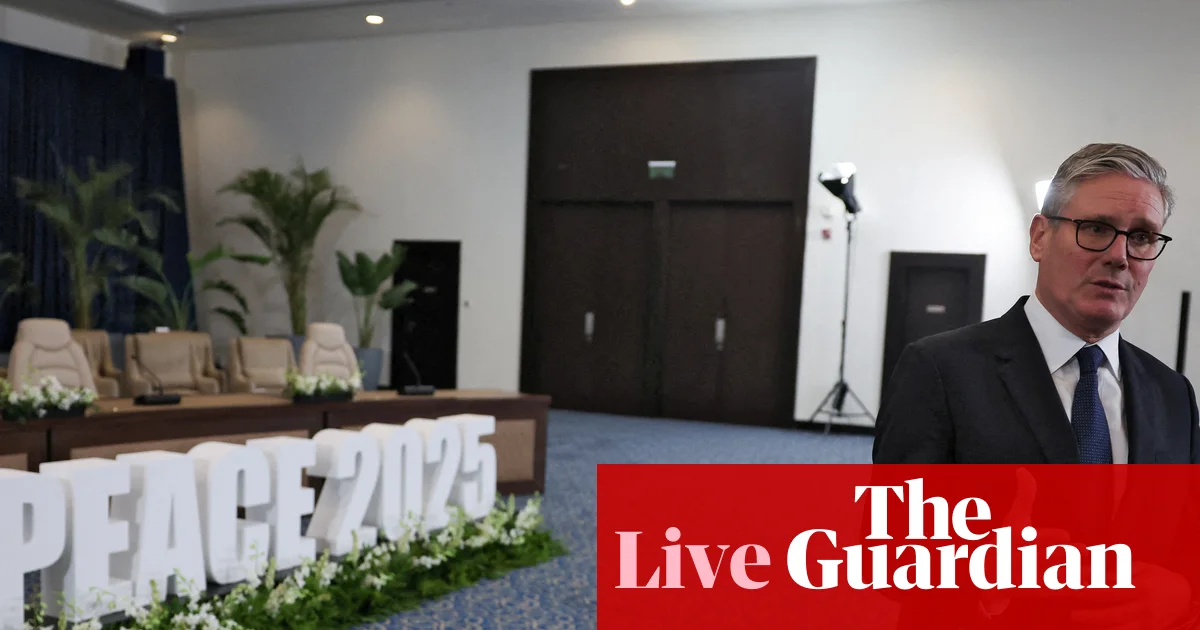
Starmer Confronted by MPs Over China Spy Trial Collapse—UK Politics Live

UK’s Domestic Agenda: Infrastructure and Security in the Shifting Global Landscape

In a move that underscores the pragmatic yet assertive posture of Britain on the global stage, the government has recently announced significant reforms to its domestic planning regulations, aiming to accelerate infrastructure development. This initiative, encapsulated within the planning and infrastructure bill, is now bolstered by a series of amendments designed to streamline approval processes, reflecting a broader national strategy driven by economic imperatives and geopolitical considerations alike. As Steve Reed, the housing secretary, emphasizes, the government prioritizes national security while seeking to foster rapid development—decisive steps that signal a move towards more sovereign control over critical infrastructure, including foreign-backed projects skewed by geopolitical interests.

This domestic push for infrastructural independence comes amid heightened tensions over China and its expanding global influence. The UK’s approach is now more cautious and defensive, especially concerning recent controversies involving Chinese diplomatic missions. The contentious application for a “super-embassy” in London exemplifies this balancing act. Delays in approval stem from China withholding unredacted plans, and the UK’s decision-making process, as outlined by Reed, hinges on comprehensive security evaluations—highlighting a shift to prioritize security concerns over economic or diplomatic advantages. This stance has broader geopolitical impact, signaling to allies and rivals alike that the UK is willing to assert its sovereignty against external threats, particularly those perceived from Beijing’s growing global footprint.

International Ramifications: Escalating Tensions and Evolving Alliances

At the international level, the UK’s stance echoes the sentiments of other conservative-leaning democracies recently emphasizing cybersecurity and sovereignty, amidst a shifting geopolitical landscape. Historians and analysts underscore how this recalibration aligns with an era marked by cyber warfare, espionage, and the strategic contest for influence in the Indo-Pacific and beyond. The recent fiasco surrounding allegations of Chinese espionage involving British nationals continues to fuel debates on how to effectively counterbalance economic dependence with security risks. The UK’s decision to impose stricter controls on foreign diplomatic and infrastructural projects mirrors similar policies adopted by the United States and Australia, signifying a regional trend toward assertive sovereignty in the face of Beijing’s encroachments.

Furthermore, UK policymakers and international observers recognize that these domestic security measures carry ripple effects, influencing alliances and rivalries. The emphasis on increasing security expenditure—by £600 million, according to Reed—aligns with a broader global shift towards bolstering defense capabilities, cyber resilience, and intelligence cooperation. How these decisions shape alliances, particularly with NATO, and influence global diplomatic norms, remains a pivotal question for this decade’s geopolitical chessboard. It could redefine the parameters of diplomatic engagement, where security concerns eclipse previous economic or diplomatic mandates. Analysts warn that such a shift signifies more than domestic policy—it signals a new era of confrontation and prudence in international relations.

The Unfolding Future: A Pivotal Chapter in History

As British leaders weigh security against economic gains, the global community watches with bated breath. What began as mere infrastructure reform reveals itself as a test of sovereignty and resilience in a turbulent world. Today’s decisions by the UK serve as a harbinger of what’s to come: a fragile yet resolute effort to safeguard national interests amid global upheaval. The weight of history is still unfolding, and each decision carves a new chapter—one that may determine the balance of power for generations to come. The lines of diplomacy and defense are being redrawn, and the world stands at a crossroads that will shape the future of sovereignty, security, and influence in the twenty-first century.

Australia News Live: Chalmers credits Keating as super tax climbdown hits; cybercrime costs skyrocket

In a rapidly evolving geopolitical landscape, recent developments have underscored the profound influence of individual leaders and international blocs in shaping global stability. Australia, often considered a peripheral player, has stepped into the spotlight, revealing new insights into how internal political debates and policy recalibrations resonate beyond the southern hemisphere. The Australian government’s recent decision to back down on a controversial superannuation tax proposal, reportedly influenced by veteran politician Paul Keating, exemplifies the complexities faced by national leadership when balancing domestic interests with broader economic stability. According to analysts from international think tanks, such moves reflect a cautious approach aimed at maintaining fiscal sustainability while navigating critic’s criticisms—a theme echoing across nations where pragmatic adjustments are viewed as essential in facing economic uncertainties.

Meanwhile, the Middle East remains a volatile theater, with recent breakthroughs highlighting the importance of diplomatic finesse and the unpredictable role of influential figures. Penny Wong, Australia’s foreign minister, praised the Gaza ceasefire as a “singular achievement” attributed to Donald Trump‘s talks, which facilitated the release of Israeli hostages—an act described by critics as a potential turning point in regional diplomacy. The engagement of influential personalities like Trump plays into a larger narrative where leadership decisions—whether in the form of external pressure or negotiated compromise—alter the course of history. Insightful commentary from analysts at major international institutions suggests that such moments serve as testaments to the importance of strategic diplomacy, even when many nations remain cautious about deep involvement, preferring to contribute quietly but decisively.

Meanwhile, the rise of cyber threats signals a new battleground where national security and economic stability are increasingly intertwined. The Australian Signals Directorate’s recent report warns of the soaring costs inflicted upon businesses—surging more than 200%—indicating a shift in cybercrime tactics toward stolen credentials and network breaches rather than traditional hacking. Such strategies allow criminal entities to operate under the guise of legitimate users, creating a new type of threat that national security agencies struggle to contain. Experts warning from NATO and other alliances collectively emphasize that cyber warfare now constitutes a core element of geopolitical conflicts, with small and large nations alike facing the challenge of safeguarding critical infrastructure amid an evolving digital battleground.

These interconnected shifts—domestic policy recalibration, regional diplomacy, and cyber security—highlight a definitive era where leadership at all levels faces turbulent challenges that could either fragment or unify global order. As leaders engage in policy shifts influenced by veteran advisors and historical figures, and regional conflicts teeter on the edge of resolution or escalation, history remains in flux. With each decision, each diplomatic breakthrough, and each cyber breach, the fabric of international stability is woven anew—leaving us to ponder: how will history judge these pivotal moments, and which future will emerge from the chaos of today’s decisions?

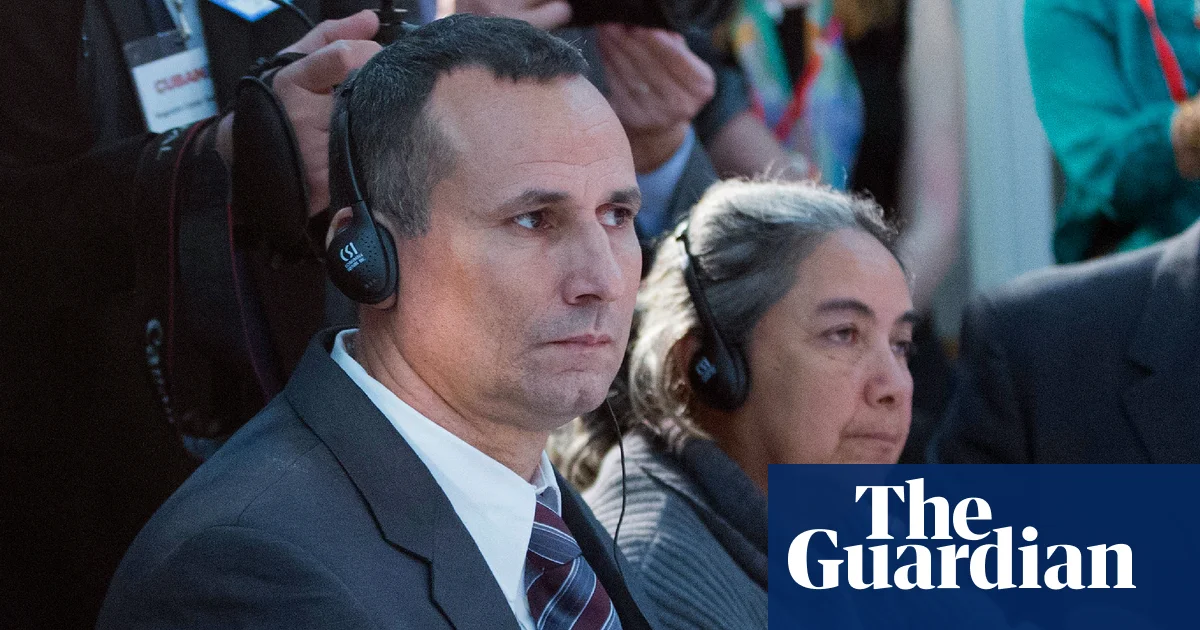
Cuban Dissident José Daniel Ferrer Allowed to Live in Exile in the U.S.

Fate of Cuban Dissident Signals Shifting Geopolitical Tide

The recent release and exile of José Daniel Ferrer, a prominent Cuban dissident, underscores the intensifying struggle between Cuba’s authoritarian regime and the growing wave of pro-democracy voices demanding change. Ferrer, the founder of the Patriotic Union of Cuba, emerged as a symbol of resilience for the island’s entrenched opposition movement, which has endured a relentless cycle of repression and exile for decades. His departure to the United States echoes a broader narrative of international power struggles over Cuba’s future—an island long caught between Cold War remnants and new global alliances.

Within the context of geopolitical impact, Ferrer’s forced exile reflects a significant escalation in Washington’s strategic posture towards Havana. After initial attempts at rapprochement, notably the 2015-2017 Obama-era negotiations, the trajectory has markedly shifted under recent U.S. administrations. The Biden administration’s brief engagement, which led to Ferrer’s release in January, was a calculated move aimed at re-engaging with Cuba only to be reversed by the Trump administration’s delisting of Cuba as a sponsor of terrorism. Such swings demonstrate the fluctuating consensus among Western powers—often driven by domestic political pressures—fueling unpredictability in Cuba’s internal affairs. With Ferrer’s exile, critics argue this signifies the weakening of internal resistance, paving the way for regime consolidation.

Ensconced within this shifting landscape are wider implications that target regional stability. Analysts note that Cuba’s prolonged repression, combined with its economic crisis—amplified by sanctions, mismanagement, and a mass youth exodus—serves as a catalyst for instability. Historian Carlos Ríos warns that the regime’s clampdown—like the recurring mass protests and political imprisonments—risks exporting tensions beyond the island, especially as diaspora communities in the United States and Latin America intensify calls for intervention. The international community’s response, notably the EU’s cautious diplomacy and the U.S.’s strategic maneuvers, highlight an ideological divide—one rooted in contrasting visions of sovereignty and democracy.

Within these mounting tensions, international actors – particularly Washington and its allies – are redefining their roles in Cuba’s future. While the Biden administration initially held out hope of fostering dialogue, the recent crackdown and Ferrer’s exile underscore the persistent resilience of the regime’s grip on power. The ongoing tug-of-war has historic echoes, reminiscent of Cold War confrontations that defined global geopolitics for decades. As Ferrer’s story unfolds, it reminds the world that Cuba remains a pivotal chess piece—its fate intertwined with broader geopolitical currents that threaten to reshape regional alliances and spark new conflicts. The question persists: will this mark the slow unraveling of Cuba’s authoritarian chains, or is it yet another chapter in a classic struggle over sovereignty, influence, and the enduring hope for freedom amid darkness?

The uncertain tides of history continue to roll in, leaving nations and societies to confront the profound realities of power, resistance, and the enduring human spirit. The story of José Daniel Ferrer is far from its final chapter; instead, it serves as a stark reminder that the battle for Cuba’s soul is ongoing, and the weight of history remains heavy, gradually guiding the world toward an uncertain destiny.

Gaza Ceasefire Live: Israeli Hostages to Be Freed Amid Trump’s Bold Call for 'War's End' — Trump Heads to Middle East
Gaza Ceasefire Live: Israeli Hostages to Be Freed Amid Trump’s Bold Call for ‘War’s End’ — Trump Heads to Middle East

The recent developments surrounding the ceasefire agreement in Gaza mark a pivotal moment on the international stage, poised to reshape the geopolitics of the Middle East. With mediating nations set to sign a binding guarantee in Egypt during an unprecedented summit, the world watches as several key players attempt to forge a fragile path toward peace amid ongoing conflict. Notably, the countries involved—namely the US, Egypt, Qatar, and likely Turkey—highlight the collective effort to stabilize a region historically plagued by instability. This diplomatic choreography underscores the significance of international cooperation, especially as all eyes are now fixed on how these decisions will influence societal shifts across affected nations.

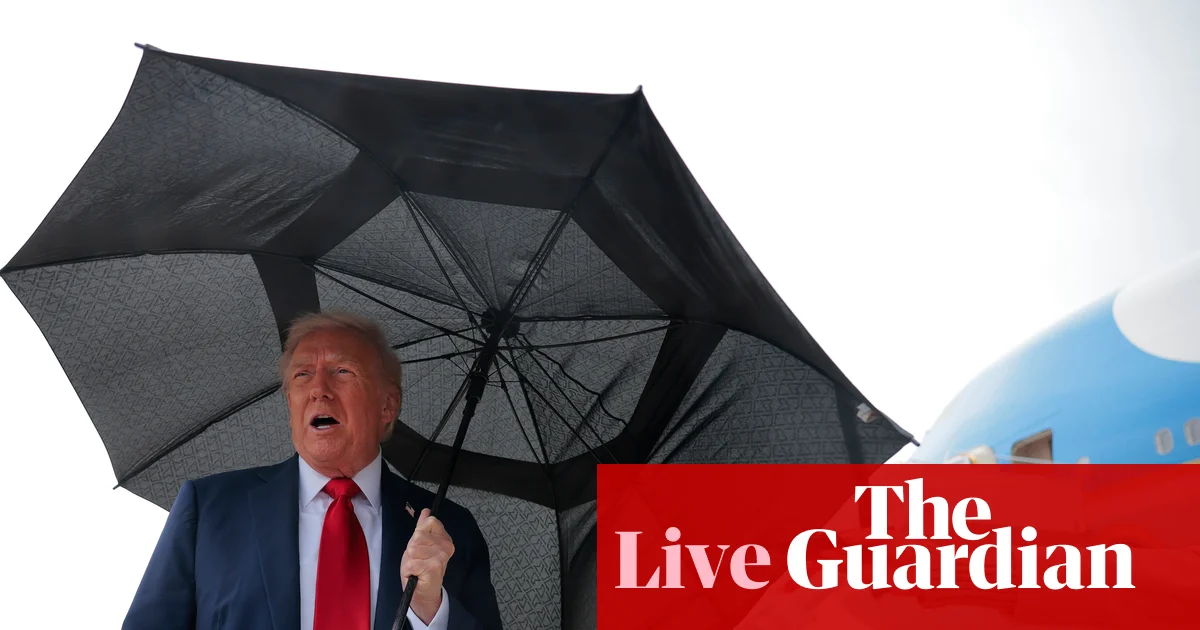
At the heart of the diplomatic surge lies the unfolding drama in Israel, where Prime Minister Benjamin Netanyahu has publicly acknowledged the delicate hope for a new beginning. Yet, underlying this outward optimism are warnings from analysts and historians who caution about the entrenched security challenges that persist. As the ceasefire holds, experts warn that the campaign against militant factions remains far from over. Meanwhile, Donald Trump has left the US for the Middle East, claiming “the war is over” as he boards Air Force One to address the Knesset, further emphasizing U.S. involvement—an intervention that has historically influenced the balance of power in the region for decades. Such moves inevitably stir debates about external influence and sovereignty, affecting societal perceptions worldwide about interventionism, national security, and the prospects of lasting peace.

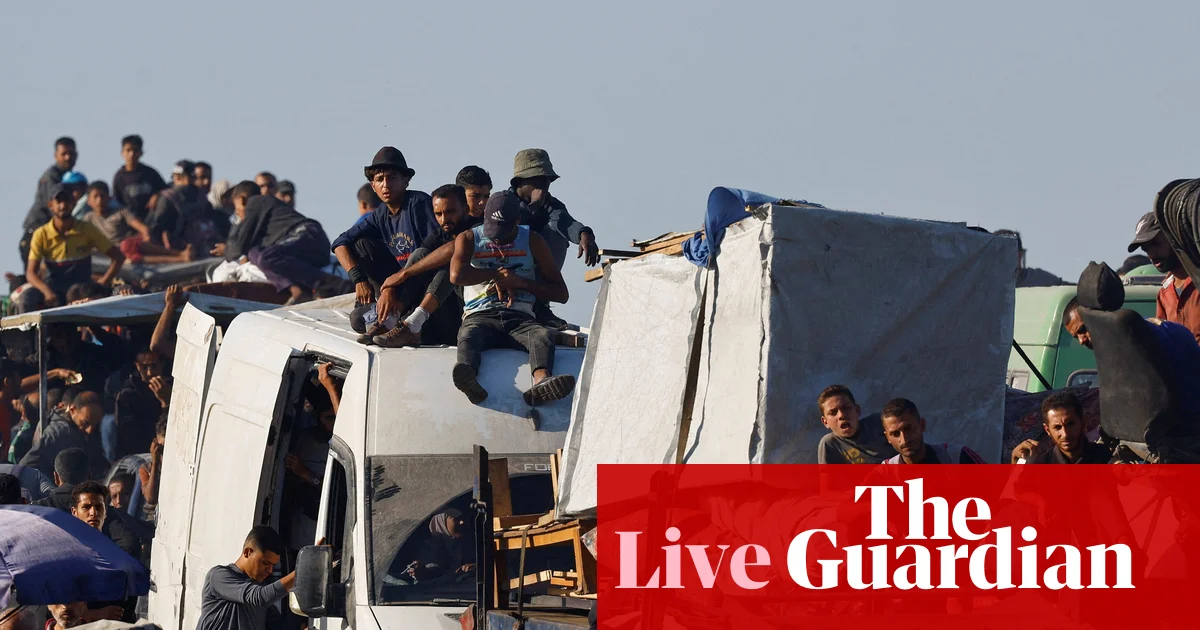
The human toll of this ongoing conflict remains staggering, with the Gaza health ministry reporting at least 67,806 Palestinians killed and over 170,000 injured since October 2023. The civilian casualties, many of whom are women and children, spotlight the devastating human cost that fuels global concern and complicates diplomatic negotiations. Meanwhile, aid agencies are rushing supplies into Gaza, in line with the ceasefire terms, to quell the humanitarian crisis. But the real geopolitical impact extends beyond immediate relief—these humanitarian efforts are often intertwined with political agendas, influencing international perceptions and, potentially, future resolutions. As Palestinians return to Gaza City amidst widespread destruction, the societal fabric of the region faces a long road toward rehabilitation and reconciliation, with each political act echoing through the battered streets and shattered lives.

In this complex tableau of diplomacy and warfare, the forthcoming peace summit in Sharm el-Sheikh becomes more than just a meeting—it is a defining moment that could pivot the entire narrative of the Middle East. Attended by leaders from more than 20 countries, it aims to seal a lasting ceasefire and set the stage for rebuilding. Yet, skepticism persists among analysts who observe that, historically, such summits often fall short of their lofty promises. As the region waits, and societies brace for uncertainties ahead, the unfolding story remains a testament to the perilous dance of diplomacy, the persistent shadows of conflict, and the weight of history that will decide whether this chapter marks a true turning point or a temporary pause on an unresolved crisis. The struggle for peace, after all, is a marathon—not a sprint—and the world must remain vigilant as history continues to unfold its decisive final acts.

Australia News Live: Qantas Data Leak Sparks Scammer Alert, NSW Vows Pothole Fixes

In an era defined by rapid digital transformation and shifting geopolitical alliances, recent events in Australia underscore the global implications of national security, corporate responsibility, and technological regulation. The reckless leak of data from Qantas Airlines, which exposed the personal information of up to 5.7 million customers, signals a profound challenge for international cybersecurity protocols. Hackers associated with the entity Scattered Lapsus$ Hunters made good on their ransom threats, releasing data that includes full names, addresses, and sensitive financial details. The incident has prompted Tony Burke, Australia’s minister for cybersecurity, to vow the full extent of governmental legal power will be used to hold the airline accountable and to safeguard its citizens’ privacy in the digital age.

The Australian breach is emblematic of the fragile cybersecurity landscape confronting nations worldwide. Analysts warn that these breaches are not isolated but part of an ongoing campaign expanding across borders, targeting corporate and public infrastructure. The leak originating from offshore call centers operated with Salesforce software underscores the vulnerabilities posed by outsourcing sensitive operations without stringent security controls. As historians and international organizations observe, such incidents have the potential to destabilize trust in multinational corporate entities and challenge the very notion of sovereignty in cyberspace. Meanwhile, governments such as Australia face increased pressure to enforce legal frameworks that compel corporations to prioritize national security over profit before the damage becomes irreversible.

Simultaneously, Australia‘s government is taking proactive steps beyond cybersecurity. The impending landmark social media ban slated for implementation on December 10 to protect under-16s signals a broader push to control the influence of digital platforms on youth. The eSafety commissioner, Julie Inman Grant, has scheduled critical meetings with global giants like Meta, Snapchat, YouTube, and TikTok—a move that reflects a national approach to social-media regulation aimed at curbing predatory algorithms and harmful content. According to policy experts, this position underscores an international shift where governments increasingly demand accountability from big tech and assert sovereignty over digital spaces, challenging the unregulated dominance these platforms once enjoyed. This move could redefine global norms on digital oversight, indicating that even the most embraced platforms are within the crosshairs of state control.

Yet, in the broader context, these domestic steps and cybersecurity challenges reverberate on the geopolitical stage. The United States, China, and Russia watch closely, recognizing that the battle for digital supremacy and security influence extends beyond borders. The United Nations, along with NATO members, warn that cyber warfare and data sovereignty are now intrinsic to national security, threatening to redraw alliances in an interconnected world. As analysts warn, incidents such as Qantas’ leak could embolden state-sponsored actors to escalate their aggressive campaigns, destabilizing entire regions and undermining institutions that rely heavily on tech infrastructure. The fate of nations is, increasingly, being decided within the networked battleground of cyberspace, where data breaches become the new frontlines of geopolitical conflict.

As history continues to unfold, the protection of data, control of social media, and the assertion of sovereignty over digital spaces will serve as defining markers of the 21st-century geopolitical landscape. These layered conflicts—rooted in technology, security, and societal influence—are shaping the future of international relations, leaving an indelible mark on the fabric of global order. The weight of this ongoing story demands vigilant attention, for the decisions made today may well determine the balance of power in the digital age—an epoch where the battle for hearts and minds is waged through data, policies, and the unyielding march of progress.

Trump Signals Broad Agreement on Gaza Ceasefire Next Steps — Live Update

Understanding the New Dynamics in Middle East: A Closer Look at the Gaza Ceasefire and Its Global Ramifications

In a dramatic turn of events, Israel has authorized the United Nations (UN) to scale up humanitarian aid shipments into Gaza, signaling a tentative lurch toward de-escalation amidst ongoing regional tensions. This decision follows intense international diplomacy and a recent ceasefire agreement aimed at halting a two-year conflict, with hopes for a more sustainable peace. Yet, beneath this veneer of progress lies a complex web of strategic interests and deeply entrenched hostilities that continue to shape the geopolitical landscape of the Middle East.

The aid effort, which is set to commence from Sunday, involves the transfer of approximately 170,000 metric tons already stored in neighboring countries like Jordan and Egypt. UN officials, pressed by the dire humanitarian crisis—characterized by malnutrition and famine conditions—have engaged in delicate negotiations with Israeli authorities regarding the volume of aid and the safety of entry points into Gaza. Stéphane Dujarric, a UN spokesperson, confirmed that critical supplies such as fuel and medical resources are already flowing through the Kerem Shalom crossing. These developments underscore the potential for more border crossings to be opened, which could significantly impact the alleviation of suffering among Gaza’s embattled population.

Regional and International Repercussions of the Gaza Ceasefire

While international organizations and regional powers scrutinize the ongoing aid deliveries, the broader question remains: how will the fragile ceasefire influence the region’s power dynamics? Lebanese President Joseph Aoun publicly condemned Israel for recent overnight strikes in southern Lebanon, which targeted civilian infrastructure and resulted in casualties. His comments reflected the persistent volatility, even amidst promises of peace, as Israel continues to conduct military operations against Hezbollah forces aligned with Iran. Despite a supposed ceasefire in November following over a year of open conflict, hostilities have persisted in various forms, with Israeli strikes in Lebanon and the ongoing confrontation with Iran-backed militias serving as stark reminders that the region’s stability remains elusive.

Meanwhile, in Gaza, the Israeli military confirmed the launch of a ceasefire that set free nearly 20 hostages believed to be alive among the total of 48 held by Hamas. Prime Minister Benjamin Netanyahu stated explicitly that the next phase hinges on Hamas disarming and Gaza demilitarizing—an arduous demand that hints at the potential for renewed violence if negotiations fail. Continuing debates over the governance of Gaza and the future of Hamas’s armed capabilities underscore the delicate balance regional and global actors seek to maintain. Analysts warn that any failure to disarm or establish a viable governing authority could reignite hostilities, destabilizing an already volatile arena.

Global Power Play: The Role of the United States and Major Powers

In the international sphere, President Donald Trump has emerged as a pivotal figure, asserting that “for the most part, there is consensus” on the future stages of the Gaza ceasefire plan. Trump indicated that Hamas and Israel are exhausted from the fighting, a perspective that has garnered praise from both sides but remains controversial among critics warning of superficial peace efforts masking deeper conflicts. The anticipated summit of world leaders in Egypt next week exemplifies the high-stakes diplomacy surrounding the crisis, with nations such as Germany, France, the United Kingdom, and regional players like Qatar and the United Arab Emirates participating in the discussions. Notably, Benjamin Netanyahu will be absent from this gathering, highlighting ongoing divisions over the strategy for Gaza and broader regional security.

Analysts emphasize that such diplomatic maneuvers could either forge a path toward enduring peace or serve as mere pauses in a conflict with roots much deeper than surface negotiations. Historically, the Middle East has demonstrated that ceasefires often hold only temporarily before violence erupts anew. As the regional powers navigate their intertwined interests, the world remains acutely aware that the unfolding story in Gaza and Lebanon is far from resolved. History continues to write itself, and the weight of these decisions underscores a future where the echoes of today’s choices will resonate for generations to come.

As history’s pen hovers over the page, every drop of aid, every negotiation, and every missile launched becomes a stroke in the grand canvas of the Middle East—a region perched on the knife’s edge of peace and chaos. The story remains incomplete, with each chapter shaping the destiny of nations and societies that are inextricably linked by conflict and the relentless pursuit of security and sovereignty.

Australia News Live: Zali Stegall warns of looming crackdown, Gaza flotilla return sparks debate

Global Tensions Rise: Democracy Under Threat as Major Powers Engage in Controversial Crackdowns

In recent weeks, the international landscape has become increasingly volatile, with nations at the forefront of geopolitical shifts exhibiting contrasting approaches to civil liberties and global diplomacy. Australia’s recent legal and political debates exemplify this divide, raising serious questions about the future of free speech, protest rights, and governmental accountability amid a backdrop of rising authoritarian risks. Meanwhile, major global actors such as Israel, the United States, and China continue to shape a complex web of alliances and conflicts, with pivotal decisions leaving a lasting impact on societies and international stability.

Within Australia, the government faces mounting scrutiny over its handling of civil protests and freedom of expression. Independent MP Zali Steggall has issued a stark warning against mimicking the alleged “totalitarian crackdown” observed in the United States, where recent police actions against activists have sparked global concern. The NSW court’s decision to threaten contempt charges against protesters planning a demonstration outside the Sydney Opera House marks a turning point, indicating a disturbing trend toward constraining civil liberties under the guise of safety. As historian Dr. Richard Holmes asserts, such restrictions threaten to undermine the very foundations of a democratic society and set a dangerous precedent for other nations recognizing similar measures.

Decisions That Echo Beyond Borders: How International Policies Reshape Societal Norms

  • Israel’s deportation of Australians attempting humanitarian aid—among them Juliet Lamont and Abu Bakr Rafiq—has ignited international protests, exemplifying the risks faced by human rights advocates caught in regional conflicts.
  • The ongoing Gaza flotilla incident, with activists vowing to return in larger numbers, demonstrates an unwavering commitment to humanitarian causes, yet also highlights the stark geopolitical divide over the legitimacy and legality of Israel’s blockade on Gaza.
  • In the United States, the recent crackdown on protests coupled with expansive government surveillance has led analysts to warn of a slide toward totalitarianism, echoing fears within Australia’s political discourse.

As noted by global policy analyst James Carter, such decisions—often justified as necessary for security—do little to address underlying crises but instead exacerbate societal divisions and erode trust. The ongoing debate in Australia over a proposed transparency bill, which critics claim threatens to deepen secrecy and diminish government accountability, exemplifies this struggle. Former judge Helen Archer laments that these measures are “working against Australians’ right to trust their institutions,” echoing worldwide fears that democracy is unraveling in favor of opaque governance and authoritarian control.

Global Instability and the Future of Free Expression

Across continents, the tried and tested balance between security and liberty is tipping dangerously. China’s detention and suppression of dissent in Hong Kong, along with Russia’s crackdown on opposition, serve as stark warnings against losing sight of fundamental rights. Meanwhile, the Pope’s recent plea to uphold journalism as “a public good” and to combat clickbait reflects a moral stand for truth in an era dominated by misinformation and sensationalism. His call for responsible communication safeguards democracy’s core—yet the challenge remains to resist the tide of censorship and control that many nations are increasingly embracing.

As international organizations like the United Nations call for adherence to human rights while powerful actors shift towards authoritarian tactics, the weight of history presses heavily on the future. The confrontation is no longer confined to borders but is a global struggle that will define the direction of Western societies and beyond. The choices made now—whether to silence dissent or defend free speech—carry the profound risk of forging a new era, one where the guardians of liberty must confront the forces seeking to reshape democracy into a tool of control. The ink of history is yet to dry, and the world watches with bated breath, awaiting the verdict of those who dare to resist the slide into irreversible darkness.

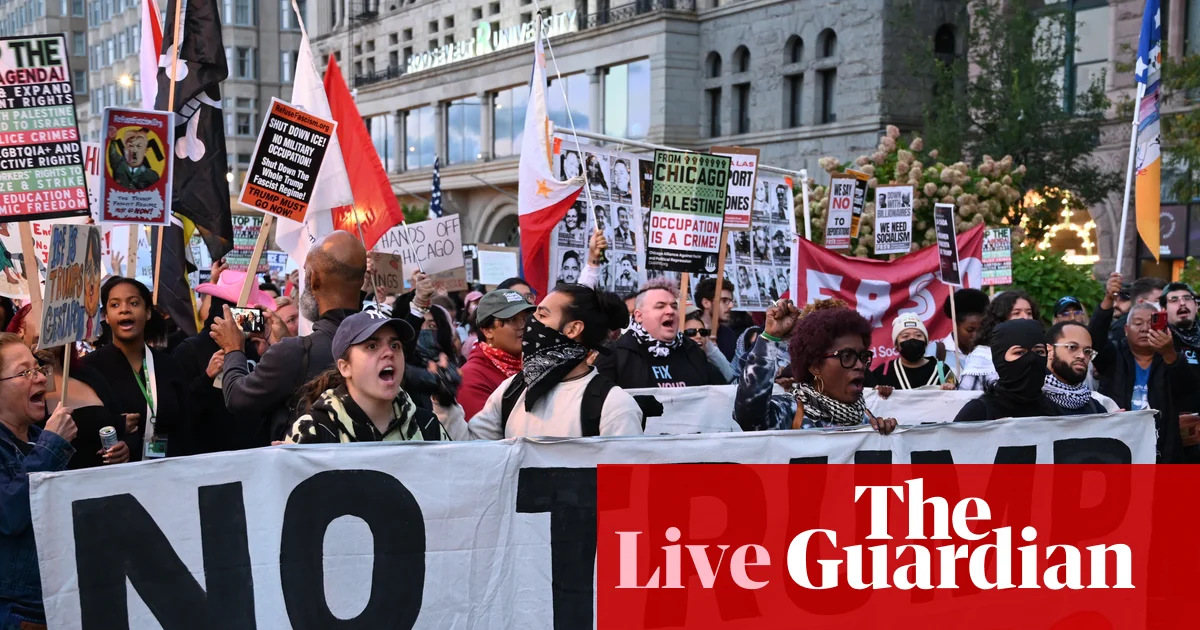
National Guard Deployed to Shield ICE and Federal Sites in Chicago — US Politics Live

Geopolitical Shifts and Domestic Turmoil: The Rising Tide of U.S. Security Interventions

In an unprecedented move that underscores the intensifying internal divisions within the United States, recent reports reveal the deployment of National Guard troops in Chicago and Memphis, tasked with protecting federal property amid mounting violence and political unrest. The Biden administration’s decision to activate approximately 500 troops—200 from Texas and 300 from Illinois—for a 60-day operation signifies a significant escalation in the direct federal intervention in domestic affairs. This deployment, aimed at securing Immigration and Customs Enforcement (ICE) facilities and other federal assets, has ignited a fierce political debate, with critics viewing it as a troubling overreach by federal authorities, while supporters frame it as necessary for national security.

The domestic destabilization has further polarized the political landscape, with figures like former President Donald Trump calling for the imprisonment of Chicago’s mayor Brandon Johnson and Illinois Governor JB Pritzker, accusing them of outright neglect toward law enforcement officers. Trump’s rhetoric, posted on Truth Social, blamed local officials for alleged failures to safeguard ICE personnel, further politicizing what many see as an erosion of state and local autonomy. The deployment of troops despite protestations from Illinois officials raises serious question marks about federal-state relations, highlighting the widening divide in governance philosophies. Historians warn that such actions echo past moribund episodes of federal overreach, threatening the delicate balance that underpins American federalism.

On the international stage, U.S. President Donald Trump announced a “tentative deal” between Hamas and Israel aimed at halting Gaza hostilities and securing the release of prisoners. While praise poured in from Republican lawmakers celebrating a purported breakthrough in Middle Eastern peace efforts—some suggesting Trump’s candidacy for a Nobel Peace Prize—Palestinian Americans and Middle East analysts expressed deep caution. The agreement includes an Israeli withdrawal from Gaza and involves a complex prisoner exchange, but many experts underscore the fragility of such ceasefires, especially without addressing underlying grievances. The Middle East, a geopolitical cauldron, demonstrates the unpredictable consequences of American diplomatic interventions that oscillate between efforts at peace and the risk of reigniting regional conflicts.

Simultaneously, in the hemisphere, Brazilian President Luiz Inácio Lula da Silva revealed that U.S. Secretary of State Marco Rubio contacted Brazil’s foreign minister concerning tariffs—an example of U.S.-Latin America diplomatic maneuvering. Lula’s surprise at the call reflects ongoing tensions over trade policies, highlighting how U.S. economic diplomacy continues to influence Latin American affairs. As the global order faces mounting challenges—from destabilized regions in the Middle East to internal divisions in the U.S.–the ripple effects threaten to reshape alliances, trade, and stability. Historically, international analysts emphasize that these decisive moments in foreign diplomacy cast long shadows on future prospects for peace and power dynamics.

As Congress and courts across the nation grapple with questions about the legality of deploying military personnel domestically, the weight of history presses heavily on the unfolding events. The deployment in Chicago and Memphis signifies a pivotal point—either a step toward restoring order or a warning sign of descending chaos. The decisions made today will reverberate for generations, determining whether the United States remains a nation rooted in constitutional principles or plunges into a conflict fueled by internal discord and external entanglements. The pages of history are turning, and what emerges on the other side will define the destiny of a nation caught between the weight of its ideals and the harsh realities of a fractured society.

Australia News Live: Hecs Debt Relief Starts November – Waters Demands More Support for Detained Flotilla Activists

Global Power Play: Navigating Conflicts, Alliances, and Domestic Policy Shifts

In an era where the geopolitical landscape shifts rapidly, nations are increasingly compelled to reassess alliances and strategic priorities. Australia, under the leadership of Prime Minister Anthony Albanese, exemplifies this dynamic as it grapples with complex international issues—from supporting activists attempting to break the Gaza blockade to navigating climate commitments and domestic policy reforms.

One of the most striking international developments involves the interception of a flotilla attempting to breach the naval **blockade on Gaza**, aimed at delivering critical aid to the beleaguered Palestinian territory. Six Australians who participated face detention by **Israel**, prompting calls from Australian politicians, including opposition figures such as Larissa Waters, for the government to escalate diplomatic efforts. Waters has demanded greater action from Foreign Minister Penny Wong, including “calling on the Israeli ambassador” and even contemplating the expulsion of that ambassador if Australia’s nationals are not treated with due security and respect. The situation underscores the **geopolitical impact** of America’s close alliance with Israel—a relationship that many analysts argue complicates Australia’s ability to adopt a balanced foreign policy amid rising tensions.

Meanwhile, in domestic policy, the Albanese government has announced significant steps to ease economic burdens for Australians. Starting mid-November, the **Higher Education Contribution Scheme (HECS)** debt will be cut by 20%, a move aimed at alleviating the student debt crisis faced by millions. This policy shift, backdated to balances as of June, reflects a broader economic strategy to boost domestic affordability and social mobility. Critics, however, argue that such measures serve political ambitions more than systemic reform, especially as debates around **climate change** intensify. The Greens, led by Larissa Waters, have repeatedly accused the government of ignoring expert advice—asserting that the **62-70% emissions reduction targets** are “low-balled” and favoring coal and gas industries with too lenient policies. This rift demonstrates how domestic policy decisions are deeply intertwined with **global climate commitments**, which, if rushed or compromised, could undermine Australia’s credibility on the international stage.

In the broader arena, the **Green parties worldwide** are pushing hard for environmental protections and a shift away from fossil fuels. Waters has called for an end to native forest logging and stronger environmental safeguards, criticizing the government’s willingness to negotiate with powerful fossil fuel interests—particularly the notorious “go zones” that reportedly include 22 coal projects seeking approval in the Bowen Basin. International organizations like the Climate Change Authority warn that actual commitments are insufficient to meet the looming climate crisis, a concern echoed by Australian experts who emphasize that **how nations choose to act now will define their legacy**. The tension between economic growth’s reliance on fossil fuels and the urgent need for ecological sustainability continues to be a defining feature of Australia’s **geopolitical impact** on global climate efforts.

As these internal and external tensions unfold, history remains at the crossroads. Decisions made in the coming months will resonate across nations—impacting alliances, influencing international perceptions, and shaping the lives of generations to come. From the **growing unrest in Gaza** to the **policy debates within Australia’s halls of power**, it is clear that the true test of leadership is whether a nation can uphold justice, security, and sustainability—all while navigating the turbulent currents of the world’s future. The unfolding narrative is a stark reminder that history’s weight lies not just in the decisions of today, but in the legacy of what is yet to be written.

Social Media Auto Publish Powered By : XYZScripts.com