Matox News

Truth Over Trends, always!

Brazil Floods and Landslides Take 20 Lives, Highlighting Urgent Need for Preparedness

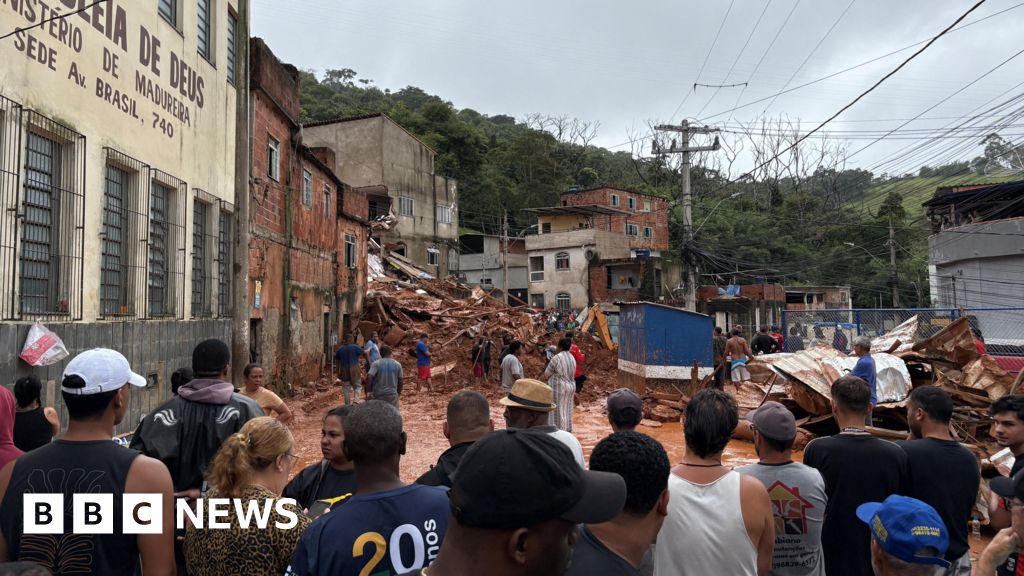
In a harrowing reminder of the ever-present vulnerability of urban populations to natural disasters, Juiz de Fora has become the center of international attention following recent catastrophic events. Hundreds of residents have been displaced amidst a surge in infrastructure collapse, while dozens are still reported missing as rescue operations continue into the night. The disaster underscores the ongoing challenges faced by cities worldwide in balancing rapid development with disaster preparedness, especially within vulnerable geopolitical regions.

As the world scrutinizes the unfolding crisis, experts point to a broader pattern of environmental and infrastructural neglect fueling such disasters. According to international climate analysts and urban planners, climate change—once dismissed as a distant threat—is now manifesting through increasingly extreme weather events. These conditions exacerbate the fragility of urban infrastructure, especially in fast-growing cities like Juiz de Fora, located in a geopolitically sensitive area of Brazil. The incident highlights how neglect of preventative measures can turn natural events into devastating tragedies, fueling migration pressures and social unrest.

The global geopolitical impact of such crises extends beyond local borders, emphasizing the importance of international cooperation. Countries in the Global South, including Brazil, are often at the receiving end of climate-induced calamities with limited resources for effective response. Analysts from organizations like the United Nations warn that if global powers do not prioritize climate resilience and infrastructure modernization, similar disasters will continue to threaten societal stability across vulnerable regions. Coupled with political instability and economic challenges, these catastrophes threaten to impinge on international security and economic stability—factors that global leaders cannot afford to ignore.

Historically, cities have been battlegrounds of progress and setbacks, echoing the words of prominent historians who have long emphasized that such moments are turning points in history. The ongoing crisis in Juiz de Fora illustrates how decisions made—or neglected—in urban planning and climate resilience can have profound, enduring consequences. According to analysts, whether nations choose to confront these vulnerabilities or ignore them today will shape the future of global stability, with some arguing that the current failures could be seen as warnings of a more tumultuous era ahead. The echoes of past failures resonate now; time is running out for decisive action designed to prevent future tragedies.

As rescue teams scour the debris-strewn streets and international observers reflect on the tragedy, one thing remains clear: the unfolding event is not just a local catastrophe but a stark symbol of the collective responsibility nations bear. With each displaced family and each unresolved missing person, the weight of history presses down—an indelible reminder that the path to resilience must be forged before the next calamity strikes. The world watches, aware that the lessons learned here—urgently, and with resolve—will determine whether history’s next chapter is one of recovery or further chaos.
Avalanche Tragedy in the Austrian Alps: Five Lives Lost

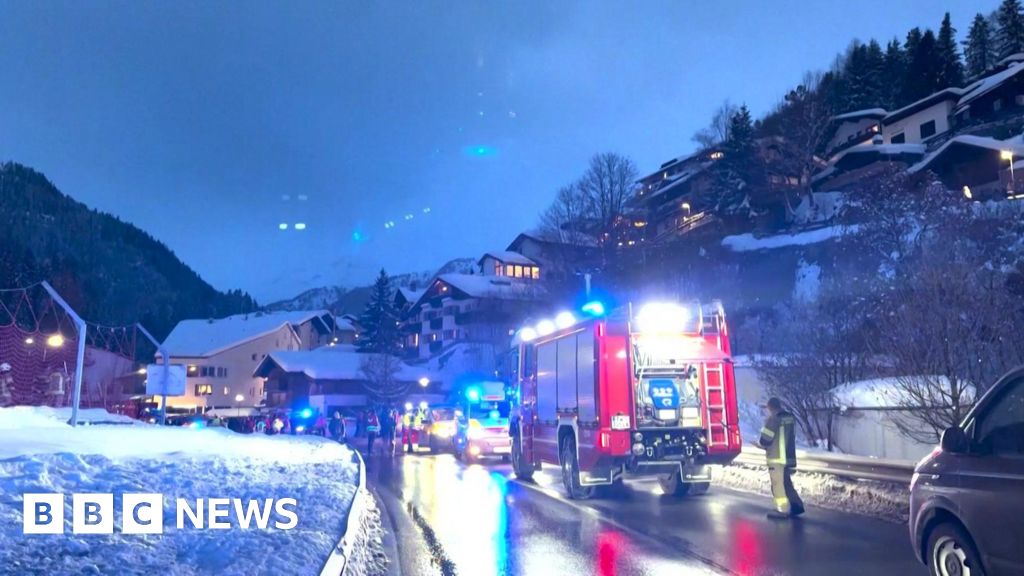
In a tragic turn of events, a man skiing with his son was among those who lost their lives in the devastating avalanche that struck the European Alps this past Friday. The incident has catapulted the region’s winter disaster toll to at least 21 lives lost this season, underscoring the escalating risks associated with changing climate patterns and increased recreational activity in mountainous areas. It is a stark reminder that, despite advances in safety technology and rescue operations, nature’s fury remains unpredictable and deadly.

Beyond the immediate human tragedy, this avalanche underscores the broader geopolitical and societal implications of climate change and regional safety policies. The Alps, spanning several nations including France, Switzerland, Italy, and Austria, have long been a shared economic asset, underpinning tourism and local livelihoods. However, climate scientists suggest that rising temperatures are destabilizing snowpacks and increasing the frequency and severity of such natural disasters. According to recent reports from the Intergovernmental Panel on Climate Change, the Alps’ snow cover has decreased significantly over the past decades, amplifying the danger and economic costs associated with winter sports.

This increasing frequency of avalanches has prompted many regional governments and international watchdogs, such as the United Nations Environment Programme, to reconsider their strategies on climate mitigation and disaster preparedness. Yet, critics argue that political inertia and conflicting national priorities hinder effective cooperation, especially in the face of mounting economic pressures from seasonal tourism. Analysts warn that if collective action is not accelerated, the Alps and similar fragile ecosystems worldwide will face continued vulnerabilities, affecting not just local communities but global perceptions of climate resilience and environmental stewardship.

The recent tragedy is also viewed through the lens of geopolitical stability and regional cooperation. European nations depend heavily on cross-border cooperation to manage natural disasters in shared spaces, yet the recurrence of such events exposes the gaps in coordination and resource distribution. As historians like Dr. Elias Barrett note, these crises could either serve as wake-up calls for renewed multilateral efforts or deepen divisions, especially amidst the ongoing energy debates and economic uncertainties gripping Europe. The avalanche’s aftermath has reignited calls for comprehensive safety policies, improved surveillance technology, and early warning systems that could save lives in future incidents.

In the unfolding narrative of our time, these natural disasters are more than isolated tragedies—they are the frontlines of a global struggle to confront environmental change, geopolitical cooperation, and societal resilience. As authorities and citizens grapple with the memory of lives lost and the future risks ahead, history quietly records the moment—on snowy peaks where nature’s power remains unyielding. The way nations respond today will shape the legacy they leave for generations to come, leaving the world to ponder: will this be a turning point in collective action, or a prelude to more devastating chapters in environmental catastrophe?

Rhode Island ice rink shooting claims two lives, raising serious concerns

Mass Shooting at Pawtucket Ice Rink: A Reflection of America’s Deepening Crisis

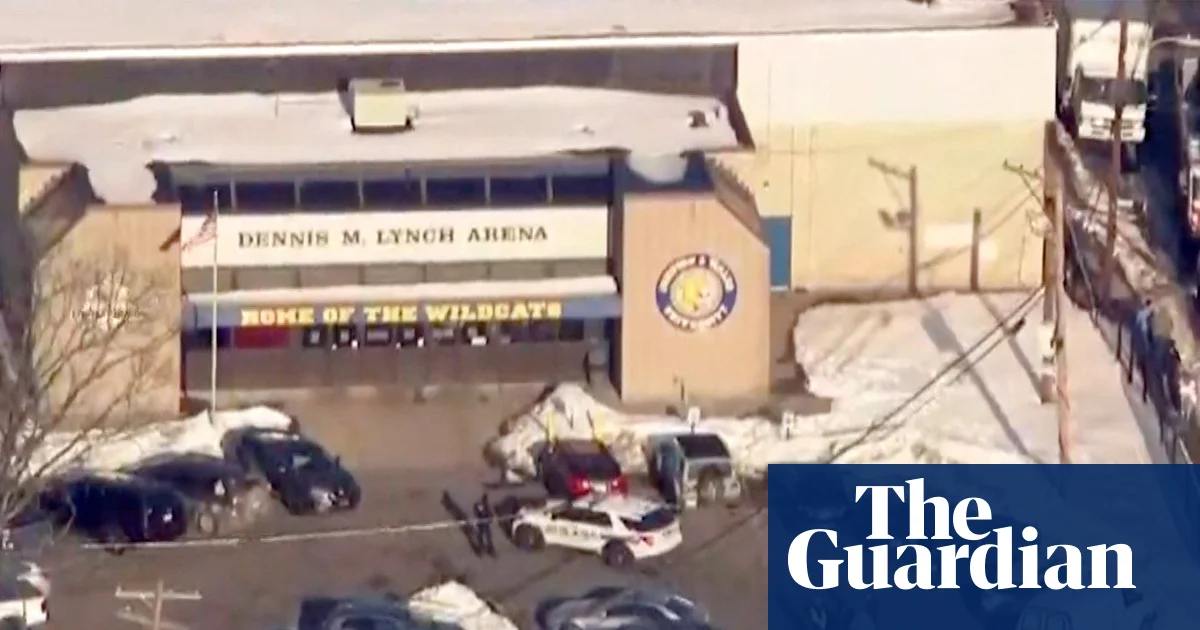
In what marks yet another tragic chapter in the ongoing crisis of domestic gun violence, a mass shooting erupted at an indoor ice rink in Pawtucket, Rhode Island, highlighting the fragility of safety even in community sports environments. According to reports, at least two individuals lost their lives—one confirmed dead at the scene and another victim succumbing to injuries in the hospital. The suspect, who opened fire during a youth hockey game, was ultimately killed by law enforcement, leaving a chilling reminder of how societal tensions continue to spill into communities.

The incident, which unfolded during a boys’ hockey match between local schools, underscores a disturbing trend of violence infiltrating settings traditionally associated with innocence and development. Eyewitness accounts indicate that gunfire erupted from behind the stands, with reports noting that the shooter wielded at least two weapons. In a display of quick-thinking and civic responsibility, a local father is credited with heroism—disarming the attacker, thereby preventing further loss of life, amidst the chaos. Such acts of bravery are notable amid the rising toll of firearm-related violence, which remains a divisive and intractable issue across American society.

The geopolitical impact of this domestic tragedy extends far beyond the borders of Rhode Island. As America grapples with this recurring crisis, international observers and analysts are noting a divergence within American society—particularly among younger generations—on issues of gun rights and safety policies. Prominent political figures and organizations such as the Gun Violence Archive and the Brady Campaign continue to call for stronger gun control measures, yet legislative stagnation persists, fueling concerns of vulnerability and societal decay. The imagery of school and community shootings is becoming a grim symbol of America’s failure to balance individual rights with collective safety, affecting the nation’s global reputation and internal cohesion.

Historians and security analysts warn that such acts of violence are symptomatic of deeper societal and political fissures. Some experts suggest that without comprehensive reform—contrasted starkly against the constitutional protections revered by many—America risks continued internal destabilization. The international community, especially in regions dealing with conflicts or authoritarian regimes, views America’s internal convulsions with a mixture of concern and skepticism. Their latest reports underscore how internal strife at home can erode America’s moral authority on the world stage, weakening the very institutions that undergird international stability and democracy.

As Joe Biden and his administration face mounting calls for intervention, the debate sharpens around the question of how nations adapt to a society increasingly fractured by violence. Will policy shifts come, or will partisan discord deepen? The image of a hero father disarming a shooter amid tragedy exemplifies the unpredictable human toll of this crisis—a reminder that in times of chaos, action and resilience go hand in hand. Still, the specter of gun violence persists as a shadow over the future, challenging policymakers and society alike to confront uncomfortable truths.

In this unfolding narrative of crisis and response, the significance reaches beyond a lone act of violence in Pawtucket. It embodies the broader struggle for nationwide cohesion, security, and identity. The coming months will reveal whether America will choose to address its internal fractures or continue down a path where history’s harrowing lessons are repeated. The world watches as the story of this small town’s tragedy becomes a chapter in an ongoing saga of societal upheaval—a testament to the fact that in the grand chessboard of global power, the stability of its individual nations remains the foundation upon which world order is built. The question remains: how will history judge this moment? And how much longer before similar tragedies echo across borders, rewriting the global narrative once again?

Iran gas blast claims five lives amidst ongoing crisis

In a disturbing development that underscores the fragile security landscape across key regions, a four-year-old child is among those confirmed dead after two separate blast incidents reported on Saturday. These violent events have once again illuminated the persistent threat of terrorism, insurgency, and geopolitical instability that continue to ripple across borders, affecting societies at their most vulnerable. The pattern of deadly explosions not only results in tragic loss of life but also highlights the ongoing struggle for stability amidst rapidly shifting international alliances and regional conflicts.

Experts from the United Nations and various geopolitical analysts warn that such incidents are symptomatic of deeper, unresolved grievances. The blasts, occurring in areas with strained political dynamics, have spurred calls from global leaders for increased cooperation. The recent spikes in violence are seen by many as the result of longstanding conflicts that international diplomacy has struggled to contain—conflicts often fueled by competing national interests, sectarian divides, and economic deprivation. The international community is particularly concerned about the impact these tragedies have on vulnerable populations, especially children, who bear the brunt of ongoing violence. The loss of a young child in such circumstances has become a somber symbol of the broader human toll inflicted by these persistent insecurity issues.

In response to Saturday’s events, governments and security agencies have intensified their efforts to identify and dismantle networks responsible for orchestrating such atrocities. Meanwhile, the geopolitical impact extends beyond immediate security concerns, influencing global power balances. Countries like the United States, Russia, and key regional powers are increasingly forced to reassess their strategic priorities and alliances, with some leveraging these events as justification for increased military presence or stricter border controls. These decisions inevitably ripple through societies, affecting daily life, economic stability, and political discourse, often leading to increased polarization and distrust among populations.

Historically, episodes of violence like these serve as critical turning points, prompting international organizations and historians to analyze the deeper roots of conflict. Many argue that the current wave of violence is rooted in unresolved regional tensions, thwarted peace processes, and ineffective governance. As analysts emphasize, these incidents are warning signs that without meaningful diplomatic intervention and economic development, such tragedies will only multiply. The future of these regions hinges on the relentless pursuit of peace and stability, but the path remains fraught with uncertainties.

As the world watches, the ongoing chaos leaves behind a haunting question: How much more bloodshed must occur before the global community fully embraces a decisive, coordinated effort to restore order? Threatening to engulf entire civilizations in cycles of violence, these tragedies continue to threaten the stability of nations and the security of societies worldwide. The weight of history presses heavily upon policymakers and citizens alike, reminding the world that in the face of adversity, the struggle for lasting peace remains an enduring, complex challenge. This is a chapter that is still being written—where every decision has the potential to shape the course of history, either toward renewal or further chaos.

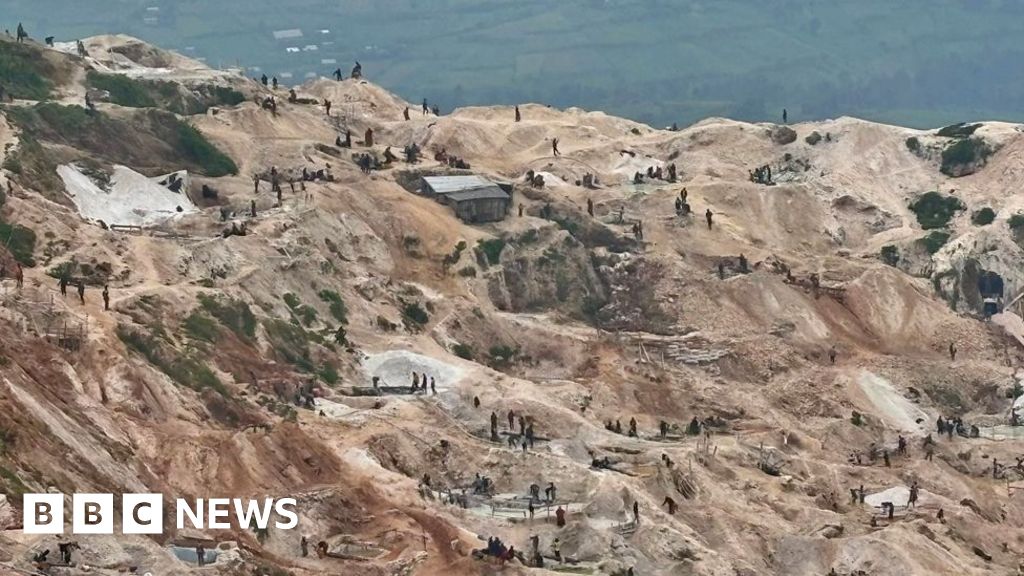
Over 200 lives lost in deadly mine collapse in DR Congo—a tragic reminder of unsafe labor practices.

In a stark reminder of the fragile stability in volatile regions, a recent mine collapse, precipitated by heavy rains on Wednesday, has captured global attention. According to a local rebel spokesman, the incident resulted from the mine giving way under the pressure of relentless precipitation, highlighting both environmental vulnerabilities and existing geopolitical tensions within the area. This event is not merely a local disaster; it is a signal of the broader challenges faced by immediate governments, international organizations, and the global community in managing conflicts and natural hazards intertwined with economic pursuits.

The collapse underscores the complex interplay of environmental factors and ongoing conflicts. Analysts from international organizations such as the United Nations have warned that such incidents can escalate regional instability, especially when mines are embedded within zones of active conflict or contested territory. Historically, mines have been vital to regional economies, often entangled with local power structures and insurgent groups seeking to finance their operations. This particular event exposes the vulnerability of infrastructure in conflict zones, where, as experts warn, neglecting environmental safeguards can trigger devastating consequences. The implications stretch beyond immediate environmental damage, threatening regional economic stability and potentially igniting renewed clashes over resource control.

Furthermore, the incident raises geopolitical questions about the roles of state authorities and non-state actors. The rebel spokesman’s confirmation suggests ongoing power struggles within the region, hinting that the collapse might be a symptom of weaker oversight and compromised safety standards. Meanwhile, global institutions such as the World Bank and International Monitory Fund have, over the years, faced criticism for neglecting the unique needs of conflict zones, often prioritizing economic extraction over ecological and social safeguards. As these events unfold, many experts argue that the lack of coordinated international intervention heightens the risk of further destabilization and human suffering.

  • Key stakeholders are calling for urgent international aid to contain environmental pollution and ensure safety standards are enforced.
  • Environmentalists warn that unchecked resource extraction in conflict zones will exacerbate climate change and biodiversity loss.
  • Historians note that previous resource-related disasters often serve as catalysts for larger geopolitical shifts and conflicts.

As regional leaders grapple with the immediate fallout, the event signals a broader warning: the nexus of resource exploitation, environmental degradation, and conflict remains a tinderbox capable of igniting new crisis points. The collapse not only devastates local communities but also serves as a stark reminder of the urgent need for a comprehensive international framework to regulate resource extraction, especially in unstable regions. Yet, amidst the chaos, the question lingers — who will bear the costs of such failures, and how will history judge those in power who fail to heed the warnings? As the dust settles and the scene shrinks into the background of today’s headlines, the stones of history continue to be laid, waiting for those who will shape the future of this fractured world.

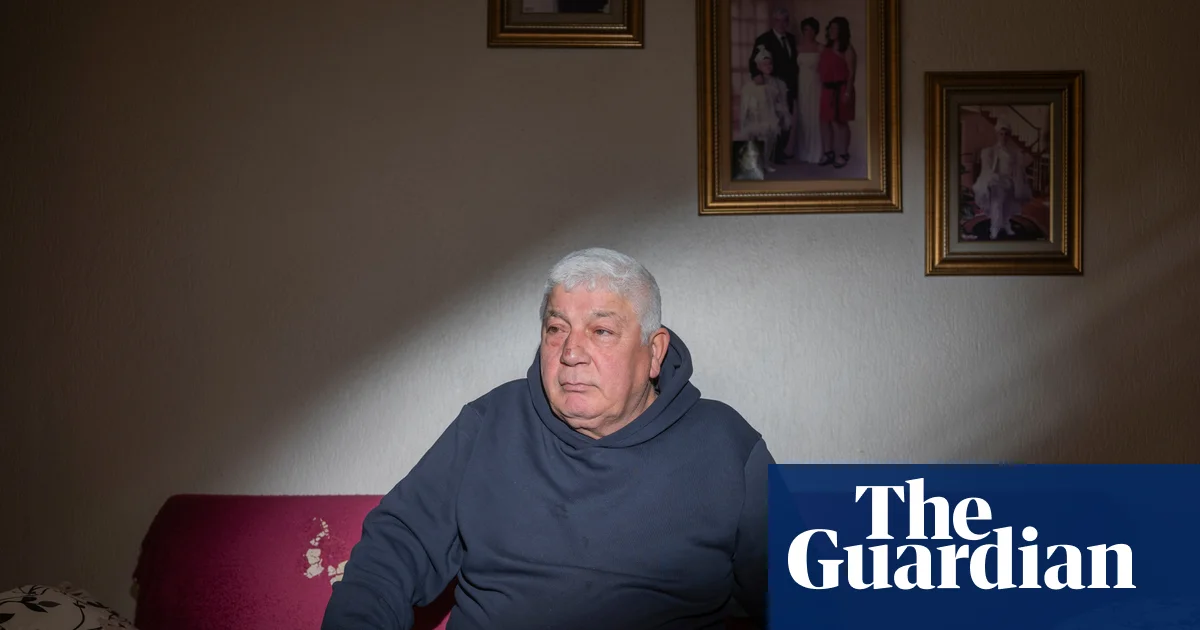
Why are so many Turkish women losing their lives? A troubling trend among our daughters.

In the heart of Türkiye, a nation steeped in cultural tradition and rapid modern change, a distressing pattern has taken hold—one that deeply affects families, communities, and the fabric of society itself. Official statistics reveal that every year, more than 250 women die by “falling from high places,” a euphemism increasingly associated with femicide and suspicious deaths. Sociologists and social commentators argue that these figures obscure a harsh reality: many of these women did not jump but were pushed, victims of a broader societal failure to address gender-based violence and systemic indifference. Behind the cold numbers lie devastating human stories that unsettle the nation’s conscience, calling for urgent reflection and reform.

The case of Şebnem Köker exemplifies how social issues—ranging from domestic abuse, gender discrimination, to institutional neglect—intertwine to devastate lives. The police initial investigation, which dismissed her death as a suicide, concealed critical evidence: Şebnem was not alone the night she died, yet authorities failed to thoroughly examine her environment or the people present. Her last known interactions—bordering on clandestine—reveal a young woman caught in a web of complex relationships and societal pressures. Despite her family’s protests, police guided the narrative towards suicide, ignoring forensic evidence and eyewitness accounts suggesting foul play. Such systemic oversight highlights how the societal association of women’s independence with vulnerability, amplified by institutional missteps, perpetuates a cycle of injustice that harms families and erodes trust in the justice system.

The persistent undercounting of femicide in Turkey, according to campaigners like Kav of We Will Stop Femicide, results not just from official apathy but from a systematic failure to properly investigate and prosecute these crimes. Forensic experts internationally have developed methods to determine whether a death was a fall or a push, yet in Turkey, such techniques remain underutilized or ignored. Despite landmark cases—like the conviction of Çağatay Aksu for pushing Shiule Çet off a high-rise—many perpetrations remain uninvestigated, and justice remains elusive. Families, often shattered emotionally and financially, grapple with the pain of lost loved ones, uncertain whether societal neglect or deliberate concealment bears greater responsibility for the silence that envelops these tragedies. Their stories underscore that the social fabric is frayed when gendered violence goes unpunished, leaving families and communities to mourn in the shadows of systemic indifference.

Amid this backdrop, social reformers and legal advocates call for a paradigm shift, emphasizing that justice is a societal responsibility, not merely a bureaucratic process. They argue that the state’s failure to investigate thoroughly, combined with cultural stigmas surrounding women’s agency and mental health, fosters an environment where perpetrators are shielded, and victims’ families are left to seek truth alone. Campaigns promoting forensic advancements and judicial transparency have seen limited success, with advocates like Süren fighting lengthy legal battles to have cases reopened or re-examined. Their persistence offers a flicker of hope—an acknowledgment that change begins with societal acknowledgment of these injustices, bridging the gap between systemic failure and compassionate action. Society finds itself at a crossroads: to confront its failures, reckon with cultural shifts that tolerate violence, and foster community resilience rooted in respect and equality. If society aspires to be more than just a mosaic of broken stories and distant statistics, then it must embrace the moral imperative to protect its most vulnerable, ensuring that the lives lost are not but whispers on the wind but catalysts for transformative justice.

Colombia plane crash claims lives of all 15 onboard, raising safety concerns

Tragedy in the Skies: Satena Flight Disaster Sparks International Concern

In a devastating announcement, Colombia-based airline Satena disclosed that one of its aircraft, operating with a modest flight crew and carrying a total of 15 passengers, tragically suffered a fatal accident. The incident, which unfolded amidst ongoing regional tensions and geopolitical shifts, has sent shockwaves across the Latin American continent and beyond. While authorities have yet to release complete details, early reports point toward a catastrophic event that underscores the persistent perils of regional air travel in conflict-affected zones.

The geopolitical impact of this tragedy reaches deeper than the immediate human loss. It raises pressing questions about the safety protocols, security challenges, and infrastructural vulnerabilities faced by airlines operating in volatile regions. Analysts from the International Civil Aviation Organization (ICAO) warn that the incident could mark a turning point in how international aviation safety standards are enforced in conflict zones. For many nations, especially those like Colombia, where internal unrest and political instability persist, such accidents threaten to destabilize regional cooperation and expose cracks in the fragile fabric of peace and stability.

The incident comes at a time when the global community is closely watching Latin America’s evolving geopolitical landscape. The region, historically a battleground for influence between major powers, now finds itself grappling with a mix of internal conflict, economic instability, and external pressures from North America and China. According to geopolitical analysts, this tragedy could serve as a somber reminder that the consequences of regional unrest extend far beyond political discourse, affecting innocent lives and tangible infrastructure. International organizations emphasize the need for enhanced security cooperation among neighboring nations to mitigate risks and stabilize the region’s fragile borders.

Historically, airlines operating in conflict-prone areas have often faced disproportionate challenges, but this incident underscores that safety cannot be compromised, especially when human lives are at stake. Experts like Dr. Elena Martinez, a senior analyst at the Latin American Institute for Peace and Security, caution that such tragedies could usher in a chapter of increased scrutiny and tighter international oversight, potentially impacting regional diplomacy and economic development. As nations grapple with whether to prioritize security measures over economic activity, an evolving battlefield of geopolitical interests takes shape. How governments and international agencies respond in the coming days will shape regional stability for years to come.

In this chapter of ongoing crises, history’s pen remains poised. The weight of countless lives lost in moments of sudden disaster reminds the global community that the unfolding war of geopolitics is not only written in treaties and speeches but also etched into the very skies where countless flights, innocent and unknowing, still voyage through the chaos of our changing world. As nations mourn, prepare, and respond, the haunting question persists: how many more stories of tragedy must be written before the lessons of safety, stability, and international responsibility are truly heeded?

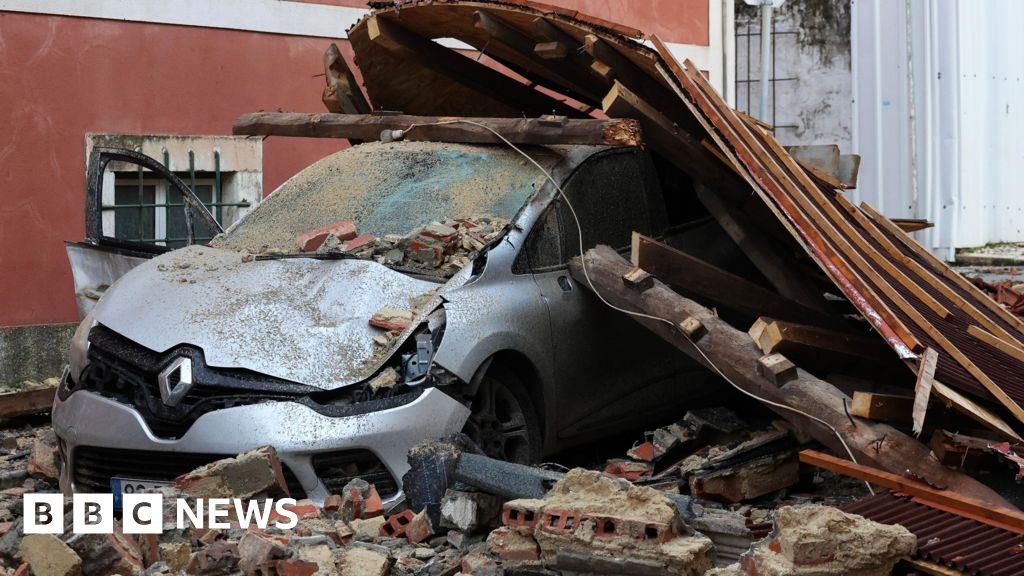
Storm Kristin claims at least five lives in Portugal—urgent action needed

The recent natural disaster that swept through several regions has demonstrated the profound geopolitical impact of environmental events, highlighting vulnerabilities and exposing the delicate balance of modern society’s resilience. The storm, characterized by its unprecedented strength, resulted in widespread destruction, including the toppling of trees and damage to countless homes. Over 800,000 people were left without power—an immediate reminder of how natural forces can threaten the stability of urban and rural communities alike.

Officials from local governments and international organizations have responded swiftly, dispatching emergency crews and aid. Yet, such responses reveal larger questions about how nations are prepared for environmental catastrophes in an era of climate change. Analysts warn that this event underscores a critical turning point in the ongoing debate about infrastructure resilience and the need for global cooperation in disaster preparedness. Many experts, such as climatologists and emergency management officials, emphasize that climatic shifts are intensifying storms, and without coordinated efforts, future events could dwarf this latest crisis. Historically, as noted by scholars like Dr. Alexander Bennett, similar disasters have often served as catalysts for policy reforms—though often the reforms are reactive, not proactive.

On the geopolitical front, the storm’s aftermath is shaping international discourse. Countries such as the United States, China, and European nations are evaluating their own emergency protocols, seeing this event as a bellwether for future environmental crises. The response also strains international institutions, such as the United Nations, which are called to coordinate relief efforts and promote resilience strategies that cross borders. Critics argue that climate diplomacy has thus far been insufficient, and the storm serves as a stark reminder that the global community must accelerate its efforts toward climate adaptation and mitigation. The divide between nations that are prepared and those vulnerable to such disasters risks deepening, potentially leading to geopolitical tensions over resource allocation and aid responsibilities.

Moreover, the social consequences of the disaster are profound. Displaced populations are increasingly vulnerable, becoming refugees within their own borders. The destruction of infrastructure exacerbates economic inequalities, as those with fewer resources face greater difficulty in recovery. Historians and analysts cite past events, such as the Hurricane Katrina or the Philippine typhoons, as cautionary tales illustrating how environmental disasters can accelerate social discord and political instability. The ongoing crisis underscores the importance of foresight and the potential for such natural events to reconfigure societal structures long after the storm has passed.

As the dust begins to settle, the true scale of this calamity remains yet to be fully understood. What cannot be ignored is the layered narrative of nature’s fury intersecting with geopolitical ambition, economic resilience, and societal endurance. The storm’s ferocity has left a mark not just on physical landscapes but on the very foundations of international cooperation. The world now faces a pivotal question: will this event catalyze meaningful change or fade as just another chapter in a long history of neglect and reactive policymaking? The answer lies hidden beneath the storm’s aftermath, waiting for history to decide—while the legacy of this natural disaster continues to unfold, shaping the destiny of nations for generations to come.

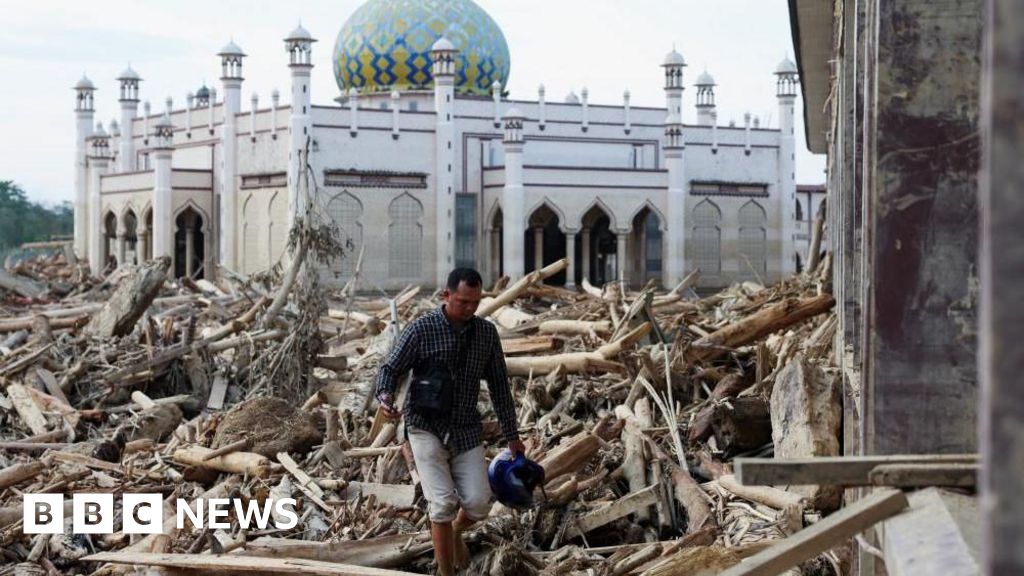
Indonesia Floods Claim Over 900 Lives in Devastating Disaster

Disasters Strike Asia: A Wake-Up Call for Global Geopolitics

The recent surge of extreme weather events across Asia underscores a troubling development in the climate and geopolitical landscape. In Indonesia, catastrophic flooding resulting from a rare and powerful cyclone has claimed over 900 lives and left hundreds more missing. The devastation is compounded by the destruction of more than 100,000 homes, displacing thousands and overwhelming local authorities’ ability to respond effectively. As Indonesia grapples with this unprecedented calamity, the event highlights the tangible consequences of climate change, which global organizations warn could intensify in the coming decades, thereby destabilizing fragile infrastructures and societies.

The damage isn’t limited to Indonesia; neighboring countries such as Sri Lanka, Thailand, Malaysia, and Vietnam are also experiencing a surge in extreme weather, with cumulative death tolls nearing 2,000. Experts, including climatologists and geopolitical analysts, argue that these synchronized disasters expose vulnerabilities in regional cooperation and preparedness. The floods in Aceh Tamiang and other affected areas have revealed a stark reality: governments are often ill-equipped to handle natural crises of this magnitude. Rescue operations are ongoing, with aid being airdropped into inaccessible regions, illustrating a growing dependence on international assistance, yet also exposing deficiencies in domestic resilience.

The geopolitical impact of these events extends beyond immediate humanitarian concerns. As nations scramble to respond, questions of climate migration, resource scarcity, and internal stability loom large. Many have pointed to recent statements by international organizations warning that such disasters could exacerbate political tensions, particularly in nations with fragile governance structures. Furthermore, the crisis has laid bare the risks of looting and law enforcement challenges, highlighting vulnerabilities in the social fabric of affected societies. As the world watches Indonesia’s struggles unfold, the stakes for global stability escalate, raising the question of how prepared the international community is to address climate-induced crises at scale.

Moreover, some experts, including renowned historians and regional analysts, suggest that these disasters are not isolated incidents but rather harbingers of a new era—one where climate malleability will reshape geopolitical alliances and demands for urgent, coordinated action. The Indonesian floods serve as a stark reminder: how decisions made today regarding climate policy, resource allocation, and international cooperation will determine the future stability of nations and societies. With the nation’s infrastructure stretched thin and communities in ruins, the aftermath of this disaster could reverberate long into the future, affecting regional politics and economic stability for years to come. As aid workers navigate muddy, treacherous roads to reach survivors, the echoes of this historic event are a somber call to the world—these are not merely environmental crises, but battles for sovereignty, resilience, and survival in a rapidly changing world.

Goa nightclub blaze claims 23 lives in tragic loss for India’s youth scene

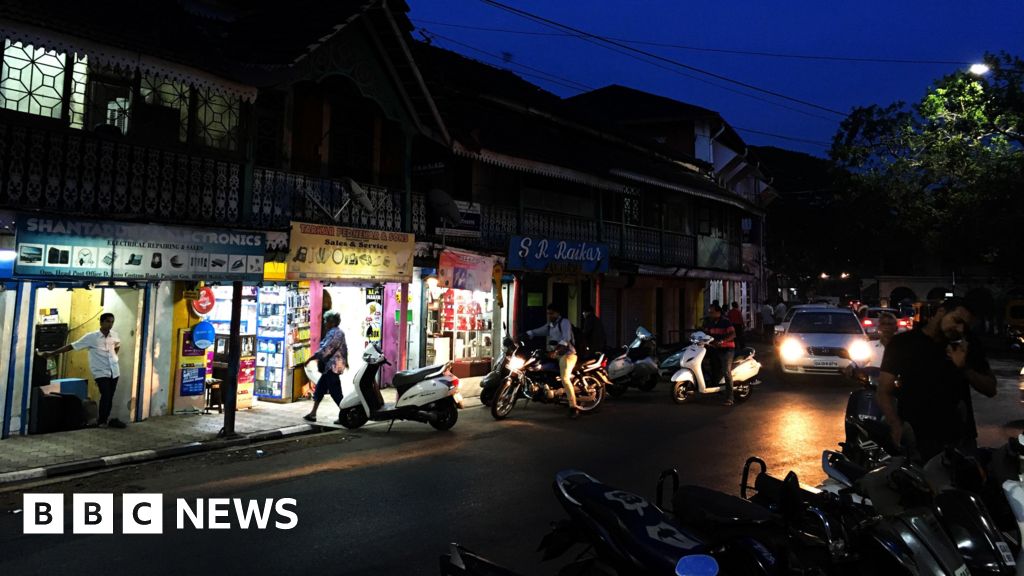
Goad, India—In a devastating incident that underscores the ongoing challenges of public safety and regulatory oversight in popular tourist destinations, at least 23 individuals lost their lives in a nightclub blaze on India’s western coast. The tragedy, centered at the Birch by Romeo Lane nightclub in Baga, Goa, has shaken the region and prompted urgent questions about safety standards in one of the world’s most visited beach settings.

Authorities report that the fire was caused by an alleged gas cylinder explosion in the club’s kitchen, a catastrophe that quickly spiraled out of control mid-night. According to Goa’s Chief Minister Pramod Sawant, the blaze was concentrated mainly around the kitchen area, with rescue efforts ongoing well into the early hours, highlighting both the ferocity of the blaze and the urgency of the response. Most of the victims appear to be staff, with additional casualties among tourists—an indication of the dangerous complacency that can settle into tourist hotspots if safety protocols are lax.

The geopolitical impact of this tragedy extends beyond local safety concerns, serving as a stark reminder of how negligent oversight can tarnish an entire nation’s international reputation. Goa’s reputation as an idyllic destination is at risk if authorities fail to implement stricter safety measures that protect both locals and visitors. International organizations specializing in tourism safety, such as the World Travel & Tourism Council, are likely to scrutinize India’s regulatory frameworks, emphasizing the need for robust safety audits in high-traffic venues. Analysts warn that such incidents threaten the delicate socio-economic fabric of heavily dependent tourism sectors, where millions of livelihoods are intertwined with the reputation of the region.

Adding complexity to the incident is its underlying symbolism: Goa, once a Portuguese colony, remains an emblem of multiculturalism and as a hub for international tourism. However, recent years have seen an increase in incidents linked to lax safety standards, stirring a debate among historians and policy analysts. Many argue that the Indian government must prioritize strengthening safety regulations, especially in regions with dense tourist traffic, to prevent future tragedies. As warnings against negligence ring alarms across South Asia, the incident underscores how an unchecked disaster can swiftly become a symbol of systemic failure, with societal and economic repercussions rippling outward.

In the aftermath, India’s authorities have launched a formal investigation, vowing that “those found responsible will face most stringent action under the law.” Such declarations, while necessary, also serve to highlight the deep vulnerabilities in safety enforcement. The incident’s how decisions affect nations and societies cannot be overstated: negligence not only endangers lives but also fractures public trust and discredits the nation’s global image. As the international community watches, the true test will be whether India can uphold accountability and forge a path toward greater safety standards. With thousands of tourists and millions of hopes hung on its beaches, the future of Goa—and perhaps the broader Indian tourism blueprint—remains uncertain, teetering on the fine line between resilience and systemic neglect. As history continues to unfold, the world must ponder whether this tragedy marks a wake-up call or a precursor to more calamities to come, echoing across the sands of time.

Social Media Auto Publish Powered By : XYZScripts.com