
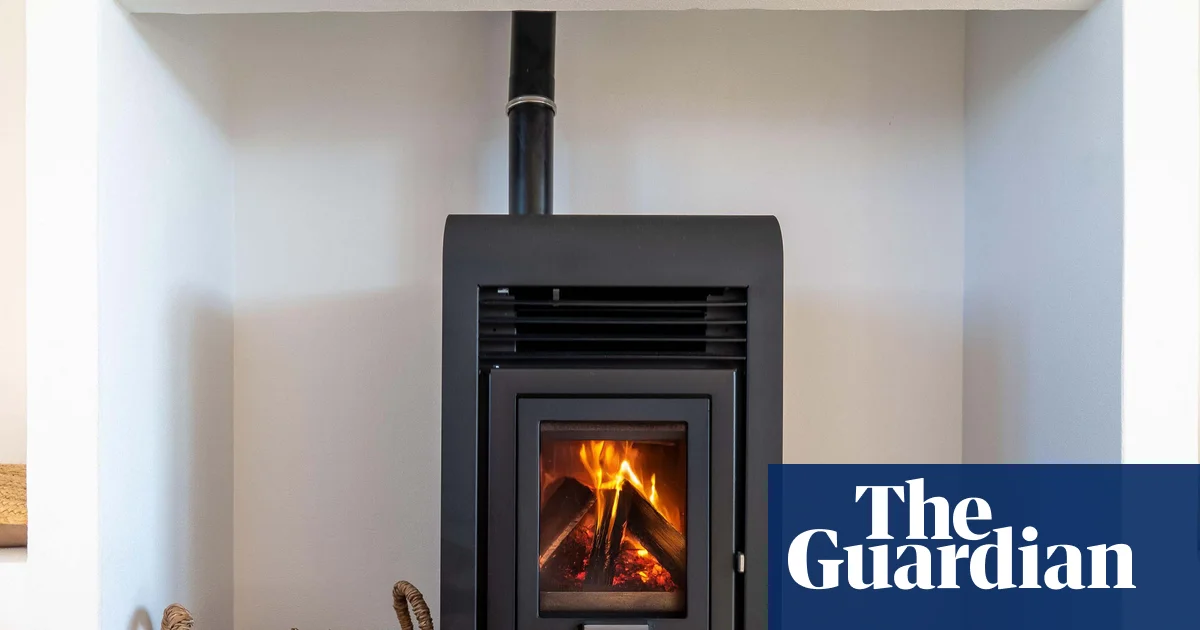

Societal Shadows: The Hidden Toll of the UK’s Wood-Burning Stove Industry
The rise of domestic wood-burning stoves in the UK reflects not only a cultural shift toward cozy, environmentally conscious living but also a complex web of public health risks and social tensions. Despite their growing popularity, especially among younger families seeking aesthetic appeal and sustainable credentials, these stoves pose significant challenges to families, communities, and public health systems. Recent investigations reveal that industry lobbyists are actively working to influence local governments against public health campaigns aimed at curbing indoor air pollution—a move that raises fundamental questions about whose interests are prioritized in societal decision-making.
At the heart of the controversy lies the industry’s aggressive lobbying efforts. The Wood-burning Stove Industry Association (SIA) has threatened legal action against at least eight London boroughs, claiming that their public flyers, which label wood burners as “careless, not cosy,” breach UK advertising laws. This pushback echoes a broader pattern whereby industry actors seek to manipulate public discourse, reminiscent of past tactics employed by tobacco and fossil fuel sectors to derail health-oriented policies. Critics, including social commentators and health advocates, argue that such tactics hide the grim reality: even eco-design stoves, promoted as lower-emission options, contribute significantly to particulate matter like PM2.5, which is linked to a wide array of health issues, from respiratory illnesses to premature death.
Families and communities bear the brunt of this misrepresentation. With about one in ten UK households now installing these stoves—often in dense urban environments—the cumulative effect has become one of the nation’s largest sources of air pollution, accounting for roughly 20% of fine particulate emissions. As sociologist Dr. Emily Richardson notes, this shift impacts social cohesion and environmental justice. Urban families living in close proximity face heightened exposure, with health disparities disproportionately affecting lower-income neighborhoods that rely more heavily on such Heating options. Children and the elderly, especially vulnerable groups, are caught in the crossfire of political and industrial battles over information and regulation.
Equally concerning is the moral dimension: how industry influence threatens the moral fabric of societal responsibility. As historian Dr. Samuel Keller highlights, the pattern of lobbying and misinformation surrounding wood-burning technology echoes the manipulative tactics of industries that historically prioritized profit over public well-being. Campaigners like Mums for Lungs decry such efforts as a direct assault on health campaigns designed to protect the most vulnerable. Meanwhile, public health agencies find themselves navigating a landscape where misinformation is weaponized to uphold commercial interests, undermining the very principle of community welfare.
As policymakers contemplate regulations, the challenge lies in balancing economic interests with moral responsibility. The UK government’s current consultation on wood-burning stoves aims to introduce lower-emission models and health warnings but stops short of endorsing bans in urban areas—a decision critics say perpetuates the cycle of misinformation and environmental harm. The challenge moving forward involves not only tighter regulations but also empowering communities with transparent, truthful information. Only then can society truly address the ethical imperative to safeguard public health, protect families, and preserve the environment for generations to come.
Reflections on Society’s Path
This story encapsulates a society wrestling with its values: the desire for comfort and aesthetic appeal against the undeniable need for health and justice. Beneath the smoke and mirrors of industry influence lies a profound question—what kind of society do we aspire to be? One that prioritizes profit at all costs, or one that champions the health and dignity of every family, community, and future generation?





