Matox News

Truth Over Trends, always!

Trump urges Supreme Court to step in as judges reject snap funding halt—US shutdown looms in 2025

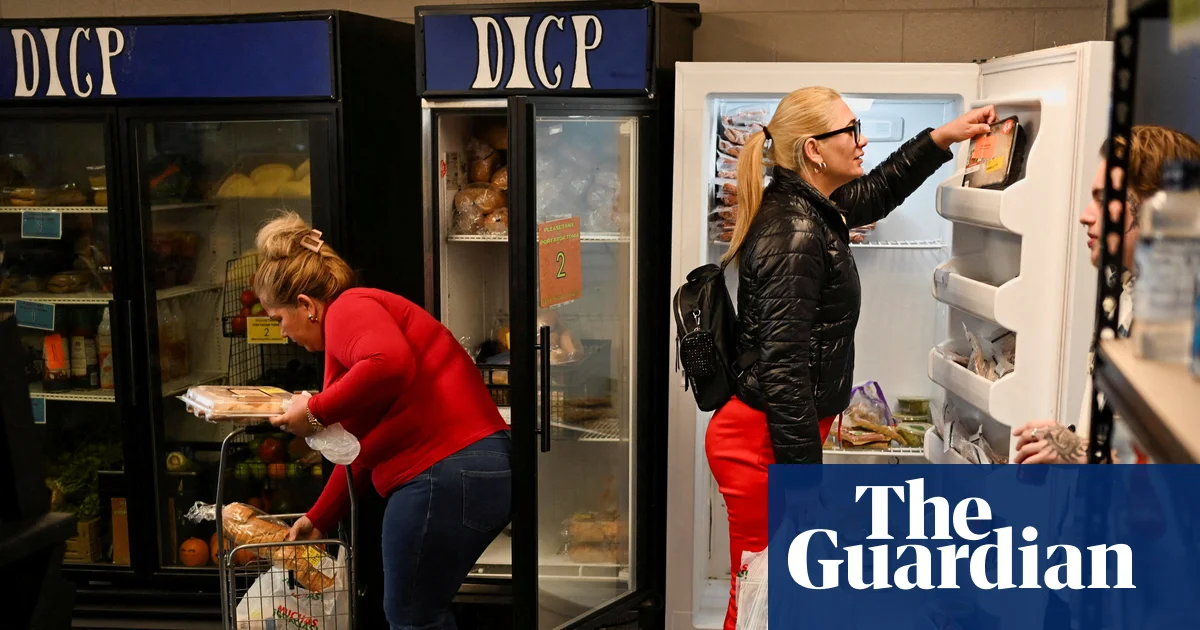
The United States continues to grapple with the fallout from its ongoing federal government shutdown, revealing stark divisions not only within its political landscape but also with profound geopolitical implications. Central to this turmoil is the battle over distributing the November benefits for the Supplemental Nutrition Assistance Program (SNAP), commonly known as food stamps—a critical lifeline for millions of lower-income Americans. The Trump administration’s efforts to halt full payment amid congressional deadlock highlight a distinct shift in federal social policy, raising alarms among international observers and analysts about the erosion of social safety nets in a nation often seen as a global economic leader.

This controversy escalated last week when a federal district court ordered the government to continue full SNAP benefits despite the shutdown’s budget chaos. The administration responded with fervor—first attempting to block the order by appealing to the Supreme Court, claiming that fulfilling the court’s mandate could cause irreparable harm. The argument centered around the idea that once funds are disbursed, they cannot be recouped, and continued payments could set a dangerous precedent for future budgets, especially if the shutdown persists into December. This legal refusal to comply with court rulings exposes a fragile balance between judicial authority and executive discretion, with serious consequences for social stability and international reputation.

International organizations and geopolitical analysts have closely watched this domestic dispute, aware that such internal conflicts have the potential to ripple across borders, especially given the global economic interconnectedness these days. Historians warn that such standoffs threaten to undermine the perception of US stability, potentially weakening its position in international financial markets. The fact that this political and legal tussle revolves around providing basic needs—an essential element for societal stability—underscores the crucial role of national governance in shaping human lives and global relations. As the Trump administration presses for a stay on court orders, claiming it cannot “tap” funds for ongoing payments, critics argue this signals a dangerous turn towards austerity and social neglect.

The unfolding saga leaves the world with a stark reminder: the choices made within the halls of power are not isolated—they set precedents with far-reaching implications. The decision to prioritize political posturing over the well-being of vulnerable populations shapes the narrative of an America divided and weakened at its core. As history continues to write itself into the pages of the 21st century, the crisis surrounding SNAP benefits is emblematic of a nation at a crossroads, where internal conflicts threaten to define its global role and societal fabric for generations to come. Whether this chapter will culminate in a resolution that upholds the rule of law and social cohesion or deepen the fissures remains an open question—yet, one thing is clear: the weight of history presses relentlessly forward, shaping a future still shrouded in uncertainty.
UN lifts sanctions on Syrian leader as White House visit looms

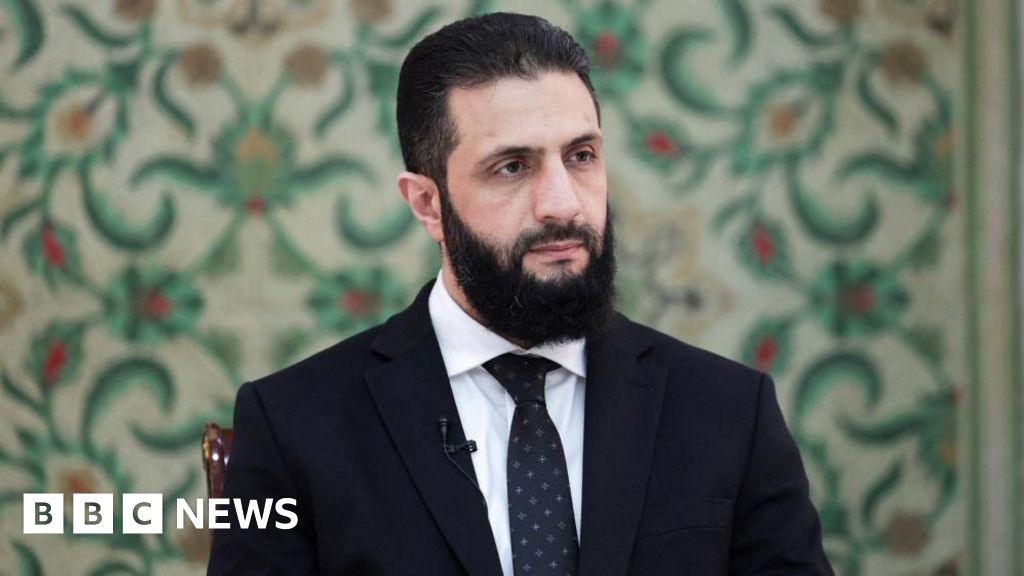
The geopolitical landscape in the Middle East has reached a pivotal juncture, as recent developments signal a significant shift in international recognition and diplomatic engagement with Syria. The United Nations Security Council has voted in favor of a US resolution to lift sanctions on Syrian President Ahmed al-Sharaa, setting the stage for his upcoming White House visit next week. This move marks not only a change in policy but also underscores a broader recalibration among global powers regarding Syria’s future. Once considered a pariah state during its prolonged civil war, Syria now finds itself at the center of a new geopolitical narrative—one that privileges stability and regime consolidation over decades of Western-led isolation.

  • The US has officially recognized the shifting power dynamics by removing Hayat Tahrir al-Sham (HTS) from its list of foreign terrorist organizations, a group that was once linked to al-Qaeda and whose leader, Ahmed al-Sharaa, was previously sanctioned as a terrorist. The decision reflects a strategic pivot in Washington’s approach—viewing Syria through a lens of pragmatic diplomacy rather than exclusively ideological confrontation. Alongside sanctions on Syrian Interior Minister Anas Khattab, the move signals a recognition of the evolving landscape of influence and control within Syria’s borders.
  • The UN’s decision, hailed by Syrian officials as a gesture of appreciation and acknowledgment, underscores a broader shift that has cautious analysts pondering whether the tide of international support has turned decisively in favor of Bashar al-Assad’s regime or, as in the case of Sharaa, an alternative leadership figure emerging from the ashes of conflict.

The symbolism of Sharaa’s upcoming visit to Washington cannot be understated. His first address to the UN General Assembly since the civil war’s peak foreshadows a more concerted effort by Syria to reintegrate into the global community. “Syria is reclaiming its rightful place among the nations of the world,” Sharaa proclaimed, emphasizing his aspirations for legitimacy and influence. Meanwhile, U.S. President Donald Trump has acknowledged the “good progress” made by Sharaa toward peace—a stark departure from past isolationist policies. This shift suggests that the United States and its allies are recalculating their strategic priorities, choosing diplomacy over confrontation in hopes of stabilizing a region long characterized by chaos and conflict.

This latest episode in Syria’s complex narrative raises profound questions about how decisions made in international rooms resonate on the ground. By lifting sanctions and engaging with Syrian figures who have been branded terrorists in the past, the global community’s stance underscores an emerging acknowledgment: alliances are volatile, and today’s enemies can become tomorrow’s partners. Historians and analysts warn that such shifts carry risks—reconciliation may threaten to overshadow justice, and the re-emergence of strongman rule could deepen existing societal divides. Yet, how nations adapt to these fast-evolving geopolitics will indelibly shape the future of the Middle East and beyond.

The story of Syria stands as a testament to the relentless pursuit of power, influence, and stability amidst a landscape of shifting allegiances. As Sharaa steps into the diplomatic arena with Washington, it is clear that the region remains a theater of strategic chess—a place where the weight of history presses heavily upon each move. Future chapters will determine whether these diplomatic gestures herald a new era of peace or mask deeper struggles that threaten to ignite anew. The unfolding drama in Syria reminds the world that history is a relentless witness—watching, recording, and waiting for the moment when an already tense story takes an unforeseen and irreversible turn.

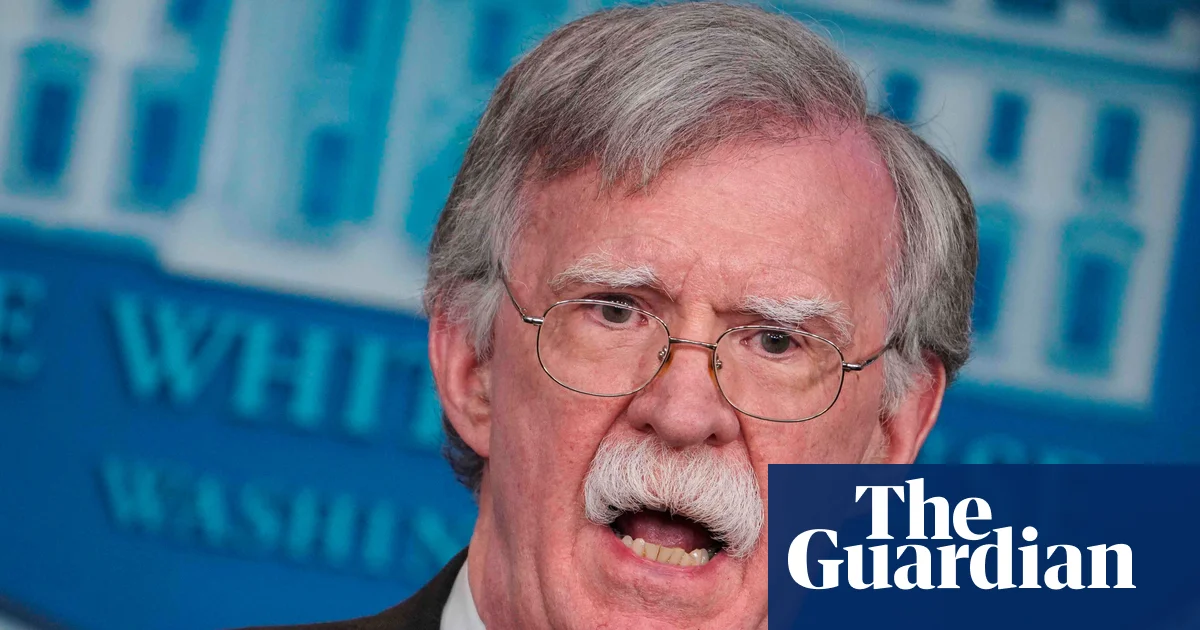
Grand jury expected to indict Trump critic John Bolton—big political showdown looms

In a development that promises to reverberate through the corridors of global power, a potential indictment of John Bolton, the former U.S. National Security Advisor, signals yet another chapter in the ongoing tumult surrounding U.S. domestic politics and the manipulation of the justice system. According to trusted sources Bloomberg and Reuters, a federal grand jury is expected to consider charges against Bolton for violations of the Espionage Act. While details remain elusive, the case underscores a deliberate trajectory by the U.S. Department of Justice to scrutinize figures close to the former administration, ostensibly as part of a broader effort to target political opponents.

This move comes amid mounting controversy over how classified information and state secrets are handled at the highest levels of government. Critics argue that the justice department, under political influence, increasingly functions as a weapon for partisan agendas. The indictment, if handed down, would threaten to further tarnish the image of law enforcement as an impartial arbiter when perceived as weaponized against political rivals. Conversely, supporters see it as a necessary step to uphold accountability and transparency in matters of national security. Here, the geopolitical impact extends beyond America. It raises alarm across allies and adversaries alike, as questions of trustworthiness in U.S. leadership and institutions come under intense scrutiny.

Moreover, the case reflects a broader pattern of internal discord within Washington—highlighted by recent indictments against former high-profile officials like James Comey and Attorney General Letitia James. These actions, driven by politically charged motives, threaten to deepen the political divide and influence how other nations perceive U.S. stability and rule of law. Historians and international analysts warn that such internal strife risks damaging the America’s global reputation as a beacon of democracy and legal integrity. Meanwhile, the emerging narrative suggests that decisions made within U.S. borders are increasingly intertwined with global strategic calculations, especially with Great Power rivalries heating up.

As the situation unfolds, international organizations and alliance partners remain attentive. The case against Bolton, intertwined with reports of his private notes and the potential mishandling of classified documents, exemplifies the contentious debate over state secrets, loyalty, and transparency. It also reflects an era where information security and political loyalty are weaponized in a bid for power. The outcome of this legal process could not only alter Bolton’s legacy but also serve as a stark warning to foreign actors—highlighting how internal U.S. conflicts have the capacity to reshape international diplomacy and security architectures. As the world watches, history has again come to a crossroads, where justice and political rivalry collide to write a new chapter in the annals of American power.

Congressional leaders still gridlocked as vote looms

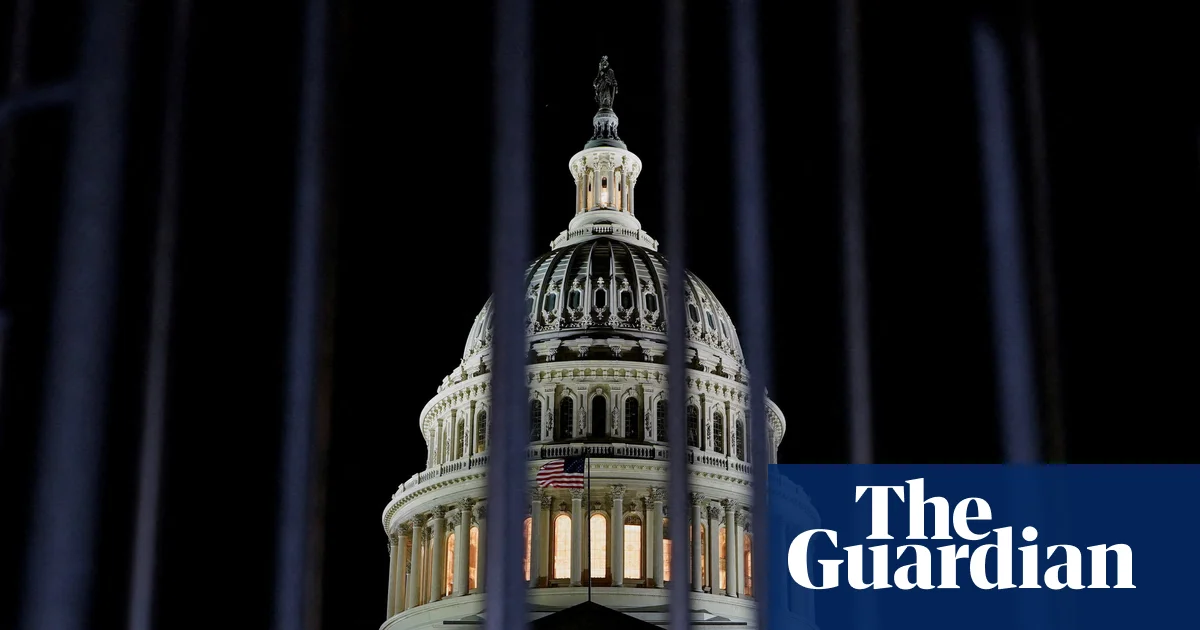
As the United States teeters on the brink of a prolonged partial government shutdown, the global community watches with cautious concern. The growing political impasse between Democratic and Republican leaders underscores the fragility of American domestic stability, which inherently influences regional and international geopolitical dynamics. With the next voting day looming, negotiations remain deadlocked over key issues, primarily healthcare funding and budget allocations—a struggle that has escalated into a nationwide crisis—highlighting the extent to which internal discord can destabilize the world’s largest economy and military superpower.

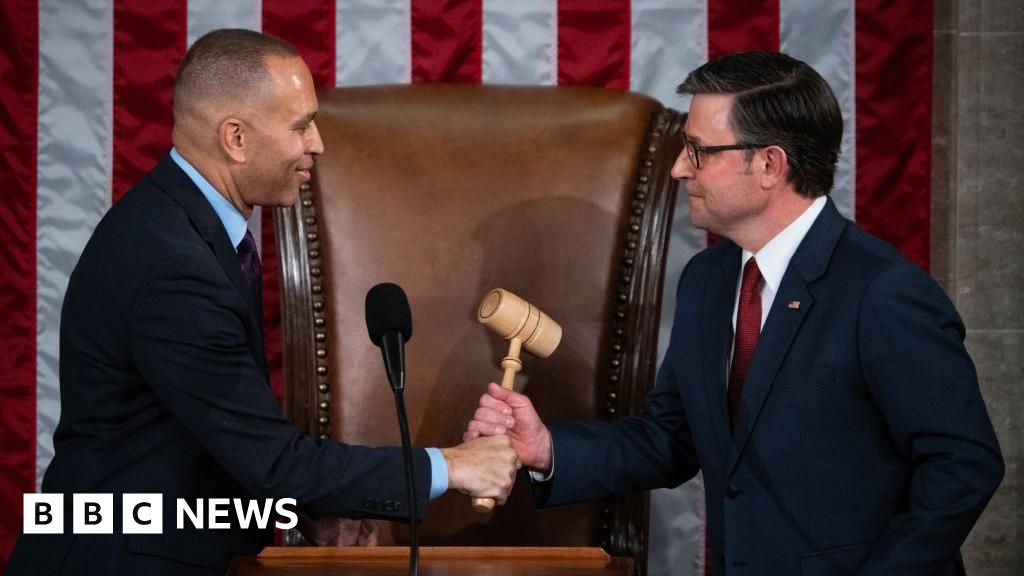
In the current standoff, House Speaker Mike Johnson and Democrat Hakeem Jeffries have publicly exchanged accusations, each blaming the other for the deadlock. The crux of the dispute revolves around the healthcare sector, with Democrats insisting on extending Affordable Care Act subsidies and reversing Medicaid cuts, viewing this as vital to protecting millions of Americans. Conversely, Republicans criticize the Democratic proposal, claiming that it includes excessive spending and addresses unfounded concerns, such as the perceived misuse of Medicaid by undocumented immigrants—an assertion vehemently denied by Democratic leaders. These partisan exchanges exemplify how internal American politics have become a battleground capable of disrupting global markets, especially as the Senate, wielding its slender majority, struggles to pass crucial funding bills requiring a supermajority of 60 votes.

The geopolitical impact of this domestic turmoil extends beyond America’s borders. The polling data from CBS reveals that 80% of Americans fear the economic repercussions of the shutdown, and international markets are closely monitoring the situation as a harbinger of potential volatility. Historian and global analyst commentary warns that sustained austerity measures or government closures could erode America’s credibility on the world stage, affecting everything from diplomatic negotiations to military commitments. Meanwhile, President Donald Trump’s threats of mass layoffs and service cuts, justified as measures to root out waste and fraud, risk precipitating a humanitarian and economic crisis, which could further erode America’s global image. As Johnson and other Republican leaders call for a return to negotiations, the world watches as the United States grapples with its internal demons, risking a slide into chaos that could redefine international alliances and economic relations for years to come.

In this unfolding scenario, the very fabric of American societal stability hangs in the balance, echoing the caution that history’s most tumultuous moments have imparted. If the shutdown persists, it could serve as a stark reminder that no nation—no matter how powerful—stands immune to internal strife or the fallout from political misjudgments. As the world looks on, the question remains: will this crisis forge a path toward renewed unity or deepen the fissures that threaten to unravel the American experiment itself? With each passing day, the weight of history becomes heavier, for the decisions made now will echo in the annals of the future—emphasizing that in the arena of geopolitics, internal discord is often the precursor to historic transformations, with consequences that stretch across continents and generations.

US government stalls as Senate blocks bipartisan bills—shutdown looms in 2025

The ongoing deadlock in Washington underscores the escalating crisis within America’s political arena, with the nation witnessing its first government shutdown since 2018. The failure to pass a bipartisan budget has thrust the United States into uncharted territory, revealing the profound schisms that threaten not only domestic stability but also the country’s standing on the global stage. The refusal of Senate Republicans to accept a Democratic-led funding bill, coupled with persistent opposition from the GOP-controlled House of Representatives, exposes a political impasse that analysts warn could have lasting geopolitical repercussions. In this volatile climate, the decision to halt government functions risks ripple effects beyond American borders, influencing international perceptions of U.S. stability and leadership.

At the core of this standoff lies a broader battle over domestic policy priorities—from healthcare to fiscal responsibility—meticulously dissected by thinkers such as history professor John Williams, who argue that these legislative struggles are emblematic of a deeper decline in bipartisan consensus. The Democratic Party insists on extending Affordable Care Act subsidies and reversing recent Medicaid cuts, projecting an image of defending the middle and vulnerable classes. Conversely, Republicans portray their opposition as safeguarding national interests from a supposed leftist overreach. Analysts warn that such inflexibility reinforces a cycle of American political dysfunction, which could embolden foreign adversaries and weaken U.S. influence. While some voices, like Senate Majority Leader John Thune, call for negotiation, the reality remains stark: the nation stands at a critical juncture where internal discord could erode the broader geopolitical order.

International observers, including officials from NATO and the United Nations, scrutinize America’s internal strife, recognizing that political stability in the world’s superpower directly impacts global security. The US may be distracted by its internal conflicts, but its adversaries, such as China and Russia, are watching closely, sensing opportunities to exploit perceived American weakness. The specter of a protracted shutdown threatens to undermine the global economic recovery, given the likelihood of delayed decisions on trade and security matters. “This chaos demonstrates how fragile American governance has become,” warns international political analyst Maria Chen. As millions of federal workers face layoffs, the international community is left to contemplate: how long can a nation grounded in democratic ideals sustain its capacity for leadership in such turbulent waters?

The weight of history looms large, as past shutdowns serve as cautionary tales illustrating the dangers of partisan brinkmanship. Figures like Ted Cruz dismiss the current crisis as a “temper tantrum” destined for capitulation, but experts warn that each iteration entrenches a cycle of political calamity. The unfolding drama’s ultimate toll—furloughed workers, strained social services, and damaged credibility—poses consequences that will outlive current administrations. As scholars monitor this unfolding saga, the narrative remains clear: the decisions made today are carving the geopolitical map of tomorrow. The world watches with bated breath, with the future of America and its role on the world stage hanging in the balance, as the pages of history continue to turn, rewriting the story of a nation struggling to find unity amidst division.

Social Media Auto Publish Powered By : XYZScripts.com