Matox News

Truth Over Trends, always!

Canadian PM Mark Carney: Former Prince Andrew Should Lose Royal Lineage Amid Scandal | Canada

Global Political Tensions Surface as British Royal Controversy Sparks International Debate

In a remarkable turn of events that transcends the borders of the United Kingdom, Canada and other Commonwealth nations are grappling with the significant ramifications of the recent scandal involving Andrew Mountbatten-Windsor. Prime Minister Mark Carney publicly called for his removal from the royal line of succession, citing “deplorable” actions amid allegations of misconduct, following his arrest on suspicion of misconduct in public office. This unprecedented move marks a potential dent not only in the royal family’s reputation but also in the delicate diplomatic and constitutional alliances that bind the Commonwealth.

Having stepped back from royal duties in October, Mountbatten-Windsor remains eighth in line to the throne amidst mounting evidence linking him to Jeffrey Epstein, the late financier widely condemned for child sex offenses. Despite denying any wrongdoing, the implications of these allegations threaten to destabilize the crown’s moral authority. Critics, including prominent international analysts, warn that such scandals fuel public disenchantment with monarchical institutions, which are already under pressure from societal calls for transparency, accountability, and reform. The controversy especially resonates within the Commonwealth, where governments like Australia and New Zealand have signaled support in removing Mountbatten-Windsor from succession, emphasizing the importance of moral integrity over tradition.

Geopolitical Ramifications and International Reactions

  • Following Canada‘s Prime Minister Carney’s remarks, representatives from Australia and New Zealand confirmed their backing for actions to strip Mountbatten-Windsor of his line, highlighting a broader shift towards accountability within the Commonwealth.
  • The law of the United Kingdom requires parliamentary approval for such a removal—an intricate process complicated by the constitutional ties and sovereignty considerations across 14 Commonwealth nations where King Charles III serves as head of state.
  • Such actions threaten to set a precedent that could redefine the relationship between these nations and the British Crown, emphasizing sovereignty and national identity over inherited monarchy.

International organizations, including the Commonwealth Secretariat, have issued cautious statements urging due process, yet the political debate underscores a vital question: How much of the traditional royal institution remains relevant or respectable in a modern, increasingly skeptical world? Historians and political analysts warn that the scandal acts as a catalyst, exposing deep fissures in the once-unassailable monarchy, which is now vulnerable to internal dissent and external criticism. Political leaders and civil society movements within Commonwealth countries see this crisis as an opportunity to push for republican reforms, reflecting a broader shift in global perceptions of monarchy and aristocratic privilege.

Implications of Decision-Making and a Legacy of Uncertain Future

The decision to disqualify Andrew Mountbatten-Windsor from the line of succession—once considered a mere constitutional formality—has now evolved into a flashpoint of sovereignty and national identity. The support from Commonwealth countries signals a collective assertion that morality and public trust should trump tradition, a seismic shift that could recalibrate the relationship between the Crown and its former colonies. As King Charles III navigates these turbulent waters, the lingering question persists: Will this scandal accelerate movements toward republicanism, or will the monarchy endure, cloaked in renewed scrutiny but still intact?

Stepping into history’s shadow, the unfolding drama reminds us that the weight of words and the power of choice in the corridors of politics may well shape the destiny of nations. As the world watches, one thing remains certain: the legacy of this crisis will be etched into the timeline of history, a testament to the fragile balance between tradition and reform, sovereignty and scandal, forever testing the bounds of royal resilience.

Private schools lose fight against VAT hikes, fueling debate on society's priorities
Private schools lose fight against VAT hikes, fueling debate on society’s priorities

Private Schools’ Challenge to VAT Removal Sparks Broader Social Debate

In recent developments, a coalition of low-fee private schools has actively contested the government’s decision to eliminate the VAT exemption previously granted to them. This move not only affects the financial sustainability of these institutions but also underscores the larger societal debates surrounding access to quality education and the widening economic divide within communities. As education remains a fundamental pillar of societal progress, the repercussions of policy decisions resonate beyond school walls, impacting families and shaping communities’ futures.

The removal of VAT exemption has ignited protests and legal challenges from private school advocates who argue that it threatens the affordability of education for many families. These schools, often providing an alternative to overstretched public education systems, serve a significant demographic that relies on manageable tuition fees. By imposing VAT, critics contend that the government risks exacerbating inequalities within society, especially for lower-income families who see private schooling as a crucial pathway for social mobility. Sociologist Dr. Laura Higgins emphasizes that such policies directly influence families’ access to education, ultimately affecting children’s prospects and social integration.

Historically, education has been viewed as a cornerstone of social cohesion, yet policy decisions like these *can threaten the fabric of community life if they favor those with more economic privilege*. From a social perspective, the challenge lies in balancing fiscal responsibility with ethical imperatives to foster equity and opportunity. The debate also raises questions about how societal values are reflected in policy. According to social critic Matthew Crowley, an increase in the cost of private education risks creating a divided society where the social mobility of lower-income families is compromised, with long-term ramifications for community stability and cohesion.

As the controversy unfolds, policymakers face the difficult task of considering the broader social consequences of their decisions. Advocates for inclusive education argue that public resources should be directed towards strengthening state institutions, yet they acknowledge that a diverse educational landscape can promote healthy competition and innovation. This dilemma touches on fundamental social issues—how societies value education, how they address inequality, and how they uphold the human dignity of all children. If the current trajectory continues, families may find themselves caught in a cycle of escalating costs and limited opportunities—undermining the very ideals of a fair and just society.

In reflecting on these social tensions, one is reminded of the words of societal reformer George Bernard Shaw, who once said, “Progress is impossible without change, and those who cannot change their minds cannot change anything.” As communities grapple with the challenge of ensuring equitable access to education, there is a vital hope that society can adapt—creating policies rooted in human rights, moral responsibility, and community solidarity. The path forward demands dialogue, compassion, and a relentless commitment to the transformative power of education—not just for individual success, but for the moral fabric of our society. Only then can society truly stand resilient against the forces that threaten to divide us, guiding future generations toward a shared destiny of opportunity and hope.

Starmer calls for Mandelson to lose peerage amid leadership concerns

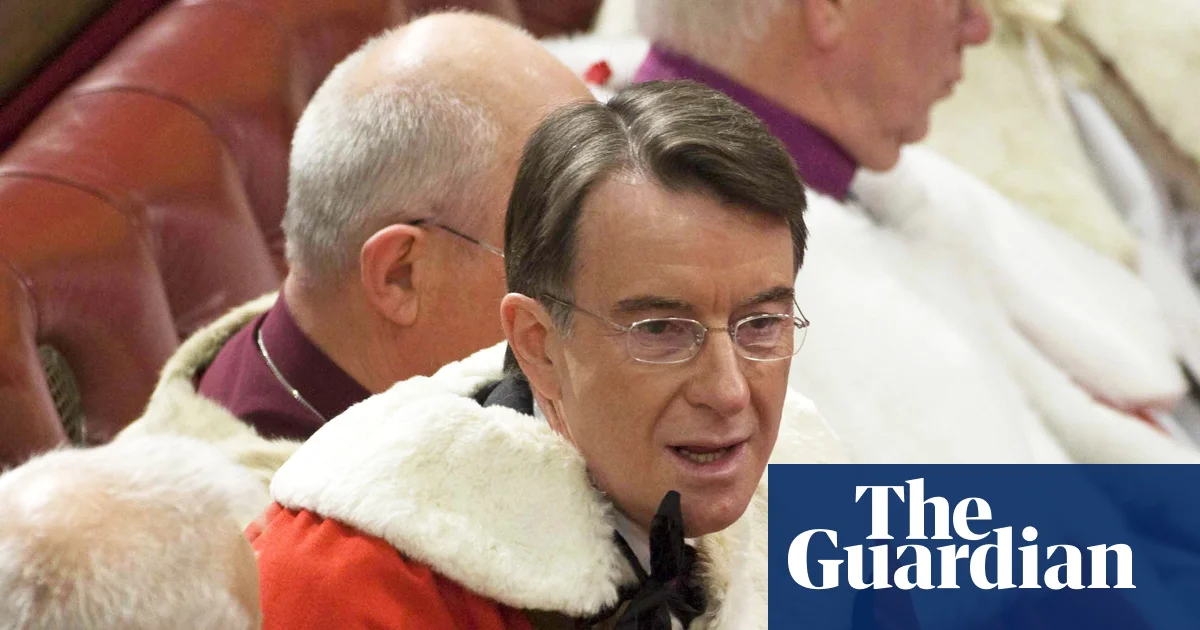
The United Kingdom finds itself at a critical juncture amidst recurrent revelations linking leading political figures to the sordid network of Jeffrey Epstein. The latest disclosures implicate Peter Mandelson, a once-powerful Labour figure, in a series of controversial contacts, raising profound questions about the integrity of UK political elites and their ties to global financiers entrenched in illicit activities. Prime Minister Keir Starmer has openly called for Mandelson’s resignation from the House of Lords and has pushed for reforms to purge the institution of peers who bring disrepute, signaling a possible shift toward accountability in the UK’s aristocratic chambers.

This scandal transcends national boundaries, echoing the uprising of international scrutiny over how elite networks manipulate policy for personal gain. The documents released by the US Department of Justice reveal Mandelson forwarding sensitive government information and attempting to influence policy on issues such as asset sales and bankers’ bonuses—an indication of how interconnected financial, political, and criminal spheres can be. Such revelations reaffirm concerns expressed by political analysts and historians who argue that decades of complacency within Western democracies have enabled the rise of an opaque, unaccountable ruling class. The scandal’s potential repercussions could accelerate calls to overhaul the UK’s parliamentary disciplinary system, drawing parallels with historical efforts during the First World War to rein in peerages deemed unfit for the modern era.

  • The demand for Mandelson’s resignation underscores the broader struggle to modernize outdated institutions that serve as gateways for elite privilege and influence.
  • International organizations, including the United Nations and Transparency International, have long voiced concerns over the global networks of influence that allow corruption and criminality to flourish beneath a veneer of legitimacy.
  • The potential for cross-border investigations, especially involving US authorities, underscores the geopolitics of accountability, with powerful nations asserting influence over how justice is rendered within others’ sovereign frameworks.

For Britain’s geopolitical reputation, this scandal exposes vulnerabilities in the shadows of its once-glorious institutions, prompting critical reflection on how deeply entrenched elite networks may have shaped policy and perpetuated corruption. The involvement of Epstein’s financial dealings, with payments to Mandelson and his associates, further emphasizes the dangerous confluence of global finance and clandestine influence, threatening to undermine public trust across societies. As analysts warn of the erosion of democratic norms, the unfolding saga could set a precedent, inspiring similar scrutiny in other Western democracies still grappling with opaque power structures. Moreover, the international fallout risks complicating diplomatic relations, especially as the UK navigates its post-Brexit path, balancing sovereignty with the unwelcome realities of globalized corruption networks.

As history continues to be written in the shadows of scandal, the weight of this moment reminds a shaken continent that the pursuit of power often walks hand in hand with moral compromise. The question remains: how deep does the rot go, and who will be brave enough to dismantle generations of privilege to forge a new path? The answer lies ahead, buried deep within the archives of secrets long guarded. As the UK grapples with its political legacy, the world watches—and waits—for the next chapter in a saga that may well define the course of history for decades to come.

Zelensky warns Ukraine could lose US backing over White House peace plan

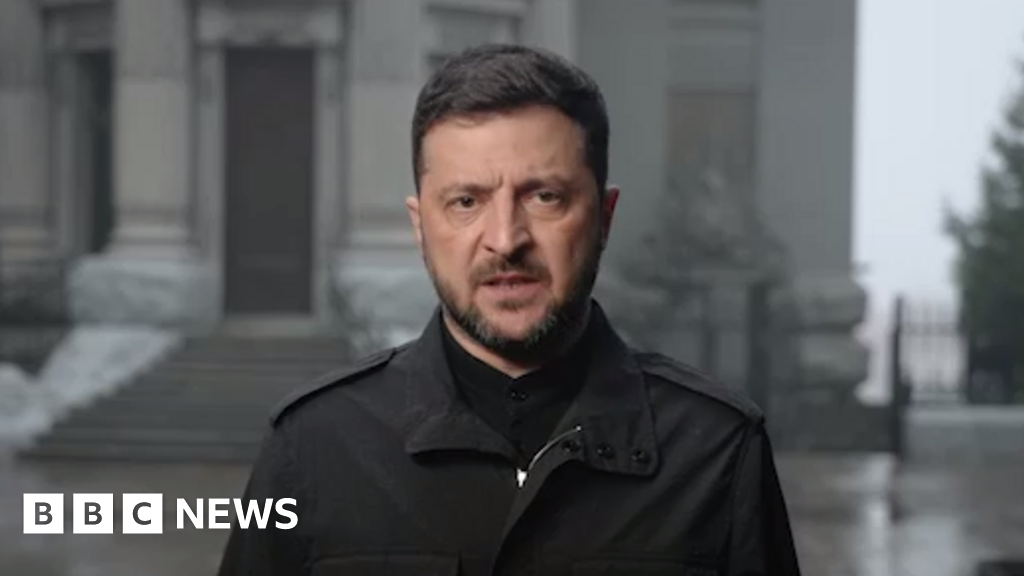
In a tense spectacle of international diplomacy and conflict escalation, Ukraine finds itself at a crossroads, entangled in a geopolitical turbulence that threatens to reshape the global order. Ukrainian President Volodymyr Zelensky has issued stark warnings, asserting that Kyiv risks the loss of critical US support over a controversial peace plan leaked from Washington. The plan—widely considered as heavily skewed toward Russian interests—calls for Ukraine to cede territories, significantly reduce its military, and forswear NATO membership. Zelensky, in a poignant address, underscored that Ukraine faces a “very difficult choice: either losing dignity, or risking the loss of a key partner,” revealing the internal crisis and mounting international pressure Kyiv must confront amidst ongoing conflict.

Meanwhile, Russia, under the leadership of Vladimir Putin, remains resolute in its aims despite mounting casualties and international criticism. President Putin, clad in military uniform, openly declared his commitment to the “unconditional achievement” of Russia’s strategic objectives—most notably, the full-scale continuation of the special military operation in Ukraine. Analysts and historians such as Dr. Elizabeth Moore from the International Institute of Strategic Studies have warned that Russia’s recent gains in southeastern Ukraine, though limited and slow, reflect a calculated effort to reshape the battlefield in Moscow’s favor. The Kremlin’s unwillingness to consider diplomatic concessions signals a dangerous gamble that could prolong the war and trigger unintended consequences for regional stability and global security.

Added to the complexity of this international chess game is the leaked US peace plan, a 28-point proposal that has ignited fierce debate. The draft suggests the withdrawal of Ukrainian troops from key eastern regions, de facto Russian control over territories, and a freeze on Ukraine’s southern borders—further solidifying Russia’s territorial gains. The plan also proposes a limit on Ukraine’s armed forces and hints at reintegration of Russia into the global economy, including potential lifting of sanctions and the reformation of the G7 into a G8, with Russia rejoining. Critics argue that such concessions could effectively capitulate Ukraine’s sovereignty, but Washington maintains it is a strategic move aimed at ending hostilities. The pivotal response from Kyiv, amidst strong nationalist sentiments, has been rejection and accusations of a plan designed “to continue the war,” stirring fears that negotiations are veering toward betrayal rather than peace.

Beyond the battlefield and diplomatic arena, the wider geopolitical impact resonates through alliances and international order itself. The G20 summit in South Africa becomes a critical stage where world leaders, including Prime Minister Sir Keir Starmer and others, are scheduled to deliberate on the peace proposal, with some issuing warnings that time is running out for a meaningful resolution. Meanwhile, US President Donald Trump has thrown a wrench into diplomatic efforts, warning that Ukraine could lose further territory in a “short amount of time,” and insisting that Kyiv must accept a deal by late November or face unacceptable loss. Such statements underline a broader struggle: whether the West will continue to stand firmly with Ukraine or accept a new geopolitical landscape profoundly altered by concessions and strategic re-alignments. History is watching, its pen ready to inscribe whether this moment marks a turning point toward renewed peace or the ignition of a protracted conflict that will echo through generations to come—a reminder that, in the theater of nations, the weight of decisions today shapes the world of tomorrow.

Seven migrants lose their lives in tragic sinking near Thai-Malaysia border

In a stark reminder of the ongoing humanitarian crisis in Southeast Asia, at least seven lives have been lost as a boat carrying undocumented migrants sank near the border between Thailand and Malaysia. The incident, which has sent shockwaves through regional and international corridors, underscores the perilous plight of the Rohingya minority—an ethnic group caught in a relentless cycle of persecution and displacement. Malaysian authorities report that 13 individuals have been rescued, but hundreds remain missing, with a boat carrying approximately 70 people believed to have gone down in the waters near Langkawi. This tragedy highlights the deadly human toll that unresolved conflicts, economic hardship, and international neglect continue to exact on vulnerable populations.

The Rohingya crisis is emblematic of a broader geopolitical divide that influences regional stability. Since the brutal crackdown by Myanmar’s military in August 2017, which forcibly displaced hundreds of thousands of Rohingyas into neighboring Bangladesh, the international community has been grappling with the question of sovereignty, human rights, and regional responsibility. Many Rohingyas, denied citizenship and facing systemic discrimination within Myanmar, view Malaysia—a Muslim-majority country—as a hoped-for refuge, yet their perilous maritime journeys reveal the limits of regional asylum policies. Analysts argue that this exodus underscores a failure of international diplomacy and the persistent failure of Myanmar’s government to address minority rights, creating a volatile environment that spills over into neighboring nations.

The dramatic rise in illegal maritime crossings exemplifies how civil conflicts and oppressive regimes have direct, destabilizing effects far beyond their borders. Since 2017, rights groups and international organizations, including the UN, have warned of the dangers of the trafficking networks that prey on desperate Rohingyas, often charging exorbitant fees—sometimes more than $3,000—per passage. As the boat sank and rescue efforts continue, the incident serves as a grim test of Southeast Asia’s ability to uphold maritime safety and human rights standards. Australian and European analysts have pointed out that this tragedy is a clear symptom of the region’s inability to effectively stem illegal migration, which, in turn, fosters instability, fuels refugee crises, and deepens socio-economic strains on border nations.

Global institutions have called for concerted action, urging Southeast Asian governments to enhance cooperation regarding refugee protection and maritime security. Yet, the geopolitical calculus often favors tough borders and strategic interests. Countries such as Malaysia and Thailand face internal and external pressures to manage migration, with some factions advocating stricter border controls to contain what they perceive as a threat to national sovereignty or social cohesion. Such sentiments risk undermining international efforts and leaving the most vulnerable populations to an unforgiving fate at sea. As historians and political analysts warn, the ongoing crisis could forge a new era of regional instability if neglected—history has shown that unsolved conflicts tend to erupt again, igniting broader geopolitical conflicts.

As rescue operations stretch into a second day and search areas expand, the *weight of history continues to press down*. Each life lost, each vessel sent to peril, becomes a somber reminder of unresolved conflict and the profound failures of international custodianship in this volatile region. The Rohingya crisis is no longer a distant humanitarian concern; it is a crucible in which the fate of human rights, sovereignty, and regional security are being tested. The coming days will reveal whether Southeast Asia can break the cycle of tragedy or whether history will continue its dark course, leaving countless lives adrift and the world with an unresolved moral crisis that demands urgent and sustained action.

Social Media Auto Publish Powered By : XYZScripts.com