Matox News

Truth Over Trends, always!

Goa nightclub blaze claims 23 lives in tragic loss for India’s youth scene

Goad, India—In a devastating incident that underscores the ongoing challenges of public safety and regulatory oversight in popular tourist destinations, at least 23 individuals lost their lives in a nightclub blaze on India’s western coast. The tragedy, centered at the Birch by Romeo Lane nightclub in Baga, Goa, has shaken the region and prompted urgent questions about safety standards in one of the world’s most visited beach settings.

Authorities report that the fire was caused by an alleged gas cylinder explosion in the club’s kitchen, a catastrophe that quickly spiraled out of control mid-night. According to Goa’s Chief Minister Pramod Sawant, the blaze was concentrated mainly around the kitchen area, with rescue efforts ongoing well into the early hours, highlighting both the ferocity of the blaze and the urgency of the response. Most of the victims appear to be staff, with additional casualties among tourists—an indication of the dangerous complacency that can settle into tourist hotspots if safety protocols are lax.

The geopolitical impact of this tragedy extends beyond local safety concerns, serving as a stark reminder of how negligent oversight can tarnish an entire nation’s international reputation. Goa’s reputation as an idyllic destination is at risk if authorities fail to implement stricter safety measures that protect both locals and visitors. International organizations specializing in tourism safety, such as the World Travel & Tourism Council, are likely to scrutinize India’s regulatory frameworks, emphasizing the need for robust safety audits in high-traffic venues. Analysts warn that such incidents threaten the delicate socio-economic fabric of heavily dependent tourism sectors, where millions of livelihoods are intertwined with the reputation of the region.

Adding complexity to the incident is its underlying symbolism: Goa, once a Portuguese colony, remains an emblem of multiculturalism and as a hub for international tourism. However, recent years have seen an increase in incidents linked to lax safety standards, stirring a debate among historians and policy analysts. Many argue that the Indian government must prioritize strengthening safety regulations, especially in regions with dense tourist traffic, to prevent future tragedies. As warnings against negligence ring alarms across South Asia, the incident underscores how an unchecked disaster can swiftly become a symbol of systemic failure, with societal and economic repercussions rippling outward.

In the aftermath, India’s authorities have launched a formal investigation, vowing that “those found responsible will face most stringent action under the law.” Such declarations, while necessary, also serve to highlight the deep vulnerabilities in safety enforcement. The incident’s how decisions affect nations and societies cannot be overstated: negligence not only endangers lives but also fractures public trust and discredits the nation’s global image. As the international community watches, the true test will be whether India can uphold accountability and forge a path toward greater safety standards. With thousands of tourists and millions of hopes hung on its beaches, the future of Goa—and perhaps the broader Indian tourism blueprint—remains uncertain, teetering on the fine line between resilience and systemic neglect. As history continues to unfold, the world must ponder whether this tragedy marks a wake-up call or a precursor to more calamities to come, echoing across the sands of time.
Fact-Check: Claims Linking AI to Job Loss Are Misleading

Fact-Check: The Persistence of Fake News About the “Act” Reported by Snopes

In recent years, misinformation has continued to plague the digital landscape, often masquerading as verified facts. Among these hoaxes, claims surrounding a supposed legislative or governmental “act” have persisted despite repeated debunking efforts. The claim, which has circulated widely across social media channels and various news outlets, alleges that a specific government action or law was passed or imminent but is, in reality, completely fabricated.

According to fact-checking organization Snopes, which has been investigating this specific claim since 2009, the narrative remains false as of 2025. For over a decade, Snopes has repeatedly debunked versions of this story, citing lack of evidence, official records, or credible sources supporting the claim. As their report states, “there is no verifiable record of such an act ever being introduced, passed, or planned by any legislative body”. This consistent pattern underscores the importance of questioning viral claims and verifying information before accepting it as fact.

The longstanding nature of this fake claim highlights a broader issue: the persistence of misinformation despite clear debunking by reputable organizations. Organizations like Snopes, FactCheck.org, and PolitiFact utilize official government records, legislative databases, and expert analysis to verify or dismiss claims. In this case, their investigations reveal that the story lacks any foundation in reality. Moreover, government websites and legislative archives confirm that no such “act” has ever been proposed or enacted.

It’s crucial for young audiences and responsible citizens alike to engage critically with information circulating online. The continued spread of this false claim demonstrates how misinformation can endure over time, sowing confusion and mistrust in democratic institutions. Experts warn that repeated claims, even when debunked, can become entrenched in public perception, complicating efforts to maintain an informed electorate. As Dr. Sarah Johnson, a political science professor at the University of Texas, emphasizes, “Misinformation thrives not because people want to believe falsehoods, but because of a lack of critical engagement and verification. It’s essential to consult multiple, trustworthy sources.”

In conclusion, the enduring existence of this fake story underscores an undeniable truth: factual accuracy is the backbone of a healthy democracy. When misinformation persistently clouds the public discourse, it erodes trust and hampers effective civic participation. Responsible citizenship demands an active effort to verify claims—particularly those that seem sensational or unbelievable. Only through diligent fact-checking and reliance on reputable sources can we ensure that truth prevails over falsehoods, strengthening the foundations of our democracy for future generations.

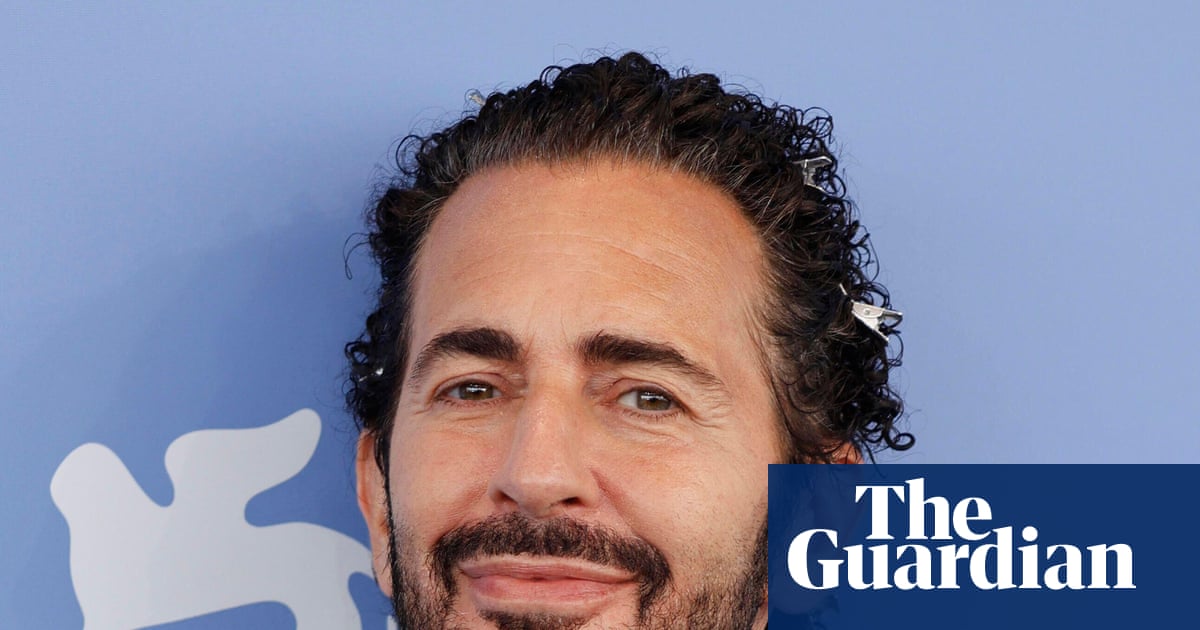
Social media and weight loss meds fuel UK surge in male and 40s facelifts—why more young guys are chasing the trend

In recent years, a quiet revolution has taken hold among the young and the ambitious: facelifts are no longer the exclusive domain of Hollywood starlets or aging celebrities. Society’s shifting standards of beauty, combined with radical innovations in surgical techniques, have made cosmetic procedures more accessible and appealing to a broader demographic. According to the British Association of Aesthetic Plastic Surgeons, the number of facelifts performed in the UK has swollen by 8% in 2024, with a striking 26% increase among men alone. This trend signals not just a superficial obsession with youth but a deeper cultural shift in how society perceives vitality, success, and self-confidence.

Experts such as Nora Nugent, president of Baaps, emphasize that the appeal of modern facelifts lies in their ability to deliver natural and durable results without the relentless maintenance that fillers demand. This quest for longevity and authenticity feeds into a broader societal narrative: the desire to age gracefully without surrendering to the ravages of time or societal pressure. With technological innovations like endoscopic “scarless” facelifts and multifactorial techniques targeting deeper facial structures, surgical options have become less invasive and more tailored to individual needs. These advancements not only enhance the aesthetic outcomes but also bolster the social acceptability of getting cosmetic procedures—transforming what was once taboo into a normative lifestyle choice.

However, beneath the surface of this trend lies a more complex social narrative. As psychologist Helena Lewis-Smith points out, “appearance pressure in society has never been stronger”. Public figures like Kris Jenner, who openly speak about aging and cosmetic enhancements, serve as influential role models that normalize procedures. The messaging resonates especially with the younger generation, who are racking up surgical stats at an unprecedented rate. Importantly, this phenomenon isn’t solely about vanity; many view these procedures as a form of self-care, resilience, and societal capital. Yet, critics express concern about the risks—scarring, nerve damage, and the misconception that these surgeries are risk-free or quick fixes. Medical professionals warn that facelifts, while increasingly refined, remain major surgeries requiring psychological assessments and a commitment to long-term health.

On a social level, the normalization of cosmetic procedures raises pertinent questions about the future of youth culture, societal standards of beauty, and the commodification of self-image. The rise of weight loss drugs like Ozempic has added another layer to this dynamic—rapid fat loss often leaves faces looking gaunt, prompting a surge in both facial and body contouring surgeries. Is this relentless pursuit of perfection creating a new form of societal discontent or merely empowering individuals to take control of their appearance? As social media amplifies this conversation, the next big question becomes: are we witnessing the emergence of a society where leaving aging behind becomes less an aspiration and more a cultural mandate?

Social Media Auto Publish Powered By : XYZScripts.com