Matox News

Truth Over Trends, always!

Obama Campaigns for Democrats, Highlighting the Lost Edge for the Party

International Tensions Escalate as United States and Global Forces Redefine Power

In an era marked by unprecedented political upheaval, the return of Donald Trump to the Oval Office in 2024 has set off a chain reaction that reverberates across continents. With America once again under the stewardship of a leader whose policies and rhetoric are sharply divided from traditional diplomatic norms, the global order finds itself at a critical crossroads. As analytical voices from Khan Institute and International Security Council warn of the deepening divide, the implications for trade, security, and international alliances come into sharper focus. The dominant narrative from Washington underscores an assertive pursuit of national interests, often at the expense of multilateral agreements designed to promote stability and cooperation. This shift, fraught with potential for conflict and realignment, underscores a new era where sovereignty and strategic interests are prioritized over collective global governance.

Meanwhile, the Russian and Chinese governments have capitalized on this turbulence, intensifying their efforts to expand influence in Asia, Africa, and Latin America. Recently, Beijing’s initiative to strengthen the BRICS economic bloc and Moscow’s assertive military exercises in Eastern Europe underscore a strategic pivot aimed directly at the United States. Military analysts warn that this could signal a new form of Cold War II, with alliances fraying and old conflicts resurfacing under new banners. The geopolitical impact here is profound: regional conflicts risk escalation, and global institutions—once the custodians of peace—are increasingly sidelined in favor of bilateral and multilateral power plays. The United Nations faces mounting questions about its relevance in an era where national interests are no longer mediated through consensus but through consequence.

Meanwhile, Europe gauges the sweeping change in U.S. policy. The continent’s leaders grapple with the fallout from America’s retrenchment from global commitments—particularly in climate change agreements and security pacts. Germany, France, and the UK now find themselves caught between the new isolationist stance of America and the assertiveness of Russia and China. The Nord Stream pipeline crisis, along with trade tariffs and disinformation campaigns, reveal a Europe at a crossroads: to forge a united front or to accept increased vulnerability in the face of rising autocratic powers. Historically, analysts note that moments of division often lead to conflicts that reshape borders and alliances, and the current environment could yet produce one of the most tumultuous decades in recent history.

The Middle East remains a hotbed of shifting allegiances, as regional powers reassess their strategies amid changing American priorities. The recent U.S. troop withdrawals from parts of Syria and Iraq have emboldened regional actors like Iran and Turkey, complicating the quest for peace. Nations like Israel brace themselves for unpredictable shifts in U.S. policy, risking either enhanced security cooperation or volatility. Historians remind us that power vacuums foster instability, and the current uncertainty threatens future peace efforts. As this global chessboard evolves, the decisions made today are shaping tomorrow’s history—a story yet to be fully written, where nationalistic fervor and geopolitical strategy collide, leaving societies to grapple with the uncertain fallout. The weight of history now bears heavily on shoulders worldwide, hinting that this period of upheaval may define the trajectory of nations for generations to come.

Six Lives Lost as Russian Drone and Missile Attacks Hit Ukrainian Cities

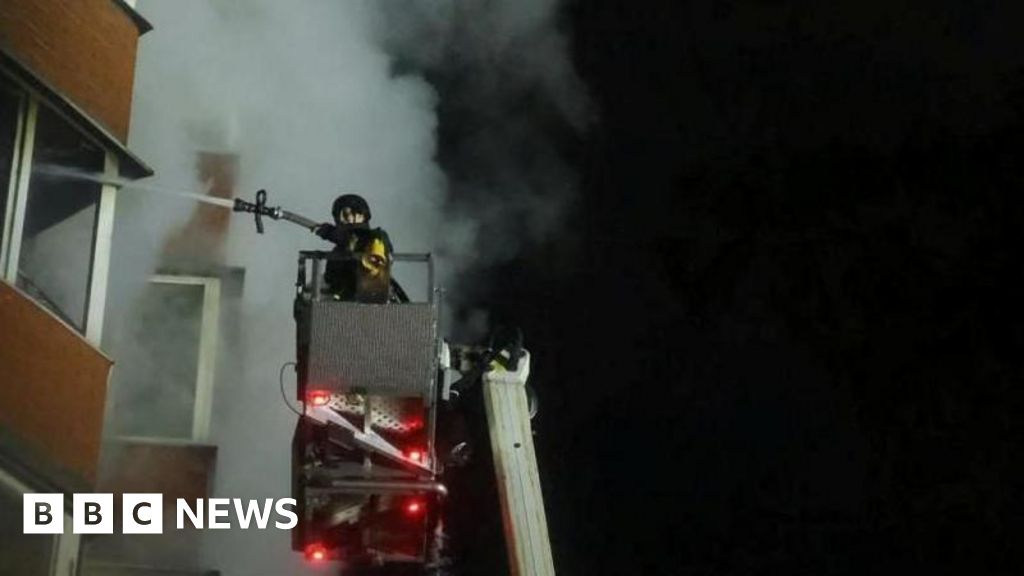
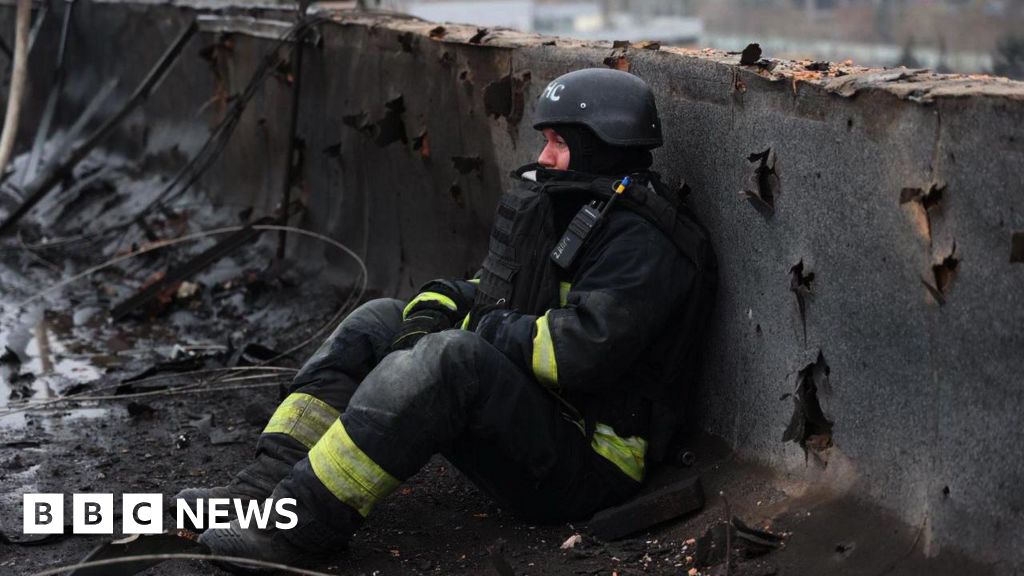
The ongoing conflict in Ukraine has entered a perilous new chapter, with recent Russian drone and missile strikes tragically claiming lives and unleashing chaos across the Ukrainian landscape. Ukrainian President Volodymyr Zelensky confirmed that at least six civilians had been killed, including two children, underscoring the brutal toll that escalation in hostilities continues to exact on innocent lives. The strikes, which targeted major cities including the capital Kyiv, also wounded 21 individuals and caused widespread destruction. The relentless barrage of attacks, including the targeting of energy infrastructure, signals a strategic effort by Moscow to destabilize Ukraine’s resilience and morale amid a deteriorating battlefield.

In the broader geopolitical context, the international community observes these events with mounting concern. The United States recent decision to abruptly shelve a planned summit with Vladimir Putin in Budapest exemplifies waning diplomatic engagement, with President Donald Trump citing a desire to avoid “a wasted meeting.” This diplomatic withdrawal highlights a significant shift in Western strategies—favoring pressure and military aid over dialogue, even as Russia dismisses calls from both Trump and European leaders to enact a ceasefire. Such decisions are poised to ripple through global alliances, complicating efforts for a unified response to Moscow’s military campaign.

Meanwhile, Ukraine’s military has intensified its defensive operations, notably targeting key Russian military infrastructure. The recent Ukrainian attack on a chemical plant in Russia’s Bryansk border region, facilitated by UK-supplied Storm Shadow missiles, represents a turning point in Ukraine’s tactical approach. Ukrainian officials describe the strike as successful, successfully penetrating Russian air defenses and compromising a site that produces components crucial for Moscow’s missile and artillery operations. Zelensky reaffirmed his strategic stance, emphasizing that the lack of long-range missile aid from the West has diminished Russia’s diplomatic interest. The Ukrainian leader’s insistence on military support underscores a broader debate about Western commitments and Ukraine’s right to self-defense amidst a conflict marked by relentless escalation.

As Kyiv reels from recent targeted assaults, including the tragic loss of civilians—a six-month-old baby among the victims—the conflict’s toll resonates beyond Ukraine’s borders. The wider geopolitical impact of these developments is profound. Analysts and historians warn that the current trajectory risks a prolonged, perhaps irreversible, destabilization of the European security order. The migration of destruction into civilian domains not only endangers sovereignty but also detonates societal cohesion, prompting fears of a ripple effect that could destabilize neighboring nations and global markets. What the future holds remains uncertain, but one thing is clear—the weight of history is now pressing down, with decisions made today echoing through the corridors of power and the stories of future generations.

Uganda tragedy: Over 60 lives lost in devastating road crash

In a devastating incident that has sent shockwaves across Uganda, a catastrophic highway crash resulted in the deaths of 63 people, highlighting ongoing issues with road safety and the broader socio-economic challenges faced by the East African nation. The tragedy unfolded at approximately 00:15 local time on the Kampala-Gulu Highway, a critical artery connecting the capital with northern regions. Police reports indicate that two buses traveling in opposite directions collided head-on during an attempted overtaking maneuver—an act often driven by economic necessity and the pressures of rapid mobility in developing nations.

This incident underscores a deeper, systemic problem—the dangerous practice of overtaking on busy highways, which authorities have consistently linked to cause and consequence of fatalities. The police statement emphasizes that such reckless actions “remain one of the leading causes of crashes in the country,” revealing a societal issue intertwined with economic hardship and infrastructural deficiencies. Many analysts suggest that Uganda’s transportation infrastructure has not kept pace with population growth and urban expansion, forcing drivers into risky behaviors at the expense of safety. This tragedy echoes similar patterns seen in other developing nations, where quick economic growth often comes with a toll—an increasing number of preventable deaths and injuries that threaten to destabilize local communities and undermine development efforts.

From an international perspective, this incident is emblematic of broader regional challenges. East Africa, with countries like Kenya and Tanzania, faces infrastructural gaps that constrain economic progress and regional integration. It also raises questions about the effectiveness of governance and regulation, as governments grapple with balancing development and safety. Notable analysts, including those at the United Nations Economic Commission for Africa, warn that without targeted investments and stricter enforcement of safety protocols, such tragedies will persist, further entrenching social inequalities and hindering sustainable growth. Meanwhile, local governments are under mounting pressure to improve transport safety standards and public awareness, efforts that are often hampered by limited resources and corruption.

Historically, such events serve as poignant reminders of how decisions made today shape the future fabric of societies. The Ugandan crash is a stark symbol of the costs borne by nations in a period of rapid transition—costs that are amplified by geopolitical shifts and economic ambitions. As Uganda and other African nations seek to position themselves within the global economy, the need for resilient infrastructure and stronger institutions becomes crucial. The implications extend beyond transportation, touching on issues of governance, social justice, and national security, which are all interwoven in the quest for stability and prosperity. With international organizations calling for more comprehensive approaches, the question remains: how long can societies continue sacrificing safety in the rush towards modernization?

As history unfolds, the tragic echoes of this traffic collision leave a haunting message: the path forward is fraught with peril, and the choices made today will determine the legacy left for future generations. Will Uganda and similar nations heed the warning and prioritize safety and governance, or will they risk more preventable crises that threaten to unravel their social fabric? The weight of history presses down, reminding us that each decision—on roads, in policy, and in leadership—takes us one step closer to either progress or profound disaster. The story of Uganda’s roads is still being written, and its chapters could define the future of an entire region.”

Hidden shipwrecks still lost at sea—plus the few that finally surfaced

In a world increasingly obsessed with personal well-being and lifestyle enhancement, the pursuit of adventure remains a timeless catalyst for growth. Far beyond the typical gym session or meditation retreat, the depths of the ocean harbor stories—treasures, mysteries, and lessons—that inspire a modern, youth-centric quest for meaning. From the icy waters near Antarctica to historic shipwrecks scattered across the globe, each sunken vessel embodies resilience and discovery, fueling not just adventure tourism but also a renewed appreciation for personal impact—health, leisure, and inspiration wrapped into one daring expedition.

One of the most recent and captivating chapters in maritime history unfolded in March 2022, when the remarkably preserved wreck of Ernest Shackleton’s HMS Endurance was found nearly two miles beneath the Antarctic seas. This discovery isn’t just about relics of exploration; it’s a reminder that embracing the unknown can propel individuals into a deeper understanding of themselves and the world. For young explorers, these tales evoke a sense of limitless possibility—a vital sentiment in a culture that champions adventure-driven wellness and physical resilience. As the endures of such expeditions demonstrate, pushing the boundaries of exploration directly correlates with a sense of personal empowerment and life enrichment.

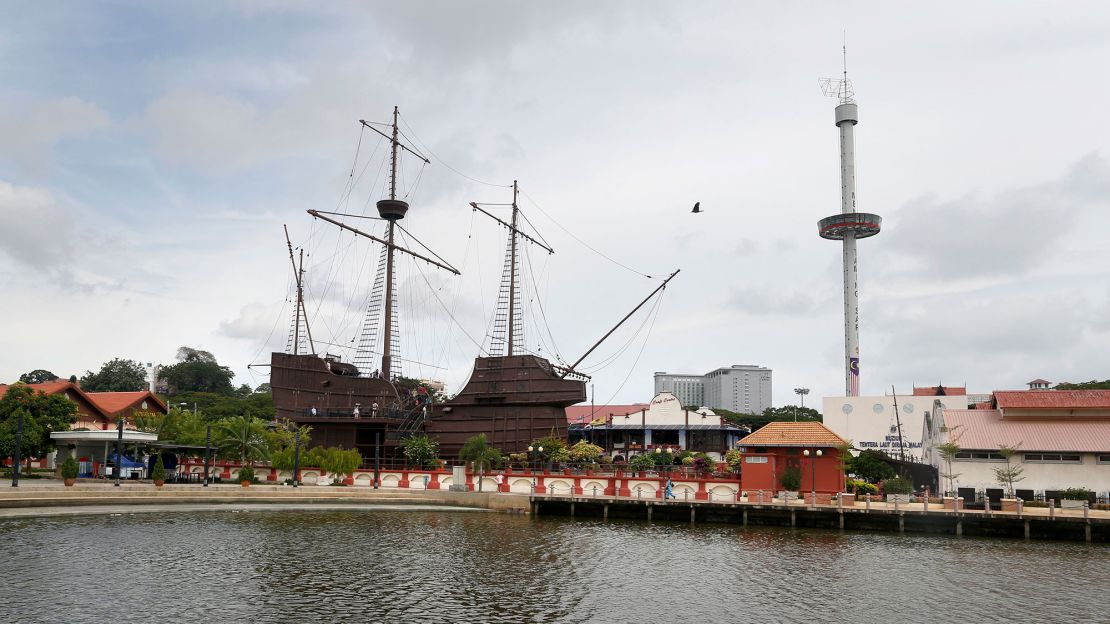
Travelers seeking authentic experiences are increasingly drawn to extraordinary sites where history whispers from sunken ships like the Vasa in Stockholm or the mysterious Chuuk Lagoon. The Vasa, a 17th-century Swedish warship recovered after sinking on its maiden voyage, now stands as an inspiring symbol of historical resilience. Meanwhile, the haunting coral-covered remains in Chuuk Lagoon—left behind after Operation Hailstone during WWII—offer divers a chance to connect deeply with history and cultivate mental wellness. These experiences don’t just add stories to one’s travel portfolio; they foster a narrative of curiosity and resilience that encourages youth to pursue adventures that challenge and transform.

  • Travel tip: Devote time to uncover hidden histories—whether through snorkeling, diving, or museum visits—allowing yourself to be immersed in stories of perseverance and discovery.
  • Lifestyle hack: Integrate exploration into your routine—be it weekend hikes, local archaeological sites, or historical tours—to nurture resilience and curiosity.
  • Main takeaway: Rediscover the thrill of personal impact through active engagement with history and adventure, forging a lifestyle rooted in curiosity, health, and inspiration.

Ultimately, these deep-sea stories remind the modern youth that life itself is an adventure worth embracing. As explorers like Clive Cussler echoed in their pursuits, the elusiveness of sunken ships fuels a quest that mirrors life’s own unpredictable voyage—full of surprises, setbacks, and triumphs. Just as recovered artifacts from the Uluburun ship reveal treasures of the Bronze Age, our journeys—whether literal or metaphorical—are about uncovering what lies beneath the surface. By daring to venture into the unknown, young minds and bodies can **transform challenges into opportunities**, forging a path that synthesizes wellness, discovery, and purpose. So, set sail with the conviction to seek not just new destinations, but new perspectives that will shape your story—one of resilience, adventure, and profound personal impact.

Social Media Auto Publish Powered By : XYZScripts.com