Matox News

Truth Over Trends, always!

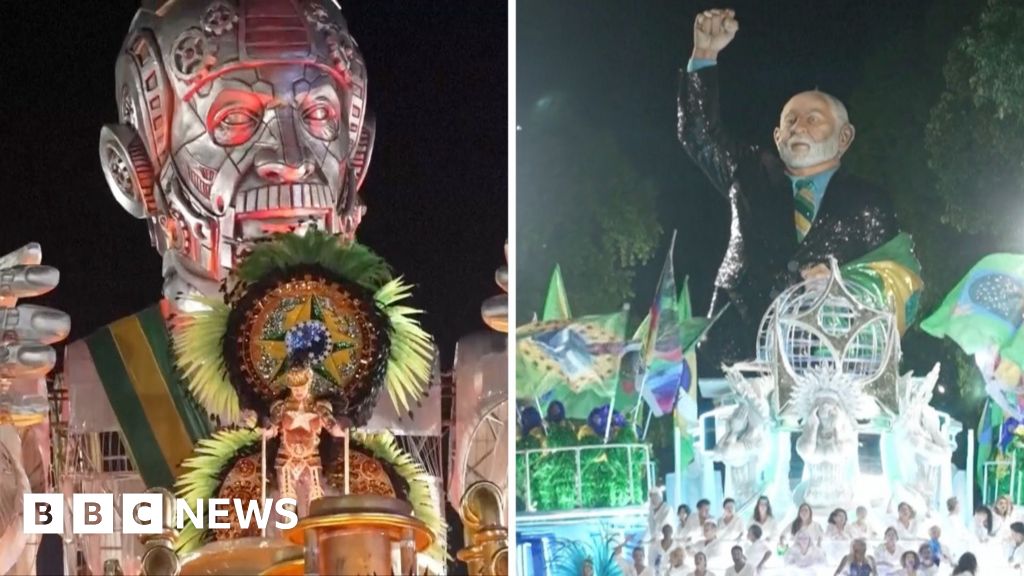
Massive robot tribute to Lula fails to impress at Carnival showdown

In an extraordinary display of cultural expression intertwined with raw politics, Brazil’s vibrant Rio de Janeiro Carnival once again served as a stage where history and modern conflicts collide. The opening parade, known for its colorful spectacle and cultural showcases, featured a tribute to President Luiz Inácio Lula da Silva that has stirred intense debate both domestically and internationally. The samba school Acadêmicos de Niterói presented a visual narrative tracing Lula’s rise from impoverished childhood in the Brazilian northeast to his influential decades as a metalworker, union leader, and ultimately, leader of the nation. Yet, despite its cultural significance, this tribute was notably awarded last place in the competition, signaling underlying tensions within Brazil’s political climate as the October presidential election looms large.

Observers highlight that the timing of the tribute has drawn criticism from opposition factions who argue it could be an early electioneering tactic. Critics contend that publicly honoring Lula during such a politically charged season blurs the lines between cultural expression and campaign manipulation, potentially violating campaign rules designed to ensure electoral fairness. As Brazil’s opposition groups gear up for a highly contested ballot, the controversy underscores the fragile state of democracy in a nation deeply divided along ideological and economic lines. Some international analysts warn of the broader geopolitical impact—Brazil’s internal politics are increasingly seen as a bellwether for regional stability in Latin America, with Lula’s presidency being scrutinized for its potential to shift alliances and regional diplomatic strategies.

Meanwhile, another samba school, Unidos do Viradouro, claimed victory in the carnival’s competition with a tribute to their legendary drum director, further exemplifying how cultural events in Brazil now serve as proxies for larger societal debates. The symbolism embedded within these performances is not lost on international political observers, who note that carnival — far from just entertainment — has become a mirror reflecting the nation’s internal struggles. Scholars from prominent think tanks and the United Nations have analyzed how such displays influence public perceptions of leadership, governance, and national identity.

As the world watches Brazil’s vibrant streets and the unfolding political saga beneath its dazzling costumes, the stakes extend beyond entertainment. The decision to honor Lula publicly amid mounting allegations of electoral interference signifies a potential turning point in Brazil’s democratic journey, one that could resonate across the continent. As history continues to unfold in samba beats and political rhetoric, the outcome of Brazil’s October elections may yet redefine the country’s trajectory—its path a narrative written by both the voices inside its borders and those observing from afar. In the shadows of Rio’s carnival festivities, the weight of history quietly awaits its next act, reminding the world that at the heart of this spectacle lies a nation at a crossroads—one where every decision reverberates with the potential to alter the course of history itself.
Lula Urges Summit to End Reliance on Fossil Fuels—A Wake-Up Call for the Future

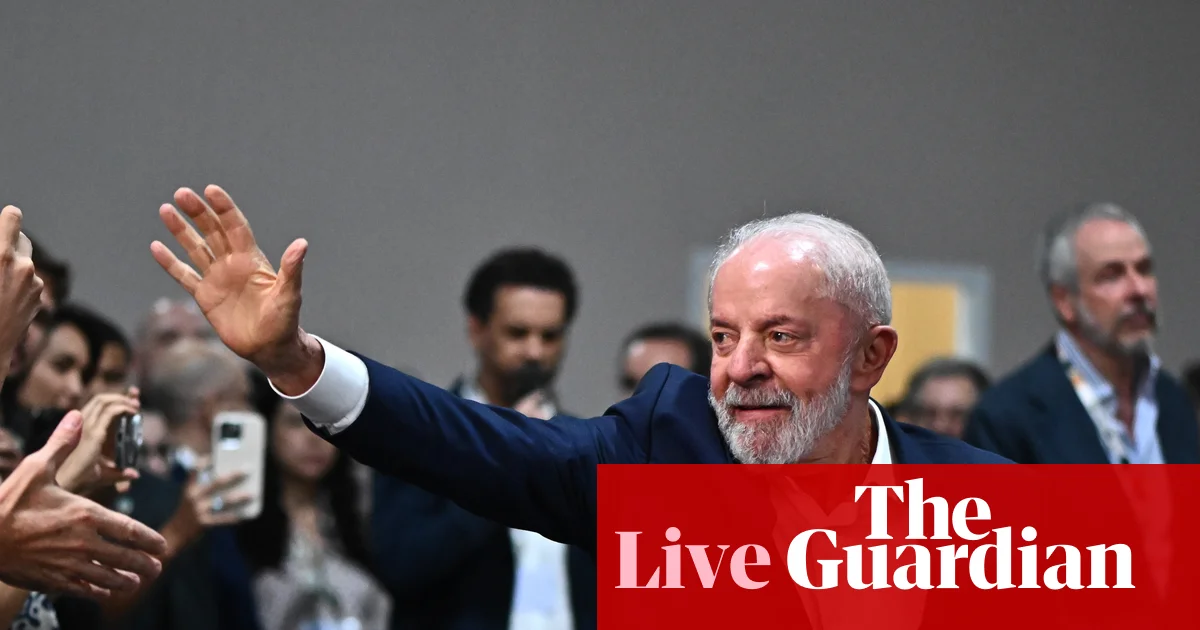
As the UN Climate Summit (COP30) reaches its climax in Belém, Brazil, the international community faces a pivotal moment that could determine the future trajectory of global climate policy. The summit, an arena where nations negotiate the delicate balance between environmental responsibility and sovereignty, is marked by intense debate and unresolved tensions over crucial issues such as climate finance, fossil fuel reduction, and trade measures. Despite claims from Brazilian President Luiz Inácio Lula da Silva that consensus will prevail, many analysts warn that the summit’s outcome may not deliver the decisive agreements needed to stave off the worst of climate catastrophe.

According to seasoned climate diplomats and expert commentators, this summit is more complex than previous years, featuring multiple negotiation tracks articulated in arcane acronyms and confidential drafts that leave many observers bewildered. Historically, late stages of COP negotiations tend to coalesce around key issues, but this year, the absence of clear resolutions on emissions reductions and financial commitments underscores the deep fissures among nations. The staging of high-level ministerial meetings, aimed at forging consensus, has not yet succeeded in producing the much-anticipated finalized text. The delay underscores the challenges of balancing global ambitions with political and economic realities.

President Lula’s comments earlier in the summit hint at a more flexible approach, emphasizing “building the way to live without fossil fuels” without imposing strict timelines on nations for their reduction efforts. His assertion that negotiations are rooted in respecting sovereignty and fostering consensus echoes the broader narrative of naively optimistic diplomacy. However, critics cite persistent disagreements over climate finance, especially concerning aid to vulnerable Pacific island nations and lesser-developed countries, which remain highly contentious. The core question remains: can the world’s political leadership overcome these divisions and agree on a clear roadmap to phase out fossil fuels? Many believe that without tangible commitments, the summit risks ending in mere rhetoric, leaving the pressing crisis unaddressed.

The ***geopolitical impact*** of the summit’s missed deadlines extends far beyond the conference halls in Brazil. As climate negotiations become a battleground for influence, nations like China, the United States, and European countries are under relentless scrutiny. Intergovernmental organizations, including the IPCC, continue to warn that the window of opportunity to limit global warming to manageable levels is closing rapidly. Broad concerns also persist about unilateral trade measures and financial obligations, which threaten to undermine collective efforts. The unfolding drama in Belém could set the precedent for future international cooperation or, conversely, fuel a fractured geopolitical landscape where climate action becomes a battleground for national interests rather than a collective effort to save the planet.

As the summit lurches toward its eventual conclusion, with many late-night negotiations on the horizon, the international community is left to ponder whether this gathering will mark a turning point or fade into the annals of missed opportunities. With the world watching and the weight of history bearing down, the words and decisions made in these final days will echo through generations to come. The looming question remains: **will humanity unite in time to forge a resilient, sustainable future, or are we witnesses to the last chapter of collective climate responsibility**? The unfolding narrative of COP30 continues to write itself—one of hope tested by discord, and of a planet’s fragile future hanging in the balance.

Trump and Lula Have Friendly Call Amid Growing Ties

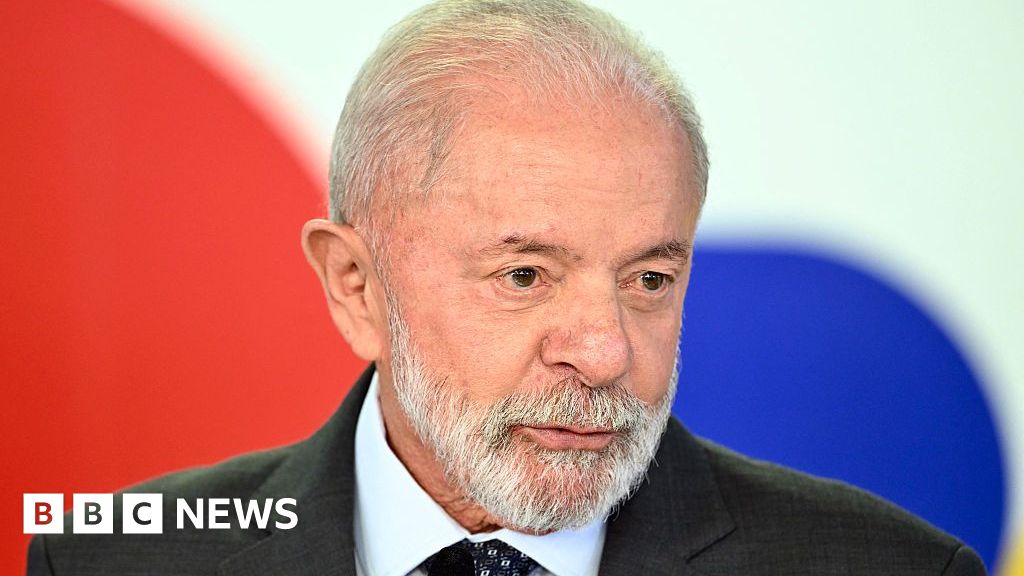
The United States and Brazil have taken a tentative step toward restoring their diplomatic ties, signaling a shift in the geopolitical landscape of the Western Hemisphere. After months of diplomatic frost stemming from Trump-era tariffs on Brazilian goods, the recent phone call between President Donald Trump and Brazilian President Luiz Inácio Lula da Silva is a clear indication of renewed dialogue. Both leaders described the interaction as friendly and productive, with an emphasis on easing trade tensions that have threatened to undermine economic stability between the two nations. The focus was on reducing a contentious 50% tariff on imports—an action that could reshape regional economic alliances and influence global markets.

The tariffs introduced by the Trump administration in the summer were a response to the Brazilian court proceedings against Jair Bolsonaro, Lula’s predecessor, which strained relations during a period of heightened ideological tensions. However, the recent conversation, lasting approximately thirty minutes, hinted at a desire on both sides to restore cooperation. Lula has requested the reduction of tariffs back to 10%, along with the removal of sanctions on several Brazilian officials—an offer that suggests Brazil is eager to re-engage with U.S. economic strategies. The call also carried diplomatic undertones, as Lula and Trump exchanged contact details, signaling a move toward sustained direct communication. Analysts view this as part of a broader effort to stabilize relations and re-emphasize the importance of the Western democracies working together in a time of global uncertainty.

International observers, including geopolitical analysts and historians, highlight that these interactions are more than mere bilateral fixes—they shape the geopolitical impact of the Americas. The appointment of Secretary of State Marco Rubio as the lead negotiator by the U.S. signals Washington’s intent to keep the negotiations firmly within the sphere of influence of a Republican administration aligned with Trump’s nationalist, America-first policies. Nonetheless, within Brazil, there is internal debate. Sources close to Lula’s government suggest a preference for a negotiator with closer ties to the Brazilian leadership, rather than an envoy associated with what they term the “ideological wing” of the Trump administration. This internal divide underscores the complex nature of international negotiations, especially when political ideologies blend with economic interests. The upcoming UN climate summit in Belém and the potential meeting during the ASEAN summit in Malaysia signal Lula’s strategic diplomacy aimed at positioning Brazil as a pivotal player who influences both regional and global policies.

The unfolding diplomatic dance between these two powers underscores the broader shift in international alliances. As the world braces for a new chapter in global geopolitics, the U.S.-Brazil relationship serves as a bellwether for regional stability. How these decisions will ripple through the socio-economic fabric of Latin America and beyond remains to be seen. With the appointment of Rubio and Lula’s diplomatic overtures, the trajectory points toward a delicate balance—where diplomacy and national interests collide in the crucible of history. For the world’s youthful observers, the next few months could determine whether this renewed relationship sparks a regional renaissance or risks devolving into a fresh geopolitical quagmire, locking nations into cycles of tension and cooperation. Indeed, the pages of history are turning once more, and every handshake, every negotiation, could redefine the course of the coming decade, leaving indelible marks on the fabric of international diplomacy.

Social Media Auto Publish Powered By : XYZScripts.com



