Matox News

Truth Over Trends, always!

Six Budget-Friendly Shower Upgrades That Elevate Your Daily Routine—From Luxe Towels to Pure Water Filters | Life & Style

Showering in the Modern Age: Redefining Self-Care for the Next Generation

In today’s fast-paced world, even something as fundamental as showering has evolved into a complex ritual layered with trends, technology, and lifestyle shifts. Gone are the days where shower time was just about hygiene; now, it’s an opportunity for personal wellness and momentary escape. The explosion of social media has inundated us with trends—dark showers, multi-hour routines, even shower oranges—creating a paradox of aspiration versus practicality. While some of these trends seem far removed from everyday life, they reveal a deeper desire: to transform the mundane into an experience that enriches our health, confidence, and mood. As wellness expert Dr. Christopher M. Norris explains, optimizing small personal routines can significantly boost mental clarity and physical vitality, especially in our youth who seek authenticity in self-expression.

But understanding that not everyone has hours to spend or the resources for elaborate setups is crucial. There’s a compelling movement toward mindful and affordable upgrades that serve both health and aesthetic desires. Leading lifestyle outlets and innovators have rigorously tested budget-friendly shower filters, luxurious towels, and scented candles, all under $150, advocating a philosophy: elevate your everyday without breaking the bank. A standout example is the Canopy Handheld Filtered Shower Head, which, according to recent tests by lifestyle writer Stephen Treffinger, results in skin that feels “less dry and smoother,”it’s an affordable health upgrade that directly impacts personal well-being. This shift emphasizes investing in products that enhance the quality of water—removing damaging chemicals—rather than succumbing to expensive, less essential trends that often clutter social feeds.

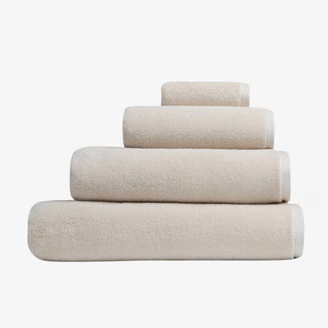
Complementing this practical approach are lifestyle tokens that elevate the sensory experience: the Parachute Organic Plush Towels and the tropical scent of the Capri Blue Volcano Candle. These simple additions forge a holistic approach—combining wellness, leisure, and personal style—impacting not just the physical, but also the emotional and aesthetic facets of self-care. This is about embracing the journey of self-expression, nurturing both body and mind, and encouraging younger generations to see lifestyle choices as a form of personal activism—asserting control over their health, environment, and emotional clarity.

As the narrative of self-care continues to unfold, it’s clear that the act of showering has transcended the mere act of cleaning. It now embodies a path to wellness, inspiration, and self-empowerment. The journey isn’t just about products or trends; it’s about cultivating a daily ritual that reflects your values and aspirations. In embracing this evolution, the modern youth are carving a new narrative—where lifestyle is an open invitation to explore, to refine, and to redefine oneself. In this pursuit, every small upgrade becomes a brushstroke on the canvas of a confident, resilient, and vibrant life. Ultimately, it’s not about achieving perfection but about embracing the continual evolution of being the best version of oneself—one shower at a time.
Gucci Parent Kering Bets Big on Future: €4B Sale of Beauty Biz to L’Oréal Cements Young Luxe Scene

The Future of Luxury Brands: Kering’s Shift and the Social Power of Consumer Trends

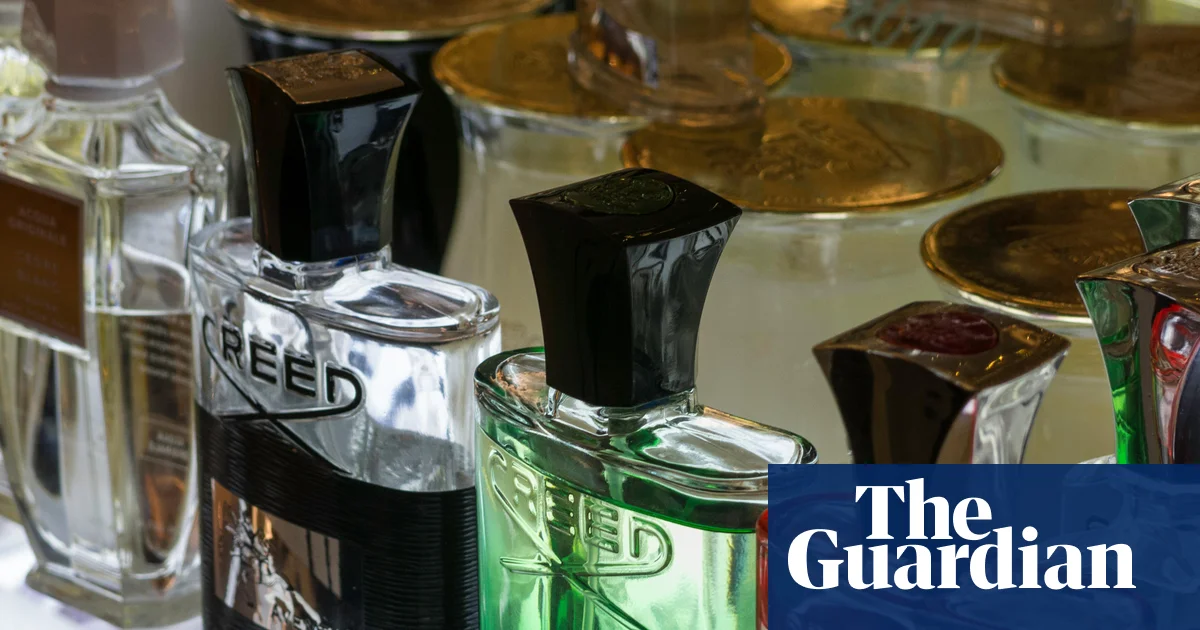
In a move that’s sending ripples through the luxury fashion and beauty industries, Kering — the powerhouse behind brands like Gucci, Bottega Veneta, and Balenciaga — is stepping away from its once-burgeoning beauty segment. Recent reports reveal that Kering has agreed to sell its beauty division, including its iconic fragrance line Creed, to L’Oréal for a hefty €4 billion. This strategic pivot, announced by new CEO Luca de Meo, aims to alleviate mounting debt and refocus Kering’s core strength: high-end fashion. It’s a refresh for a brand known for its innovative designs and celebrity allure — but also a signal of wider societal shifts that are redefining what luxury truly means in the modern age.

This sale isn’t just about balancing books; it’s a reflection of how consumer engagement and social relevance have become more critical than ever in the world of high-end branding. While traditional beauty was once a cornerstone of luxury appeal, today’s younger audiences are more interested in what brands stand for. The new 50-year licensing deal with L’Oréal will see Kering’s fashion labels develop fragrance and beauty products under their names, but only through licensed partnerships. It underscores a broader trend: luxury brands are increasingly ceding control over certain product lines to consumer-centric conglomerates that understand the modern digital and social landscape.

The Rise of Influencer Culture and Social Relevance

Notably, this decision aligns with the rise of influencers and viral marketing. As social media platforms like Instagram and TikTok continue to shape consumer preferences, luxury brands are caught in a dynamic struggle: maintain exclusivity or embrace authenticity and relatability. Under the guidance of their new management, brands such as Gucci are experimenting with innovative formats — like filming collections rather than traditional runway shows — to connect more deeply with a youthful, socially aware audience. The engagement of influencers like Emma Chamberlain and Lil Nas X demonstrates that social relevance often outweighs conventional advertising in determining impact and market share. According to sociologists studying brand evolution, this signals a paradigm shift: luxury is no longer just about opulence but about a brand’s social voice and authenticity.

Here’s the ironic twist: while the luxury giants are divesting from certain product lines, they are doubling down on building social and cultural relevance. Strategic moves like partnering with emerging fashion creators and adopting unconventional marketing tactics are making these brands more accessible and relatable, especially to a digital-native generation eager for brands that reflect their values. The ongoing debate among analysts such as Bernstein revolves around the sustainability of this approach: Will these brands maintain their allure while fostering genuine social connection, or is it just a passing trend fueled by viral fame?

What’s Next? The Next Big Question

As these high-stakes moves unfold, the next big question remains: will this new era of luxury branding, heavily reliant on social influence and licensing, genuinely enhance authentic consumer loyalty, or is it just a fleeting response to market volatility? The landscape is shifting so rapidly that traditional notions of exclusivity and craftsmanship sit side-by-side with digital virality and social commentary. The challenge lies in balancing these forces — if brands can harness social relevance without losing their core identity, they might forge a new, resilient path forward. Otherwise, they risk becoming mere brands of moments rather than icons rooted in lasting cultural impact. That’s the real story to watch: this era of transformation is laying the groundwork for a future where social narrative and consumer participation are as vital as the product itself.

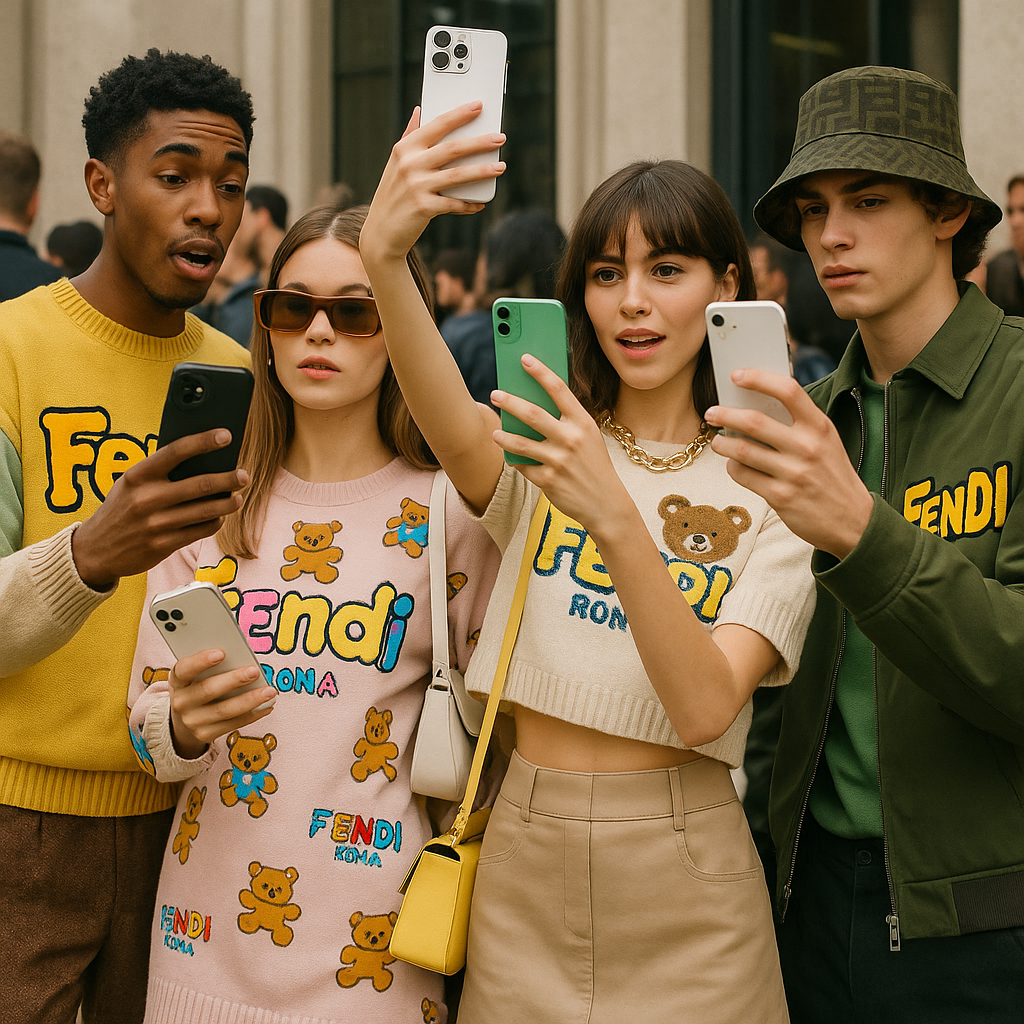
Fendi’s Fresh Take: Childish Charm Meets Luxe at Milan Fashion Week

As Fendi marks its historic centenary this year, the fashion world witnesses more than just a celebration of legacy — it reflects a broader shift in societal attitudes towards inclusivity and family-centric branding. Under the creative direction of Silvia Venturini Fendi, the house has seamlessly blended tradition with modernity, showcasing a new generation that values authenticity and social relevance. The recent runway event highlighted this evolution, featuring models of all ages and sizes, utilizing adjustable elastics and elegant grosgrain pull-tapes, once thought to be purely functional, now reimagined as symbols of style and adaptability. Many fashion analysts view this as a cultural shift towards accepting & celebrating diversity, especially in the younger demographics seeking brands with a conscience, not just a heritage.

One cannot ignore the cultural impact of this movement; it resonates deeply with the rising tide of youth-driven social activism. Influencers like Chiara Ferragni and Marina Benetti have championed brands that embrace inclusivity and family values. As Silvia vented her pride backstage, she encapsulated the sentiment: it’s not just about creating luxury items but fostering a sense of belonging and social consciousness. Meanwhile, the fashion industry at large is grappling with a steepening slowdown, causing brands to innovate with fresh faces and reimagine traditional luxury. With Fendi opening new flagship stores in Milan, the focus is shifting from mere exclusivity to cultivating a culture that appeals to a younger, more socially aware consumer base.

While Fendi’s approach demonstrates a reverence for its roots, other brands are pivoting towards minimalism and strategic reinvention. The Jil Sander show, led by Simone Bellotti, returned to the brand’s minimalist melting pot, emphasizing crisp silhouettes and industrial tones that appeal to those longing for understated elegance amidst the extravagance. The trend of minimalism signifies more than aesthetic choice; it aligns with a societal desire for authenticity and sustainable luxury. Industry insiders, including sociologists like Dr. Laura Jensen, argue this signals a collective move away from ostentation toward a more intentional, purpose-driven fashion culture. Still, as the scene grows ever more innovative, one must ask: what will be the next big thing that truly captures the social imagination? Could future trends make fashion not just an expression of identity, but a catalyst for social change?

Social Media Auto Publish Powered By : XYZScripts.com