Matox News

Truth Over Trends, always!

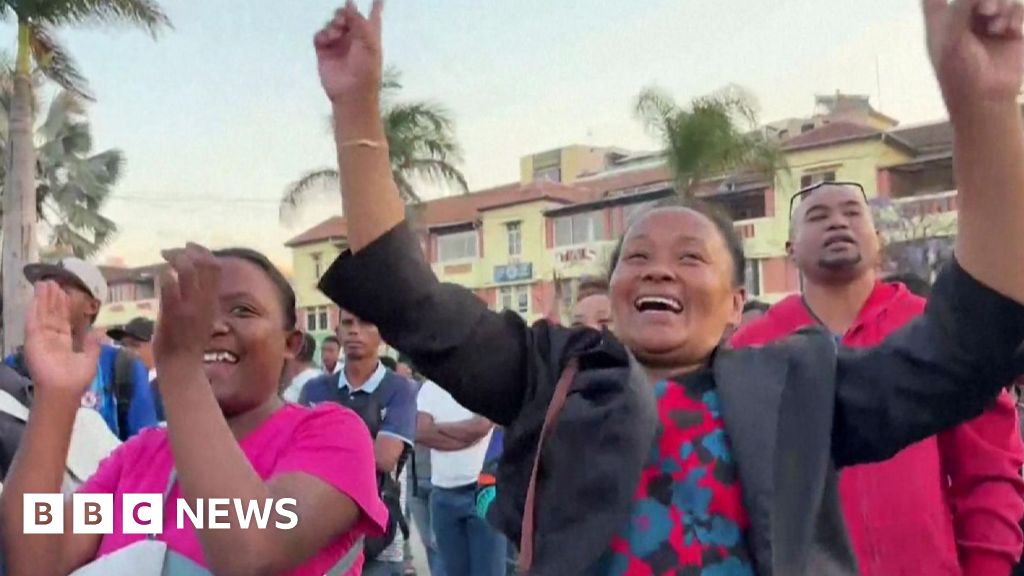
Madagascar Youths Cheer as Military Takes Control

In a dramatic escalation of Madagascar’s ongoing political crises, an elite military unit has reportedly seized control from President Andry Rajoelina, amidst mounting social unrest triggered by nationwide protests over essential services such as water and electricity. The abrupt power shift underscores the fragility of democratic institutions in the island nation and reflects broader tensions sweeping across numerous developing countries where youth discontent threatens established governments. The decisive action by CAPSAT, Madagascar’s most formidable military unit, signals a potential turning point that could reverberate beyond Africa’s Indian Ocean region, echoing shifts seen in other nations grappling with governance and legitimacy issues.

The military’s declaration, made outside the presidential palace in Antananarivo, outlined plans to establish a transitional government and hold elections within two years—a move that directly challenges Rajoelina’s authority. While the president remains in hiding, claiming to be in a “safe place” following an alleged assassination attempt, the military leadership, led by Col Michael Randrianirina, dismisses any involvement in an attack, pointing instead to internal political struggles. The swift, forceful action by CAPSAT underscores the growing influence of military factions in Madagascar, a classic feature of political instability in fragile states. This event has sent shockwaves through the regional political landscape, raising immediate questions about the future direction of governance and the potential for revolutionary dynamics to unfold in subsequent months.

International observers and analysts are warning that this coup could destabilize a region already plagued by economic hardships and governance challenges. The U.N. and regional bodies have expressed concern over the potential for increased unrest, emphasizing the importance of a *peaceful and democratic* resolution. Historically, analysts like Dr. Henry Lewis of the International Crisis Group note that military interventions in politics often result in *long-term instability*, especially if power is consolidated without clear legitimacy. Madagascar’s strategic location and resource wealth make it a significant point of interest in global geopolitics, with superpowers and regional neighbors carefully watching how this internal upheaval might impact security, trade routes, and foreign investments.

This unfolding crisis exemplifies a broader pattern seen across emerging nations where public discontent with corruption, resource management, and inequality has often culminated in military and political upheavals. How Madagascar’s current crisis develops will be crucial in understanding the future of governance in the island nation—and could serve as a blueprint for similar scenarios in the increasingly turbulent landscape of international politics. As history continues to write itself in the streets of Antananarivo, the question remains: will this act of military intervention lead to renewed hope and stability or plunge Madagascar into an enduring cycle of conflict and authoritarianism? The world watches, breath held, as the story of Africa’s potential rebirth or downfall begins, once again, to unfold with the weight of history pressing heavily upon every decision made in this critical hour.
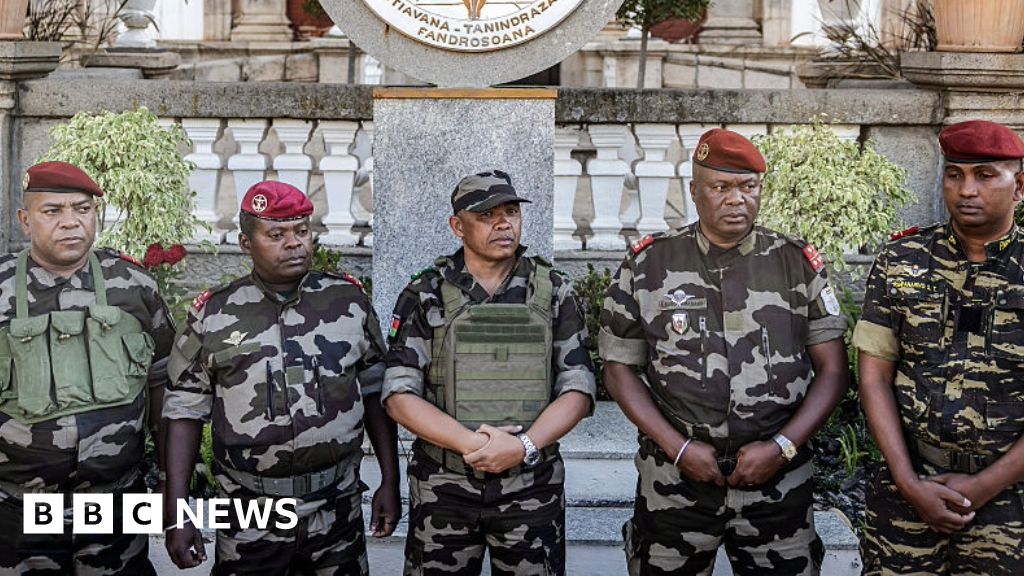

Madagascar Military Takes Control as President Moves to "Safe Place"
Madagascar Military Takes Control as President Moves to “Safe Place”

Madagascar’s Turmoil: A Country on the Brink of Uncharted History

The Indian Ocean island of Madagascar has entered a perilous new chapter in its political saga, as a powerful military unit claims to have seized control from President Andry Rajoelina. This abrupt shift in power follows weeks of youth-led protests that erupted over chronic shortages of water and electricity, but quickly morphed into a wider expression of dissatisfaction with government corruption, unemployment, and economic hardship. Such upheavals are a stark reflection of the fragility that often characterizes nations on the periphery of global power, where internal strife is ripe for exploitation and upheaval.

The Military Coup and International Reactions

The Personnel Administration and Technical and Administrative Services Corps (CAPSAT), often regarded as the most formidable military faction in Madagascar, announced that it had “seized power.” Interestingly, this elite unit, which once supported Rajoelina when he ascended to power in 2009, has now aligned itself with the protesters. In a dramatic turn, the country’s constitutional court appointed Col Randrianirina as the interim leader, even as Rajoelina’s official office claimed that he remained in charge and dismissed the coup as an “attempted overthrow.”

Global reactions have been swift and cautious, with international organizations voicing concern. The African Union (AU) explicitly warned against military meddling, condemning any “unconstitutional changes of government,” while the French government described the situation as “greatly worrying.” The United States, through its State Department, urged all parties to pursue a peaceful resolution within the framework of Madagascar’s constitutional order. Historically, such foreign engagements highlight how isolated or embattled regimes risk alienation and intervention, which often escalate the crisis rather than resolve it.

The Roots of Unrest and the Power Struggle

Madagascar’s recent unrest stems from widespread economic despair, magnified by the youth-led protests against economic mismanagement and systemic corruption. Despite President Rajoelina’s youthful image and initial promise to symbolize a new beginning, allegations of cronyism and embezzlement tarnished his reputation, leading to mounting opposition. The protests turned violent, with clashes resulting in the UN reporting at least 22 fatalities and over 100 injuries; though the Malagasy government dismissed these figures as “rumors.”

Worse still, Rajoelina’s position was rendered increasingly vulnerable as lawmakers impeached him by a significant majority—*130 votes to none*, with even members of his own party voting against him. Rajoelina responded by attempting to dismiss the national assembly, an effort that failed and further underscored the deepening political crisis. Despite his attempts to influence events from exile, the narrative is clear: Madagascar is teetering on the edge of a political abyss.

How Decisions Shape Societies and the Geopolitical Impact

The unfolding chaos in Madagascar underscores how internal political decisions resonate far beyond its borders. The AU’s warning against military intervention illustrates a broader concern about regional stability and the potential domino effect of coups in Africa. Furthermore, reliance on foreign powers like France and the United States exposes the fragile balance between national sovereignty and geopolitical interests. Historians like Walter Russell Mead warn that such unstable regimes can serve as breeding grounds for extremism and undermine regional efforts for economic development.

Madagascar’s dire poverty—75% of its 30 million population living below the poverty line—exemplifies the societal costs of prolonged instability. The country’s leadership disputes accusations of corruption, yet the populace’s frustration boiled over into violent protests, revealing how economic hardships can catalyze political upheaval. This crisis, therefore, becomes not just a local matter but a stark reminder of how fragile democracies are in the face of authoritarian temptations and external influence. History warns that neglect of governance and economic justice often culminate in chaos, with the people paying the highest price.

As the future of Madagascar hangs in the balance, the unfolding events serve as a stark tableau of a nation on the brink—a fragile expression of the enduring human struggle for stability, justice, and sovereignty. History’s pen is still writing, and the next chapters of Madagascar’s story remain unwritten in the shadows of coups, repression, and hope.

Social Media Auto Publish Powered By : XYZScripts.com


