

In an unfolding crisis reminiscent of Madagascar’s tumultuous political history, the nation has once again been thrust into chaos. Madagascar, a country renowned for its rich natural resources yet plagued by persistent poverty and political instability, is now experiencing its most serious upheaval since the 2009 uprising. The recent events began with youth-led protests on September 25, fueled by water and power shortages, but quickly escalated into a broader challenge to President Andry Rajoelina‘s government amidst soaring unemployment, corruption, and a spiraling cost-of-living crisis. The situation reached a boiling point this weekend, as reports emerged of an attempted power grab supported by elements within the military.
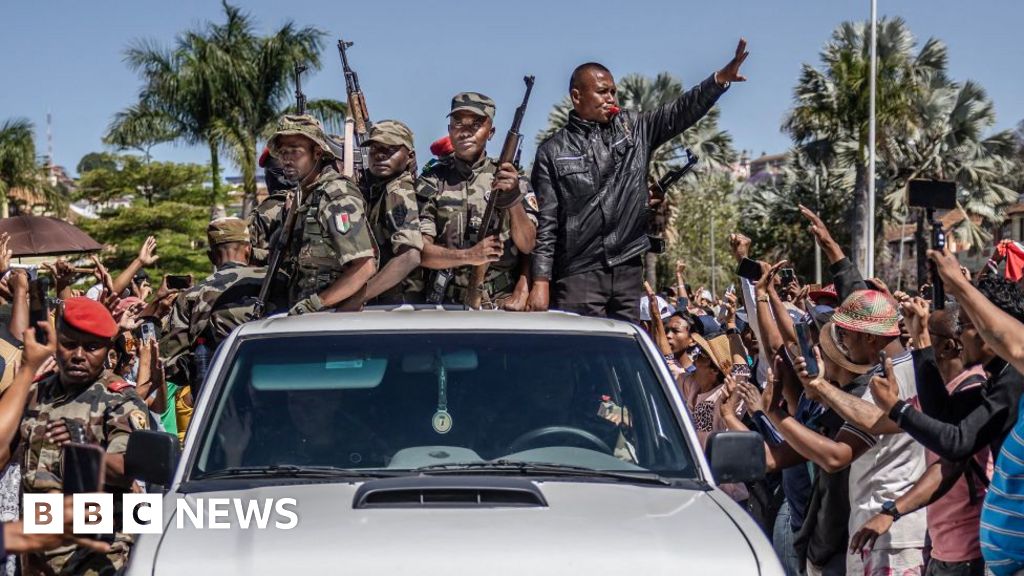
According to official statements, the office of President Rajoelina accused a faction of the army, known as CAPSAT, of attempting to seize the government illegally and by force. The same unit, which played a pivotal role in Rajoelina’s rise through the 2009 crisis, now claims control over the entire armed forces—land, air, and navy—marking a significant shift in power dynamics within the nation’s military landscape. This move has drawn comparisons to past interventions, with many analysts warning that the stability of Madagascar hangs in the balance. Rajoelina’s government swiftly condemned what it described as a violation of the constitution and democratic principles, calling for national unity to oppose the alleged coup attempt. Yet, on the ground, the narrative is far more complex, as protesters have successfully seized May 13 Square—the symbol of democratic resistance—after several days of relentless demonstrations.
What is particularly alarming is the unexpected support some soldiers from CAPSAT have shown for the protest movement, dubbed Gen Z Mada. Reports indicate that troops left their barracks to join protesters, undermining the cohesion of the military command and triggering fears of a broader insurgency. Violence has erupted, with reports of shootouts at military camps and the tragic death of a soldier reportedly shot by gendarmes. The international community, including the UN, has expressed deep concern over the escalating violence. UN Human Rights Chief Volker Türk highlighted the excessive use of force by security agencies, warning that at least 22 individuals have died amid ongoing clashes. Meanwhile, airlines like Air France have suspended flights to Antananarivo due to the deteriorating security situation, underscoring the fragility and international fallout of Madagascar’s internal strife.
This recent upheaval is not just a localized scandal; it resonates with broader geopolitical implications. Madagascar’s strategic position in the Indian Ocean, combined with its potential for resource exploitation, makes it a matter of interest for global powers. Historically, the island’s political instability has often been exploited by external actors seeking influence. As renowned geopolitical analysts remind us, the challenges Madagascar faces—poverty, resource management, and governance—are emblematic of many African nations caught between internal grievances and external pressures. Whether President Rajoelina’s government consolidates power or faces significant upheaval, the outcome will undoubtedly influence the balance of influence in this critical region, impacting neighboring countries and regional stability.
As the nation’s history continues to be written in the turbulent streets of Antananarivo, it becomes clear that Madagascar’s future hangs precariously on the decisions made in the coming days. Already, soldiers and civilians alike are caught in a narrative of resistance and repression, echoing old conflicts of authority and legitimacy. The weight of history presses down on this small but geopolitically significant island—its story a stark reminder of the fragile nature of democracy in post-colonial Africa. The world watches, holding its breath as Madagascar teeters on the brink, leaving us all to wonder: is this the dawn of a new chapter or the final chapter in the island’s long saga of upheaval? Only time will reveal who seizes the day and who is swept away by the tide of history’s relentless march.





