
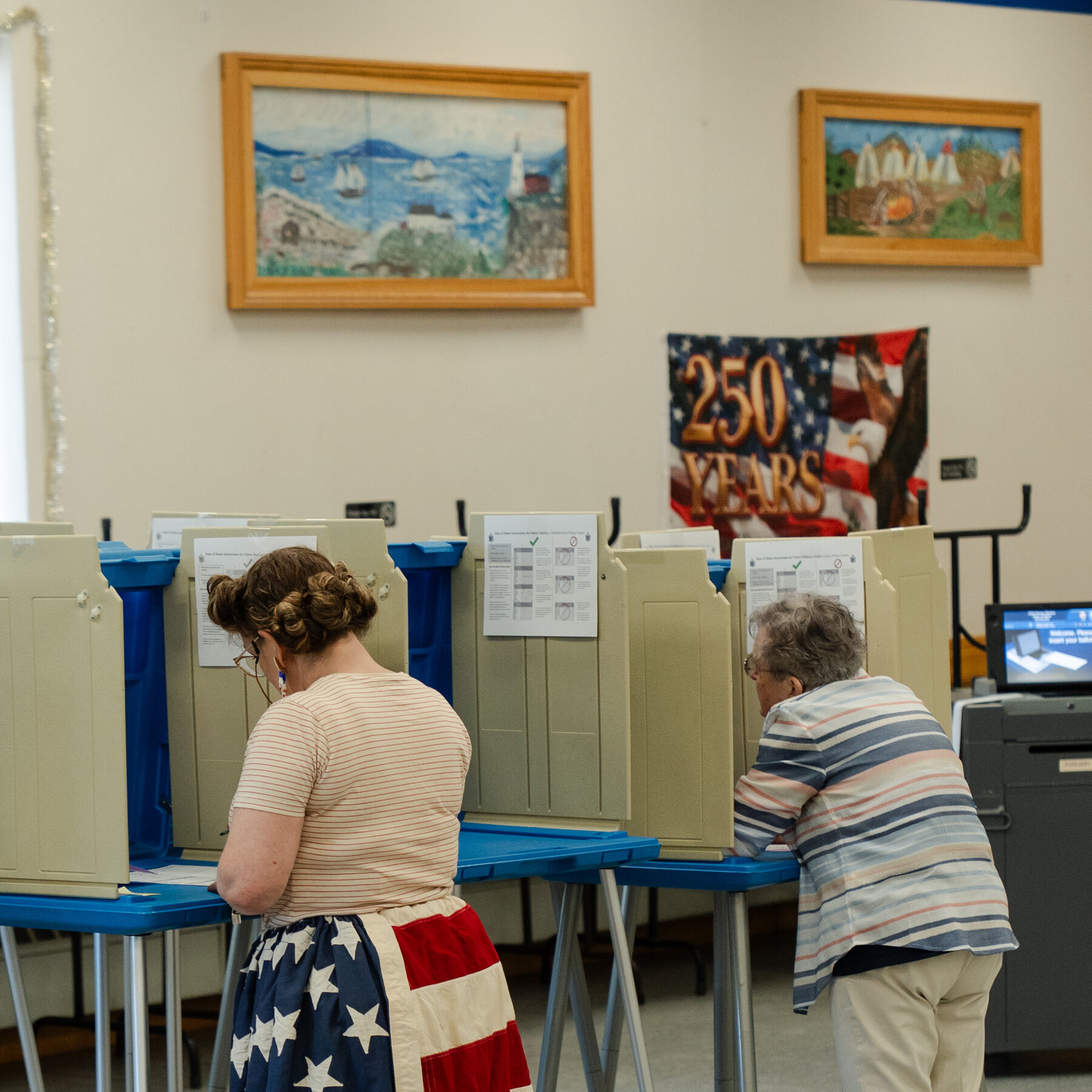

Maine’s recent primary elections have entered a protracted phase of vote tabulation, with definitive outcomes in several high-profile races still pending more than a week after ballots were cast. The delay primarily stems from the state’s distinctive Ranked-Choice Voting (RCV) system, which requires a multi-stage process to determine winners, particularly in contests where no candidate secures an outright majority on the first count.
As reported by News Desk, the Republican and Democratic primary races for governor, alongside a competitive Democratic congressional primary, remain undetermined. This extended waiting period underscores the complexities inherent in RCV, a system designed to ensure majority support for elected officials but which often demands patience from candidates and the electorate alike.
Understanding Ranked-Choice Voting’s Impact
Maine is one of the few states to implement Ranked-Choice Voting for its statewide and federal elections. Under RCV, voters rank candidates in order of preference rather than choosing just one. If no candidate receives more than 50% of the first-place votes, the candidate with the fewest votes is eliminated, and their votes are reallocated to the voters’ next choice. This process continues until one candidate achieves an absolute majority.
This meticulous allocation, especially across numerous ballots, is inherently time-consuming. Election officials must not only count initial preferences but also manage subsequent rounds of redistribution, a task that often involves specialized software and rigorous verification. The goal is to ensure every vote contributes to the final outcome, but the trade-off is often a longer tabulation period than traditional plurality systems.
Navigating the Path to Finality
The current delays in Maine highlight the logistical challenges involved in accurately processing a large volume of ranked ballots. While the integrity of the count is paramount, the extended timeline can create uncertainty and fuel speculation among political observers and the public. Candidates, too, must navigate a prolonged period of suspense, unable to fully pivot to general election campaigning until their primary victory is confirmed.
- Initial Count: First-preference votes are tallied.
- Elimination Rounds: Candidates with the fewest votes are eliminated, and votes are reallocated.
- Majority Achieved: Process continues until one candidate reaches over 50%.
- Official Certification: Final results are certified by election authorities.
Officials are working diligently to ensure accuracy, emphasizing that the methodical approach is crucial for maintaining public confidence in the election integrity of the process. While some might prefer quicker results, the priority remains a precise and verifiable count.
“The intricacies of ranked-choice voting demand meticulous tabulation, extending the wait for definitive outcomes and testing the patience of candidates and citizens alike.”
Implications for Maine’s Political Landscape
The ongoing delay in declaring winners has practical implications for Maine’s political landscape. Candidates who are ultimately successful will have a shortened window to consolidate support and prepare for the general election. For the public, a prolonged wait for results can sometimes strain trust, even if the process is designed for fairness and accuracy. Matox News believes in the foundational principle of transparent and timely electoral processes, balanced with the need for absolute precision.
As Maine awaits the final tallies, the situation serves as a reminder of the evolving nature of election systems and the careful balance between speed and accuracy. The democratic process, while sometimes slow, relies on the thorough and impartial application of electoral laws to ensure legitimate representation for all citizens.






