
Matox News

Truth Over Trends, always!

Experts warn missed diagnoses of treatable male infertility are driving avoidable IVF use, harming society’s future.

The Hidden Crisis of Male Infertility: A Society Overlooking a Critical Social Issue

In recent years, national health initiatives have begun to shine a light on male health issues, but the problem of male infertility remains disturbingly under-researched and misunderstood. Despite men contributing to 50% of all infertility cases, families, educators, and communities alike are failing to recognize the significance of this silent crisis. Societies that neglect this aspect of reproductive health risk losing a pillar of their social fabric—families and the future generations they aspire to nurture. According to experts like Vaibhav Modgil, an honorary clinical professor and consultant urological surgeon, the ignorance surrounding male infertility is not just a medical issue but a social dilemma rooted in inadequate funding, misperceptions, and systemic neglect.

The lack of comprehensive education and public awareness translates into tangible hardships for families. When couples face infertility, women often become the focus of testing and treatment, while men are left without basic diagnostics or knowledge about how lifestyle factors—such as heat exposure, smoking, or poor diet—damage sperm quality. As Dr. Michael Carroll notes, the societal tendency to view fertility as exclusively a woman’s concern perpetuates outdated stereotypes and leaves men’s health issues in the shadows. This imbalance not only hampers effective treatment but also inflicts mental trauma on men who grapple with feelings of inadequacy or societal stigma—wounds that can run deep and affect community cohesion and individual well-being.

Efforts by public health officials to address this issue are emerging, with the recent publication of a Men’s Health Strategy that promises to catalyze change. However, critics argue that policy gaps and insufficient funding keep the problem entrenched. The National Institute for Health and Care Excellence is updating guidelines to recommend more extensive testing for men, but much more is needed. As social commentators have observed, the true challenge lies in shifting cultural perceptions—expecting society to acknowledge that men’s health matters equally and to confront the stereotypes that hinder access to care. Without a comprehensive approach that includes education, medical research, and community awareness, the cycle will persist, and families will continue to bear the emotional and financial costs of infertility.

Recognizing that health disparities affect entire communities, many argue for an urgent cultural transformation. As studies reflect, 80.6% of GPs have received no formal education on male fertility, and 97% cannot accurately examine for varicocele—yet, these are simple, treatable conditions within reach if adequate resources and awareness are in place. Reformative action would not only improve individual outcomes but also serve the broader societal goal of strengthening the family’s foundation. The societal narrative must evolve from viewing fertility solely as a woman’s issue to understanding it as a shared responsibility and societal concern—one that cuts directly into the moral fabric of community life, impacting young families’ hopes and futures. Hope lies in our collective will to understand, educate, and innovate; society’s strength will be measured by how effectively it supports its most vulnerable members both morally and practically, nurturing families rather than neglecting them in silence.
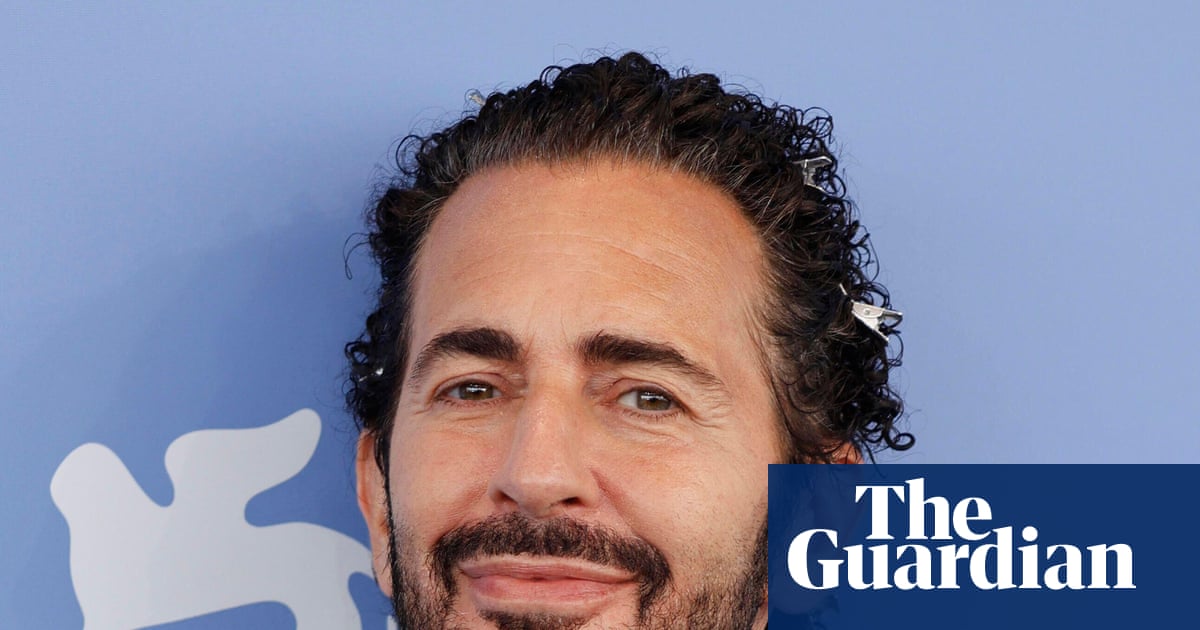
Social media and weight loss meds fuel UK surge in male and 40s facelifts—why more young guys are chasing the trend

In recent years, a quiet revolution has taken hold among the young and the ambitious: facelifts are no longer the exclusive domain of Hollywood starlets or aging celebrities. Society’s shifting standards of beauty, combined with radical innovations in surgical techniques, have made cosmetic procedures more accessible and appealing to a broader demographic. According to the British Association of Aesthetic Plastic Surgeons, the number of facelifts performed in the UK has swollen by 8% in 2024, with a striking 26% increase among men alone. This trend signals not just a superficial obsession with youth but a deeper cultural shift in how society perceives vitality, success, and self-confidence.

Experts such as Nora Nugent, president of Baaps, emphasize that the appeal of modern facelifts lies in their ability to deliver natural and durable results without the relentless maintenance that fillers demand. This quest for longevity and authenticity feeds into a broader societal narrative: the desire to age gracefully without surrendering to the ravages of time or societal pressure. With technological innovations like endoscopic “scarless” facelifts and multifactorial techniques targeting deeper facial structures, surgical options have become less invasive and more tailored to individual needs. These advancements not only enhance the aesthetic outcomes but also bolster the social acceptability of getting cosmetic procedures—transforming what was once taboo into a normative lifestyle choice.

However, beneath the surface of this trend lies a more complex social narrative. As psychologist Helena Lewis-Smith points out, “appearance pressure in society has never been stronger”. Public figures like Kris Jenner, who openly speak about aging and cosmetic enhancements, serve as influential role models that normalize procedures. The messaging resonates especially with the younger generation, who are racking up surgical stats at an unprecedented rate. Importantly, this phenomenon isn’t solely about vanity; many view these procedures as a form of self-care, resilience, and societal capital. Yet, critics express concern about the risks—scarring, nerve damage, and the misconception that these surgeries are risk-free or quick fixes. Medical professionals warn that facelifts, while increasingly refined, remain major surgeries requiring psychological assessments and a commitment to long-term health.

On a social level, the normalization of cosmetic procedures raises pertinent questions about the future of youth culture, societal standards of beauty, and the commodification of self-image. The rise of weight loss drugs like Ozempic has added another layer to this dynamic—rapid fat loss often leaves faces looking gaunt, prompting a surge in both facial and body contouring surgeries. Is this relentless pursuit of perfection creating a new form of societal discontent or merely empowering individuals to take control of their appearance? As social media amplifies this conversation, the next big question becomes: are we witnessing the emergence of a society where leaving aging behind becomes less an aspiration and more a cultural mandate?

Social Media Auto Publish Powered By : XYZScripts.com



