Matox News

Truth Over Trends, always!

Which European nations are beefing up with mandatory or voluntary military service?

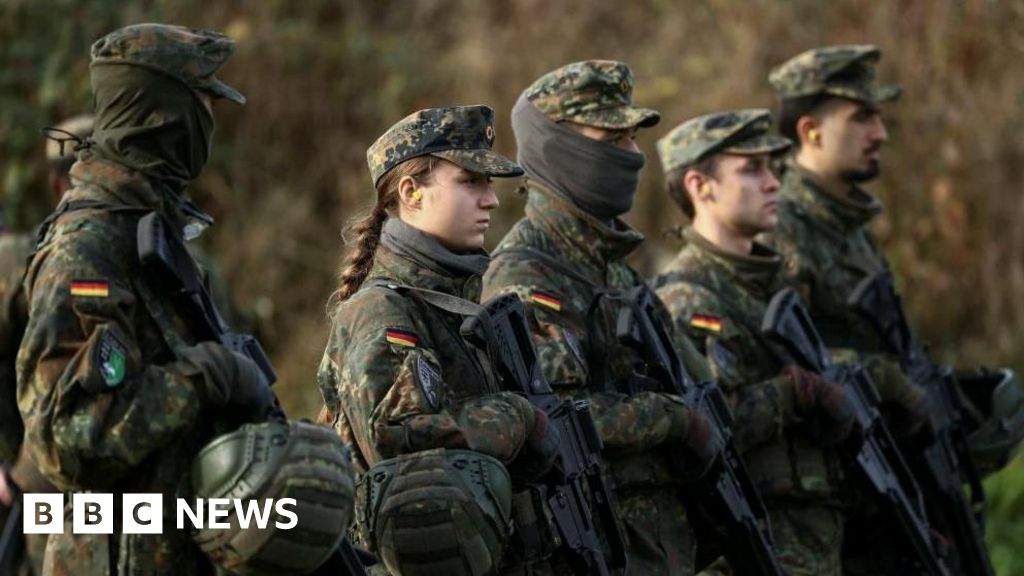
In a clear response to Russia’s full-scale invasion of Ukraine in 2022 and the lingering specter of renewed geopolitical conflict, many of Europe’s NATO member states are recalibrating their military strategies. Across the continent, nations are mobilizing efforts to bolster their armed forces—either by reintroducing conscription, expanding volunteer schemes, or modernizing their professional armies. This surge in military recruitment signifies a fundamental shift in Europe’s defense posture, driven by the perceived threat of Russian aggression and a broader assertion of sovereignty amidst geopolitical instability.

Countries like Germany and France are leading this transformation. Germany has returned to a strategy of voluntary military service, with a legislative move aimed at creating Europe’s “strongest conventional army” by 2035. Parliament has approved a law requiring all 18-year-old men to fill out recruitment questionnaires and undergo medical exams—potentially enabling a future return to compulsory service if circumstances demand. Chancellor Friedrich Merz has articulated a vision of expanding the military from 183,000 to 260,000 active troops, an initiative that has sparked protests among young Germans who fear becoming “cannon fodder.” Historians and defense analysts warn that such militarization, while pragmatic, risks stoking societal divisions and reigniting memories of Europe’s turbulent past.

Meanwhile, France is pioneering a voluntary national service program aimed at attracting the youth—primarily 18- and 19-year-olds—offering €800 per month for 10 months of military training. President Emmanuel Macron emphasized the importance of mobilizing the nation to defend itself, invoking nationalist themes to rally support. This shift reflects a broader European trend: while Norway and Estonia maintain conscription policies, others like Belgium and Poland have launched targeted voluntary schemes to increase their reserve forces. Global institutions such as NATO have voiced cautious optimism, viewing these moves as necessary for collective security, yet critics argue such efforts could exacerbate tensions and escalate regional conflicts.

In the broader context, Turkey continues its longstanding conscription policy, with men aged 20-41 obligated to serve for 6-12 months, reinforcing its military strength as it faces regional security challenges. Meanwhile, Croatia plans to reintroduce conscription next year, mandating two months of military training for young men aged 19 to 29. As Germany and France work towards expanding their armies, other nations like Austria and Switzerland maintain compulsory military duties for their populations—highlighting a continent in flux, balancing traditional conscription with modern volunteerism. The common thread is evident: European nations are actively adjusting their defense doctrines to reflect a new era where the threat landscape remains unpredictable, and the weight of history whispers ominously in the background.

As Europe stands at this crucial juncture, the decisions taken today—whether to conscript or to rely solely on volunteers—will shape societies for generations. The unfolding narrative is more than a matter of military logistics; it is a story intertwined with national identity, sovereignty, and the collective security of freedom itself. In the quiet before the next storm, history watches silently—its pages yet unwritten, its voice echoing with the weight of uncertainty. The continent’s future hinges on choices made now, daring to confront or evade the shadows cast by the past—an enduring testament to the fragile yet resilient fabric of civilization, still awaiting the next chapter of its destiny.

Year 8 Students Face Mandatory Reading Tests in New Push to Boost Britain’s Youth Literacy

Cracks in the Foundation: Society’s Struggle with Educational Standards and Social Cohesion

As curriculum reforms and intensified testing take center stage in England’s education policy, the societal fabric faces subtle yet enduring strains. The government’s proposal to introduce mandatory reading tests for Year 8 students highlights a growing concern among policymakers regarding literacy standards and future economic competitiveness. Planned as part of an upcoming white paper, this initiative aims to evaluate pupils’ progress two years into secondary school, reflecting a broader desire to recalibrate educational accountability. However, critics argue that these measures may oversimplify the critical social and moral roles of education, risking a narrow focus that overlooks the diverse challenges faced by families and communities.

Historically, sociologists like Raymond Williams and bell hooks have emphasized that education is more than a standardized test; it is a vital space for cultural transmission, moral development, and social cohesion. Trends reveal that while 75% of Year 6 students met expected reading standards this year, a troubling quarter still fall short, underscoring persistent inequalities. For families from disadvantaged backgrounds, such gaps are compounded by systemic barriers that no amount of testing can fully address. Critics note that the reliance on annual assessments and high-stakes testing contributes to a narrowing of the curriculum, restricting teachers’ ability to cultivate critical thinking, creativity, and moral judgment. Instead of viewing these exams as tools for empowerment, many see them as instruments of compliance that threaten to erode the humanistic elements at the heart of education—elements that directly influence family stability and community well-being.

The debate extends beyond the classroom into the societal implications of these policies. Leaders like Daniel Kebede of the National Education Union warn that increasing test regimes risk fostering “punitive labeling” and academic stress, which disproportionately impact those already marginalized. Such approaches tend to favor a neoliberal narrative—one that equates student success with quantifiable benchmarks rather than holistic development. Meanwhile, critics like Sarah Hannafin of the NAHT argue that “good teaching,” not testing, is the real driver of improvements, emphasizing the importance of investing in resources and support systems. This tension underscores a deeper societal question: how do we balance accountability with the moral imperatives of fostering compassionate, resilient communities?

As society grapples with these dilemmas, the challenge remains clear: to forge an educational environment that values the dignity of each learner and recognizes the societal importance of social cohesion. The upcoming review of the curriculum and assessment framework offers an opportunity to reconsider whether current policies serve society’s broader moral and cultural needs or simply perpetuate a cycle of testing and compliance. Reflecting on the words of social critics and educators, it becomes apparent that true social progress must incorporate moral development, community engagement, and an acknowledgment of the systemic barriers faced by many families. In this crucible of change, society stands at a crossroads—a chance to build not just a qualified workforce, but a society rooted in shared values, hope, and resilience, rekindling the belief that education should uplift the human spirit, not diminish it.

Social Media Auto Publish Powered By : XYZScripts.com



