Matox News

Truth Over Trends, always!

Small Canadian Town Gutted: Mass Shooting Leaves Community Heartbroken

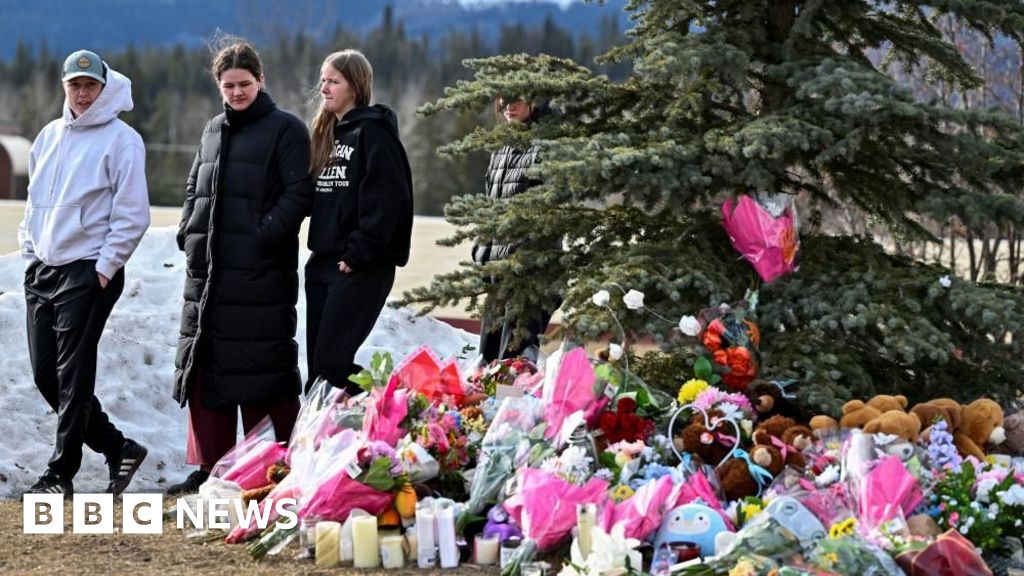
The recent shooting incident in British Columbia has sent shockwaves across Canada and reverberated through international communities, highlighting the persistent threat of violence in regions often considered peaceful. This tragedy, which has left dozens dead and many injured, underscores the vulnerability of even the most serene societies amidst complex geopolitical shifts and internal discord. As residents mourn and community leaders grapple with grief, analysts worldwide are parsing the wider implications of such acts of violence in an era marked by increasing instability.

Experts suggest that this incident is not isolated but rather a reflection of broader socio-economic and political tensions. According to international security analysts, the rising incidence of mass shootings in Western nations correlates with rising social polarization, economic disparities, and evolving criminal networks. Historically, such episodes often act as a grim turning point, prompting intensified debates on gun control, mental health policies, and national security frameworks. The Canadian government’s response, including calls for stricter gun legislation, echoes similar debates across United States and other allied nations, where firearm access remains a contentious issue. For some, the tragedy exposes vulnerabilities in existing social safety nets and underscores the importance of proactive measures to prevent future atrocities.

Moreover, this incident has resonated beyond Canada’s borders, drawing reactions from NATO allies and global organizations committed to peacekeeping and security. Many question whether current international cooperation mechanisms are adequate to address emerging threats that fuse local violence with transnational criminal activities. The United Nations and Interpol have issued statements urging nations to bolster intelligence sharing and combat illegal arms proliferation, which often fuels such violence. Historians like Dr. Margaret Saunders warn that “while local tragedies ignite immediate outrage, they also serve as stark reminders of the interconnected, fragile state of contemporary security.” This tragedy, therefore, acts as a stark mirror reflecting the urgent need for coordinated international action.

The geopolitical impact of such events extends further; they influence migration debates, domestic policy, and diplomatic relations. Countries increasingly face pressure to navigate internal stability while avoiding the stigmatization of their populations, all amidst rising nationalism and populist sentiments. Within Canada, the incident has prompted a national dialogue on social cohesion, law enforcement accountability, and political polarization – issues that are pivotal in shaping future policies. Conversely, critics argue that without addressing root causes—such as mental health, economic despair, and ideological extremism—such tragedies will persist, threatening the fabric of society itself. The ongoing debate underscores how internal security incidents have the power to redefine challenging issues, shaping diplomatic strategies and societal priorities for years to come.

As the world reflects on this dark chapter, the haunting question remains: how many more must suffer before decisive, systemic change occurs? With each headline, history continues to be written with silent, yet profound, consequence. The tragedy in British Columbia is not merely a national crisis but a stark warning etched into the collective conscience of a shared civilization. In the unfolding narrative of history, such acts of violence serve as a grim reminder that the battle for safety, social cohesion, and peace is an ongoing struggle—one that demands vigilance, resilience, and an unwavering commitment to justice, lest humanity be condemned to repeat the shadows of its darkest days.

Brown University Student Shares Resilience: Overcoming Two Mass Shootings and Rising Strong

In the midst of the holiday season, stories of resilience and tragedy weave a somber backdrop, reminding us of the relentless challenge that American youth face daily—the pervasive threat of mass shootings on school campuses. One such story emerges from Providence, Rhode Island, where 21-year-old Mia Tretta reflects on her harrowing experiences, shedding light on the broader cultural shift gripping the nation. Having survived her second school shooting, Mia’s narrative is a stark reminder that safety, once assumed as a given, is now a fragile illusion for countless young Americans. Her harrowing account underscores a critical question: how did a nation that prides itself on innovation and resilience become so desensitized to violence that students must practice *active shooter drills* as part of their routine?

This new era of wellness and lifestyle is marked by an *urgent necessity* to reconsider the very foundation of safety and mental health in schools. The aftermath of mass shootings, including the tragic loss of lives and the lasting physical and emotional scars, ignites debates across political and cultural spectra. Thought leaders such as Dr. Gabor Maté emphasize the importance of addressing underlying societal issues—mental health, gun control, community cohesion—to forge a path toward genuine healing. Yet, despite these expert insights, the ongoing cycle of violence compels schools to evolve into fortified environments, where police presence remains high, and students are equipped with tools for survival rather than true peace of mind. Mia’s story exemplifies a “new normal”—a landscape dominated by *mental resilience* efforts intertwined with visible security measures.*

For those seeking to embrace a lifestyle rooted in *resilience* and *self-reliance*, these events serve as a catalyst for embracing holistic wellness and proactive safety strategies. As cultural critic Camille Paglia points out, there is a value in fostering strength and independence among the youth—a counterpoint to the helplessness often associated with such tragedies. Practical lifestyle shifts include prioritizing physical and mental fitness, cultivating communities of support, and engaging in meaningful political action to advocate for responsible gun legislation.

  • Travel to safe yet inspiring environments—perhaps the scenic landscapes of the American West or the historic beauty of New England—to recharge and gain perspective.
  • Incorporate daily wellness practices such as mindfulness, physical activity, and community service to build *inner strength*.
  • Support organizations that prioritize *youth empowerment* and *gun reform* to channel frustration into tangible change.

Ultimately, the stories of survivors like Mia are not just cautionary tales but also callings to action—an invitation for the younger generation to redefine what it means to live boldly and responsibly. Her courage in sharing her experience at the White House illustrates a profound **personal impact**; not only has she faced her past with resilience, but she also embodies the growing movement of youth demanding change. It reminds us that authentic well-being transcends physical health—it’s about fostering a society where safety and peace are fundamental rights, not privileges. As we reflect on her journey, let us embrace the idea that each day, despite the chaos, offers a chance to forge a lifestyle of courage, resilience, and hope. Those who dare to live consciously, aware of both the vulnerabilities and strengths within, will find in their pursuit a profound sense of purpose—a journey toward embracing life amidst adversity.

Mass Exodus Underway: Youths Gear Up to Evacuate as Pacific Northwest Faces Major Flood Threat

Amidst the relentless forces of nature, residents of the Pacific Northwest and western Canada are witnessing an unprecedented surge of climate-driven challenges. Record-setting floods, driven by an intense atmospheric river, have transformed everyday life into a scene of emergency preparedness and resilience. While stories of natural disasters often depict chaos, they also underscore the vital importance of community strength, proactive planning, and embracing a lifestyle aligned with the changing environment. For the individuals living along the Skagit and Snohomish rivers, this moment is more than a natural crisis—it’s a wakeup call about the shifting tides of our climate and our role in facing them.

In Washington state, Governor Bob Ferguson declared a statewide emergency, recognizing that over 100,000 residents could soon face evacuations as floodwaters threaten to turn familiar landscapes into treacherous and unpredictable terrains. Major highways have been shut down, stranding commuters and disrupting the local economy, but amidst this chaos, there is a focus on adaptation and wellness. Many residents, inspired by authorities and climate resilience experts, are turning these challenges into opportunities for community bonding and personal growth. Evacuations in flood-prone areas like Skagit County highlight the critical importance of preparedness—not just as a safety protocol but as a lifestyle shift toward mindful resilience. The ongoing rescue efforts—using inflatable boats, helicopters, and brave rescue swimmers—serve as a stark reminder that true wellness depends on readiness and collective action when faced with adversity.

Globally, climate specialists highlight the importance of tailored strategies for urban sustainability and rural resilience. Authors like Dr. Katharine Hayhoe continually stress that understanding local impact is fundamental in developing preventive measures. For the youth—those who will inherit the consequences of today’s environmental decisions—the message is clear: embracing a lifestyle of proactive adaptation is paramount. Whether that means supporting local conservation initiatives, adopting sustainable habits, or educating oneself on climate science, these measures build a foundation of strength that transcends just surviving — they enable thriving.

  • Invest in emergency preparedness kits for your community
  • Support local infrastructure projects focused on flood mitigation
  • Educate yourself and peers about the climate impacts specific to your region

Such steps are integral in helping future generations foster a resilient mindset amid turbulent environmental times.

Crossing over into broader cultural shifts, the ongoing floods serve as a poignant reminder that wellness is not merely personal but collective. Urban areas like Seattle and Abbotsford exemplify how communities are responding adaptively, building climate-resistant infrastructure and cultivating environmentally conscious lifestyles. The emphasis on well-being now extends beyond traditional health metrics: it encompasses environmental footprint, mental resilience, and collective preparedness. Cultural conversations are evolving, inspired by thought leaders like Naomi Klein and environmental sustainability gurus, urging the next generation to see climate action as an extension of individual self-care and community pride. This holistic approach to lifestyle signifies not just a response to catastrophe but an active pursuit of personal and societal empowerment—learning how to live wisely in a world with shifting climates.

As these floods gradually recede, and communities begin the long process of recovery, the real takeaway is an inspired perception of lifestyle as an ongoing journey. Such moments of upheaval challenge us to embrace change—transcending fear and fostering hope. Resilience becomes more than just bouncing back; it transforms into a conscious way of embodying strength, adaptability, and forward-thinking in every aspect of life. Whether through supporting local initiatives, educating oneself about climate solutions, or simply fostering a mindset of readiness, each individual can contribute to shaping a resilient future. Ultimately, these natural trials reveal that wellness is rooted in our ability to adapt and thrive amid the inevitable changes ahead. It’s a journey of embracing life’s uncertainties with courage, integrity, and purpose—an inspiring testament that, with determination, we can navigate even the most turbulent waters.

South Africa tragedy: 11 lives lost in deadly mass shooting

South Africa Faces a Tragedy: Deadly Mass Shooting Shakes Nation

The recent mass shooting in South Africa underscores the persistent violence that has become emblematic of the country’s social and political landscape. Early Saturday morning, the quiet of the Saulsville township, located west of Pretoria, was shattered when armed assailants stormed an informal drinking establishment, a so-called “illegal shebeen,” and opened fire, claiming at least 11 lives and injuring 14 others. Among the victims was a three-year-old child, while among the wounded were a 12-year-old boy and a 16-year-old girl, highlighting the indiscriminate nature of this brutal attack.

According to police reports, three unidentified gunmen entered the premises at approximately 04:30 local time, unleashing a barrage of gunfire on groups of men engaged in drinking activities. The motive behind this attack remains unknown as no arrests have been made, but analysts observe that such incidents are often linked to broader issues of organized crime and illegal liquor trade. This tragedy is merely the latest in a series of mass shootings that reveal a country struggling to address its rampant gun violence.

Inner Chaos and Failed Governance: The Impact of Unregulated Violence

South Africa’s high murder rate—an alarming 45 people per 100,000, according to the United Nations Office on Drugs and Crime (UNODC) for 2023-24—is a stark indicator of the deep-rooted security crisis. Police data reveal an average of 63 murders every day, painting a grim portrait of a society beset by lawlessness and systemic failures. Illegal liquor outlets, such as shebeens, have become central to the violent landscape, often functioning outside the reach of law enforcement, which complicates efforts to curb violence and protect innocent civilians.

Many analysts argue that the continuous cycle of violence reflects broader societal issues, including poverty, corruption, and ineffective governance. International organizations have repeatedly called for stronger state intervention and comprehensive crime reduction strategies, but political will remains elusive amid competing priorities. Historians warn that if this escalation persists, South Africa could slip further into chaos, jeopardizing both its internal stability and its international reputation.

Global Implications and the Dialectic of Security and Sovereignty

The geopolitical impact of South Africa’s violence extends beyond its borders, as the country’s stability influences regional security and economic development in Africa. As a key member of the BRICS bloc and an influential player in international Afro-Asian policy forums, Pretoria’s internal strife raises questions about security cooperation and international support. The persistent violence underscores a dangerous trend: failure to address internal crises invites destabilization, which can ripple outward, destabilizing adjoining nations and complicating efforts for regional peace.

Leaders and global institutions are increasingly vigilant. The United Nations and regional organizations like the African Union have issued warnings about the rising levels of violence and the necessity for decisive action. Yet, critics argue that without addressing root causes—such as unemployment, inequality, and illegal weapons trafficking—these crises will only deepen. History has shown that neglecting internal security can transform a nation’s internal fractures into broader geopolitical vulnerabilities.

History’s Unfolding Drama: The Weight of Future Choices

As South Africa navigates this turbulent chapter, the world watches with a mixture of concern and anticipation. The country’s leaders face a critical crossroads: whether to confront the violence head-on through reform and law enforcement or continue to grapple with a persistent legacy of neglect and corruption. The choices they make today will reverberate for generations, shaping the narrative of a nation that teeters on the edge of chaos. Each act of violence not only claims lives but also inflicts trauma that echoes through society’s fabric, etching an indelible mark on history’s unfolding story.

Fifty children escape as gunmen’s mass school kidnapping in Nigeria sparks alarm

Flickers of Hope Amidst the Darkness of Nigeria’s Kidnapping Crisis

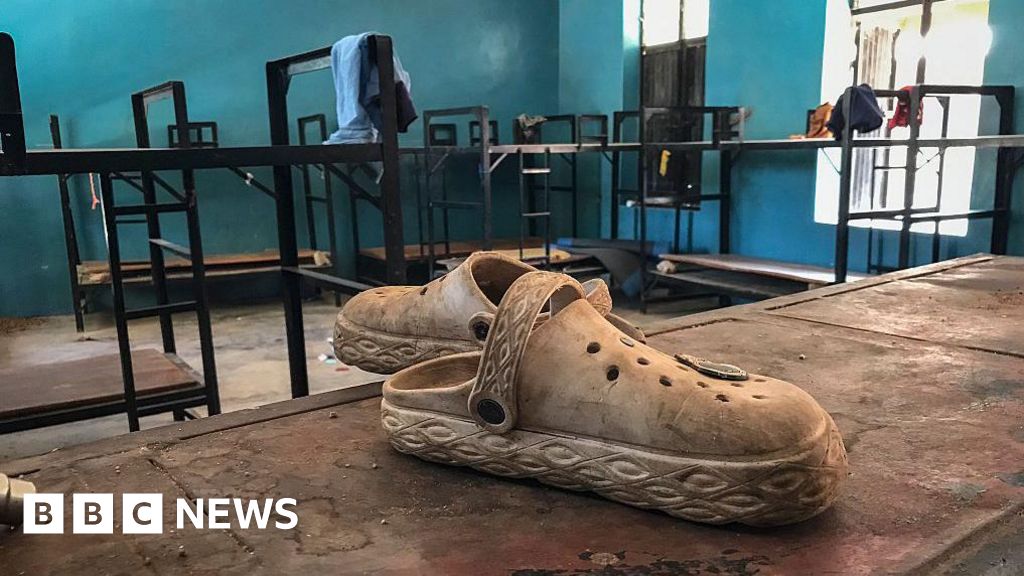
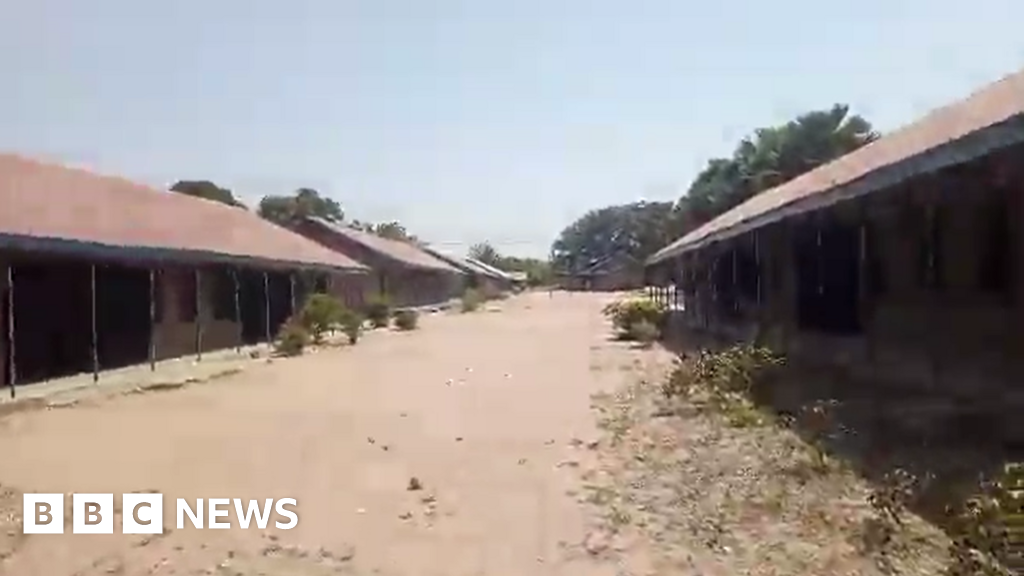
The recent mass abduction of schoolchildren in Nigeria has once again cast a shadow over a nation already battered by violence and instability. The daring kidnapping of over 300 students from St. Mary’s School in Niger state, and subsequent escapes of 50 of these children, signal a disturbing escalation in what international analysts describe as an ongoing crisis. Despite efforts by the Nigerian government, including the deployment of an additional 30,000 police officers, these criminal gangs—locally branded as bandits—continue to wield terror with impunity, revealing cracks in Nigeria’s security framework.

Experts like Dr. Samuel Okoye, a geopolitical analyst specializing in West African affairs, warn that the proliferation of kidnapping for ransom is not merely criminal enterprise but a test of state authority, exacerbating existing tensions within Nigeria’s multi-ethnic, multi-religious society. The wave of abductions, which now surpass the infamous Chibok incident of 2014—where 276 girls were seized—has reignited international concern. Such acts are not isolated but are symptomatic of broader upheavals involving Islamist insurgents, criminal syndicates, and communal conflicts fueled by competition over land and resources. The United Nations has expressed grave concern over the rise in violence, which threatens to destabilize the region further.

Geopolitical Implications and International Reactions

The Nigerian government’s response, which includes the closure of schools and redeployment of security forces, underscores the gravity of its crisis. Meanwhile, the U.S. and other Western nations have begun framing Nigeria’s instability within a global context of religious persecution—claims vehemently disputed by the Federal Nigerian government. Recently, President Donald Trump suggested intervening with military force in Nigeria, asserting that Christians face systematic persecution—a narrative that has sparked controversy and intensified geopolitical debates. Analysts argue such rhetoric risks further complicating Nigeria’s internal dynamics, where many victims are Muslims caught in ongoing jihadist conflicts primarily led by the Boko Haram insurgency, which has been battling the Nigerian state for over a decade.

This flashpoint in Nigeria echoes broader regional tension, with the Lake Chad Basin and Sahel zone serving as hotbeds for Islamist extremism, human trafficking, and illicit arms flows—further destabilizing neighboring countries. For international organizations like ECOWAS and AU, Nigeria’s safety is intertwined with regional stability. Many experts warn that without serious international cooperation and robust regional security strategies, the cycle of violence will persist, threatening to spill over borders and destabilize entire West African corridors.

How Decisions Shape the Future of Societies and Nations

The decision to assign additional security personnel, restrict movement, and close educational institutions marks a defensive approach—yet the root causes remain unaddressed. As historians observe, Nigeria’s history demonstrates that sustained, inclusive political reform is essential to long-term stability. The escalation of violence, the resurgence of religious and ethnic divides, and the chronic underfunding of governance structures suggest that crisis management alone cannot contain this tide of chaos. Instead, meaningful reforms that tackle systemic inequalities and foster community resilience are urgently needed. The unfolding story of Nigeria’s struggle against violent factions is a stark reminder of how fragile national sovereignty can be in the face of internal disorder.

As families mourn and hope flickers among the abducted students’ loved ones, the world watches a nation at a crossroads. The choices made today—whether through military action, diplomatic engagement, or reforms—will inscribe Nigeria’s legacy for generations to come. The darkness shrouding these kidnapping nightmares is compounded by the weight of history, and it remains to be seen whether Nigeria will rise from this abyss or succumb to the insidious forces that threaten to undo it. One thing remains certain: the pages of history are being written now, and Nigeria’s story is far from over.

Nigeria suffers major school abduction as 315 students vanish in mass kidnapping

Escalating Crisis in Nigeria: Mass Kidnappings and Their Geopolitical Ramifications

In a disturbing display of the ongoing insecurity plaguing Nigeria, reports confirm that over 300 children and staff have been kidnapped from St Mary’s School in Niger state—a tragic development that echoes the infamous Chibok abduction of 2014. According to the Christian Association of Nigeria, the revised figures indicate a significantly larger number of victims than initially reported, highlighting the grave escalation in armed group activity across the country. These mass abductions are not isolated incidents but part of a disturbing surge in violence by violent coalitions, often labeled as bandits or Islamist militants, that threaten the stability of Nigeria’s fragile security architecture.

Analysts warn that this escalation has profound geopolitical implications. The Nigerian government’s response—claiming to mobilize security forces and order school closures—struggles against a tide of multifaceted insurgencies, including Boko Haram’s remnants and criminal gangs. These groups are exploiting Nigeria’s vast and often inaccessible forested regions, making rescue operations perilous and uncertain. The recent kidnappings occur amid a backdrop of regional instability, as neighboring countries face similar challenges with militant insurgencies, leading some experts from the African Union to warn of a potential destabilization chain reaction in West Africa fueled by these uncontained conflicts.

Furthermore, the international discourse around these events has become polarized. Right-wing figures in the United States, including former President Donald Trump, have recently amplified allegations of persecution of Christians in Nigeria, claiming the government is either unable or unwilling to protect religious minorities. These claims, vehemently denied by Lagos, supply a turning point in the ongoing narrative—whether as a genuine concern or a politicized tool—highlighting how external actors are increasingly involved in Nigeria’s internal affairs. Such narratives risk complicating diplomatic efforts and may embolden militant groups, further destabilizing the region.

The geopolitical impact of Nigeria’s security crises extends beyond its borders. As Africa’s most populous nation and a key player in regional economics and politics, Nigeria’s instability threatens to undermine efforts towards regional integration and economic growth. Historians and security analysts warn that without decisive action—focusing on intelligence, community engagement, and tackling socio-economic roots—Nigeria could descend into a prolonged state of chaos, with ripple effects felt across the continent and beyond. The convergence of internal insurgencies, criminality, and international politicization ensures that Nigeria remains a critical flashpoint. The nation’s future hangs in the balance, a reminder that history is still being written with every flight of gunfire and every child’s cry, as Africa’s most vital country teeters on the edge of crisis—and perhaps, eventual breakthrough or collapse.

ABS Chief Pushes Back on Far-Right ‘Mass Migration’ Claims Amid Censorship Concerns

Data Integrity and Political Warfare: Australia’s Steadfast Stand Amid Global Disinformation

In an era where mis- and disinformation spread faster than ever, Australia has recently taken a decisive stand to defend the integrity of its national data. The Australian Bureau of Statistics (ABS), under the leadership of David Gruen, publicly refuted false claims made by right-wing factions about mass migration. The controversy erupted following an episode where these groups misused official figures to support inflated migration claims, despite the data showing a clear downward trend. Gruen emphasized that reliance on accurate, independent data is fundamental to a functioning democracy, warning that undermining statistical independence risks degrading democratic governance itself.

This development is not isolated; it exemplifies a broader global pattern of information warfare. Countries like China and Russia have long manipulated official data for political ends, but recent U.S. political upheavals, notably Donald Trump’s administration’s disruption of American statistical institutions, have underscored the fragile nature of data sovereignty. Across the international landscape, analysts from think tanks and organizations such as the OECD warn that the weaponization of data can distort the political discourse, influence migration debates, and sway public opinion to serve particular agendas—often at the expense of truth.

Political Battles Over Data and the Consequences for Society

  • On 22 August, ABS issued a public statement to counter claims that misrepresented migration figures, explicitly clarifying that inflows do not necessarily equate to increased population—highlighting a crucial distinction often exploited in political rhetoric.
  • The Institute of Public Affairs (IPA), a prominent right-wing think tank, accused the Albanese government of “weaponizing” the ABS, implying partisan censorship. Gruen dismissed these accusations, asserting that data is objectively presented and only contextually explained to prevent misinterpretation.
  • Universal concerns over the independence of statistical agencies reveal how deeply data integrity intertwines with national sovereignty and societal trust, especially amid rising populist movements and international misinformation campaigns.

Historians and political analysts warn that such battles over data are more than mere fights over numbers; they symbolize a larger struggle for geopolitical influence. As nations deliberate whether to tighten control over their own statistical data or to allow external voices, the decision impacts flooding to societal trust, international reputation, and the stability of governance structures. The incident in Australia reflects a turning point where independent agencies are compelled, under pressure, to defend not just data but the very foundations of democratic debate. Today’s decisions in Canberra could echo across the globe, shaping the future trajectory of how nations preserve truth amidst an onslaught of manipulated narratives.

In the Shadows of the Future

As the international community wrestles with the consequences of information distortion, one thing remains clear: the battlefield is shifting from traditional arenas into the realm of data and perception. With global institutions warning of a new age of information warfare, the resilience of independent statistical agencies becomes paramount. The unfolding debates and confrontations over data sovereignty signal an era where truth itself is a strategic asset—one that, if lost, could plunge nations into chaos, eroding trust and inciting societal fractures. With history still in the making, the weight of these decisions will resonate for generations, shaping whether societies will succumb to manipulation or stand firm on the pillars of transparency and truth.

Mass Youth Show Support for Palestine Across Australia, Promise Continued Protests After Gaza Ceasefire

As tensions in the Middle East continue to ignite a global response, countries across the world are witnessing a surge in activism and diplomatic maneuvers that reveal the profound geopolitical impact of recent events. The recent ceasefire deal brokered by Donald Trump in Gaza initially brought a glimmer of hope for peace, but skepticism remains high among international analysts. The deal, which has temporarily alleviated some violence, remains unpopular among many Palestinians and defending voices who argue that real change requires more comprehensive negotiations and local consultation, not just US-led agreements. Many see this move as yet another example of how powerful nations, particularly the United States, influence conflicts to serve broader strategic interests, often at the expense of self-determination for the Palestinian people.

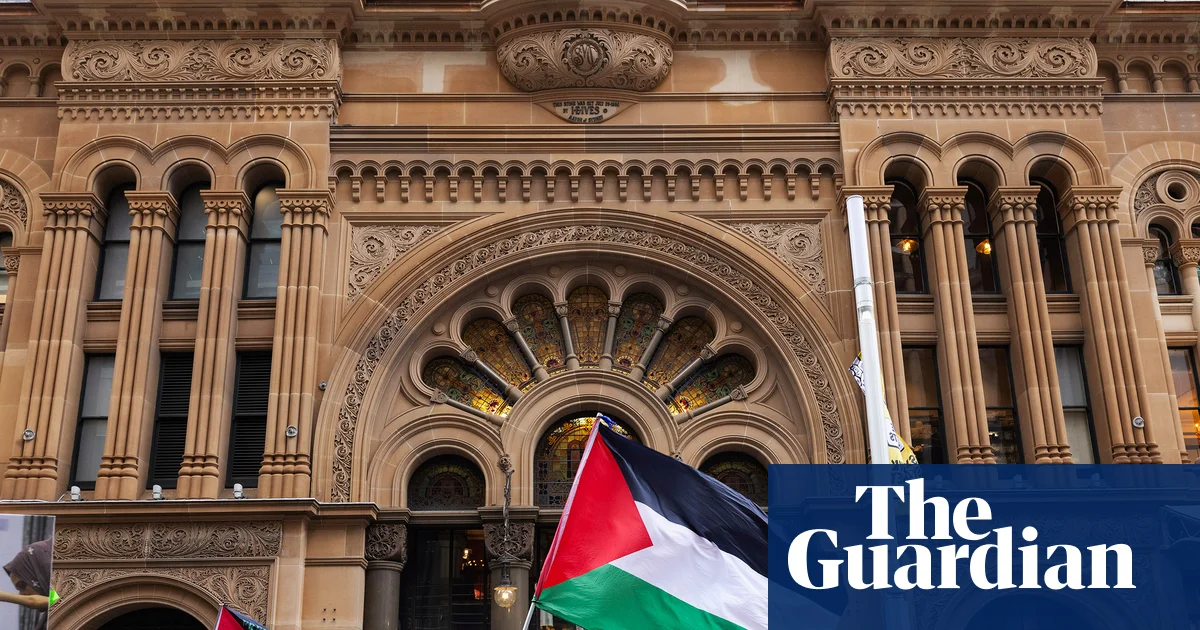
In Australia, waves of demonstrations underscore how global conflicts inexorably ripple into local political and social spheres. Tens of thousands have gathered in cities like Sydney, with organizers affirming an enduring commitment to supporting Palestine. Despite police estimates of 8,000 attendees in Sydney, reports indicate that the rallies are far larger, symbolizing widespread concern and a sense of shared responsibility among youth and activism groups. Notably, these protests aim to maintain pressure on Australian policymakers to implement more aggressive sanctions on Israel and cease trade in military equipment—a move supported by numerous analysts who see economic leverage as a vital tool for fostering real change. The significance of these protests lies not only in the numbers but in their defiance against a backdrop of international diplomacy often perceived as tepid or superficial, further exemplified by the recent Gaza ceasefire mediations.”

The protests also carried a personal and emotional weight, as many families like Shamikh Badra and Abubakir Rafiq highlighted the ongoing human tragedy—families torn apart and lives on hold while seeking justice and closure. These deeply personal stories serve as a stark reminder that decisions made on political and diplomatic levels have immediate, devastating effects on societal fabric and individual lives. International organizations, including Unrwa and Unicef, are preparing to deliver aid to Gaza, an effort seen as critical in a region where the aftermath of the recent conflict continues to threaten survival and stability.

Among the most striking features of this rising activism is the resilience of grassroots movements that challenge institutional constraints. In Sydney, protesters defied the NSW court of appeal and police opposition, demonstrating how civil disobedience remains a powerful tool for marginalized voices. Leaders like Jenny Leong of the NSW Greens have explicitly condemned the influence of Trump and his policies, warning against the dangerous precedent set when the future of Palestinians is dictated by foreign powers rather than their own communities. In history, such local acts of defiance have often foreshadowed larger geopolitical shifts, and observers warn that as conflicts persist, the struggle for self-determination and justice becomes increasingly intertwined with global power calculus.

As the world watches this unfolding narrative—a testament to the enduring complexity of geopolitics—a somber realization emerges: the decisions made in diplomatic chambers and on city streets will echo for generations to come. Each rally, each diplomatic summit, and each tragic story from Gaza and beyond weaves into the fabric of history, reminding us that in the age of globalized conflict and intervention, the fight for sovereignty, justice, and peace remains an ongoing saga where the weight of the past shapes the unpredictable contours of the future.

Social Media Auto Publish Powered By : XYZScripts.com