Matox News

Truth Over Trends, always!

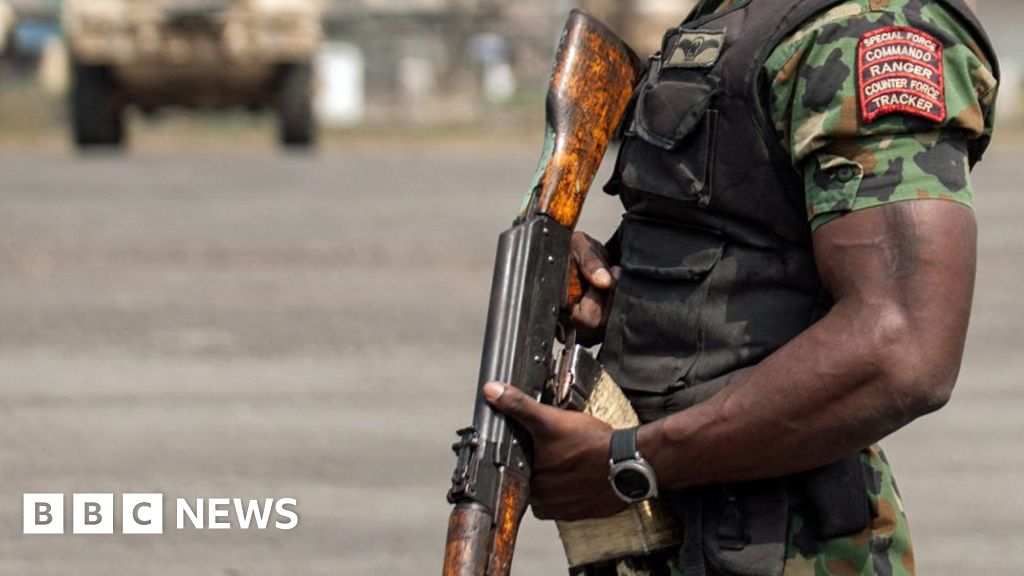
Gunmen massacre dozens in Nigeria amid U.S. military deployment escalation

The recent violence in the western state of Kwara has once again underscored the fragile security architecture in Nigeria’s socio-political landscape. According to local officials and eyewitness reports, shops and homes were torched in a brutal attack on two villages. The incident not only highlights persistent local tensions but also raises alarms about the broader stability of the region, which has long been a hotspot for communal conflicts and insurgent activity. As Nigeria grapples with multiple security challenges, analysts warn that uncontrolled violence could threaten national unity, calling into question the effectiveness of government strategies aimed at restoring peace.

The attack, described by a Kwara lawmaker, mirrors patterns seen elsewhere in Nigeria, where militant groups and ethnic tensions collide, often with devastating consequences. While authorities remain tight-lipped about the motives behind this specific assault, it comes amidst a rising tide of unrest across several northern and western states. International organizations, including the United Nations and regional bodies like the Economic Community of West African States, have repeatedly emphasized the importance of addressing root causes of violence—poverty, political marginalization, and unchecked militancy. Yet, the persistent outbreaks of violence suggest that these efforts are insufficient or perhaps hindered by deeper failures in governance and security cooperation.

Historically, analysts like Dr. Monica Brown of the International Crisis Group have pointed to Nigeria’s complex federation and ethnic mosaic as underlying factors complicating peace processes. As violence spreads and villages burn, fears are mounting among neighboring nations; the geopolitical impact extends beyond Nigeria’s borders, affecting trade, regional stability, and international perceptions of West Africa’s resilience. Countries such as Benin and Nigeria’s southern neighbors are on alert, knowing that unchecked violence can easily spill over borders—exacerbating an already volatile security environment.

In this turbulent landscape, the international community’s role remains critical. Some analysts point to the need for a cohesive strategy that combines military action with socio-economic reforms, emphasizing that true peace requires addressing systemic issues. As global powers weigh their interests, questions about sovereignty, intervention, and aid become increasingly fraught. The unfolding saga in Kwara is a stark reminder: history is never static, and today’s violence may well shape the continent’s future for generations to come. The flames of conflict burn fiercely, hinting at a turbulent chapter yet unwritten, and leaving the world to face the profound consequences of unresolved conflicts in Nigeria’s heartland.
UK sanctions RSF commander linked to Sudan massacre, BBC Verify reveals

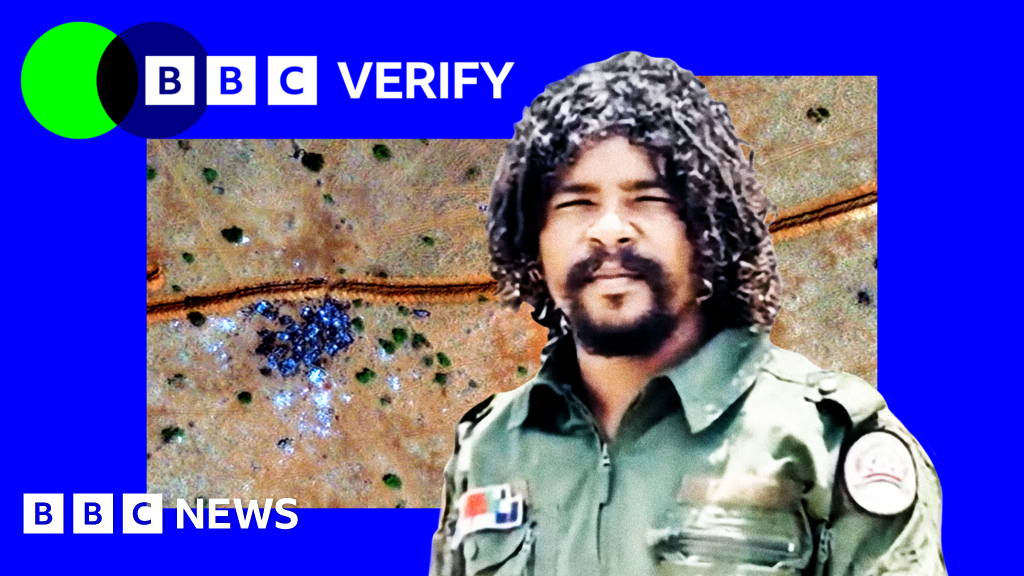
In the turbulent landscape of Sudan, recent developments have cast a grim spotlight on the ongoing civil war that has shattered the nation for over two years. The collapse of fragile alliances between the Sudanese Armed Forces and the Rapid Support Forces (RSF) has plunged what remains of the country’s stability into chaos, with the city of el-Fasher emerging as a key battleground. The recent massacre uncovered there exemplifies the brutal reality faced by civilians caught in the crossfire, with international reactions intensifying as evidence of war crimes surfaces. The UK’s decision to impose sanctions on RSF commanders, including Brig. Gen. Al-Fateh Abdullah Idris aka Abu Lulu, underscores the severity of atrocities committed, further escalating geopolitical tensions.

The UK government denounced Abu Lulu’s role in the massacre, which was documented by BBC Verify showing him executing unarmed captives after the RSF seized el-Fasher, the last major stronghold in Darfur. The footage and satellite images revealing mass graves have triggered a surge in international outrage. UK Foreign Secretary Yvette Cooper stated that these events are “a scar on the conscience of the world,” and announced targeted sanctions, including travel bans and asset freezes, against key RSF figures. This response aligns with calls from historians and analysts who warn that such blatant acts of violence threaten to ignite a wider regional destabilization, potentially drawing in neighboring countries and international powers committed to maintaining order amidst chaos.

Adding fuel to the fire, the United States has announced its own sanctions targeting a network of companies linked to mercenaries recruited from Colombia—a move highlighting the transnational nature of the conflict. Reports indicate that hundreds of Colombian fighters, including drone pilots, have entered Sudan post-2024, fighting for the RSF. President Donald Trump’s recent social media post signals a renewed U.S. focus on Sudan, pledging to “start working on Sudan,” a clear effort to stem the chaos and prevent further regional spillover. Egypt, Saudi Arabia, and the UAE have also hinted at increased involvement, underscoring the geopolitical impact of the Sudanese civil war, which is now more than just internal strife but a chessboard for international influence.

As analyses from organizations such as the United Nations warn of potential escalations, the clash does not solely threaten Sudan’s sovereignty but risks igniting a broader conflict fueled by proxy powers. Each blow, each massacre, shapes the narrative of a nation on the brink—teetering between collapse and the dawn of a new chapter in history. With the arrest of Abu Lulu and the concerted sanctions by Western powers, there is a fleeting hope that justice may be served. Still, the shadows cast by these atrocities linger, and the story of Sudan continues to unfold, a stark reminder that in the midst of turmoil, history’s hand remains heavy, and the future remains unwritten.

El-Fasher hospital worker warns of chilling terror ahead of suspected massacre exit

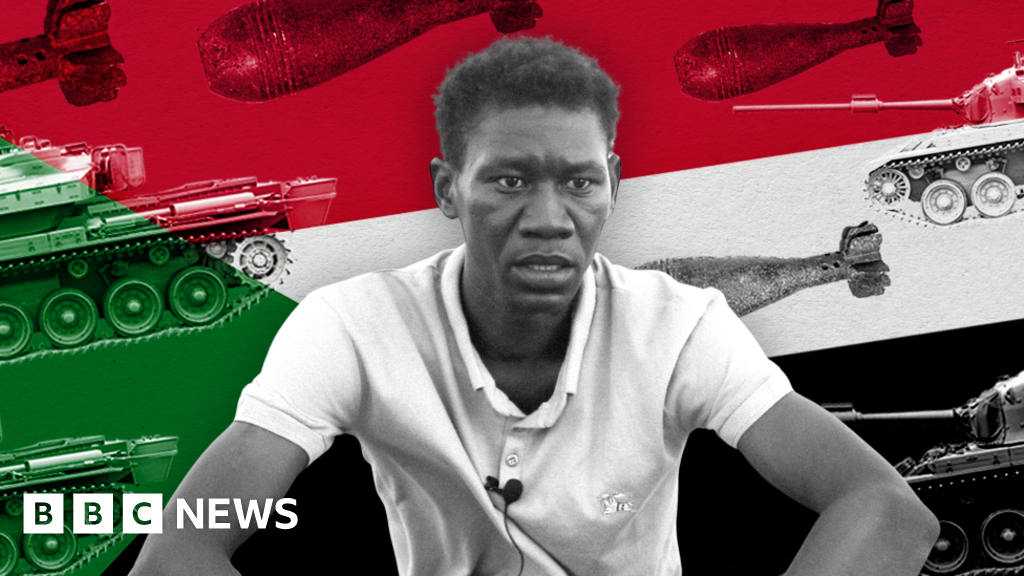
The ongoing Sudanese civil conflict has reached a catastrophic turning point with reports of mass atrocities in the city of el-Fasher. Since April 2023, a brutal power struggle between the Sudanese army and the Rapid Support Forces (RSF) has torn a nation apart, plunging countless lives into chaos, suffering, and despair. The recent escalation, especially in the western region, exposes a heartbreaking decline of humanity amid an already fragile geopolitical landscape. An eyewitness account from Abdu-Rabbu Ahmed, a doctor who survived the massacre at the Saudi Hospital, describes scenes of terror — bodies burned and buried in makeshift graves, hospitals devastated, and families shattered by violence. As analysts from international organizations highlight, this conflict is more than a domestic power struggle; it threatens regional stability and underscores the dangerous consequences when geopolitical interests collide with human rights.

Growing evidence indicates that the fighting has resulted in widespread atrocities, with satellite imagery suggesting the possibility of mass graves in el-Fasher’s hospitals and surrounding areas. Humanitarian agencies, such as the World Health Organization, condemn these acts as atrocities, while the RSF dismisses such allegations as propaganda, claiming all hospitals are abandoned. However, firsthand reports tell a starkly different story: witnesses describe bodies being dumped and set ablaze, medical staff kidnapped, and innocent civilians killed indiscriminately. These narratives, corroborated by satellite data and investigative footage, paint a grim picture of a city under siege. Historians and military analysts warn that such patterns of violence could establish a dangerous precedent for future conflicts in Africa and beyond, potentially destabilizing fragile states and encouraging similar tactics in regional insurgencies.

The geopolitical impact of this crisis extends far beyond Sudan’s borders. As neighboring nations grapple with the influx of refugees and displaced persons, global powers are divided in their responses, with some calling for intervention and others urging caution. The United Nations and regional bodies face mounting pressure to broker ceasefires, but institutional paralysis often hampers decisive action. Meanwhile, broader geopolitical interests — including strategic alliances, resource control, and influence over the Horn of Africa — complicate efforts to stabilize the country. Critics argue that foreign governments, by engaging in selective diplomacy, inadvertently embolden factions such as the RSF, worsening the humanitarian catastrophe. The loss of hope among Sudanese civilians, like Abdu-Rabbu Ahmed, serves as a stark warning of how international indifference can accelerate societal collapse. As the world’s gaze remains fixed on the unfolding chaos, many ask: how much longer can this cycle of violence continue before it tears the region apart?

The appalling images and testimonies emerge amid warnings from historians and political analysts that Sudan’s disintegration could ignite regional conflicts, drawing in rival states and creating a breeding ground for terrorism. The escalation demonstrates how international decisions—whether through embargos, peacekeeping missions, or diplomatic intervention—directly affect societal stability and the safety of millions. The conflict’s recent atrocities serve as a brutal reminder that the weight of history continues to unfurl, with each passing day shaping the future of a nation and the broader geopolitical universe. As Sudan’s cities burn and families flee, the silent question lingers: will the international community step up, or will Sudan be consigned to the pages of history as another victim of failed diplomacy and moral neglect?

Social Media Auto Publish Powered By : XYZScripts.com



