Matox News

Truth Over Trends, always!

Massive robot tribute to Lula fails to impress at Carnival showdown

In an extraordinary display of cultural expression intertwined with raw politics, Brazil’s vibrant Rio de Janeiro Carnival once again served as a stage where history and modern conflicts collide. The opening parade, known for its colorful spectacle and cultural showcases, featured a tribute to President Luiz Inácio Lula da Silva that has stirred intense debate both domestically and internationally. The samba school Acadêmicos de Niterói presented a visual narrative tracing Lula’s rise from impoverished childhood in the Brazilian northeast to his influential decades as a metalworker, union leader, and ultimately, leader of the nation. Yet, despite its cultural significance, this tribute was notably awarded last place in the competition, signaling underlying tensions within Brazil’s political climate as the October presidential election looms large.

Observers highlight that the timing of the tribute has drawn criticism from opposition factions who argue it could be an early electioneering tactic. Critics contend that publicly honoring Lula during such a politically charged season blurs the lines between cultural expression and campaign manipulation, potentially violating campaign rules designed to ensure electoral fairness. As Brazil’s opposition groups gear up for a highly contested ballot, the controversy underscores the fragile state of democracy in a nation deeply divided along ideological and economic lines. Some international analysts warn of the broader geopolitical impact—Brazil’s internal politics are increasingly seen as a bellwether for regional stability in Latin America, with Lula’s presidency being scrutinized for its potential to shift alliances and regional diplomatic strategies.

Meanwhile, another samba school, Unidos do Viradouro, claimed victory in the carnival’s competition with a tribute to their legendary drum director, further exemplifying how cultural events in Brazil now serve as proxies for larger societal debates. The symbolism embedded within these performances is not lost on international political observers, who note that carnival — far from just entertainment — has become a mirror reflecting the nation’s internal struggles. Scholars from prominent think tanks and the United Nations have analyzed how such displays influence public perceptions of leadership, governance, and national identity.

As the world watches Brazil’s vibrant streets and the unfolding political saga beneath its dazzling costumes, the stakes extend beyond entertainment. The decision to honor Lula publicly amid mounting allegations of electoral interference signifies a potential turning point in Brazil’s democratic journey, one that could resonate across the continent. As history continues to unfold in samba beats and political rhetoric, the outcome of Brazil’s October elections may yet redefine the country’s trajectory—its path a narrative written by both the voices inside its borders and those observing from afar. In the shadows of Rio’s carnival festivities, the weight of history quietly awaits its next act, reminding the world that at the heart of this spectacle lies a nation at a crossroads—one where every decision reverberates with the potential to alter the course of history itself.

Sali Hughes Declares the End of Glossy ‘Glass Skin’—Glam Beauty Is Making a Massive Comeback

The Next Big Shift in Beauty: Embracing Playfulness and Self-Expression

In a cultural landscape where monochrome minimalism and beige comforts have long dominated fashion and beauty trends, a fresh wave of dopamine-driven creativity is reshaping what it means to express oneself. The recent appointment of Chappell Roan as MAC’s new global ambassador marks an industry pivot toward experimentality, boldness, and a refusal to conform. Her glittery, grunge-inspired aesthetic symbolizes a broader societal shift where fun and spontaneity in self-presentation are increasingly valued over perfection and subtlety.

This movement is driven, in part, by social media influencers like Emily Wood, whose daring, playful makeup routines—think electric turquoise eyeshadows and spilled glitter—capture a collective desire for lighthearted self-expression. Unlike traditional beauty standards, which often emphasized polish and restraint, the emerging trend champions *sloppy*, carefree application techniques that emphasize joy, creativity, and individuality. Influencers and sociologists alike note this cultural shift as a response to years of post-pandemic austerity and social restrictions, with beauty becoming a playground instead of a battleground.

The Cultural and Social Relevance of Playful Beauty

High-profile brands are jumping aboard this movement, with collections like MAC’s Connect and In Color palettes offering a spectrum of textures—from mattes to chunky glitters—designed for carefree, unconventional application. As trend analysts suggest, the appeal lies in the **simplicity and immediacy** of these products, making playful looks accessible to all regardless of skill level. This democratization of beauty is more than superficial—it’s a statement about *reclaiming joy* and defying the rigid standards that have long defined what “beautiful” means.

Violette FR, a buzzy _cool-girl_ brand, epitomizes this ethos with its Lune Liners. The holographic finish means even the most wobbly strokes look intentional, turning makeup into a form of *visual entertainment*. Meanwhile, sociologists like Dr. Alexis Taylor highlight how this aesthetic reinvigoration acts as a form of social resistance—an assertion that *self-expression doesn’t require permission* and that beauty can be anything from a riot of colors to messy smudges, all with their own cultural significance.

Beyond the Surface: What Does This Mean for the Youth?

  • Rejection of Perfection: Young people are increasingly abandoning the pursuit of flawlessness in favor of raw, playful looks that celebrate imperfections.
  • Self-Identification and Community: Social media has created spaces where self-expression in beauty fosters community and shared identity, breaking down traditional norms.
  • Shift in Industry Standards: Brands that embrace this trend signal a move toward inclusivity, accessibility, and a focus on *fun* as a vital component of beauty.

This playful revolution signals a broader cultural question: Are we finally moving toward a society where the *authentic* and *joyful* take precedence over the *perfect* and *polished*? As influencers like Emily Wood demonstrate, makeup becomes less about transforming oneself into an ideal and more about *enjoying the act of creation*. The next question we should be asking is whether this trend will influence other facets of youth culture—like fashion, art, and even digital identities—to prioritize *personal joy and vibrancy* over traditional standards of beauty and success.

Storm Harry triggers massive landslide in Sicily, raising concerns for safety and resilience

In a stark reminder of climate-related instability, a 2.5-mile (4 km) section of coastline on the Italian island of Sicily has recently collapsed, following severe weather disruptions caused by Storm Harry. The disaster, which took place over the weekend, underscores the growing vulnerability of coastal regions to extreme weather events, a phenomenon increasingly attributed by scientists and environmental analysts to global climate change. The collapse has prompted a major emergency response, with over 1,000 residents evacuated from the towns of Niscemi as authorities scramble to assess the damage and prevent further tragedies.

The geological surveys underway reveal a troubling picture: aerial footage shows significant destruction, with buildings and vehicles destroyed or rendered inaccessible. While no fatalities have been reported, the potential for loss of life and livelihoods remains high, especially as parts of the cliff continue to *crumble*, reflecting ongoing instability in the area. This incident draws attention not just to local environmental conditions but also to overarching global concerns about climate resilience, coastal management, and international response strategies. Many analysts argue that such catastrophes are a warning sign of a changing world, where recent weather anomalies serve as a clarion call for policy shifts and technological innovations in disaster mitigation.

Historically, the Mediterranean region has been a crossroads of geopolitical tension, with Italy’s strategic position intertwined with broader European stability and security concerns. As regional communities grapple with the immediate aftermath of the landslide, experts warn of the broader, long-term implications: increased migration from vulnerable areas, economic disruptions, and the destabilization of tourism-dependent economies. The United Nations and other international institutions have called for enhanced cooperation and climate-adaptive infrastructure, but critics highlight that policy responses often lag behind the rapidly evolving threats posed by climate change.

Looking ahead, the situation in Sicily is a microcosm of a global challenge: how nations adapt to a **world where natural disasters are intensifying** and threatening societal stability. Historians and geopolitical analysts warn that decisions made in this critical era will shape the trajectory of international order. Will countries prioritize short-term economic gains over environmental sustainability? Or will they recognize that the cost of inaction far exceeds immediate sacrifices? As the climate continues to shift, impacting societies across the globe, humanity faces a moment of reckoning. The landslide in Sicily is more than a local tragedy—it is a gripping chapter in a larger story where the choices of today could either build resilience or lead to chaos, leaving the weight of history to be decided by the actions of tomorrow.

X Closes EU Ad Account Following Massive Fine: What It Means for Young Users and Trendsetting Platforms

In today’s interconnected world, social media platforms like X (formerly Twitter) are more than just outlets for personal expression—they are powerful tools shaping global societal dynamics. Recently, the European Commission1 imposed a historic $140 million fine on X, sparking a broader debate about the social responsibility of tech giants and their influence over regulatory norms. This action underscores a significant wave of regulatory pushback against tech’s unrestrained power, marking a turning point where policy makers are asserting dominance over digital platforms.

The European Commission’s move was rooted in concerns over what it termed deceptive design—specific to X’s infamous blue checkmark verification process—and a lack of transparency around advertising and access to public data. These issues are more than technical flaws; they symbolize broader societal questions: Who controls online identity? How transparent should platforms be about their algorithms? As sociologist Dr. Laura Chen notes, “These incidents highlight a shifting societal expectation that digital platforms cannot operate in a vacuum but must adhere to regulations ensuring fairness and transparency.”

This regulatory clash has been fueled by a shift in social behaviorthe aspiration for authentic digital influence—and this is visible in the way younger users consume content. Marketers and influencers recognize that quality engagement now depends on factors like video uploads and interactive formats, which platforms like X are manipulating to skew attention and reach. Elon Musk’s recent updates to the platform’s algorithm, favoring video content, exemplify this trend toward immersive, visual engagement—a move that critics say risks amplifying sensationalism. Notably, X’s senior product manager Nikita Bier claimed that the deceptive ad exploit was reset after being patched—a statement that raises questions about accountability and transparency.

It is increasingly clear that these trends are not driven solely by platform economics—they are also intertwined with the social fabric, influencing youth culture and societal norms. Trends such as

  • viral video challenges
  • short-form content dominance
  • cryptic algorithm manipulation

are shaping a new digital ecosystem where control is contested between regulators, influencers, and tech executives. The recent EU actions may just be the beginning of a new era—one in which tech companies are held accountable for how they influence perceptions and behaviors on a global scale.

As we watch this evolving landscape, an intriguing question lingers: Will these regulatory efforts succeed in curbing unchecked platform power, or will they inadvertently accelerate a new wave of innovation and user-driven change? In the end, the next big question might be whether society’s push for truly transparent digital spaces will redefine the very essence of influence in the digital age—an influence that ultimately shapes tomorrow’s cultural and social norms.

Bulgaria pulls back on budget plan after massive youth protests

In a remarkable display of civilian unrest, Bulgaria is currently experiencing one of the most significant upheavals in its recent political history. Massive protests swept through Sofia and other major cities, ignited by widespread dissatisfaction with the nation’s proposed 2026 budget. Public outrage centers around allegations of entrenched government corruption and economic mismanagement, which have, over time, eroded trust in the political elite. The protests, which included thousands of young citizens and civil advocates, marked the largest mobilization since Bulgaria’s post-communist transition, signaling a turbulent crossroads for a country that, despite recent economic reforms, remains vulnerable to internal dissent.

What stands out in this unfolding chaos is how the Bulgarian government has responded—first attempting to push through a contentious budget plan that many saw as a means to bolster corrupt practices and increase taxes. The draft budget, which was to be Bulgaria’s first delivered in euros following its recent accession to the Eurozone, was met with fierce opposition. Critics argued that the plan aimed to conceal crimes of the ruling coalition and threatened the fragile social fabric of a nation plagued by inflation fears and economic disparities. In an ultimate concession to mounting pressure, Bulgaria’s government announced it would abandon the plan, a move seen by many analysts as a victory for the protesters but a symptom of deeper systemic issues. Yet, the underlying challenge remains: how does a nation reconcile its desire for economic stability with the deep-seated corruption that continues to undermine rule of law?

Historical analysts and international organizations have warned that Bulgaria’s political landscape is extremely volatile. The country, often characterized as the EU’s “poor cousin,” has experienced a succession of short-lived governments since 2020, each promising reform, yet delivering little tangible change amid allegations of mafia influence and unchecked corruption. The European Commission and various watchdog groups have called for stronger oversight and judicial independence, emphasizing that the nation’s stability hinges on its ability to defend democratic institutions. As protests spilled into violence—masked demonstrators attacking party offices, setting bins ablaze, and clashing with riot police—the Bulgarian President, Rumen Radev, condemned the violence but also accused “provocation by the mafia,” framing the uprising as a fight against entrenched illicit power structures. His call for resignation and early elections echoes across the political divide but underscores the urgent need for systemic reforms that go beyond mere façade.

As the nation stands at this pivotal juncture, the worldwide community watches with bated breath. The decisions made in the coming weeks will dramatically influence Bulgaria’s political trajectory and its role within the European Union. The chaos underscores how longstanding corruption and economic disparities can ignite a populace’s collective rage, threatening the fragile consensus that sustains democratic governance. With the government promising a new budget process, the weight of history presses heavily on Bulgaria’s shoulders. Will it succumb to internal chaos, or will it forge a path toward genuine reform? What remains undeniable is that the outcome will shape the future of Bulgaria’s society and its journey toward integration within enduring European institutions. Like a storm gathering on the horizon, the unfolding story is a stark reminder that history’s pen still writes—sometimes in chaos, sometimes in hope, but always, inexorably, in action.

Massive roadside Cheeto draws in crowds—snack culture’s newest icon hits the scene

Embracing the Quirks: How Unusual Landmarks Shape Our Lifestyle Perspectives

In a world increasingly characterized by a quest for authenticity and *memories worth sharing*, roadside attractions like the towering, brightly colored Giant Cheeto sculpture serve more than just as photo ops—they become symbols of local culture and lifestyle shifts. This larger-than-life snack, with its vibrant orange dust and exaggerated fingers, draws crowds eager to engage with the unexpected. Such landmarks resonate particularly with the young, adventure-seeking demographic that appreciates the blending of humor, nostalgia, and a touch of absurdity to enhance their personal experience.

Many wellness and lifestyle experts highlight the importance of embracing *quirky environments* as a pathway to **mental rejuvenation** and **community connection**. According to author and mindfulness advocate Dr. David B. Krantz, engaging with playful, unconventional settings can encourage a break from the monotony and foster a sense of shared joy. As travelers and locals alike flock to these eye-catching landmarks, they participate in a broader **cultural narrative**—one that champions **individuality** and **creativity** over conformity**. The Giant Cheeto, for instance, isn’t just a funny spectacle; it’s a reflection of local identity, illustrating how communities are seizing opportunities to infuse their everyday spaces with humor and vibrancy.

Beyond their entertainment value, these attractions subtly influence personal and collective *wellness* by promoting leisure pursuits that celebrate uniqueness and foster **positive social interactions**. When young explorers document their visits and share these moments online, they often report a sense of *rejuvenation*, inspiration, and a renewed appreciation for **the simple joys of life**. Practical tips for integrating such experiences into a lifestyle include:

  • Seek out quirky landmarks during road trips for spontaneous fun and photo opportunities.
  • Share your adventures on social media to inspire others and strengthen personal community bonds.
  • Balance adventure with wellness by pairing visits to playful sites with outdoor activities like hiking or picnicking.

Ultimately, the journey toward a well-rounded lifestyle involves embracing these moments of lightheartedness, which serve as reminders that **life is as much about discovery as it is about purpose**. Whether it’s a giant snack sculpture or an obscure roadside mural, these landmarks invite us to see the world not just through a lens of productivity but through a prism of **curiosity and fun**. As cultural historian Robert Hughes once mused, *“Every city has its landmarks, and they serve as *metaphors for the human condition*—sometimes amusing, often absurd, but ultimately essential in shaping how we see ourselves and the world around us.”* So, embrace the quirks, chase the roadside curiosities, and let each discovery encourage a fresh perspective—because in the pursuit of life, *it’s the unexpected that often leaves the most lasting impression*.

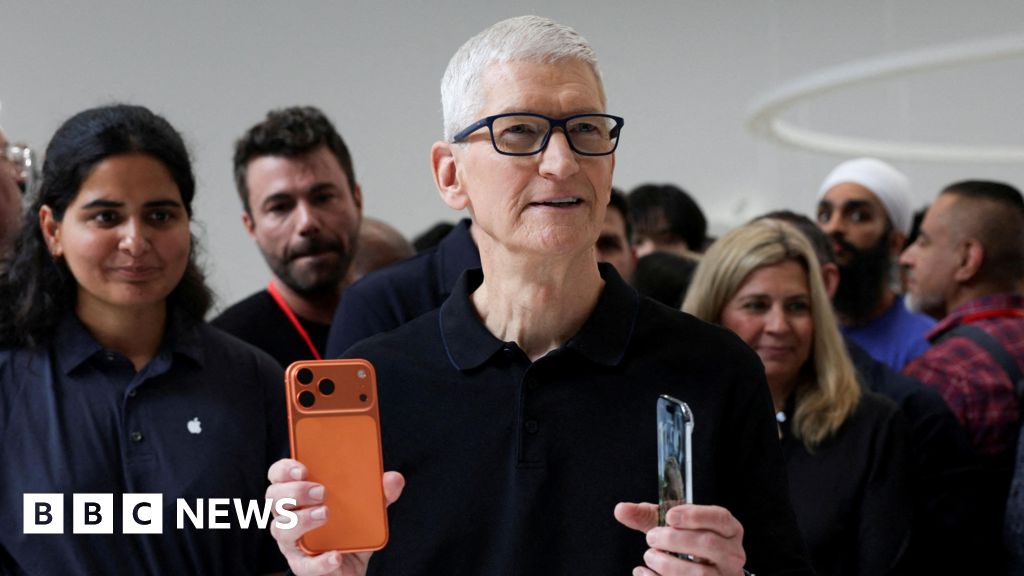
Apple touts massive global rush for new iPhones amid youth anxieties

In a world increasingly driven by innovation, America’s technological titans continue to shape the geopolitical landscape with their latest achievements and challenges. Apple, led by CEO Tim Cook, announced record-breaking financial results amid a surge in global demand for its new iPhone 17 and the ultra-slim iPhone Air. Despite supply chain constraints and recent shipment delays, especially in China, the tech giant maintains an optimistic outlook for the upcoming holiday season, predicting its “best quarter ever.” This optimism, however, is not without a hint of caution—Cook pointed to ongoing issues balancing supply and demand and the lingering impact of the US-China trade war, exemplified by tariffs enacted during the Trump administration. These trade tensions continue to cast a long shadow over global supply chains and market stability, underscoring the fragile interdependence of the world’s largest economies.

The U.S. and China are at a pivotal crossroads. Recent meetings between Donald Trump and Xi Jinping have sparked a cautious hope for de-escalating trade conflicts, yet analysts warn that the trade war’s repercussions are still Rippling through industries worldwide. Market research firms like Counterpoint report that early sales of the new iPhone 17 models in the US and China are up 14%, a promising sign for Apple’s prospects. Nevertheless, concerns about tariffs and supply disruptions remain a top priority for investors, with many watching the ongoing geopolitical tug-of-war that could either propel or hinder technological advancements globally. Experts like Harvard political analysts warn that these trade disputes could redefine the rules of international commerce, potentially accelerating the shift towards localized manufacturing and economic decoupling.

Meanwhile, in the broader tech sector, rivals like Amazon are also jockeying for dominance, with quarterly results indicating robust performance—not only in e-commerce but crucially in its cloud computing division, Amazon Web Services (AWS). As AWS’s growth accelerates at 20% year-over-year, it underscores the intensifying competition in AI-driven infrastructure—a sector seen as the battleground for the next wave of technological and geopolitical dominance. Microsoft and Alphabet are also doubling down on their AI investments, making the race for technological supremacy more fierce than ever. Analysts contend that this AI race will influence global power dynamics, as nations align their economies to harness its vast potential, but also prepare for the strategic threats it poses. The geopolitical implications are profound, with each corporate move echoing national security concerns, and the world teeters on the brink of a new technological era that could reshape power structures in ways yet unseen.

As history nears yet another defining chapter, the narrative looms with a weight of the potential for both progress and chaos. The decisions made by superpowers, corporations, and international institutions today will echo through generations, carving the contours of a future where technology, trade, and sovereignty collide on the global stage. The unfolding story of America, China, and beyond is a testament to the relentless pace of change—an ongoing battle for influence that could redefine not just economies, but the very fabric of societies worldwide. In this volatile arena of innovation and geopolitical shifts, one thing remains certain: the future is unwritten, and history’s next great chapter is still awaiting its pen stroke.

India Bus Fire: Smoldering Smartphones Fuel Massive Blaze

The recent tragic bus fire in India has reignited urgent questions about the nation’s safety protocols, infrastructure resilience, and the broader implications for its economic and geopolitical stability. The incident, which claimed at least 20 lives and was intensified by hundreds of smartphones onboard, underscores the perilous combination of outdated safety standards and the rapid technological integration within a rapidly developing economy. As investigators probe the cause, the specter of negligent oversight looms large—raising alarms that extend beyond national borders and signaling an urgent need for systemic reform.

Initial reports indicate that the blaze erupted after a collision involving a motorcycle, which ruptured the fuel tank and triggered a devastating explosion. However, forensic officials have pointed out that the flames’ ferocity was significantly exacerbated by the presence of lithium-ion batteries in hundreds of smartphones, valued at millions of rupees, being transported from Hyderabad to Bengaluru. This underscores a broader industrial predicament: lithium-ion batteries, while vital for today’s consumer electronics, pose grave fire risks when damaged. Their propensity for thermal runaway—an uncontrollable rise in temperature—can cause fires that defy conventional firefighting methods, with catastrophic consequences. This incident exemplifies how the intersection of burgeoning e-commerce logistics and inadequate safety controls can lead to tragedy, with potential ripple effects across South Asia’s supply chains.

  • The fire’s devastation was compounded by the explosion of electrical batteries used for the bus’s air conditioning system, according to local fire officials, who described fragments of bones and ash amidst the wreckage—a stark reminder of the event’s brutality.
  • Authorities are investigating whether negligent driving or poor maintenance contributed, especially considering the bus driver fled the scene and the motorcyclist, who was involved in the crash, is among the deceased.
  • India’s widespread issues with overcrowded buses and lax safety regulations remain a longstanding concern, with the nation recording the highest number of road accident fatalities globally last year. Such incidents reveal systemic vulnerabilities that threaten both domestic stability and international perceptions of India’s infrastructure capabilities.

The embedded challenges extend far beyond individual tragedies, echoing broader geopolitical consequences. As analysts and international organizations observe, India’s persistent safety lapses threaten its rising economic stature and foreign investment prospects. The incident serves as a haunting reminder that, while India seeks to position itself as a global economic hub, its internal systemic issues—corruption, outdated regulations, and underfunded safety standards—put its trajectory at risk. As noted by geopolitical experts, the *stability of infrastructure and safety standards directly influences international confidence*—a critical factor as India assumes greater responsibilities within the BRICS alliance and as a pivotal player in the Indo-Pacific strategic landscape.

Looking ahead, the incident raises vital questions about the how decisions made today will shape the future of South Asia. Will there be meaningful reforms in safety protocols and supply chain security? Or will economic ambitions overshadow caution, risking more tragedies and undermining efforts for sustainable growth? Once a symbol of cultural resilience, India now finds itself at a crossroads—where the weight of history demands improved accountability and infrastructural resilience. The fire’s ashes serve as a grim portent of what may come if systemic shortcomings remain unaddressed, leaving future generations to grapple with the consequences of today’s perilous neglect. The unfolding narrative reminds the world that as history continues to be written, every decision bears the power to either forge a resilient nation or fuel the flames of chaos and destabilization.

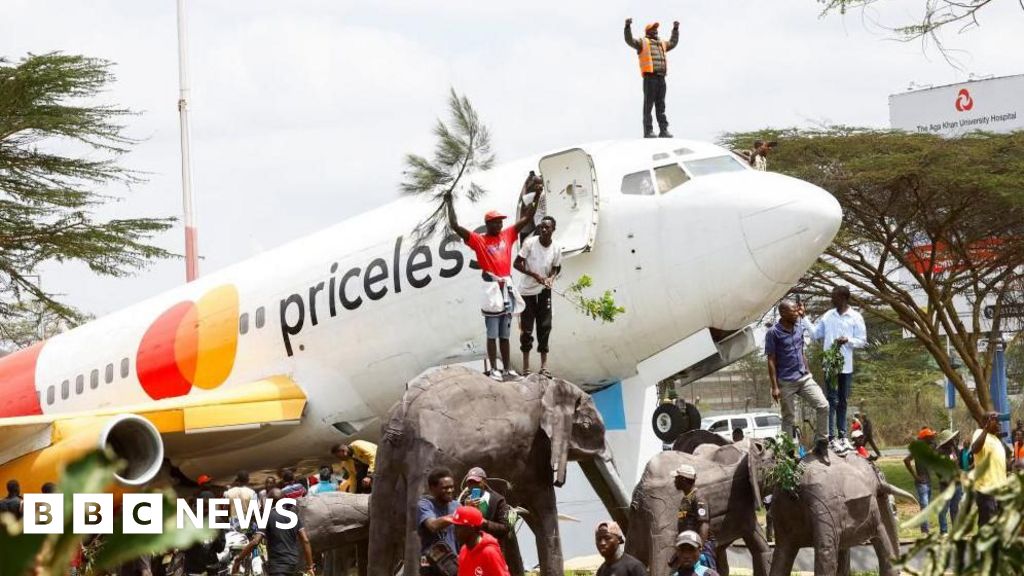
Kenyan Airport Closes as Youths Gather in Massive Welcome for Ex-PM's Body
Kenyan Airport Closes as Youths Gather in Massive Welcome for Ex-PM’s Body

In a dramatic turn that has gripped Kenya and reverberated across the African continent, the nation is currently grappling with the loss of Raila Odinga, a towering figure in Kenyan politics. His death in India at age 80, following a cardiac arrest, marks not just the end of a political era but signals an imminent shift in the nation’s political landscape. Thousands of Kenyans gathered in mourning, breaching security at Jomo Kenyatta International Airport to receive his body—a clear indication of the deep emotional and political connection Odinga commanded. Authorities had to suspend operations at the airport amidst the chaos, illustrating how his influence transcended politics, resonating with the very fabric of Kenyan society.

This unprecedented turnout underscores Odinga’s role as a unifying yet contentious figure whose politics mirror the nation’s complex identity struggles. Recognized internationally, Kenyan officials and world leaders have poured out condolences, with Indian Prime Minister Narendra Modi hailing Odinga as a “towering statesman” and “a cherished friend of India.” Such sentiments highlight his diplomatic significance and the enduring bonds between Kenya and many nations, especially in a global environment increasingly marked by geopolitical competition and shifting alliances. Back in Kenya, President William Ruto—who now inherits Odinga’s political mantle—praised him as a “beacon of courage” and the “father of our democracy.” A seven-day mourning period and a state funeral with full military honors further cement Odinga’s legacy, setting the stage for his influence to continue shaping national policies and societal outlooks.

The circumstances surrounding Odinga’s death expose the delicate internal dynamic within Kenya. Despite his repeated presidential campaigns—losing five times—his persistent opposition work made him an icon of resilience, inspiring millions and challenging entrenched political structures. The decision to move his public viewing from Parliament to Nairobi’s Moi International Sports Centre responds to the extraordinary national outpouring, indicating his widespread impact. International analysts suggest that such a response reflects Kenya’s own internal tensions—balancing tradition with the revolutionary fervor of its youthful population—while demonstrating the power of a leader who, despite setbacks, remained a symbol of hope and resistance.

As global institutions monitor this moment, the geopolitics of Africa faces a major crossroads. Odinga’s death comes at a time when Russia and China are increasingly vying for influence across the continent, while the United States seeks to sustain its strategic partnerships. His political journey embodied the struggle of balancing domestic democratic aspirations with external geopolitical pressures, a challenge faced by many emerging nations in the 21st century. What Kenyan society chooses next could serve as a bellwether for regional stability and the future of democratic governance across Africa. As history’s pages turn, the weight of Odinga’s legacy presses heavily upon the nation. His life—marked by resilience, opposition, and unyielding dedication—becomes a chapter in the unfolding narrative of a continent on the cusp of transformation. The question now is whether Kenya will forge a new path inspired by his ideals or succumb to the turbulence that has long defined its political landscape, leaving the world to wonder: who will shape the next chapter of this historic story?

Concerns Grow Over Equity Policies Could Trigger Massive Protests Over Use of Actors’ Images in AI Content

In an era marked by rapid technological advances, the film industry and trade unions worldwide find themselves at the forefront of a growing battle over AI-generated content and the infringement of intellectual property rights. The UK-based union Equity, representing 50,000 performers, has announced plans to coordinate mass data requests to tech giants and production companies, aiming to uncover whether personal data—especially images and voices of actors—are being used without their informed consent. This move signals a significant shift in how creators and performers are asserting their rights in the digital age, amid widespread concerns about unauthorized use of personal likenesses and the moral implications of AI’s increasing dominance.

Recent cases, such as that of Briony Monroe, a Scottish actress, have underscored the tangible risks faced by performers. Monroe claims that her image and mannerisms were scraped from her body of work and incorporated into a digital character named Tilly Norwood—a fully synthetic AI actor created by Xicoia. Despite denials from the company, Monroe’s accusations reflect an unsettling trend where AI firms utilize personal data to craft digital replicas, often without explicit permission. Historians and analysts warn that this development could undermine the very essence of human creativity, as the line between authentic performance and algorithm-driven mimicry becomes increasingly blurred. The industry’s failure to establish clear protocols or transparency about data sourcing raises grave concerns about moral compromise and the erosion of performers’ rights.

The geopolitical impact of this confrontation extends beyond the UK. Major international organizations, including the World Intellectual Property Organization and the European Data Protection Board, are monitoring these disputes, which threaten to redefine frameworks of copyright law and personal privacy. Critics argue that AI companies have trained their models on content obtained from existing films and television without proper permissions, thereby disrupting global copyright norms. The tensions resonate with broader debates about sovereignty and digital control, especially as nations like the United States and China accelerate their AI development efforts. Major tech firms are accused of reckless data scraping, potentially setting a dangerous precedent where intellectual property can be exploited on a massive scale, without immediate repercussions.

Amidst this upheaval, industry leaders and international lawmakers are under pressure to create enforceable regulations that balance innovation with moral responsibility. The Deputy Chief Executive of the Pact trade body, Max Rumney, emphasizes the importance for production companies to embrace AI responsibly to avoid disadvantaging those who adhere to fair practices. However, the lack of transparency from AI tech companies regarding their data sources remains a core issue. As Geneva-based experts warn, unless regulatory frameworks adapt swiftly, the industry risks devolving into an unchecked digital wild west where creators are exploited and society’s cultural fabric is irrevocably altered. The battle over AI’s place in creative realms is, at its core, a fight for humanity’s moral and legal sovereignty—one that will shape the future of global entertainment, societal values, and the very fabric of what it means to create.

In the unfolding narrative of this digital age, history is watching as the actors, creators, and nations stake their claim. Perhaps the most profound question remains: will the emerging AI-driven content forge a new era of innovation rooted in human expression, or will it become a tool of exploitation—an echo of a once-clear boundary, now blurred into obscurity? The answer lies at the intersection of law, morality, and technological mastery, where the weight of history is silently poised to record the choices we make today—choices that will echo through generations to come.

Social Media Auto Publish Powered By : XYZScripts.com