Matox News

Truth Over Trends, always!

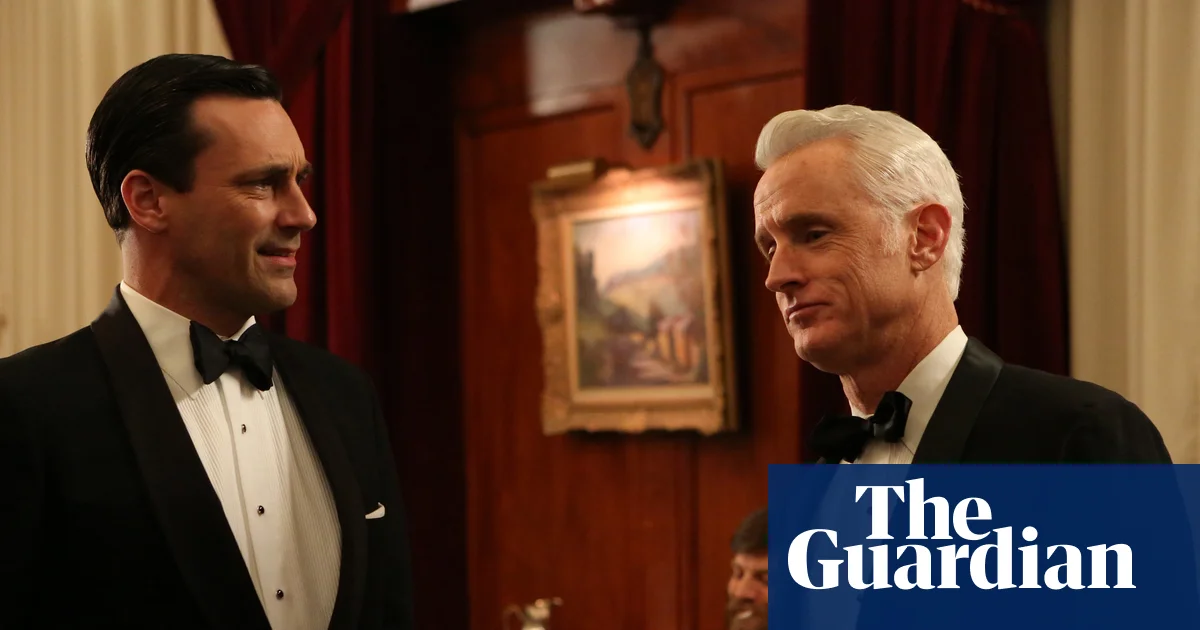
Mad Men Now Streaming on HBO Max — Fans Spot Rocky Mistakes in Classic Series

Global Impact of Entertainment and the Lessons it Still Holds

In an era where media industries are increasingly intertwined with geopolitical interests, the recent mishaps in the HBO Max re-release of Mad Men serve as a stark reminder of the global influence of cultural products. The decision to restore this groundbreaking series in 4K has rekindled popular interest and demonstrated how entertainment can shape societal perceptions, even amidst technical pitfalls. Yet, behind these glossy remasters lies a larger narrative—one of technological dominance, international competition, and the relentless quest for cultural supremacy.

Historically, the television industry has played a pivotal role in shaping national identities and soft power, especially as countries seek to project influence internationally. The controversy surrounding the HBO Max restoration—episodes being out of order, visible crew members, and social media viral moments—highlight an underlying tension: the importance of maintaining cultural artifacts with precision and care. This isn’t simply about entertainment; it is a reflection of who controls the narratives and how societies see their past. Critics such as international media analysts argue that these seemingly trivial errors symbolize a broader crisis: the encroachment of global corporations into culturally sensitive domains, often at the expense of authenticity.

Moreover, the mishandling of Mad Men’s re-release mirrors earlier incidents, like the infamous Starbucks coffee cup incident in Game of Thrones’s final season. Despite the humorous viral response, it underscored how international media conglomerates often prioritize quick fixes over meticulous quality control, thereby impacting their credibility on the global stage. This pattern is not merely a matter of poor editing but an illustration of the pressures faced by multinational entities under the specter of hyper-competition. How these errors are perceived internationally can influence perceptions of a nation’s technological capability and geopolitical standing. According to global media watchdogs, such lapses—while seemingly superficial—can serve as symbols of declining standards and international vulnerability.

Yet, the story extends beyond media missteps to a broader geopolitical narrative. Historians and analysts observe that cultural dominance is a strategic component of soft power, especially in the context of U.S.-China and Russia rivalry. As China invests heavily in exporting its media and cultural products globally, Western firms face mounting pressures—and scrutiny—in safeguarding their cultural heritage. The errors in restoring classic shows, though minor, may be exploited by adversaries to question the robustness of Western technological and cultural leadership. It underscores that every digital misstep is more than an operational flaw; it is a part of the ongoing struggle to define the global narrative.

In the final analysis, the unfolding saga of HBO Max’s restoration errors embodies the high-stakes nature of cultural preservation in a fractured world. Every glitch, every mislabeled episode, echoes the tension between technological innovation and international influence. As history continues to unfold, it is vital to recognize that these seemingly small moments—like crew members manning fake vomit machines—are, in fact, emblematic of much larger conflicts. The weight of history remains heavy on this digital stage, as nations and societies grapple with their place in an ever-changing geopolitical landscape, where control over cultural artifacts may ultimately determine the future of soft power in the 21st century.
Top 50 Must-Watch Shows on HBO Max This November — Stay Ahead of the Curve

HBO Max’s Evolution Reflects Broader Disruption in Streaming & Original Content Innovation

In an era marked by rapid technological shifts and fierce industry disruption, HBO Max exemplifies the strategic resilience and pioneering spirit necessary to remain relevant. Once lauded as a premier streaming service, HBO Max is now navigating a transformative phase driven by content diversification, technological innovation, and the relentless pursuit of business disruption. Despite facing challenges to its former prestige—highlighted by waning subscriber growth and intense competition from newcomers like Netflix and Disney+—the platform continues to push boundaries by investing in groundbreaking series and embracing new content formats that could reshape how audiences consume stories.

The platform’s foray into original programming underscores a broader industry trend: the shift from traditional broadcasting models to a business landscape where innovation and disruption serve as core survival strategies. Critics point to HBO Max’s decisive move in developing genre-defining series such as The White Lotus, Industry, and Dune: Prophecy, which encapsulate its commitment to a disruptive business model—one that leverages premium content to secure a dedicated niche amidst a crowded market. These offerings not only reinforce HBO Max’s brand as a haven for premium storytelling but also exemplify how streaming services are innovating through content that challenges industry norms and expectations, a move echoed by forward-thinking institutions like MIT’s Media Lab and analysts from Gartner who emphasize the importance of agility in media business models.

Disruption Through Innovation: Moving Beyond Conventional Narratives

The platform’s recent slate reveals a strategic pivot toward technologically innovative storytelling—from integrated AR/VR experiences to sophisticated narrative structures tailor-made for a younger, tech-savvy audience. Series like Tokyo Vice, which merges investigative journalism with high-stakes crime drama, leverage cutting-edge visual effects and multi-platform storytelling to amplify viewer engagement. Simultaneously, HBO Max’s dark and surreal offerings, such as Rain Dogs and True Detective: Night Country, exemplify the industry’s move towards more immersive and complex genres, disrupting traditional TV formats and setting new storytelling standards.

  • Expansion into global markets: HBO Max’s first Spanish series, When No One Sees Us, indicates a strategic diversification aimed at capturing and disrupting regional markets.
  • Innovative sub-genre exploration: Shows like The Franchise, which satirizes superhero universes, exemplify an industry trend towards meta-commentary and genre-blending that appeals to younger audiences eager for fresh narratives.
  • Enhanced viewer engagement: Utilizing AI and data analytics, HBO Max is reportedly exploring personalized content delivery, targeting market segments with tailored storytelling—an urgent response to how audiences demand more interactive experiences.

Business Implication: Realigning Strategies for Future Dominance

The ongoing transformation at HBO Max underscores the imperative for disruption-oriented business strategies. As industry experts from Gartner warn, traditional media models are increasingly untenable in the face of digital-native competitors and changing consumer expectations. HBO Max’s investment in intellectual property that merges high-concept narratives with technological advancements signals a recognition that future success hinges on agile adaptation and innovative content differentiation. This approach resonates with futurists like Peter Thiel, who argue that privileged monopoly positions in emerging spaces—such as immersive streaming and interactive content—are critical for sustained growth.

Looking ahead, the challenge for HBO Max—and similar platforms—is to harness these innovations not merely as gimmicks but as transformative business levers. The platform must continuously iterate on content delivery mechanisms, embrace global diversification, and invest in emerging tech to outpace rivals. Its ongoing series, including the upcoming First Day on Earth and a renewed True Detective, are only signs of a larger wave: the dawn of a new epoch where disruption and innovation are the currency for dominance in the streaming economy. To succeed, HBO Max and industry leaders must act swiftly before their competitors—digital giants and tech disruptors—seize the future, leaving traditional models—and perhaps even HBO Max itself—rendered obsolete.

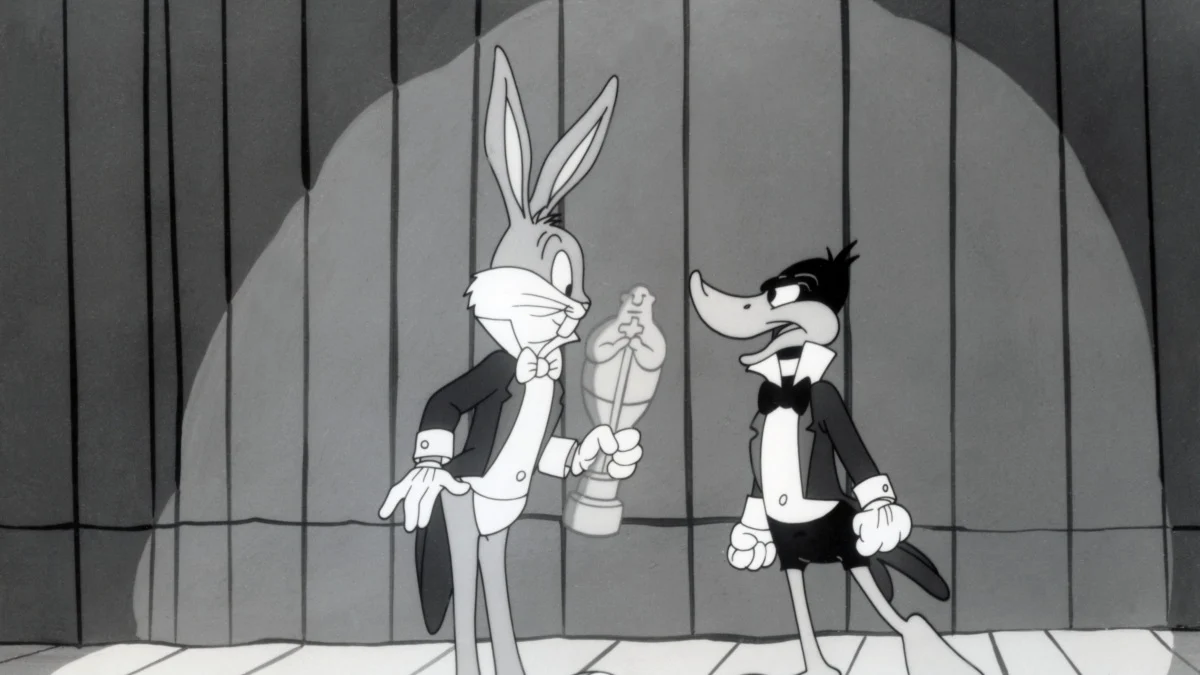
‘Looney Tunes’ Makes a Epic Comeback on Tubi After HBO Max Exit — A Win for Fans and the Modern Squad

For millennials and Gen Z, Looney Tunes has long been a nostalgic staple—an iconic symbol of childhood innocence and humor. Yet, 2023 and beyond have marked an unexpectedly turbulent chapter for this beloved franchise. Warner Bros. Discovery, in a move that baffled many fans, scrapped the completed Coyote vs. Acme film, merely for tax advantages, showcasing how corporate priorities are reshaping the landscape of entertainment. The story took an intriguing turn when this film was subsequently acquired by Ketchup Entertainment in 2025, set to hit theaters in 2026. Meanwhile, Warner Bros. shifted its focus away from the classic shorts library, removing it from HBO Max—an act seen not just as a business decision but as a cultural gamble to redefine what “classic” actually means in today’s digital era.

This pivot reveals more than just corporate strategy; it underscores a **shift in how society interacts with nostalgia**. By pulling classics from traditional streaming platforms like HBO Max and reintroducing these stories through newer channels, streaming services like Tubi are rewriting the rules of cultural preservation. Since acquiring 789 episodes of Looney Tunes, Tubi has seen an astounding increase in viewership, with the cartoons landing in the platform’s Top 10. This isn’t just about entertainment—it’s about fulfilling an emotional connection to childhood memories, even in an age where youth culture is often dictated by fleeting trends and viral sensations.

  • Tubi has transformed classic cartoons into binge-worthy, ad-supported episodes, maintaining the familiar TV experience that resonates with audiences’ desire for comfort and nostalgia.
  • The reintroduction of cartoons like Tom and Jerry, The Pink Panther, and Popeye emphasizes a **deliberate focus on retro content**, positioning streaming as the new Saturday morning cartoon hub for young viewers and adults alike.

This approach reflects a **social revolution in media consumption**—where *nostalgia* becomes a strategic asset in a market saturated with fast-paced entertainment. Media analyst and sociologist Dr. Lisa Grant notes that “streaming platforms are tapping into a collective desire for **authentic, simple storytelling** that evokes emotional nostalgia, acting as a cultural respite from the chaos of modern life.” For younger audiences, this signals a *cultural shift* where the past becomes the most reliable source of comfort and shared identity. TV critic Alex Martinez argues that “repackaging classic cartoons into short episodes with modern advertising models bridges generational gaps, making the old feel new again—in a way that’s both *market savvy* and socially meaningful.”

Yet, beneath the surface of this revival lies a question that could determine the future of entertainment: Will the resurgence of old-school cartoons shape how society defines ‘authenticity’ in digital content? As streaming giants and independent distributors leverage nostalgia as a driving force, the line between *original* and *recreated* content blurs. Perhaps the next phase isn’t just about bringing classics back, but reimagining what they represent in a rapidly evolving cultural landscape. The real challenge for creators and corporations alike is to ask whether this trend will foster *true cultural continuity* or merely serve as a fleeting marketing fad—something that remains to be seen as the entertainment world continues its digital transformation.

Social Media Auto Publish Powered By : XYZScripts.com