Matox News

Truth Over Trends, always!

Green Party backs former mayoral hopeful for Gorton and Denton byelections, shifting focus to future leadership

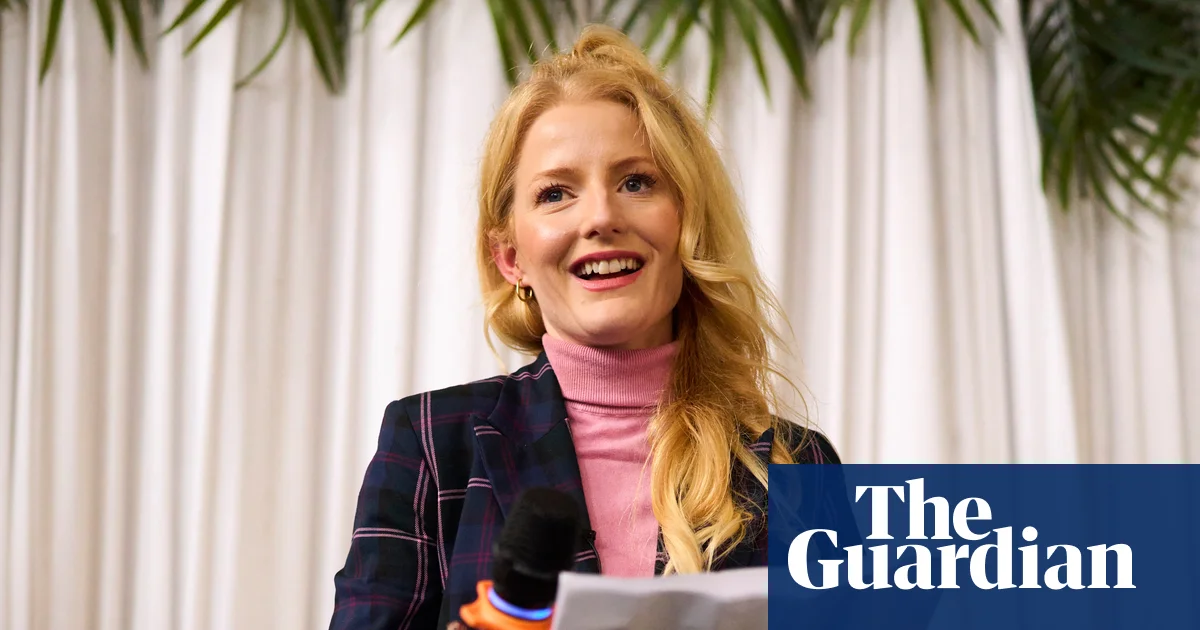
The upcoming byelection in Gorton and Denton has become more than a simple electoral contest; it symbolizes deeper social and cultural shifts within the communities of Greater Manchester. With the Green party selecting Hannah Spencer, a councillor and former mayoral candidate, as their candidate, this race highlights the growing influence of youth-oriented, environmentally-focused politics that challenge traditional party dominance. Spencer’s background as both a community member and trade professional exemplifies a shift towards candidates who embody local roots and diverse experiences, resonating with a population increasingly disillusioned with the status quo.

This race is unfolding amidst a fractured political landscape where social issues—from economic inequality to cultural identity—are shaping voter sentiment. The Labour Party, traditionally dominant in the area, is facing stiff competition from Reform UK and the Greens, each representing contrasting visions for the future of society. Labour’s campaign’s emphasis on experience, rooted in their local and national networks, seeks to appeal to voters who value stability and tradition. In contrast, the Greens, led by Zack Polanski, are framing the contest as a “battle for the soul of the nation”, underscoring a desire among younger voters to push for progressive change and environmental justice. This political clash is not merely about policies but about the cultural identity and moral direction of the community, which is sharply divided along generational and ideological lines.

Social tensions are further exemplified by the Green party’s recent endorsements and their outreach efforts. Backed by groups like the Muslim Vote, their support in a constituency with roughly 30% Muslim constituents signals a conscious effort to address **cultural representation and inclusivity**. Such moves reflect a broader challenge minorities and marginalized groups face worldwide: balancing tradition with the push for social acceptance and political influence. As sociologists like Arjun Appadurai have noted, societies are increasingly fractured along lines of ethnicity and faith, yet also eager for a sense of belonging and agency. The Greens’ emphasis on engaging these communities indicates a recognition that future societal cohesion depends on constructive dialogue and representation, even as it stirs debate about social cohesion versus cultural integration.

The families and communities impacted by this electoral contest face very tangible issues: economic opportunities, social inclusion, and cultural identity. The decline of traditional industries and the threats to local jobs create a backdrop where young families seek new pathways to stability, while cultural tensions can either divide or unite depending on how issues are approached. As historian Eric Hobsbawm warned, societal change often occurs through what he termed “the long 19th century of social upheaval,” reminding us that the societal clarity sought in elections is often the result of ongoing, complex struggles. The choices made in Gorton and Denton will resonate beyond these walls, reflecting the society’s capacity to embrace change and tradition alike.

Ultimately, this byelection underscores a society at a crossroads—facing the call for renewal amidst division. Its outcome will signal not just political shifts but reveal how communities choose to navigate the delicate balance of progress and preservation. As society stands on this precipice, one is left pondering—a society’s greatest hope is not in the absence of conflict but in its willingness to transform conflict into conversation, fear into understanding, and division into unity. Only then can the promise of a society that truly reflects its people be realized, shining a hopeful light on the horizon of future generations.
No 10 delays four England mayoral votes, sparking claims of undermining democracy

Society Reacts to Postponement of Key Local Elections in England

The recent decision by the government to delay mayoral elections in four regions of England—namely Greater Essex, Norfolk and Suffolk, Hampshire and the Solent, and Sussex and Brighton—has ignited a firestorm of controversy. Originally scheduled for this year, these elections have been pushed back until 2028, ostensibly to allow more time for local government reorganization. Critics, however, argue that this move is less about administrative efficiency and more an overreach that undermines democratic principles. The postponement threatens to disenfranchise approximately 7.5 million voters, raising serious questions about the integrity of local governance and the foundational right to democratic participation.

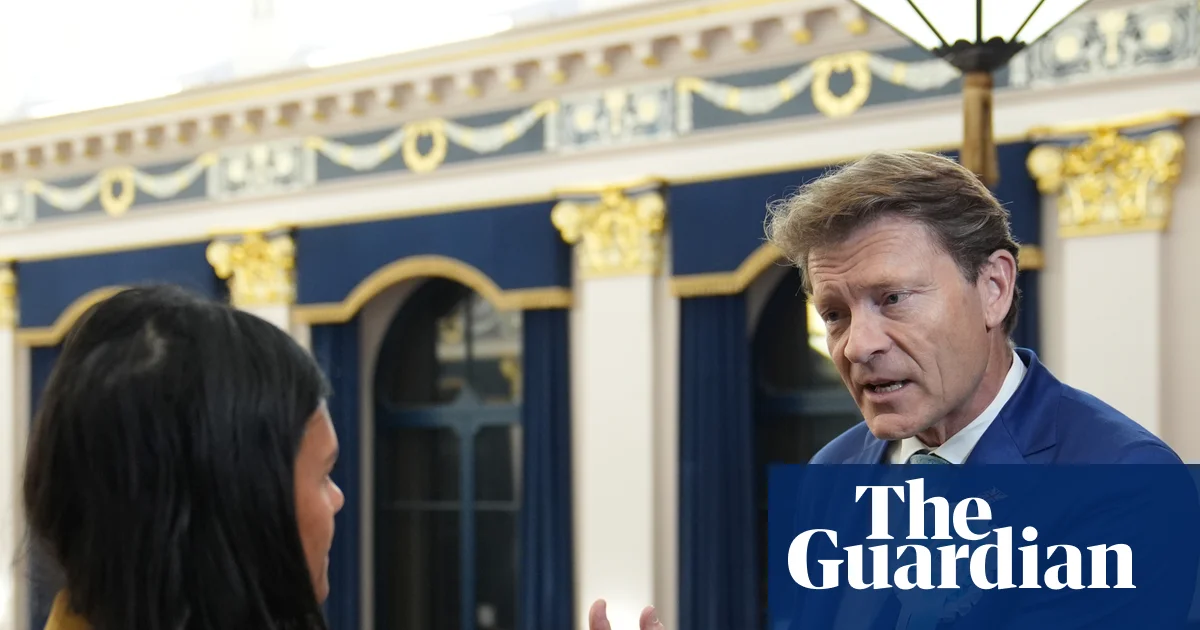
Social commentators, including sociologists and historians, express concern that such postponements could set a dangerous precedent for the erosion of democratic accountability. They warn that in societies where local elections are deferred or canceled, it often signals a drift towards authoritarianism or at least an undermining of the collective voice. Opposition parties, such as the Liberal Democrats and Reform UK, have condemned the move as a blatant attempt by the ruling Conservative government to hijack the democratic process. Richard Tice, Reform UK’s deputy leader, likened the cancellation of elections to practices seen in dictatorial regimes, asserting that “7.5 million people are now going to be denied the opportunity of voting in mayoral elections.” This rhetoric underscores the fears that such delays may further polarize communities and weaken the social fabric that holds them together.

At the heart of this debate is the impact on families, local communities, and the quality of education. Many argue that postponing elections disrupts community engagement and stifles voices, especially as the government claims the delays are necessary for “getting it right,” yet critics contend that the true motivation is political self-preservation. Meanwhile, the moral and human implications of this delay are profound: it deprives residents of the opportunity to shape policies that directly affect their livelihoods, from education funding to social services. As *sociologists like Seymour Martin Lipset* have noted, “democracy involves not just the process of voting but the ongoing engagement and empowerment of communities.”

  • Postponement affects approximately 7.5 million voters
  • Delays aim to facilitate local government reorganization
  • Opposition parties argue it undermines democratic rights
  • The move coincides with a surge in Reform UK’s local electoral success

As society grapples with these challenges, the overarching question remains: will democracy’s voice be silenced in the pursuit of political expediency, or will communities find renewed strength to demand accountability?

In the silent corridors of local councils and in the bustling streets of communities left waiting, the answer will decide the moral compass of the society we are forging. Society stands at a crossroads—where the true measure of a nation’s strength is not in its institutions alone but in the resilience of its families and the hope that even in the darkest hours, transformative change can be born from the collective will of its people.

Zohran Mamdani Closes Gap to Claim NYC Mayoral Victory

New York City’s New Mayor Reflects Shifting Geopolitical and Societal Tensions

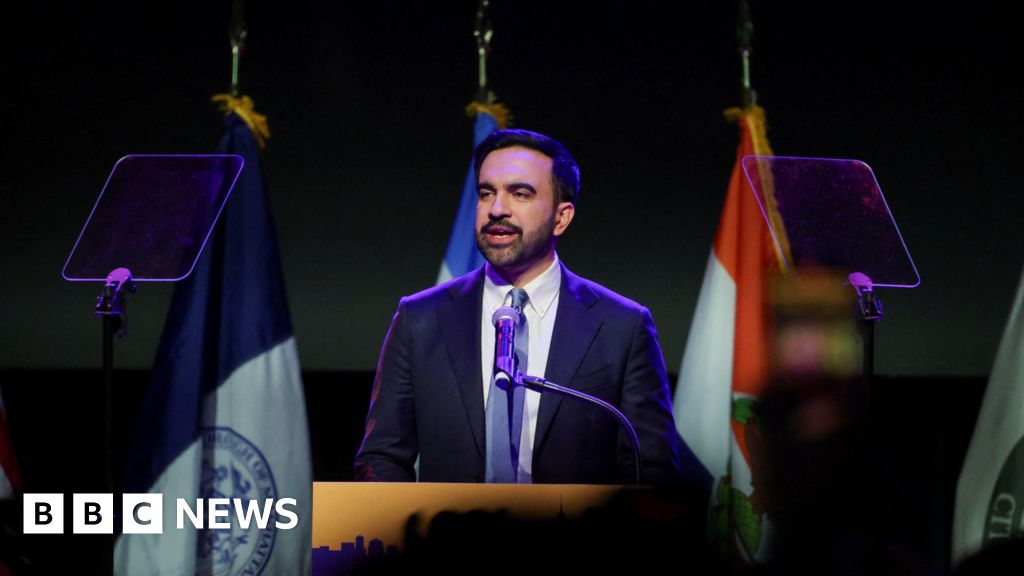
In a landmark victory that resonates far beyond the borders of the United States, Zohran Mamdani has been elected mayor of New York City. At just 34, Mamdani’s ascendancy marks a profound turning point: the emergence of a youthful, progressive leader anticipated to challenge the city’s political elite and redefine its social agenda. His victory signifies more than local politics; it heralds a nuanced shift in the geopolitical landscape, indicating a possible recalibration of American urban centers towards a more radical leftist future amid an escalating global ideological rivalry.

Throughout his campaign, Mamdani explicitly centered his platform on affordability, social programs, and taxing the wealthy—stances that align with broader left-leaning currents pulsating through many Western democracies. Despite limited initial recognition, online momentum propelled him to triumph over seasoned contender Andrew Cuomo, a move seen as a symbolic overthrow of entrenched political dynasties. Global analysts and historians view this as part of a larger pattern where urban centers are increasingly reflecting youthful discontent with traditional elites, prompting a reevaluation of governance models that could influence international political dynamics. In particular, Mamdani’s position as the first South Asian and Muslim mayor of New York underscores a message of diversity, but also raises questions about his capacity to manage a city with over $100 billion in annual budget. Critics warn that such ambitions could intensify existing ideological clashes, especially amid rising tensions with the federal government under President Donald Trump.

It is impossible to overlook the international geopolitical implications of this U.S. citywide shift. Donald Trump has openly attacked Mamdani, branding him a communist and threatening to withhold federal funds—an indication of how internal American politics now spill over into global discourses of governance and ideology. Republican critiques frame Mamdani’s victory as evidence of a “radical, big-government socialist” trend, echoing concerns prevalent in conservative circles across Europe and Oceania. Meanwhile, the Democratic establishment faces a dilemma: are they supportive of fresh, youth-driven leadership that echoes broader societal demands, or are they retreating into a cautious posture that risks alienating younger voters? The repercussions of this internal struggle extend beyond city limits, as international organizations and think tanks analyze whether these shifts presage a new epoch of American political identity—one that could ripple outwards, strengthening ideological alliances, or provoking backlash from conservative allies.

Other Key Elections and the Battle for Control

  • The Virginia and New Jersey gubernatorial races underscored a trend of modest victories for centrist Democrats, suggesting an undercurrent of desire for pragmatic leadership amid the ideological turbulence.
  • In California, voters approved a groundbreaking measure—Prop 50—to redraw electoral boundaries favoring Democrats, a strategic move aimed at consolidating influence ahead of the 2024 midterms. Such redistricting battles underscore how internal US contests are becoming increasingly pivotal for geopolitical influence and the future shape of parliamentarian power.

This electoral wave, especially Mamdani’s triumph, signals that the battle for America’s urban centers is more than about city policies; it is about the soul of a nation caught between tradition and upheaval. Critics worry that the newfound progressive surge portends a fundamental ideological shift—one that could polarize, destabilize, or even reshape the global balance of power. As historians and policy analysts observe these turbulent times, the message is clear: history is still being written, and the legacy of tomorrow depends on the choices made in these formative moments.

NYC Mayoral Race & Top US Election Highlights: What the Youth Should Keep an Eye On

In a year often overshadowed by global crises, local elections continue to serve as critical barometers of America’s political mood and societal shifts. Across the nation, standout races— from the vibrant streets of New York City to the swing voters of Virginia and New Jersey— reflect an energized populace eager to shape the future direction of their states. While these elections may seem like mere regional exercises, their consequences ripple outward, influencing national discourse and the cultural landscape. For the young, ambitious individual, these elections underscore the importance of staying engaged and understanding how leadership on the local level can have lasting personal impacts—be it in healthcare, safety, or community wellbeing.

Perhaps the most anticipated race currently unfolding is the New York City mayoral election, where Mamdani’s democratic socialist platform resonates with a youthful demographic hungry for change. This 34-year-old assemblyman’s bid to become the city’s youngest mayor in over a century signifies more than a political upset; it symbolizes a generational shift in values. Mamdani’s campaign, after beating a political heavyweight like Andrew Cuomo in the primaries, embodies what many young citizens are seeking: a break from traditional politics and a bold focus on issues like **affordable housing, sustainable development, and community wellness**. Meanwhile, Cuomo’s attack on Mamdani’s experience highlights the ongoing debate over what it truly means to lead—particularly in a city that faces complex challenges such as public safety and economic inequality.

Beyond the Big Apple, states like California are engaged in a quieter yet equally significant political game — the **mid-decade redistricting referendum**. Californians face a rare opportunity to temporarily redraw congressional maps through Proposition 50, a move driven by Democrats seeking to maintain control amid a historically close political landscape. This strategic shift underscores how every vote counts in shaping the very borders of influence. For the young, politically conscious voter, understanding these shifts isn’t just about partisanship; it’s about recognizing how the reallocation of political power can alter the policies that directly impact young families, entrepreneurs, and community well-being. With millions of dollars pouring in from various campaigns, it’s clear that the battle for fair representation is fierce, and its outcomes will determine how issues like **education reform and economic opportunity** are prioritized in the years to come.

Meanwhile, in the political battleground of Virginia and New Jersey, the gubernatorial contests offer a mirror to the national pulse. With Virginia on the cusp of electing its first female governor—be it Democrat Abigail Spanberger or Republican Winsome Earle-Sears—these races highlight the importance of diverse leadership and the potential for transformative change. For young voters, the significance goes beyond gender or party lines; it’s about star constructing a society that values **inclusive progress, personal empowerment, and a shared sense of community**. The tight races reflect a nation balancing between tradition and innovation, conservative values and progressive aspirations—a reflection of a society still searching for its true identity.

At the heart of these elections, even the shadow of former President Trump looms large, influencing the tone and rhetoric of campaigns. From his comments on New York’s political landscape to endorsements in local races, the Trump factor reminds young voters that leadership is more than policies; it’s about ideology, resilience, and the desire for a vision that echoes their hopes for personal safety, economic opportunity, and national pride. The race for New York City’s mayor, in particular, underscores this dynamic—where the city’s future could hinge on whether it embraces a bold new wave of leadership or conserves the tried-and-true. For the emerging generation, the message is clear: participation in these elections is an act of empowerment—a step toward shaping a society rooted in values of independence, resilience, and transformative growth.

As the dust settles on these critical races, what remains is a profound reminder: lifestyle is a reflection of leadership. The city streets, state borders, and political offices are all stages where lives are reshaped by decisions made today. For the youth eager to carve a niche within this evolving landscape, these elections are more than just ballots; they are a call to embody *active citizenship*—a commitment to forging a community that values wellness, opportunity, and pride in shared progress. After all, it’s in these collective choices that the journey of lifestyle, characterized by health, leisure, and purpose, is truly defined. Embrace it—because your voice in shaping tomorrow begins with the decisions made today.

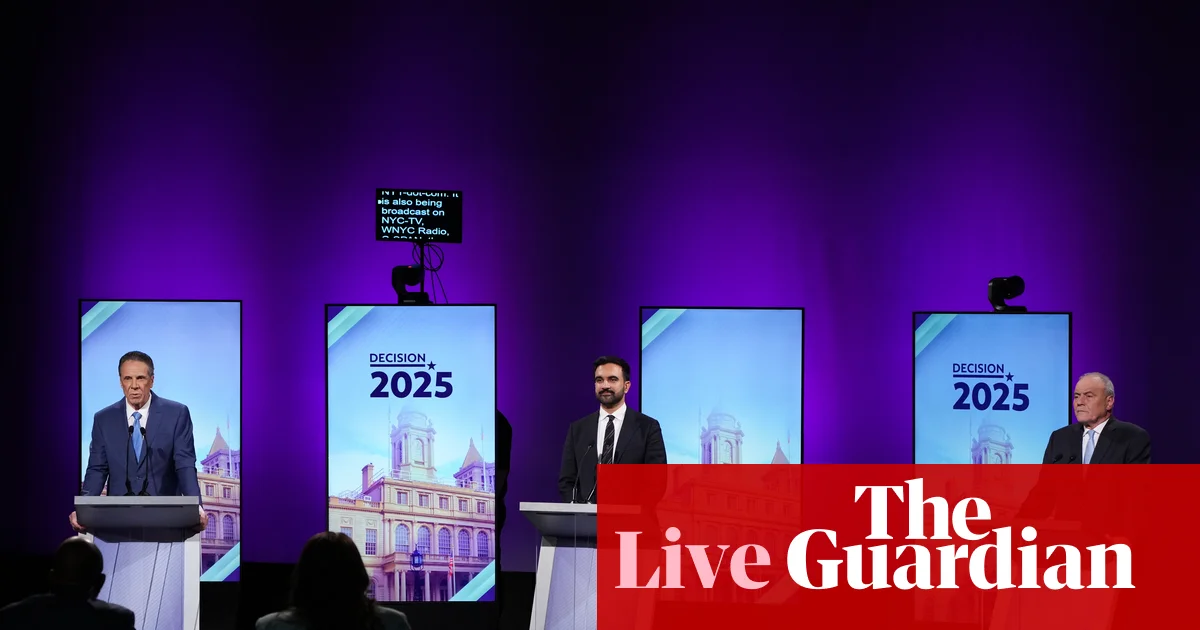
NYC Mayoral Debate Heats Up: Mamdani, Sliwa, Cuomo Clash on Israel, Rent, and Trump

International Impact of New York’s Mayoral Race and Internal Power Struggles

The city that once symbolized the heart of American ingenuity and resilience, New York City, has once again become the crucible where domestic politics collide with global agendas. The latest round of mayoral debates, featuring figures like Zohran Mamdani, Andrew Cuomo, and Curtis Sliwa, serve as a microcosm for the tense, complex geopolitics that define the 21st century. As American politicians do battle over issues ranging from housing crises to the specter of foreign influence and ideological radicalism, they unwittingly cast shadows that stretch across borders, affecting the geopolitical balance worldwide.

Analysts like Dr. Emily Grant from the International Policy Institute note that U.S. mayoral elections, especially in a metropolis as emblematic as New York, hold symbolic power beyond local governance. The debate over law enforcement strategies, immigration policies, and foreign policy stances is intertwined with America’s stance on global security. Mamdani’s calls for a more compassionate approach towards immigrants and his critique of federal ICE operations resonate globally, given the ongoing migration crises and international terrorism concerns. Meanwhile, Cuomo’s narrative on law and order echoes a broader international conversation on security and civil liberties, with some commentators suggesting that these internal dialogs influence how U.S. allies and adversaries perceive American stability and commitment on the world stage.

Underneath the rhetoric, these political exchanges reflect a nation grappling with its identity amid global upheaval. The debate’s focus on issues like the handling of Rikers Island, support for LGBTQ+ rights, and responses to international conflicts underscores how domestic elections are increasingly manifesting in international politics. For instance, Mamdani’s vocal opposition to certain international policies likely signals a shift towards more progressive and interventionist overseas stances by local leaders, potentially impacting diplomatic relations. Historian Jonathan Fields emphasizes that political figures on the rise, such as Mamdani, are being watched closely as indicators of potential future shifts in U.S. foreign policy, especially as they challenge the status quo set by traditional power players like Cuomo.

As the city prepares for a decisive election amidst this ambiguity, the question remains: how will these internal debates translate into global influence? Will New York’s next mayor steer the city — and by extension, America’s diplomatic trajectory — towards a more conciliatory or confrontational direction? The world watches with bated breath, knowing that in the chess match of geopolitics, the movements of a city’s mayor can signal the tone of a nation’s diplomacy. The unfolding story from Queens is more than local politics; it is a chapter in the ongoing saga that will determine the balance of power, influence, and stability in a world on the brink of upheaval. History continues to writethe present with every mayoral decision, echoing through corridors of power worldwide.

Social Media Auto Publish Powered By : XYZScripts.com