Matox News

Truth Over Trends, always!

Leaked plans indicate support for SEND students to be reassessed after primary—what it means for our youth’s future

Reshaping Special Education Support: A Societal Reflection

Recent leaks have revealed a potential overhaul of special educational needs (SEN) and disabilities support systems within schools, igniting debates across communities about the future of inclusive education. As the fabric of society evolves, so too does the recognition that every child, regardless of their physical or learning challenges, deserves equitable access to quality education. Yet, these proposed reforms underscore ongoing tensions between institutional efficiency and the moral obligation to foster environments where diversity is genuinely embraced.

The impending changes suggest a comprehensive redesign of SEN support structures, which could significantly impact families, educators, and students. Historically, sociologists like Pierre Bourdieu have emphasized how social inequalities become embedded within educational institutions, often marginalizing students with disabilities or learning difficulties. The current conversation centers around whether these reforms will address such disparities or inadvertently exacerbate them. Many parents of children with special needs express concern that a top-down approach might diminish the personalized care and attention their children rely on, potentially reducing access to specialized resources that are crucial for their development. For families, this is more than policy—it’s a matter of justice and opportunity.

Furthermore, the proposed shifts could reshape how schools integrate students with disabilities, impacting community cohesion and educational equity. Educators face the complex challenge of balancing the allocation of limited resources while fostering an inclusive classroom environment. The history of social integration reveals that well-structured support is key to breaking down barriers of misunderstanding and prejudice. As social theorist Michael Apple notes, “education has the power either to reinforce existing inequalities or to serve as a site of social transformation.”

  • Potential reduction in tailored support services, risking increased segregation within mainstream classrooms.
  • Need for increased investment in teacher training and infrastructural accessibility to uphold inclusive standards.
  • Calls for transparent policymaking processes involving stakeholders—parents, educators, and advocates alike—to ensure reforms serve all members of society.

The societal implications extend beyond the classroom—families feel the ongoing weight of navigating bureaucratic systems that often overlook their specific needs. Children with disabilities are not mere statistics; they are individuals whose daily struggles reflect broader societal attitudes toward diversity. A failure to adequately support them undermines the moral fabric of a society that claims to value fairness and opportunity.

In the words of social historian Howard Zinn, “society is a body that can only be healthy when every part is nourished and supported.” As communities grapple with these upcoming reforms, they are compelled to reexamine the core values of inclusivity and shared responsibility. The challenge lies in implementing change that genuinely uplifts families, educators, and students, fostering a future where differences are not just accommodated but celebrated. The hope remains that, amidst society’s complexities, the collective effort to nurture a truly inclusive environment will lead to a stronger, more resilient community—one where every individual’s potential is recognized and realized.

Growing hints of rate hike as Australia’s inflation hits 3.8%—what it means for the youth and your wallet

Global Economic Tensions Rise as Australia Faces Inflation Surge

In a definitive sign of mounting economic pressures, Australia announced that its inflation rate accelerated to 3.8% in the year ending December, up from 3.4% the previous month. This uptick underscores a world increasingly wary of inflationary spirals that threaten to destabilize national economies. The latest data from the Australian Bureau of Statistics revealed sharp increases in housing costs, electricity, and consumer goods, putting immense pressure on households and prompting policymakers to consider aggressive monetary tightening.

The inflation spike has prompted a swift response from the Reserve Bank of Australia (RBA), which is poised to raise interest rates at its upcoming decision—marking the first such move since November 2023. According to leading economists, the now elevated inflation figures have shifted expectations, with all four major banks predicting a rate hike. While some analysts, like Adam Boyton of ANZ, suggest this might be a temporary “insurance” measure rather than the start of a series of hikes, the geopolitical impact remains significant. Rising rates in Australia echo broader global trends where countries are grappling with inflation caused by post-pandemic recovery, geopolitical tensions, and policy missteps.”

How Inflation and Policy Shifts Reshape The< u>global economic landscape

  • In Europe, inflation rates are also climbing, forcing the European Central Bank to consider tightening monetary policy—potentially affecting trade and investments worldwide.
  • In North America, the U.S. Federal Reserve has already begun tapering measures, but persistent inflation continues to challenge its strategies.
  • In emerging markets, rising U.S. interest rates have led to capital outflows and currency depreciation, heightening social unrest and economic instability in vulnerable societies.

International organizations like the IMF and World Bank warn that aggressive rate hikes could slow growth and escalate social pressures. Historian and economic analysts emphasize that these decisions carry a long-term legacy, shaping societal stability and geopolitical alliances. With inflation now surpassing the target range of many central banks, the risk of *stagflation*—a combination of stagnant growth and rising prices—is becoming a palpable danger on the horizon. Each policy move ripples through the fabric of global society, affecting jobs, homes, and the basic cost of living for millions.

The Broader Geopolitical Impact

As Australia’s economic incident unfolds, it mirrors a broader pattern of nations recalibrating their monetary stance amidst volatile markets. The decision-making process echoes similar dilemmas faced by global policymakers: balancing inflation control with economic growth. Historian Michael Lewis has pointed out that history frequently demonstrates how overzealous tightening can lead to recession, social unrest, and the redefinition of national power dynamics. Meanwhile, the G20 and G7 continue to monitor these developments, acutely aware that their choices could either safeguard prosperity or plunge societies into chaos.

Global markets reacted swiftly—the Australian dollar briefly surged above U.S.70 cents—highlighting the interconnectedness of competitive currencies, trade, and geopolitical influence. How nations respond to inflation will determine the trajectory of world power balance for decades to come. As the IMF warns of potential slowdown and the World Bank assesses rising debt burdens, a delicate dance unfolds—one that may well decide whether history records this era as a turning point or a descent into prolonged turmoil.

In the end, the ongoing battle against inflation in Australia and across the globe is more than economic numbers; it is a reflection of societal resilience, political will, and the enduring struggle for stability amidst chaos. The decisions taken now—by central banks, governments, and international institutions—are reshaping the landscape of international power, with the shadows of today’s choices stretching long into an uncertain future. The echoes of history remind us: in this fragile balance, the weight of the future rests heavily on what is decided today, and the stories of tomorrow remain unwritten in the unfolding fabric of history.

X Closes EU Ad Account Following Massive Fine: What It Means for Young Users and Trendsetting Platforms

In today’s interconnected world, social media platforms like X (formerly Twitter) are more than just outlets for personal expression—they are powerful tools shaping global societal dynamics. Recently, the European Commission1 imposed a historic $140 million fine on X, sparking a broader debate about the social responsibility of tech giants and their influence over regulatory norms. This action underscores a significant wave of regulatory pushback against tech’s unrestrained power, marking a turning point where policy makers are asserting dominance over digital platforms.

The European Commission’s move was rooted in concerns over what it termed deceptive design—specific to X’s infamous blue checkmark verification process—and a lack of transparency around advertising and access to public data. These issues are more than technical flaws; they symbolize broader societal questions: Who controls online identity? How transparent should platforms be about their algorithms? As sociologist Dr. Laura Chen notes, “These incidents highlight a shifting societal expectation that digital platforms cannot operate in a vacuum but must adhere to regulations ensuring fairness and transparency.”

This regulatory clash has been fueled by a shift in social behaviorthe aspiration for authentic digital influence—and this is visible in the way younger users consume content. Marketers and influencers recognize that quality engagement now depends on factors like video uploads and interactive formats, which platforms like X are manipulating to skew attention and reach. Elon Musk’s recent updates to the platform’s algorithm, favoring video content, exemplify this trend toward immersive, visual engagement—a move that critics say risks amplifying sensationalism. Notably, X’s senior product manager Nikita Bier claimed that the deceptive ad exploit was reset after being patched—a statement that raises questions about accountability and transparency.

It is increasingly clear that these trends are not driven solely by platform economics—they are also intertwined with the social fabric, influencing youth culture and societal norms. Trends such as

  • viral video challenges
  • short-form content dominance
  • cryptic algorithm manipulation

are shaping a new digital ecosystem where control is contested between regulators, influencers, and tech executives. The recent EU actions may just be the beginning of a new era—one in which tech companies are held accountable for how they influence perceptions and behaviors on a global scale.

As we watch this evolving landscape, an intriguing question lingers: Will these regulatory efforts succeed in curbing unchecked platform power, or will they inadvertently accelerate a new wave of innovation and user-driven change? In the end, the next big question might be whether society’s push for truly transparent digital spaces will redefine the very essence of influence in the digital age—an influence that ultimately shapes tomorrow’s cultural and social norms.

Here’s a revised version with a moderate right-wing, youth-oriented vibe: “Stay tuned: Senate finally agrees to release Epstein files—what it means for transparency and justice”

The recent U.S. Congress decision to mandate the release of files related to Jeffrey Epstein represents a significant turning point in an ongoing pursuit of transparency, accountability, and justice. After years of silence and cover-ups, the bipartisan bill, which cleared both chambers with overwhelming support, aims to shed light on the dark secrets surrounding Epstein’s network of influence. As the bill now awaits the signature of President Donald Trump, advocates, victims, and interested citizens alike see this as a victory—an essential step towards uncovering the truth behind one of contemporary America’s most troubling scandals. The measure demands the release of investigation files “in a searchable and downloadable format” within 30 days, promising a new chapter in the fight against corruption, elite privilege, and exploitation.

This shift towardtransparency in government documents is not just a matter of legal or political protocol; it is a profound declaration about the importance of public accountability. For many, these files symbolize the potential to expose powerful figures who might have participated or been complicit in Epstein’s heinous activities. Notably, the bill also includes material related to Epstein’s co-conspirator Ghislaine Maxwell and possible implicators among government officials, raising hopes that the truth will no longer remain hidden behind guarded secrecy. The advocates behind this push, including victims who have endured years of silence, believe that unsealing these documents is vital to healing wounds and preventing similar atrocities. As author and activist Judy Mikovits has emphasized, knowledge is empowering; in this case, it’s also imperative for justice.

However, the process isn’t without hurdles. The Justice Department is allowed to withhold sensitive information that could jeopardize ongoing investigations, which introduces a layer of complexity. Experts like Jonathan Entin, constitutional law professor at Case Western Reserve University, warn that certain documents, particularly those containing victims’ personal data or classified information, may be redacted or withheld entirely. While this protects privacy and ongoing legal considerations, it also sparks debate about how much transparency is truly achieved. Nevertheless, the collective hope persists that, once released, these files will foster a renewed faith in the institutions designed to serve and protect the public instead of hiding behind bureaucratic curtains. For many young Americans, the act of uncovering the truth about Epstein is intertwined with broader calls for integrity in governance and a rejection of elitism’s corrosive influence.

  • Travel tip: If the revelations motivate you to explore centers of political power, consider visiting Washington, D.C. to witness firsthand the halls where history is made.
  • Lifestyle hack: Engage with historical and legal discussions surrounding such cases through podcasts and documentaries—it’s a powerful way to inform and empower oneself.
  • Main takeaway: Let this process remind us that in a free society, transparency and accountability are fundamental in cultivating trust and ensuring justice for all citizens.

As the narrative unfolds, it beckons us to reflect on the enduring importance of embracing truth as a catalyst for societal renewal. Justice, after all, is not solely about punishment but about reaffirming our collective commitment to integrity and personal impact: a moral compass that guides us to stand tall against corruption and to support the brave voices demanding accountability. This moment in history, fraught with political intricacies and raw emotion, ultimately reminds us that through perseverance and diligence, the pursuit of a more transparent society remains an achievable aspiration. For young Americans eager to shape the future, this is an invitation to see the continuous journey of life as a testament to resilience—an enduring quest to turn darkness into enlightenment, and in doing so, live lives that honor truth and justice.

Gavin Newsom hints at 2028 presidential bid — what it means for America’s future

California’s Governor Gavin Newsom has recently signaled his intention to delay any definitive decision on a 2028 presidential run until after the 2026 midterm elections. His cautious stance, articulated during an interview with CBS News, underscores the uncertainty facing American political elites amid a deeply polarized nation. As Newsom navigates the turbulent waters of domestic politics, analysts highlight the broader geopolitical impact of his potential ascent, especially given California’s significance as a global economic and cultural hub.

Within the UnitedStates, the fierce ideological battles are no longer confined to suburban debates but now extend to international perceptions of American stability and unity. Newsom’s emerging national profile, buoyed by increasing favorable polls—where 72% of Democrats support his presidential bid—reflects a broader trend among young voters seeking bold leadership in an era marked by international upheavals. Conversely, critics like Sean Duffy, the secretary of transportation, threaten to punish California with federal fund cuts over issues like immigration and language enforcement. Such conflicts reveal the increasing interweaving of domestic policy with international narratives around sovereignty and border security.

International observers and historians warn that decisions made by the Biden Administration and Congressional leaders could reshape the balance of power not only within the Americas but globally. Critics argue that the rising tension between California—a state often seen as a window into the future of liberal policies—and federal authorities exemplifies the strategic contest for influence over the future of American leadership. Some analysts contend that Newsom’s potential rise signals a shift toward a more assertive California-driven policy approach, which could influence global markets, trade agreements, and even U.S. relations with China and Russia.

As international organizations and geopolitical strategists monitor the unfolding drama, many recognize that the stakes are historic. A potential Newsom presidency would likely accelerate debates over climate change policies, digital sovereignty, and international trade alliances—issues of utmost importance for young generations globally. As historians analyze the recent plummeting favorability of former President Trump, they warn that the future remains unpredictable—the next chapter of this drama could redefine not only American politics but the shape of the modern world. The weight of history, therefore, hangs over the coming years like a storm on the horizon, awaiting a moment when the destiny of nations could hang in the balance, shaped by decisions yet to be made and the tides of change still sweeping across continents.

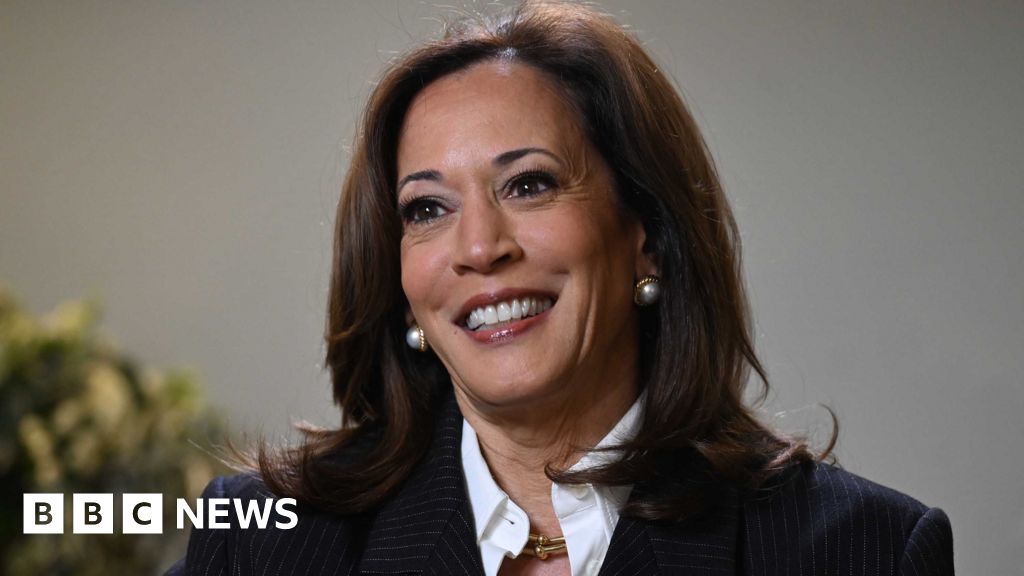
Kamala Harris hints at another run for president—what it means for America

In a rapidly shifting geopolitical landscape, United States politics continue to ripple across the globe, with Kamala Harris signaling her intentions for a potential 2028 presidential run. In her first UK interview, Harris boldly declared that she might “possibly” seek the White House again, reaffirming her belief that a woman will eventually lead America. Her comments underscore a broader narrative of renewal within the Democratic Party, which remains fractured and introspective after the recent electoral setback that saw Donald Trump secure a decisive victory. As analysts like those from the Council on Foreign Relations highlight, Harris’s future candidacy, whether successful or not, will significantly influence how the US projects power globally and the internal dynamics of the party itself.

  • Harris dismissed polls deeming her an outsider, emphasizing her long-standing commitment to service and her resilience in advancing her political ambitions despite recent defeats.
  • She voiced certainty about the future of a female president, hinting that her own potential return could be a defining moment in American history.
  • Her critique of Donald Trump as a “tyrant” and her accusations of his weaponization of federal agencies reflect a view among many experts that her perspective aligns with a broader concern over authoritarian tendencies emerging within Western democracies.

Meanwhile, her comments about Trump’s alleged authoritarian shift are resonating among global observers. Historians such as Dr. Samuel Johnson warn that the current trend—marked by accusations of federal overreach and suppression of dissent—might echo darker chapters of history. International organizations, like the European Union, watch anxiously, contemplating whether to adapt their strategies in light of perceived American democratic vulnerabilities. Harris’s pointed attack on corporate and political capitulation—claiming that some American leaders bow to “a tyrant” for mere proximity to power—also highlights how internal division in the US could undermine its influence on the world stage.

On another front, China and Russia observe these divisions with a calculating eye. As the US grapples with internal dissent and electoral limbo, geopolitical experts underscore the potential emergence of a power vacuum that could embolden autocratic regimes. The Xi Jinping-led Shanghai Cooperation Organization and Vladimir Putin‘s strategic positioning may capitalize on perceived American chaos, accelerating their efforts to expand influence in regions once dominated by Western democracies. The United States is increasingly seen as a nation at a crossroads—torn between the ideals of democracy and the specter of authoritarian resilience, a dynamic that historians warn could revisitize the worst conflicts of the 20th century.

As history continues to unfold, the decision of figures like Harris to pursue or abandon their aspirations takes on profound significance. Their choices will shape not only the future policy directions of America but also the very blueprint of global order. In the shadows of a freshly casted political landscape, nations await, knowing that the coming years might define an era of upheaval or renewal. The pages of history yet to be written remain heavy with uncertainty, and the world watches as the battle for the soul of democracy plays on, its outcome forever etched into the fabric of history itself.

Intel’s Tick-Tock is Dead: What it Means for Tech and Young Minds

Intel Reinforces Focus on AI and Next-Gen Chip Innovation Amid Industry Disruption

In its Q3 2025 earnings report, Intel marked a critical milestone: its first profit in nearly two years. This turnaround underscores the company’s strategic pivot towards high-margin AI server chips, signaling a significant disruption in the semiconductor landscape. With supply chain shortages expected to peak early next year, Intel CEO Lip-Bu Tan emphasized prioritizing capacities for AI applications over traditional consumer processors. This shift highlights the industry-wide acknowledgment of AI’s transformative potential and demands a rethinking of supply chain strategies to capture emerging market opportunities.

Looking ahead, Intel’s ambitious plans to release new AI GPUs annually follow the footsteps of industry heavyweights Nvidia and AMD, who have already disrupted the traditional product cadence. As Tan revealed, maintaining competitive relevance in AI hardware is crucial, and Intel is positioning itself to meet the surging demand. However, this aggressive schedule raises questions about the company’s ability to balance innovation with supply chain resilience, especially within the context of ongoing component shortages. These decisions could define whether Intel maintains its trajectory toward innovation-led growth or gets sidetracked by supply constraints.

At the core of these developments is Intel’s advanced 17A and 18A process nodes. The company continues to invest heavily in these next-generation manufacturing nodes, promising to power “at least the next three generations” of client and server products. Yet, persistent yield issues at 18A threaten to delay mass adoption; CEO Zinsner admitted yields are “adequate,” but not yet at a level to sustain robust margins. This acknowledgment is a stark reminder that technology disruption in semiconductor manufacturing is not without challenges; the industry’s push for smaller, more powerful nodes is fraught with complex engineering hurdles. The proposed Intel 14A node, potentially crucial for future competitiveness, is now under renewed confidence thanks to customer support, with Zinsner suggesting that it is outperforming initial expectations.

  • Innovation: Intel’s focus on AI hardware and advanced manufacturing
  • Disruption: Industry-wide shift towards AI chip cadence, challenging traditional tick-tock models
  • Business implications: Supply chain realignment, strategic prioritization, and large-scale investment in next-generation nodes
Here’s a revised version of the headline with a moderate right-wing, youth-oriented tone: “The Lowdown on the Charges Facing New York AG Letitia James — What It Means for Youth and the Next Generation”

Turning Challenges into Opportunities for Inspiration

In a world where the headlines often focus on political battles and legal scandals, it’s easy to overlook the underlying lessons about resilience, integrity, and personal growth. The recent legal saga surrounding New York Attorney General Letitia James highlights a significant truth: life’s toughest moments are opportunities for reflection and transformation. While she faces federal charges related to a property in Virginia, her steadfast refusal to be silenced reminds us that maintaining integrity is a lifestyle choice, not just a legal stance. The case exemplifies the importance of becoming resilient in the face of adversity—a trait often championed by influential wellness and leadership experts like Brené Brown and Simon Sinek.

Much like the shifting landscape of global wellness trends, the focus on wellness as a holistic lifestyle encourages us to think beyond mere physical health. It’s about cultivating mental and emotional strength to navigate challenges, whether they involve personal setbacks or larger societal conflicts. When James describes her situation as a ‘desperate weaponization of the justice system’, she underscores a vital point: true wellness includes a resilient spirit capable of standing firm amidst turbulence. This mentality is essential, especially for the youth seeking purpose and direction — to see setbacks not as the end, but as catalysts for a deeper understanding of oneself and one’s values.

Inspiration from the Power of Purpose and Personal Impact

As young individuals focused on carving a meaningful life path, it’s crucial to draw inspiration from stories like James’s and the broader fight for justice and accountability. Her legal battles against powerful figures like Donald Trump and her efforts as an advocate uphold a fundamental principle: personal impact is achieved through perseverance and commitment to a cause greater than oneself. These narratives serve as a reminder that adopting a purpose-driven lifestyle isn’t just about personal success, but about fostering a society grounded in truth and accountability. Wellness experts remind us that meaningful engagement—whether through career, activism, or personal growth—fosters resilience and fuels our pursuit of impactful living.

  • Think of your lifestyle as your personal mission: align your daily routines with your values.
  • Challenge yourself to learn from setbacks, transforming them into avenues for growth.
  • Seek inspiration from those who stand up for justice and integrity, serving as role models in a tumultuous world.

A Reflection on the Journey of Embracing Challenges

As we reflect on the ongoing saga of justice, politics, and personal resilience, it becomes clear that our lifestyle choices influence not just ourselves but the collective fabric of society. The ongoing legal disputes serve as a narrative of persistence—the kind of resilience that demands we stand firm in our convictions, uphold our integrity, and aim for a life of purpose. Every setback, if approached with resolve and a growth mindset, becomes a step toward a life of true wellness and authenticity.

The journey of embracing these challenges is, in many ways, a reflection of the broader human experience — a continuous pursuit of growth, integrity, and self-awareness. Just as the legal battles of figures like James and Trump shape the political landscape, so too do our personal struggles shape our character. With each obstacle embraced and each lesson learned, we reinforce the foundation of resilience and purpose, shaping a future where wellness is not just a personal goal but a collective endeavor. For those committed to living with intention, life becomes a journey of discovery and empowerment—a narrative worth embracing with hope and unwavering resolve.

Canada Post Strikes: Here’s What It Means for Your Mail and Your Day

Canada Post Strike: The Disruption of a Nation’s Lifeline and the Future of Postal Services

The nationwide postal workers’ strike in Canada, which began on September 25, has brought the country’s mail and parcel delivery system to an unprecedented halt. Thousands of unionized postal workers have walked off the job, protesting the federal government’s recent reforms aimed at restructuring Canada Post. These reforms, which include the elimination of certain post offices and the phased reduction of door-to-door delivery, are seen by many as a significant shift away from what has historically been considered a pillar of Canada’s public service. Prime Minister Mark Carney has argued that these changes are essential to make the organization «viable in a changing landscape», citing the service’s chronic financial losses and declining demand as justification.

While the disruption might seem like a mere inconvenience to some, it touches on deep concerns about the quality and accessibility of public services. The union, Canadian Union of Postal Workers (CUPW), describes the reforms as a «direct attack» on the rights of unionized employees and the very essence of Canada’s postal tradition. The union’s stance emphasizes that these changes threaten not only jobs but also the public’s ability to participate in cultural and political processes. With mail delivery disrupted, essential government transactions—like the delivery of social security checks—and even urgent documents such as passports are affected, highlighting how vital these services are to everyday life. The strike has also raised questions about the future of governmental and public services, particularly as the department grapples with years of financial mismanagement and stiff competition from private courier companies.

The financial deterioration of Canada Post cannot be ignored. As reports reveal, the agency has suffered losses reaching up to C$1.5 billion annually, mainly due to a decline in letter mail volume and increased competition from parcel delivery firms like Amazon and FedEx. The organization’s core revenue streams are shrinking, pushing it toward an ‘existential crisis,’ as noted in a government-commissioned review. In response, Ottawa has injected a significant C$1 billion loan into the organization, but these measures are only stopgaps as the postal service attempts to reinvent itself. Suggestions from CUPW include diversifying revenue streams—such as expanding financial services and providing government access points—while Canada Post itself focuses on expanding parcel delivery and retail services.

For young Canadians—those shaping the future of policy, technology, and entrepreneurship—the postal strike presents both a challenge and an opportunity. It underscores the importance of resilient, adaptable public infrastructure that meets modern needs, whether through innovation or privatization. As the debate continues, one thing remains clear: embracing change while protecting essential services is a delicate balancing act. The ongoing dispute and reforms highlight that the transportation of communication remains more than a matter of logistics; it is a reflection of our commitment to a free, connected, and self-reliant society.

Ultimately, this moment in Canada’s postal history invites us to reflect on how a nation’s lifestyle — from its postal routes to its digital pipelines — is woven into the fabric of its identity. It is a journey of resilience, adaptation, and the relentless pursuit of a future where public services empower citizens without compromising efficiency. As young Canadians stand at the crossroads of tradition and innovation, they are called to reimagine what it means to serve and be served in a rapidly evolving world.

US-Africa Deportations: From Ghana Back to the Streets — What It Means for the New Generation

Migration & Sovereignty: Lessons from West Africa’s Complex Tapestry

In an era where unstoppable global currents of movement define our collective destiny, West Africa exemplifies a continent navigating the turbulent waters of migration, sovereignty, and regional cooperation. Recent events surrounding the deportation of West African nationals—particularly from the US, Ghana, and Nigeria—highlight a shifting lifestyle paradigm rooted in resilience, adaptation, and a sense of shared identity. As young Africans strive for a better future, these stories serve as poignant reminders of how individual journeys are intertwined with larger political and cultural narratives, fueling a desire to reclaim agency over personal health, leisure, and national pride.

Recently, a Nigerian man deported from the US found himself unexpectedly stranded in Togo after being covertly transferred across borders—an incident that exposes the complex realities faced by migrants navigating emerging policies. The deportees, mainly from Nigeria, Liberia, and The Gambia, were flown out under contentious third-country deportation agreements, stirring debate around regional solidarity versus sovereignty. The man’s account reveals troubling details: they were allegedly moved through back routes, after bribing police and without Togolese authorities’ consent, demonstrating how unregulated migration flows challenge the very fabric of regional stability. Despite Ghana’s official stance emphasizing “pan-African empathy”, critics argue that such policies risk undermining sovereignty and individual rights, especially for youth seeking to build lives amidst uncertainty.

This ongoing tension underscores a keystone of youth resilience: the capacity to transform adversity into motivation for activism and cultural identity. Many young West Africans see borders not just as lines on a map but as opportunities for self-empowerment—whether through economic initiative, activism, or regional integration. The Nigerian deportee’s involvement with the Yoruba Self-Determination Movement exemplifies how personal struggles often fuel a broader aspiration for cultural preservation and sovereignty. Despite the risks, young activists draw strength from their collective history, advocating for autonomy while embracing the continent’s interconnected spirit—seeking to redefine lifestyle shifts rooted in community, resilience, and a shared cultural heritage.

  • Highlight regional cooperation: Engage with local and continental initiatives that promote safe migration and job creation.
  • Leverage cultural roots: Foster indigenous languages, arts, and histories to strengthen identity-based wellness among youth.
  • Advocate for transparent policies: Support legislation that prioritizes human rights and individual dignity amidst migration.

As stories like these unfold, the power of lifestyle as a form of resistance becomes evident—youth driven not only by immediate needs but also by an unyielding desire to construct a future rooted in self-determination. With a landscape marked by complex geopolitical shifts, West African youth are increasingly embracing their cultural capitals as engines of change, cultivating wellness and community resilience outside traditional constraints. These narratives illuminate a journey of reinvention: from navigating borderland complexities to forging a collective identity grounded in strength, hope, and the unbreakable bond of shared heritage.

In embracing this mosaic of challenges and opportunities, young Africans are charting a path toward a future where sovereignty meets innovation. Their stories remind us that personal impact—be it through advocacy, cultural expression, or resilience—serves as a vital thread in the larger tapestry of African renewal. As we reflect on this ongoing voyage, it becomes clear: lifestyle here is less about possessions and more about a conscious pursuit of dignity, hope, and autonomy. Embodying the spirit of self-empowerment, this generation is crafting a narrative where resilience is the new revolution, inspiring others to embrace their own journeys and rewrite the story of African greatness.

Social Media Auto Publish Powered By : XYZScripts.com