
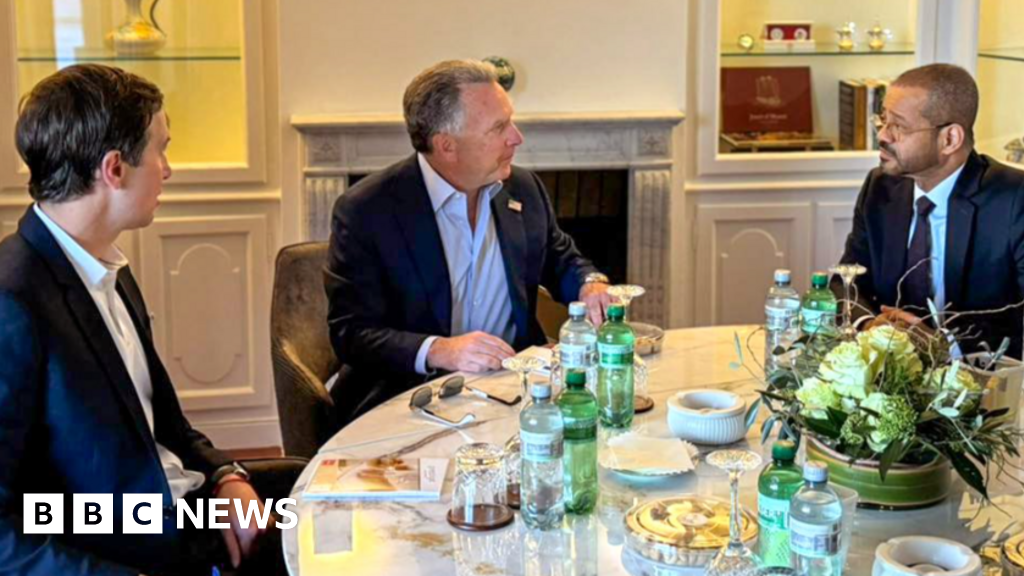

In a world increasingly defined by shifting alliances and territorial ambitions, the recent indirect negotiations in Geneva stand as a pivotal yet uncertain event on the international stage. These talks, seen by many analysts as a final effort to curb a burgeoning nuclear arms race, highlight the delicate balance of power that continues to shape global security. With the stakes higher than ever, diplomats from key nations are engaged in a tense dance of diplomacy, offering a glimpse into the complex chess game that underpins regional stability and international peace.
Despite the urgency, the prospects of reaching a comprehensive nuclear agreement remain ambiguous. The deliberations, characterized by back-channel negotiations and cautious exchanges, underscore the pragmatic limitations of diplomacy when core national interests are at odds. Some experts suggest that the failure to achieve a breakthrough could have far-reaching repercussions, not only for the immediate parties involved but also for the international order. The echoes of past conflicts and Cold War tensions underscore the fragile nature of such agreements, further complicating efforts to establish a lasting framework that prevents proliferation.
Historians and geopolitical analysts warn that these negotiations are emblematic of broader geopolitical shifts—a reflection of rising powers and waning influence in traditional diplomatic architectures. International organizations, such as the United Nations, have called for restraint, emphasizing how the failure to bridge differences might ignite regional instability and spark new arms races. Meanwhile, nations like Russia and China watch closely, weighing their own strategic interests and projecting their influence through diplomatic channels that often sway in unpredictable directions. The current impasse demonstrates how narrow the margin for diplomatic success truly is in an era dominated by assertive nationalistic policies.
As history’s pages turn, many observers believe that the outcome of these Geneva talks could define the trajectory of international security for decades to come. For Western allies, a failure symbolizes a potential retreat into a world where nuclear proliferation is uncontrolled, heightening risks and threatening global stability. Conversely, for opposition blocs, such setbacks may reinforce the perception that diplomacy alone is insufficient against aggressive postures. Ultimately, the decisions made in these hallowed halls will echo through the corridors of history, leaving an indelible mark on the collective consciousness. In the shadow of diplomacy’s fragility, the human story continues unfolding—an enduring reminder that the balance of power remains precariously poised, and the future remains unwritten, waiting for history to determine which path is taken.






