
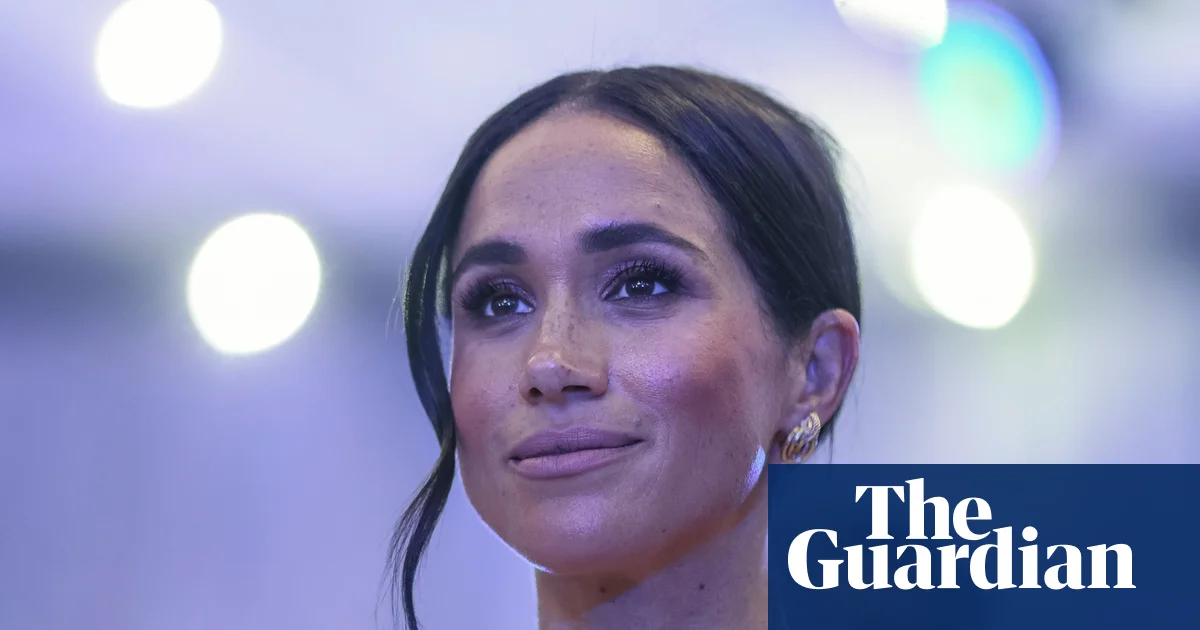

The unfolding drama within the British royal family and the media’s relentless pursuit of private pain reveals more than personal conflicts; it exposes a significant geopolitical impact stemming from unchecked media influence and societal fragmentation. The recent revelations surrounding Thomas Markle, father of Meghan, Duchess of Sussex, underscore how media sensationalism can complicate familial relationships and shape perceptions across nations. His health crisis, compounded by media coverage, illustrates a troubling reality: in today’s interconnected world, personal tragedies are weaponized for political and cultural narratives worldwide. Such instances feed into a broader societal narrative—one where the media’s role in magnifying family discord influences public opinion and international perceptions of the monarchy and its hereditary institutions.
Global institutions and analysts warn that how governments and media outlets handle personal stories can have lasting consequences on political stability and national identity. Historians observe that the British monarchy—once a symbol of tradition—has increasingly become entangled with a 24/7 media cycle that often prioritizes sensationalism over sober analysis. Meanwhile, international watchdogs have raised concerns about the ethical bounds breached by outlets like DMG Media, which is now facing allegations of illegal information gathering. The Royal Family operates within a delicate balance, with its public image intricately linked to national pride, cultural heritage, and soft power. As the media’s power grows, so does the risk of erosion of these pillars, which could ripple across other global institutions that rely on moral authority and tradition as their backbone.
Concurrently, the internal family discord—exacerbated by leaks, legal battles, and personal grievances—serves as a cautionary tale for societies worldwide, emphasizing the importance of boundaries and trust in an era where privacy is increasingly sacrificed at the altar of instant news. How nations manage such crises, especially in the context of a shifting geopolitical landscape, determines whether they will maintain societal cohesion or slide into discord. The British case becomes a microcosm of a world where power is wielded not only through military or economic dominance but through cultural and informational control. As some analysts highlight, the media’s role in shaping this narrative extends well beyond private family issues; it influences international alliances, standing in diplomatic corridors, and perceptions of legitimacy.
As history continues to be written in real-time, this saga reminds the global community that the convergence of personal trauma, media influence, and political optics is a potent force. With powerful figures—and their families—simultaneously struggling for privacy and visibility, the weight of history is yet to be decided. One cannot help but wonder: in this age of information warfare, which stories will define the future, and which will be buried in the chaos of a world still searching for moral clarity? As nation-states watch and learn, the unfolding narrative leaves a stark reality—there are no winners in this modern game of secrets, betrayal, and the relentless pursuit of truth under the glare of a global spotlight.





