Matox News

Truth Over Trends, always!

UK detains three men over suspected Chinese espionage activity

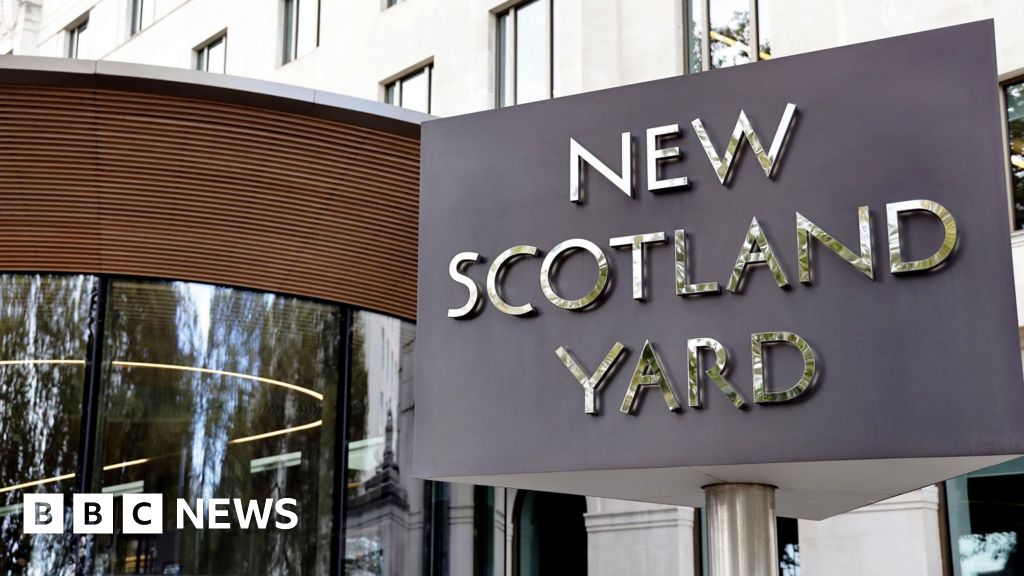
The Metropolitan Police have announced that they are investigating three men suspected of aiding Chinese intelligence services within the United Kingdom. This development marks a significant escalation in concerns over foreign interference in domestic affairs, with implications that stretch across the geopolitical landscape. Authorities believe that these individuals may have facilitated espionage activities, aiming to deepen influence and collect sensitive information, a practice increasingly scrutinized amid escalating tensions between London and Beijing.

The investigation, confirmed by senior officials, underscores a pattern seen in recent years: foreign espionage networks operating covertly on Western soil. Analysts highlight that China’s intelligence apparatus has grown more aggressive, seeking to extend its reach into Western political, economic, and technological spheres. The UK’s intelligence community has consistently raised alarms over the potential threat of such clandestine activities, viewing them as a strategic challenge intertwined with broader geopolitical rivalries. As historian and security analyst Dr. Emily Carter notes, “This isn’t just about a few individuals; it signals an increasingly assertive Chinese effort to influence and gather intelligence in global strategic centers.”

Meanwhile, international organizations such as the United Nations have issued warnings about the growing prevalence of state-sponsored espionage and its implications for sovereignty and national security. The UK’s firm stance demonstrates an intention to *increase resilience*—adopting tighter counterintelligence measures and scrutinizing foreign academic and business networks. Relations with China remain strained, particularly as recent diplomatic disputes surrounding trade, human rights, and technological competition have deepened. This incident adds to the complex tapestry of tensions that could reshape alliances and security policies across the Atlantic and beyond.

As this story unfolds, experts warn that such espionage cases serve as a harsh reminder of the high-stakes nature of 21st-century geopolitics. The decision by the UK authorities to pursue this investigation sends a clear message: nations must safeguard their sovereignty against external threats that threaten their democratic institutions and technological infrastructure. Yet, critics caution that overreach could fuel diplomatic conflicts, risking escalation rather than resolution. The global community watches with bated breath, knowing that the ripple effects of these covert struggles will likely influence international stability long after this chapter is written. In the shadowy dance of espionage and diplomacy, history’s next defining moment waits, silently shaping the future we all share.

Mad Men Now Streaming on HBO Max — Fans Spot Rocky Mistakes in Classic Series

Global Impact of Entertainment and the Lessons it Still Holds

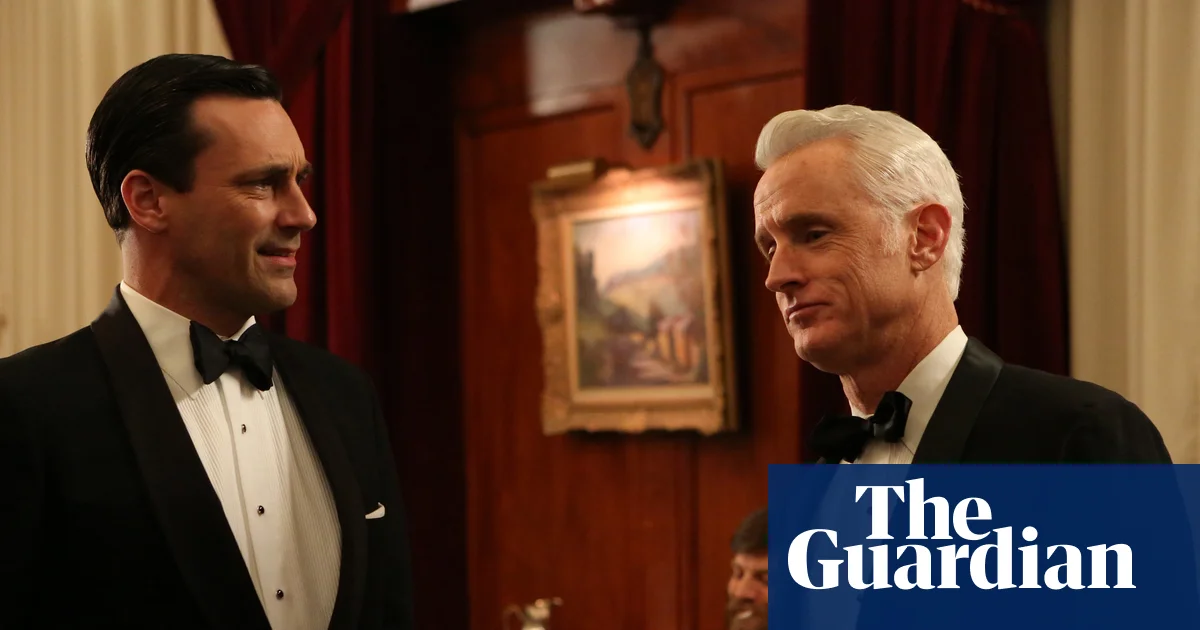
In an era where media industries are increasingly intertwined with geopolitical interests, the recent mishaps in the HBO Max re-release of Mad Men serve as a stark reminder of the global influence of cultural products. The decision to restore this groundbreaking series in 4K has rekindled popular interest and demonstrated how entertainment can shape societal perceptions, even amidst technical pitfalls. Yet, behind these glossy remasters lies a larger narrative—one of technological dominance, international competition, and the relentless quest for cultural supremacy.

Historically, the television industry has played a pivotal role in shaping national identities and soft power, especially as countries seek to project influence internationally. The controversy surrounding the HBO Max restoration—episodes being out of order, visible crew members, and social media viral moments—highlight an underlying tension: the importance of maintaining cultural artifacts with precision and care. This isn’t simply about entertainment; it is a reflection of who controls the narratives and how societies see their past. Critics such as international media analysts argue that these seemingly trivial errors symbolize a broader crisis: the encroachment of global corporations into culturally sensitive domains, often at the expense of authenticity.

Moreover, the mishandling of Mad Men’s re-release mirrors earlier incidents, like the infamous Starbucks coffee cup incident in Game of Thrones’s final season. Despite the humorous viral response, it underscored how international media conglomerates often prioritize quick fixes over meticulous quality control, thereby impacting their credibility on the global stage. This pattern is not merely a matter of poor editing but an illustration of the pressures faced by multinational entities under the specter of hyper-competition. How these errors are perceived internationally can influence perceptions of a nation’s technological capability and geopolitical standing. According to global media watchdogs, such lapses—while seemingly superficial—can serve as symbols of declining standards and international vulnerability.

Yet, the story extends beyond media missteps to a broader geopolitical narrative. Historians and analysts observe that cultural dominance is a strategic component of soft power, especially in the context of U.S.-China and Russia rivalry. As China invests heavily in exporting its media and cultural products globally, Western firms face mounting pressures—and scrutiny—in safeguarding their cultural heritage. The errors in restoring classic shows, though minor, may be exploited by adversaries to question the robustness of Western technological and cultural leadership. It underscores that every digital misstep is more than an operational flaw; it is a part of the ongoing struggle to define the global narrative.

In the final analysis, the unfolding saga of HBO Max’s restoration errors embodies the high-stakes nature of cultural preservation in a fractured world. Every glitch, every mislabeled episode, echoes the tension between technological innovation and international influence. As history continues to unfold, it is vital to recognize that these seemingly small moments—like crew members manning fake vomit machines—are, in fact, emblematic of much larger conflicts. The weight of history remains heavy on this digital stage, as nations and societies grapple with their place in an ever-changing geopolitical landscape, where control over cultural artifacts may ultimately determine the future of soft power in the 21st century.

Sydney Cops Charge Four Men Over Alleged International Child Abuse Scandal

The recent apprehension of four Australians accused of operating a satanic child sexual abuse material ring in Sydney highlights a disturbing chapter in the ongoing battle against transnational crime and the dark web. With law enforcement executing multiple searches across key locations—such as Waterloo, Ultimo, and Malabar—this case underscores the brutal reality of how illegal networks exploit technological vulnerabilities and societal silence. The Australian authorities’ swift action, including the arrest of individuals like Landon Germanotta-Mills and others, reflects a growing international consensus on the importance of crackdowns on child exploitation, even amidst battles against free speech and digital privacy rights.

According to NSW Police, Germanotta-Mills, who claims to be the founder of the independent news platform The Underground Media Network, is alleged to have played a leading role in distributing and facilitating child abuse materials, some with satanic and ritualistic themes. His platform, which articulates a mission to “expose institutional abuse,” appears paradoxical in light of his alleged activities—highlighting a recurring theme where online spaces ostensibly dedicated to justice become tangled in the very issues they oppose. International analysts warn that such cases could set distressing precedents, enabling criminal networks to manipulate the perception of legitimacy and undermine public trust in advocacy outlets. This case further illuminates the intersection of digital activism and clandestine operations, testing the resilience of societal morals and law enforcement’s capacity to adapt to rapid technological shifts.

Elsewhere in Australia, three additional men—Benjamin Raymond Drysdale, Mark Andrew Sendecky, and Stuart Woods Riches—faced court proceedings, with bail requests denied in each case. Their alleged involvement spans accessing, possessing, and disseminating child abuse and bestiality materials. The breadth of charges indicates a concerted effort by authorities to dismantle elements of this network, but the deeper warnings resonate beyond mere criminal prosecution. Many international human rights bodies and security analysts argue that such cases expose vulnerabilities in global digital infrastructure and legal frameworks, urging nations to reinforce their protections against these heinous crimes. The international community remains watchful—some experts speculating that these revelations could stimulate a broader multilateral effort or, conversely, incite resistance from those attempting to thwart law enforcement’s reach.

This disturbing episode exemplifies a larger geopolitical landscape where nations grapple with how to balance freedom of speech against the need for security. The impact on societal trust, particularly among youth, is profound; as the internet becomes more accessible, so do the risks of exploitation. Critics argue that overly broad or vague legislation may threaten civil liberties, yet the global push to clamp down on child exploitation remains firm. As noted by international security agencies and renowned historians of digital rights, the outcome of these cases may well influence future policies—either strengthening resilience or unleashing unintended consequences that could embolden underground networks.

In the shadowed corridors of this ongoing war against corruption and decay, the weight of decision-making presses heavily upon global and national leaders. History records that the battle against evil disguised as activism often tests the very fabric of society. Today’s crackdowns could set decisive precedents, but tomorrow remains unwritten. As the world watches, the unfolding story of justice, morality, and international cooperation continues—a stark reminder that the fight for innocence, truth, and human dignity is far from over. In the silence that follows, history’s pen waits—recording a chapter where darkness was challenged, and hope endured against all odds.

Greene slams GOP, calls Congress’ men ‘weak’—youth voice on the rise

As the United States grapples with an internal political crisis, the world watches with keen interest. The ongoing government shutdown, now entering its third week, reveals a deeper fissure within the Republican Party. Among the most outspoken critics is far-right congresswoman Marjorie Taylor Greene, who has increasingly distanced herself from her party’s establishment, accusing her colleagues of being “weak” in the face of pressing national issues. Her outspoken stance raises alarms about how intra-party divisions might influence U.S. foreign policy and geopolitical stability. With President Biden’s administration and the GOP at odds over fiscal priorities, the consensus is that America’s internal discord weakens its global standing and strategic leverage.

Greene’s rhetoric underscores a pattern where America’s internal strife begins to echo onto the international stage, affecting negotiations and alliances. Her call to remove the 60-vote filibuster and her alignment with Democrat proposals for healthcare subsidies are signals of a fractured Republican base. Such divisions complicate the nation’s ability to present a unified front in critical international negotiations. Analysts warn that the U.S. political tumult risks emboldening rivals like China and Russia, who thrive in moments of American weakness and disarray. Historians like F. Lee Bailey emphasize that weakness in political resolve has historically led to a decline in superpower influence, and with America’s internal struggles, global hegemony remains under threat.

Meanwhile, Greene’s focus on transparency regarding high-profile figures like Jeffrey Epstein complicates the narrative further. Her push for releasing classified files on Epstein’s case—despite resistance from House leadership and Trump loyalists—demonstrates how internal disputes are entwined with questions of justice and accountability. Her claim that Republican women are being sidelined for challenging mainstream GOP leadership exposes a broader debate about gender dynamics in American politics. This infighting not only undermines party cohesion but can have long-lasting repercussions on U.S. diplomatic credibility. As international organizations analyze the fallout, the consensus is that such fragmentation diminishes the United States’ capacity to shape global narratives and forge strategic partnerships.

The geopolitical impact of these domestic upheavals is profound. With Congressional leaders embroiled in internal power struggles, America’s global commitments and partnerships hang in the balance. The world is left to wonder whether the nation’s internal divisions will lead to a power vacuum, inviting increased influence from adversaries. Meanwhile, allies watching Washington’s turmoil question whether the U.S. remains a reliable leader. The unfolding narrative remains a stark warning: a nation divided from within cannot project strength beyond its borders. As history continues to unfurl on the global stage, the future of American leadership remains uncertain, and the weight of upcoming decisions may well determine the course of the 21st century’s geopolitical order, leaving the world to ponder whether this chapter will herald a new era of decline or resilience.

Social Media Auto Publish Powered By : XYZScripts.com