

Australia Confronts Heartbreaking Terror Attack: A Reflection on Geopolitical Implications and Societal Resilience
In a striking illustration of the precarious global landscape, Australia has recently endured a harrowing act of terrorism at Bondi Beach, claiming the lives of 15 innocents during a Hanukkah celebration. This tragedy underscores the persistent threats that nations face even amidst democratic resilience—issues that transcend borders and demand unwavering international vigilance. The attack, perpetrated by a father-and-son pair motivated by an “extreme perversion of Islam,” has provoked widespread mourning, but also reignited debates over security, societal cohesion, and the capacity of political institutions to respond decisively.
The immediate aftermath has seen a surge of national unity. The Prime Minister Anthony Albanese dismissed initial claims linking the suspect to an ISIS terror cell, emphasizing that “there is no evidence” for such allegations. This stance underscores the importance of precise intelligence and calibrated responses in an era where misinformation can be as destabilizing as the violence itself. Nevertheless, the government announced a commitment to tighten Australia’s already strict gun laws, with lawmakers pledging to restrict firearm licenses more stringently, acknowledging that radicalization and security vulnerabilities are increasingly complex issues requiring comprehensive solutions. Such legislative measures demonstrate an understanding that decisions on gun control significantly affect national security and civil liberties, shaping the societal fabric in the process.
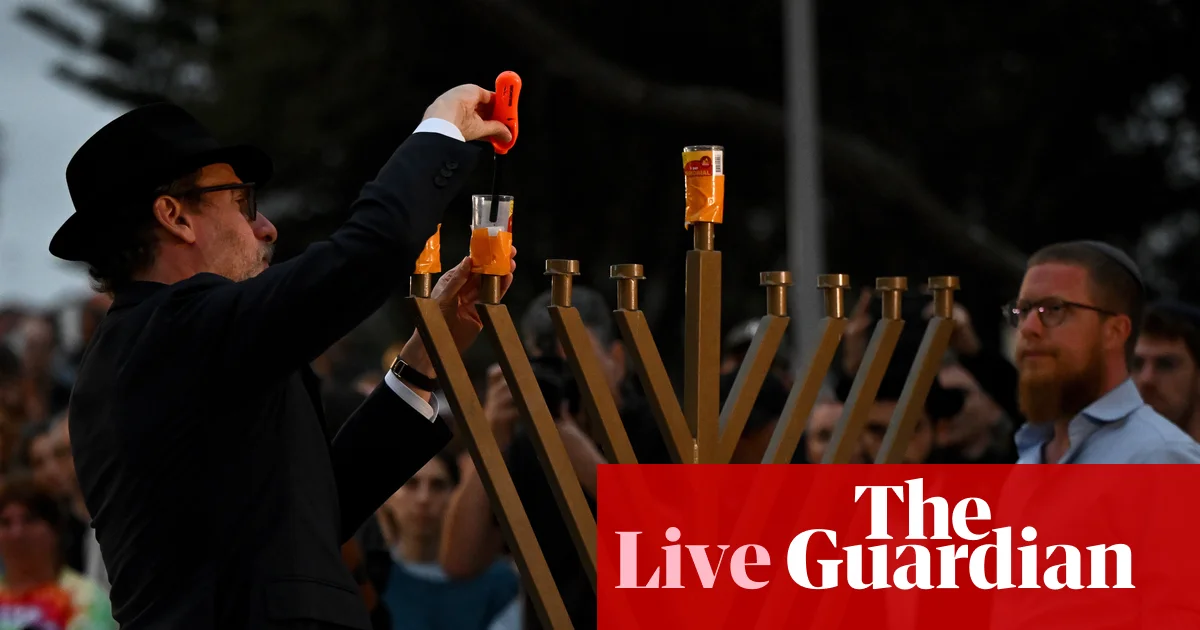
Amidst the tragedy, stories of heroism and solidarity have emerged. Ahmed al Ahmed, a Muslim father-of-two, became a symbol of resistance when he disarmed one of the gunmen, risking his own life in the process. Donations exceeding A$1.3 million highlight the collective recognition of ordinary citizens acting in extraordinary circumstances. Leaders from Sydney’s diverse communities, including Rabbi Gabi Kaltmann and others, organized vigils and public Hanukkah events to honor the victims, reinforcing the vital importance of multicultural unity. Sources like international analysts and local historians point out that these acts of communal solidarity serve as a bulwark against the divisive forces of hate, demonstrating that societal resilience can outshine darkness—if only united against such evil.
Nevertheless, critics argue that authorities had warning signs and failed to prevent the tragic events, a concern reflecting broader international discourse on how governments manage the rise in hate crimes and extremist ideologies. Critics reference Australia’s earlier enactment of an antisemitism strategy, which some now deem insufficient, while others, including PM Albanese, vow to intensify efforts to stamp out anti-Semitism. This echoes global concerns that national responses must evolve, incorporating intelligence, community engagement, and legislation—elements that together shape the geopolitical response needed to combat the far-reaching tentacles of radicalism. As history continues to write itself, the weight of this moment presses heavily: how nations respond now will influence societal stability and international perceptions for generations to come.





