
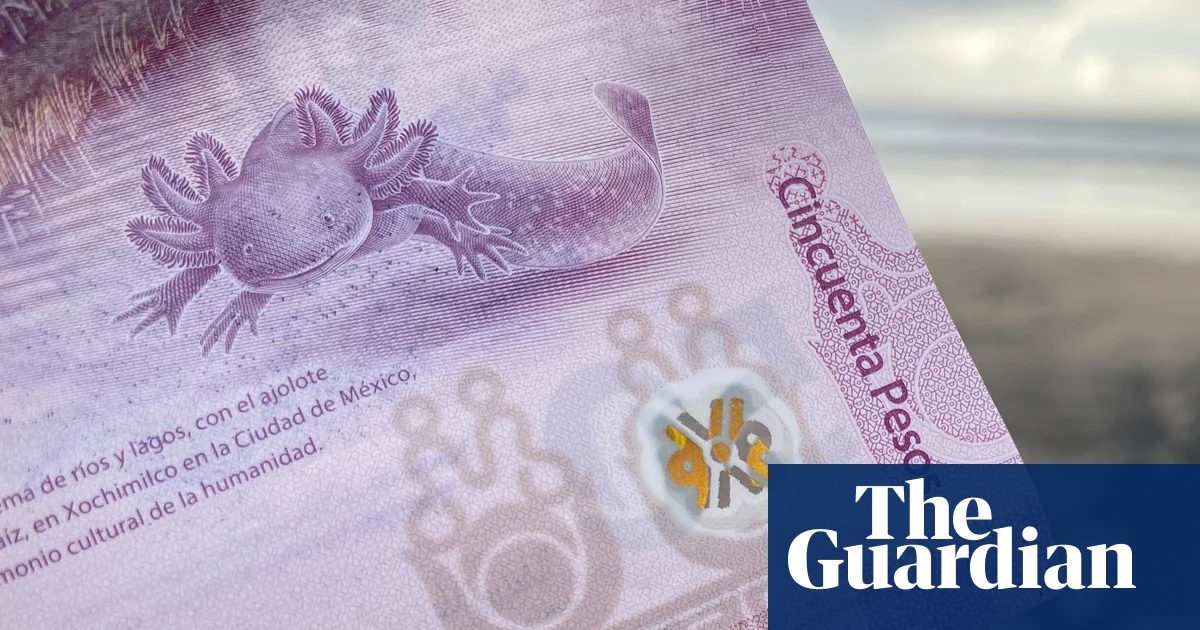

The Enduring Symbol of Mexico: Gordita the Axolotl and the Fight for Nature
In a story that intertwines national identity, environmental crisis, and cultural resilience, Mexico recently spotlighted its beloved axolotl, affectionately named Gordita. Once a humble museum inhabitant, she has now become the face of Mexico’s ecological and cultural heritage, immortalized on a banknote that garnered international recognition. The depiction of Gordita as the model for the country’s iconic salamander has sparked both national pride and concern—highlighting the alarming decline of her species in the wild and raising questions about the impacts of environmental mismanagement. As the Bank of Mexico’s report shows, nearly 13 million Mexicans cling to this banknote, often valuing it far above its monetary worth, reflecting a deeper cultural connection to the species that symbolizes Mexico’s natural storytelling.
The fight to preserve the axolotl exemplifies a broader conflict that echoes across the globe: the struggle between development and conservation. Historically revered by the Aztecs—who considered the axolotl a divine creature linked to their gods—the species has now been pushed to the brink of extinction in its natural habitat. Today, fewer than 40 axolotls per square kilometer survive in Xochimilco, the last remaining natural refuge, making the species a living emblem of ecological crises faced by many Latin American countries. Historians and environmentalists warn that without urgent measures, this iconic species could soon vanish entirely from the wild, save for the controlled environments of museums and research facilities. This critical diminishing population is emblematic of how urbanization, water pollution, and habitat destruction threaten countless local species, with far-reaching consequences for Mexico’s biodiversity and cultural identity.
The cultural resonance of the axolotl extends beyond its ecological significance; it symbolizes resilience amidst adversity. As Mexican society grapples with rapid urban growth and environmental neglect, the story of Gordita reveals the importance of cultural conservation in environmental efforts. Pamela Valencia, founder of the Axolotitlán museum, underscores this connection, emphasizing that “we cannot save what we do not know exists.” The public’s attachment to Gordita on banknotes and souvenirs signifies a burgeoning awareness—yet it also highlights an urgent reality: traditional ecological knowledge and indigenous values are increasingly at risk as species like the axolotl slip toward extinction.
In an era marked by international tensions and shifting alliances, the fate of the axolotl serves as a stark reminder of the global responsibility to protect our natural heritage. The United Nations and several international environmental organizations have recognized that biodiversity loss is a crisis with geopolitical implications—an erosion of national identities and indigenous cultures. Some analysts suggest that the decline of Mexico’s native species could become a warning sign for other nations with similar biodiversity treasures under threat. The story of Gordita is more than a local concern; it underscores a critical turning point in how nations prioritize conservation, respect their natural history, and confront environmental challenges in a globalized world.
As the narrative continues to unfold, the question remains: will the world heed the cries of species like the axolotl, or will their voices be drowned out in the cacophony of development? The recent surge in hoarding and speculative trading of the banknote points to a profound emotional and cultural investment—yet the true battle lies in implementing policies that reconcile progress with preservation. The coming years will define whether Gordita and her kind will remain iconoclasts of a bygone era or symbols of a renewed commitment to environmental stewardship. The pages of history are turning—what story will be written when future generations look back on this time? Will they see a triumph of resilience or the tragic silence of extinction?





