Matox News

Truth Over Trends, always!

El Mencho: The Notorious Criminal Powerhouse Behind Mexico’s Most Wanted List

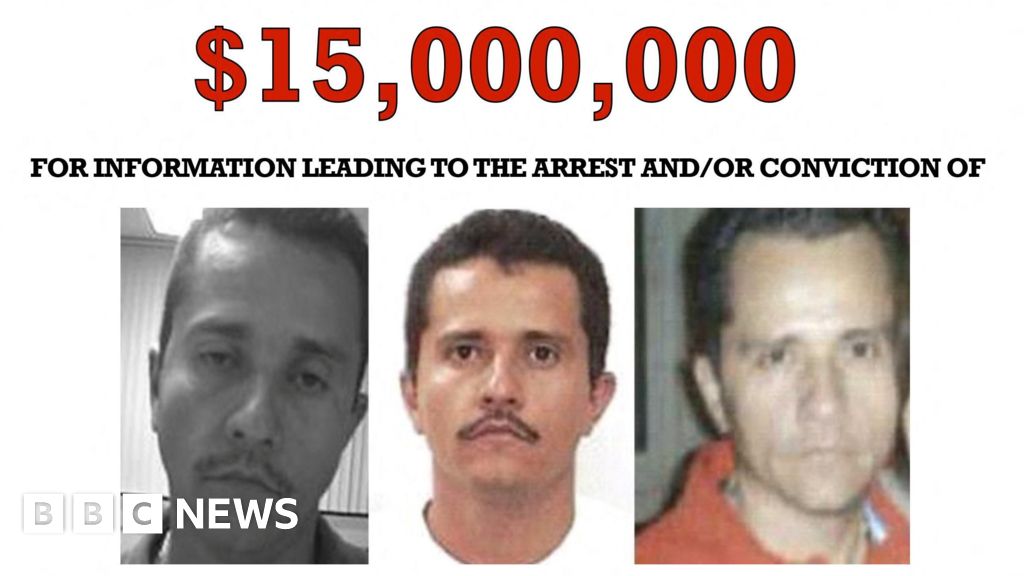
The international landscape of organized crime has once again demonstrated its profound influence on global stability, as the ascent of Nemesio Oseguera Cervantes, better known as ‘El Mencho’, underscores the complex interplay of violence, economics, and geopolitics shaping nations today. Originating from humble rural roots in the western state of Michoacán, Mexico, ‘El Mencho’ swiftly ascended the ranks of criminal dominance, leading the infamous Jalisco New Generation Cartel (CJNG)—a behemoth of brutality and strategic sophistication. His rise exemplifies how criminal organizations can extend their influence beyond borders, challenging law enforcement efforts and destabilizing entire regions.

The emergence of ‘El Mencho’ underscores a broader trend of criminal enterprises becoming de facto geopolitical players. Driven by ruthless ambition, CJNG has wrought havoc across Mexico, but its reach extends into the United States and Central America, affecting the socio-economic fabric of multiple societies. International organizations, such as the United Nations Office on Drugs and Crime (UNODC), warn that cartels like CJNG threaten the sovereignty of nations, facilitating not only drug trafficking but also corruption, violence, and destabilization. Analysts emphasize that these organizations often leverage political vulnerabilities, undermining state authority and complicating diplomatic efforts to restore peace and order.

Decisive moments, such as U.S.-Mexico security collaborations and Colombian anti-narcotics initiatives, highlight the ongoing global struggle to contain these shadow armies. Yet, despite increased efforts, figures like ‘El Mencho’ remain elusive, symbolizing the resilience and adaptability of criminal networks. Historians warn that these forces threaten to undo decades of progress in regional security, transforming local turf wars into international crises. As geopolitical analysts reflect on recent developments, they suggest that failure to address the root causes—poverty, corruption, and weak institutions—may serve only to prolong the chaos.

In this unfolding era, where drug cartels evolve from mere criminal syndicates into formidable geopolitical actors, the stakes have never been higher. Nations grapple with the reality that the decisions made today—be it increased security measures, intelligence sharing, or socioeconomic reforms—will determine the course of history. The story of ‘El Mencho’ exemplifies how a single figure, born in modest circumstances, can rise to threaten regional stability, transforming the fabric of nations into battlegrounds of influence. As the world watches and reacts, history continues to unfold, reminding us that in the shadows of crime, true power may ultimately be held by those who manipulate chaos to their advantage—and the consequences for societies will echo for generations to come.
El Mencho, Mexico's top drug kingpin, taken out in military raid
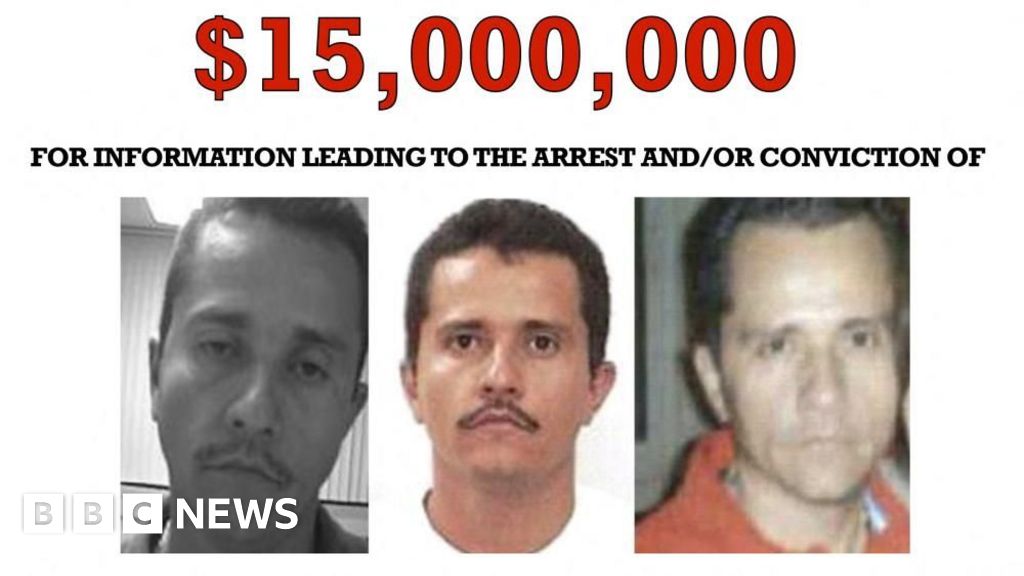
El Mencho, Mexico’s top drug kingpin, taken out in military raid

The name Nemesio Oseguera Cervantes, better known as “El Mencho,” is etched into the annals of international crime as the leader of one of Mexico’s most formidable drug cartels. This notorious figure symbolizes not only the persistent challenge of organized crime in Latin America but also the broader geopolitical implications that ripple across continents. As law enforcement agencies worldwide gear up in a relentless pursuit, analysts underscore that the flickering of El Mencho’s influence is a defiant testament to the resilience of transnational criminal syndicates amid a changing global landscape.

El Mencho’s cartel has expanded its reach far beyond Mexico’s borders, fueling violence and destabilization that defy national boundaries. International organizations such as the United Nations Office on Drugs and Crime (UNODC) warn that these organizations now operate with unprecedented sophistication, integrating money laundering, trafficking, and cybercrime into a seamless web that ensnares societies. The geopolitical impact of their operations extends into U.S. border states, Central America, and even distant regions where illicit flows threaten regional stability. Governments, particularly in North America and Central America, have responded with increased military and law enforcement cooperation, yet the entrenched nature of such cartels complicates efforts to dismantle these sprawling networks.

Historian and geopolitical analyst Professor James Patterson highlights a critical turning point: “El Mencho’s resilience exemplifies the unintended consequences of decades-long drug policies that have prioritized interdiction over root causes.” In this context, the ongoing campaigns to target cartel leadership often result in power shifts rather than eliminations, allowing new figures to rise and perpetuate chaos. The international community’s divided tactics reflect a broader debate about how to effectively confront and eradicate these socio-economic tumors without exacerbating violence or undermining sovereignty.

As questions about the future intensify, the core concern remains: how do nations adapt to and contain the far-reaching influence of such criminal entities? The very fabric of societal stability is at stake, with vulnerable communities bearing the brunt of violence and corruption. Meanwhile, some voices warn that persistent efforts to dismantle powerful cartels risk collateral damage, potentially destabilizing regional politics and economies further. Throughout history, the rise and fall of criminal regimes have often shaped the course of nations, and El Mencho’s persistent grip on the drug trade signals that this phase of the struggle is far from over. The ongoing saga reflects a stark reality — that the decisions taken today will intricately weave into the fabric of future geopolitics, perhaps for generations to come.

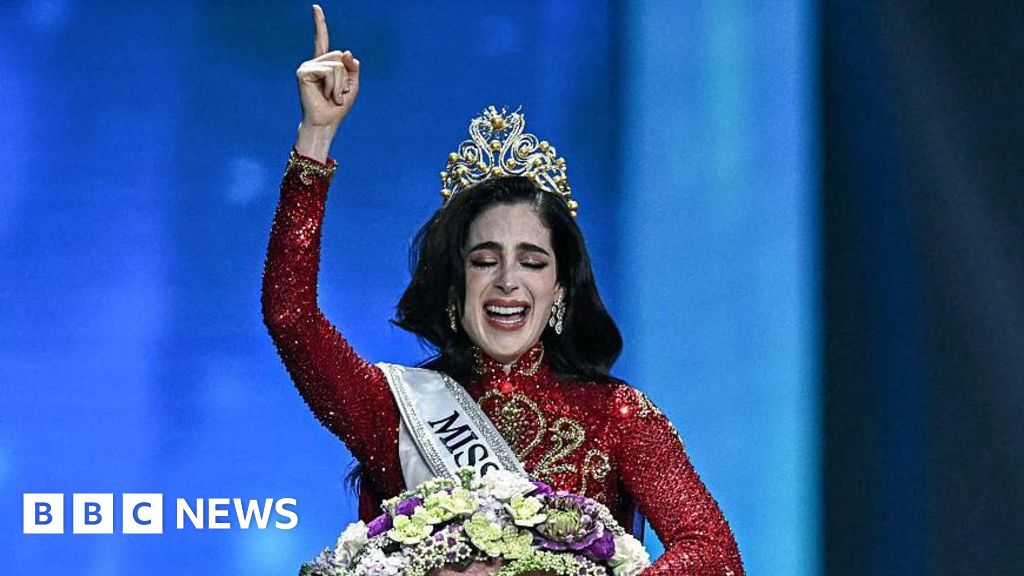
Mexico’s Fatima Bosch, snubbing organizers, takes home the crown

International Tensions Rise as Miss Universe Unravels Amid Cultural and Leadership Turmoil

In what was meant to be a celebration of beauty, resilience, and cultural diversity, the recent Miss Universe pageant in Bangkok has spiraled into a spectacle of controversy, exposing deep fissures within the organization’s leadership and the cultural divides that underpin its global outreach. The pageant, venerable and historically influential since its inception in 1952, has become a mirror reflecting the increasing tensions between traditional values and progressive ideology, with Thailand hosting for the fourth time amid internal chaos. Experts and analysts suggest that these upheavals are emblematic of a broader, more alarming trend: the clash of conflicting cultural identities and the fragility of global institutions in today’s geopolitically charged environment.

The drama unfurled dramatically during a pre-pageant event when Thai media mogul Nawat Itsaragrasil, who holds the licence to organize this year’s event, publicly berated Miss Mexico, Fatima Bosch, for failing to promote products on social media. This confrontation, witnessed by dozens of competitors, saw the organizer threaten disqualification, prompting a walkout from Ms. Bosch and her supporters. Such indignities cast a shadow over the organization, prompting swift condemnation from the Miss Universe organization based in the United States. The incident underscored a deeper crisis—an organizational identity crisis driven by conflicting cultural expectations. International observers, including scholars like Thitiphong Duangkhong, warn that the disrespect shown to contestants signals a disconnect between the Thai-led event and the global audience, many of whom view the pageant as an empowering platform for women rather than a spectacle of hierarchy and authority.

Adding fuel to the fire, allegations of rigging and biased judging surfaced when two judges resigned suddenly. Lebanese-French musician Omar Harfouch accused the judges of pre-selecting finalists, suggesting an undercurrent of corruption that threatens the credibility of the event. Although the Miss Universe Organization refused these claims, asserting their process remains fair, the damage was done. Meanwhile, the leadership remains fractured, with Anne Jakrajutatip, a Thai transgender media mogul who pioneered inclusivity policies, having stepped down as CEO just prior to the competition. Her departure, following the organization’s attempt to shift towards a more socially conscious yet commercially challenged model, highlights the digitized, commercialized era the pageant now finds itself in—a far cry from its glamourous, once-a-year TV spectacle. The leadership vacuum, split between Bangkok and Mexico, exposes the vulnerabilities of a brand struggling to navigate the tumultuous terrain of modern media, as noted by industry analysts.

The Geopolitical Impact and Social Consequences

These internal developments are far more than organizational gossip; they reverberate across the international stage. The controversies expose the susceptibility of cultural diplomacy, as the pageant’s African, Asian, and Latin American fans question the legitimacy and authenticity of a contest often seen as a reflection of Western beauty standards. The rise of social media influencers—many former Miss Universe queens—demonstrates a seismic shift in how societal influence is cultivated, transcending traditional pageantry. Meanwhile, the splintering leadership hints at a larger trend: the decline of institutions rooted in outdated notions of glamour, now vulnerable to the tides of activism, social justice movements, and digital advocacy.

Veteran analysts and historians cite that the Miss Universe pageant’s turbulent transition underscores the wider cultural war playing out in global narratives. As some critics argue, the Pageant’s attempt at inclusivity—allowing transgender women, married women, and contestants with children—marked a progressive milestone, yet also stoked backlash among conservative factions, especially in Latin America and parts of Southeast Asia. The ongoing instability invites parallels with other international institutions struggling to adapt amid geopolitical shifts, where traditional authority is challenged by populist movements and social activism, reminiscent of debates over multilateral treaties and cultural sovereignty. The core question remains: can such a fractured organization preserve its relevance and moral authority as the tide of history insists on redefining societal values?

The Future Echoes in the Shadows of History

As the dust settles over Bangkok, the question lingers—what is next for Miss Universe? Will it evolve into a media empire akin to the influencers who dominate TikTok and Instagram, or will it succumb to internal disarray and irrelevance? The decisions made in these critical moments will shape not only the future of the pageant but hint at the broader fate of global cultural icons caught between tradition and modernity. The echoes of history warn us: institutions built on fleeting notions of beauty and status are inherently fragile, especially when subjected to internal betrayals and external cultural clashes. The real story remains unwritten, a narrative of transformation that could either restore its dignity or consign it to the annals of history as yet another fallen symbol of a bygone era, leaving future generations to ponder whether it was the organization’s hubris or society’s shifting morals that doomed the pageant’s reign.”

Spain Apologizes for Past Wrongs Against Mexico’s Indigenous Communities

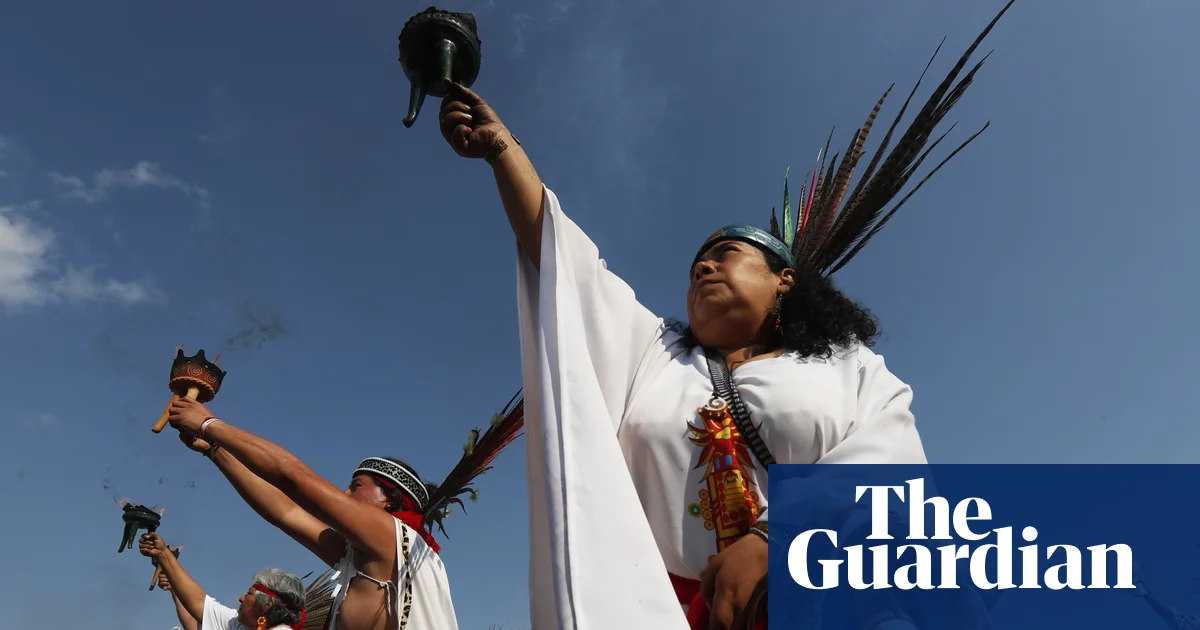
In a significant development that underscores the ongoing recalibration of historical narratives and diplomatic relations, Spain has publicly expressed remorse for the pain and injustice inflicted upon the Indigenous peoples of Mexico during its colonial conquest. This shift in tone marks a departure from years of diplomatic tensions and denotes a broader reconsideration of colonial histories that have long haunted international relations. After years of reluctance, Spain now acknowledges its role in a painful chapter of world history—an acknowledgment that many analysts see as an attempt to soften its global image and reinforce diplomatic ties within Latin America and beyond.

This time, the gesture comes amidst renewed calls from Mexico’s President Claudia Sheinbaum for a formal apology. In March 2019, Mexico’s then-president, Andrés Manuel López Obrador, had urged King Felipe VI and Pope Francis to address the atrocities committed during the conquest, including massacres and systemic oppression. Four years later, the Spanish Foreign Minister, José Manuel Albares, has responded with a more conciliatory tone. During an exhibition inauguration dedicated to Indigenous Mexican women, Albares reflected on “the countries’ joint history”—a statement that political analysts interpret as a strategic recalibration amidst shifting regional dynamics.

Global institutions have started to weigh in on the matter, recognizing the importance of historical memory in shaping contemporary geopolitics. While some see statements of remorse as symbolic gestures, others argue that such apologies serve to build a platform for future collaboration, countering rising anti-colonial sentiments and fostering political stability.

  • Key events include Mexico’s 2019 appeal for an apology, and the recent Spanish acknowledgment that emphasizes “a first step” towards reconciliation.
  • International repercussions involve potential shifts in diplomatic alignments, especially as Spain seeks to bolster its influence within Latin America, where indignation over colonial abuses remains strong among growing youth populations.
  • The consequences for societal perception are profound, as recognition of past wrongs can catalyze debate about justice, reparations, and the legacy of colonialism in shaping modern identities.

Historically, the conquest of Mexico in 1519 marked the beginning of centuries of Spanish dominance, characterized by conquest, cultural upheaval, and the forced conversion of Indigenous populations. Yet, as international organizations like UNESCO and historians worldwide document this era, a new narrative emerges—one that calls for accountability, acknowledgment, and a reevaluation of what it means to belong to a shared history. The recent overtures by Spain, though symbolic, hint at an underlying shift in the geopolitical landscape—where past injustices are no longer hidden beneath diplomatic silence but are brought into the light of contemporary dialogue.

As global powers navigate this fragile terrain, the weight of history presses inexorably forward. Spain’s admission of guilt is not merely a historical footnote; it is a turning point that reverberates across borders, igniting debates about justice and sovereignty. With each diplomatic gesture, the past and present intertwine, shaping the future of international relations. In this unfolding story of reconciliation, history’s pen continues to write, leaving us to ponder: How will this chapter be remembered in the annals of a world still finding its moral compass? The answer remains unwritten, and the shadow of history continues to cast its long, indelible shadow across the pages of history’s ongoing narrative.

Social Media Auto Publish Powered By : XYZScripts.com