Matox News

Truth Over Trends, always!

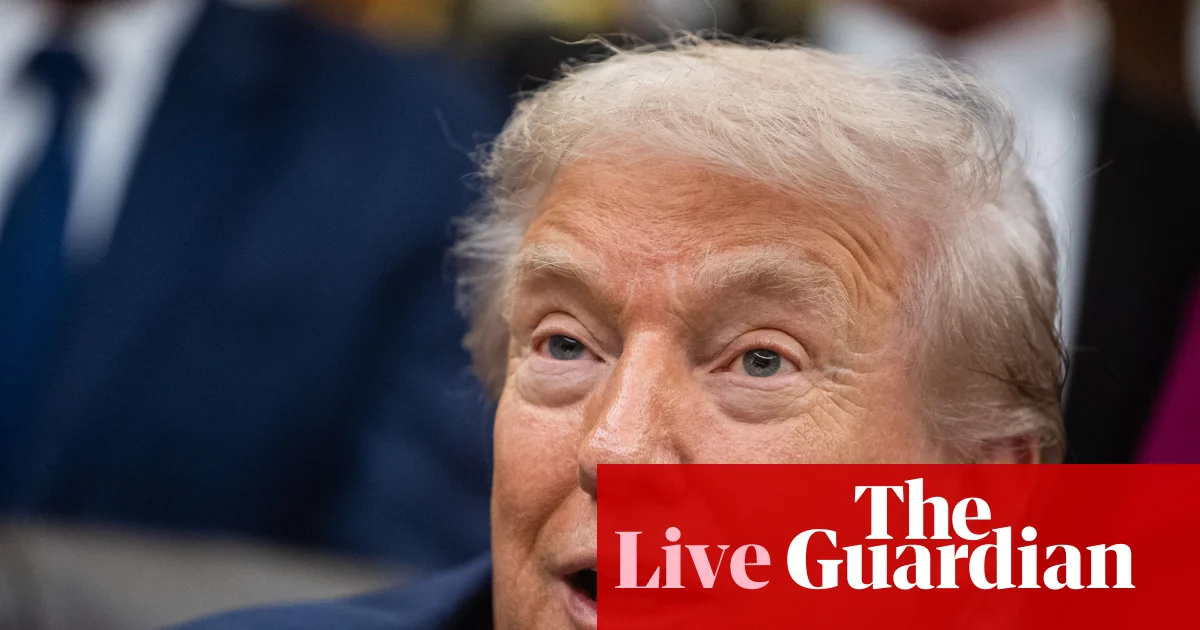
Trump faces backlash over controversial comments on Rob Reiner and wife Michele – latest updates

The international stage continues to unravel in a complex tapestry of diplomacy, conflict, and political posturing. The recent developments surrounding Ukraine and U.S. negotiations underscore the persistent drive for peace amid ongoing territorial disputes. According to Ukraine’s top negotiator, Rustem Umerov, there have been “constructive and productive” talks, with hopes of forging a lasting peace. Yet, behind these diplomatic efforts lie intractable issues, notably the contested control of Donetsk and Luhansk regions, which remain pivotal in the broader conflict. Analysts from various think tanks and international organizations warn that unresolved territorial disputes could prolong the war, with repercussions that ripple far beyond Eastern Europe.

Meanwhile, the U.S. continues to exert influence over Ukraine’s territorial negotiations, demanding that Kyiv cede control of the Donbas regions as a precondition for peace talks. Reports from Reuters and AFP reveal that US negotiators are maintaining this stance, asserting that Russia’s primary objective is to reclaim territory—an assertion that Kyiv vehemently rejects. This insistence by Washington reflects a deeper strategic positioning, revealing how geopolitical interests are entwined with territorial sovereignty. In stark contrast, Russian President Vladimir Putin is said to prioritize territorial expansion, seeking to consolidate control over areas critical to Russia’s national security. The conflicting demands exemplify a broader chess game involving multiple nations, each vying to shape the future of a region that increasingly symbolizes the battleground of post-Cold War influence.

The European leaders, led by Friedrich Merz of Germany, actively participate in these talks, hosting discussions with Ukrainian President Volodymyr Zelenskyy and other key figures. The presence of Trump’s envoy, Steve Witkoff, and Jared Kushner underscores the continued interest from U.S. factions seeking a role in resolving the conflict — although their involvement is contentious amidst concerns over biases and diplomatic effectiveness. This dynamic illustrates the shifting boundaries of influence and the perilous dance of diplomacy in a Europe teetering on the edge of prolonged instability.

Simultaneously, domestic policy debates in America reveal a nation deeply divided on how to approach foreign conflicts and internal crises. Notably, the rhetoric of Donald Trump and Ilhan Omar exemplifies the tumult within U.S. politics—ranging from accusations of “disgusting” statements to allegations of government overreach. Recent reports highlight Trump’s plans to sign executive orders reclassifying marijuana, signaling a possible pivot that could reshape America’s drug policy landscape. Yet, as analysts warn, these decisions carry profound implications for international perceptions of U.S. stability and leadership in safeguarding democratic values.

In this ever-unfolding chapter of history, the fate of nations hangs precariously in the balance. As Ukraine‘s leaders wrestle with territorial sovereignty and U.S. policymakers grapple with internal divisions, the echoes of past conflicts and missed opportunities reverberate across continents. The meticulous power struggles and diplomatic negotiations of today are but threads woven into the larger fabric of history—each decision, each bold move, shaping the future of global stability. As world leaders convene in Berlin and elsewhere, the question remains: how long can the fragile veneer of peace hold before the next chapter of conflict demands its place in the annals of history?
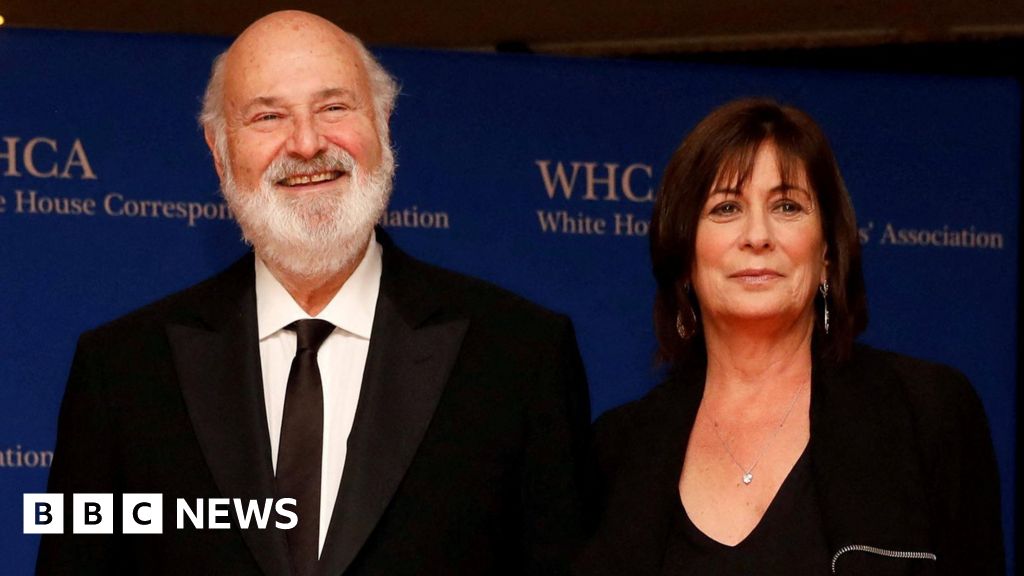

Hollywood director and wife Michele tragically found dead at LA home

Hollywood Legend Rob Reiner and Wife Michele Found Dead in LA: A Tragic Turning Point with Global Resonance

The sudden death of Rob Reiner, a revered filmmaker and actor whose career spanned over five decades, has sent shockwaves through the entertainment industry and the broader cultural landscape. Found lifeless alongside his wife Michele in their upscale Los Angeles Brentwood home, authorities are investigating the incident as an apparent homicide, marking a disturbing turning point in American cultural history. The implications extend far beyond individual grief, igniting conversations about societal safety, political activism, and the enduring influence of Hollywood on global narratives.

Reiner’s legacy is deeply intertwined with eras of social change, both in cinema and in activism. Known for directing enduring classics like The Princess Bride, When Harry Met Sally, and A Few Good Men, he was celebrated not only as a Hollywood icon but also as a passionate advocate for social justice. California Governor Gavin Newsom called him a “big-hearted genius”, emphasizing how his works contributed to shaping American values. As an influential figure, Reiner’s life reflected a powerful connection between cultural influence and societal responsibility, inspiring millions worldwide to pursue justice, civility, and purpose. The discovery of his death in his homeprised the nation but also ignited broader concerns about rising violence and societal instability.

  • The Los Angeles Police Department responded swiftly, opening a homicide investigation into the circumstances surrounding Reiner’s and his wife Michele’s deaths.
  • The authorities revealed that both bodies were found hours after emergency services received a call for aid, but no immediate details about injuries or weapon use were disclosed.
  • The incident underscores a widening cultural fissure, where the glittering veneer of Hollywood often masks darker trends of societal decay.

Global institutions and cultural voices have highlighted the incident as symptomatic of a troubled era. United Nations-aligned analysts have warned that such tragedies underscore the importance of strengthening community safety and resilience. Meanwhile, international leaders point to the incident as a haunting reminder of the delicate balance between public figures’ private lives and the societal obligation to safeguard all citizens. Prominent voices like Barack Obama underscored Reiner’s contributions, noting his dedication to humanitarian causes and his capacity to inspire generations with stories that reflect the enduring human spirit. This tragedy is not merely a personal loss but a stark symbol of how societal upheavals influence even the most iconic figures.

Historians and critics are already framing this event within a wider context of cultural reckoning. Some suggest it serves as a poignant call to action—a reminder of the persistent need to address violence, mental health, and social inequality that threaten to fracture societies worldwide. The impact of Reiner’s films transcends entertainment; they serve as mirrors reflecting societal hopes, fears, and lessons. As countries grapple with similar issues—ranging from rising crime to political extremism—the death of Reiner and his wife could catalyze renewed calls for social reform and civic activism. The world now watches with bated breath, as the figures behind the camera—whose voices once sought to challenge injustice—become silent witnesses to the ongoing struggle. In this moment of profound loss, the question remains: how will history remember the stories they leave behind, and what legacy will endure from this tragic chapter?

Social Media Auto Publish Powered By : XYZScripts.com


