Matox News

Truth Over Trends, always!

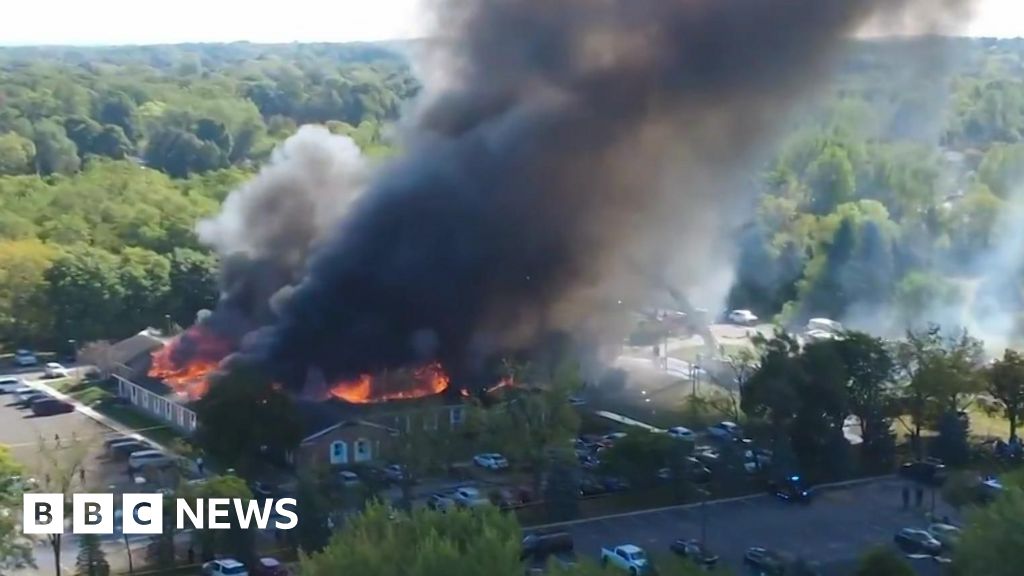
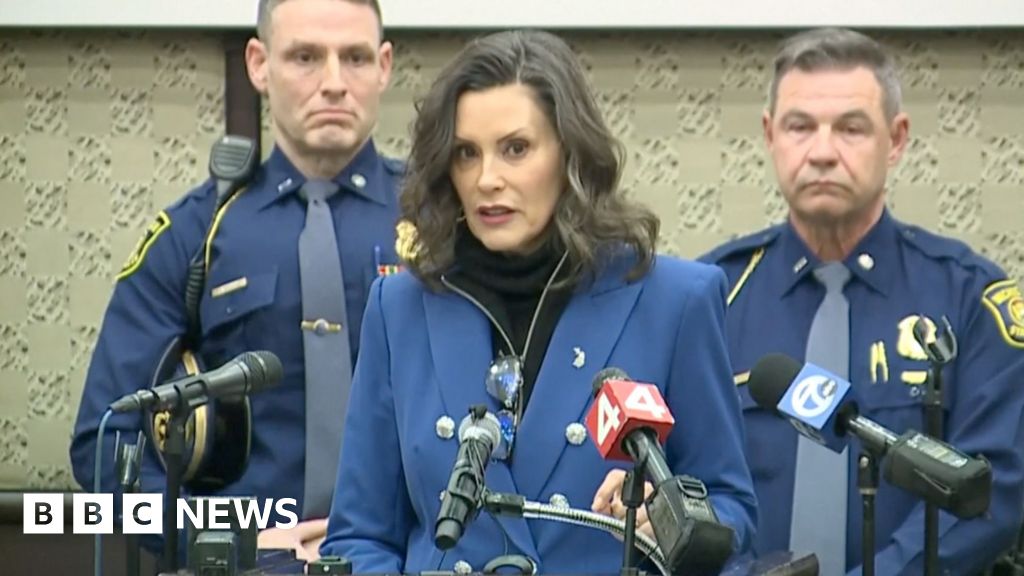
Michigan synagogue attack a clear act of hate, warns governor

In what experts are calling a disturbing escalation of domestic violence, authorities in the United States have officially classified a recent incident as a “targeted act of violence against the Jewish community”. The FBI’s investigation underscores the ongoing challenges faced by minority communities within national borders, yet the motive behind this attack remains elusive, leaving many to question the underlying societal tensions that continue to threaten social cohesion in Western democracies.

From a geopolitical perspective, such acts of targeted violence trigger a ripple effect that extends far beyond national borders, fueling concern in Israel, European Union, and allied nations. Many analysts argue this incident is symptomatic of a rising tide of anti-Semitism and political extremism, fueled by a volatile global climate of misinformation, radical rhetoric, and socio-economic upheaval. International organizations like the United Nations and European Parliament have continually warned that domestic terror tactics threaten the ideological stability of multicultural societies and can destabilize geopolitical alliances.

Historian and geopolitical analyst Dr. Edward Marks emphasizes that such violence acts as a catalyst for destabilization, often prompting international scrutiny and diplomatic tensions that complicate efforts for global cooperation. The incident exemplifies the fragile nature of social trust within liberal democracies, where internal divisions can ignite wider conflicts if not addressed decisively. Meanwhile, critics are drawing parallels to similar episodes in Europe and elsewhere, where rhetoric aligning with anti-establishment and nationalist movements has created fertile ground for hate crimes. The FBI’s cautious stance—avoiding immediate attribution of motives—reflects the complexity of the threat, which is often intertwined with broader geopolitical shifts and the resurgence of ideological extremism worldwide.

As nations around the globe monitor the fallout, the decision-making networks facing this crisis are grappling with how best to contain and counteract these threats. The incident is viewed not merely as an isolate event but as part of a larger pattern of rising nationalist sentiments and ideological polarization. The international community is increasingly aware that these internal conflicts threaten the stability of alliances and international norms. As the United States grapples in its internal political arena, the echoes of this incident serve as a stark reminder that the fight against violence and hatred must be fought on numerous fronts, from law enforcement to educational reform and social policy.

Ultimately, this event leaves a profound question hanging in the air: how will nations respond to the mounting evidence that ideological extremism is a growing global threat? With history witnessing the devastating consequences of unchecked hatred and division, the decision to confront and address these issues decisively will shape the course of societal development for generations to come. As the world watches, the weight of history presses heavier, threatening to tilt the fragile balance of peace toward chaos if decisive action is not taken—reminding us that in the relentless march of history, the battle for societal stability is never truly over, and the next chapter remains unwritten.
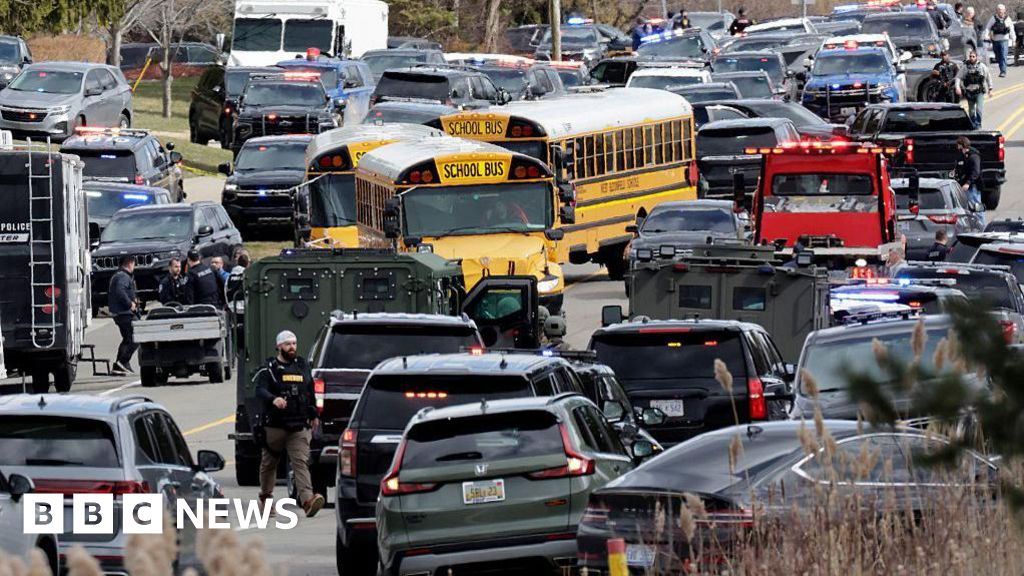
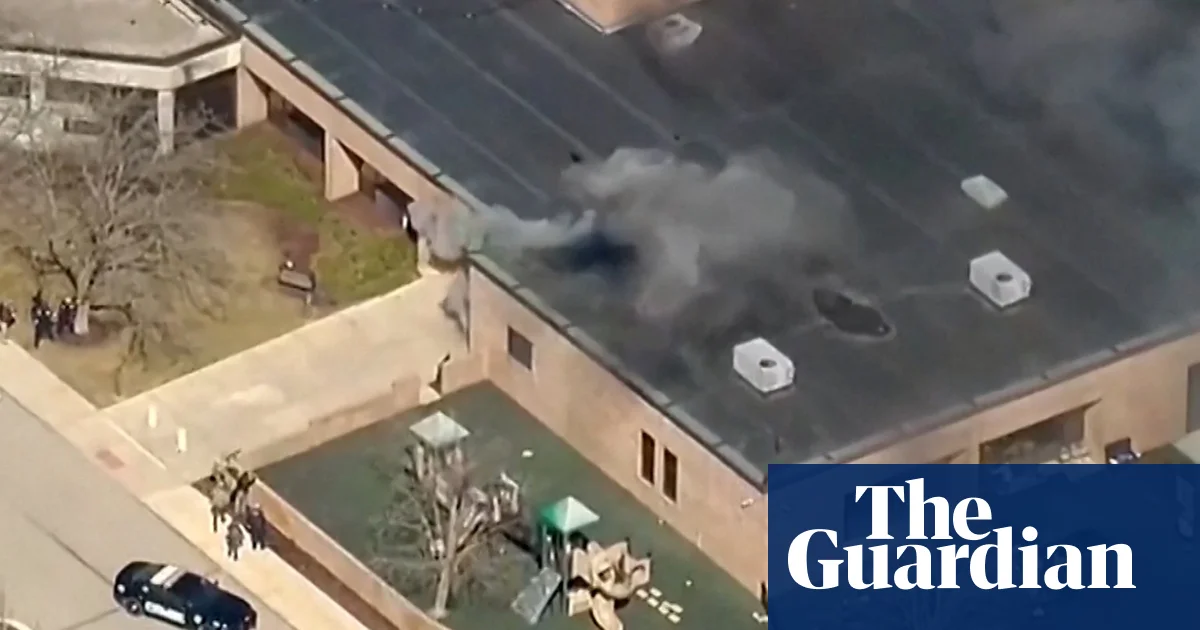
Suspect killed after attempting deadly attack on Michigan synagogue

In a concerning development that underscores rising tensions worldwide, the FBI has announced that an incident occurring recently is under investigation as a targeted act of violence against the Jewish community. This move signals not only the gravity of the event but also highlights an escalation in attacks directed at religious and ethnic minorities across the globe. With political rhetoric and extremist ideologies fueling divisions, authorities now face the formidable challenge of safeguarding vulnerable populations amidst a shifting geopolitical landscape.

Historically, acts of violence against minority groups have often presaged broader societal fragmentation. Experts from international institutions, such as the United Nations, have repeatedly warned about the dangerous consequences of unchecked hate crimes, noting that such events often serve as catalysts for social upheaval. Analysts emphasize that movements driven by nationalist, supremacist, or divisive narratives tend to gain momentum during periods of political uncertainty, amplifying the threat of violence. The recent FBI statement underscores how, in the digital age, radicalization can rapidly manifest into dangerous acts, impacting diplomatic relations and domestic stability alike.

The geopolitical impact of these incidents extends beyond national borders. Countries that harbor large Jewish communities or are engaged in ongoing conflicts with extremist factions have become increasingly vulnerable to retaliatory violence and diplomatic tensions. The incident’s investigation may influence international relations, particularly if it connects with broader plots or extremist networks. As geopolitical analysts caution, when acts of terror strike minority communities, the repercussions ripple through diplomacy, security policies, and societal cohesion in multiple nations. This event comes at a time when many governments are reevaluating their counter-terrorism strategies amidst a backdrop of global instability and ideological conflict.

Through the lens of history, such episodes are reminders that the struggle over identity, security, and sovereignty is far from over. Prominent historians have noted that societies often grapple with these issues during moments of change, potentially marking turning points in national narratives. International organizations, meanwhile, stress the importance of unity in the face of division, urging countries to combat hate with resilience and strengthened cooperation. Yet, as events unfold, the shadow of history reminds us that the choices made today will shape the very fabric of future societies. As night falls on a fragile world, the weight of this unfolding saga leaves one question posed to all: how will nations rise to meet the tide of hatred, or succumb to it?

Suspect in Michigan synagogue attack shot dead by security—justice served

The recent attack at Temple Israel in West Bloomfield, Michigan underscores a growing concern over domestic threats catalyzed by wider geopolitical and ideological shifts. A man drove his vehicle into the synagogue, an act quickly neutralized by security personnel. While no fatalities occurred, the incident resulted in injuries and the discovery of explosives within the vehicle, prompting a swift law enforcement response. This event appears to be more than isolated violence; it is emblematic of escalating antisemitic rhetoric and targeted violence within vulnerable communities in the United States, raising alarms among international observers and policymakers about the stability of social cohesion amidst rising tensions.

Analysts note that incidents like this occur within a broader context of ideological polarization and radicalization fueled by global conflicts. The FBI’s presence at the scene and the deployment of bomb squads reflect the seriousness with which authorities are treating domestic terrorist threats. According to international security experts, such acts are often exacerbated by echo chambers online and political rhetoric that fosters division. The incident echoes a disturbing pattern highlighted by academics such as Dr. Laura Shepherd, who warns that “domestic extremism is increasingly intertwined with global narratives of conflict, turning localities into battlegrounds for ideological supremacy.”

The geopolitical impact of these tragedies extends beyond national borders. The United States, as a global leader, must grapple with how internal conflicts impact its international standing and security partnerships. The incident coincides with ongoing debates about security policies and the balance between civil liberties and national safety. Meanwhile, authoritarian regimes worldwide see such events as opportunities to discredit democratic systems—portraying them as fragile or incapable of maintaining law and order. The international community observes, in particular, the response of the United States in demonstrating resilience and commitment to protecting minority rights, a vital measure amidst a geopolitical climate rife with instability and conflict.

As officials and communities vigilantly respond to this attack, the core question remains: how will this event shape societal resilience in the face of rising domestic terrorism and ideological strife? History suggests that moments of crisis often serve as crucibles, testing national values and unity. The incident at Temple Israel could be a catalyst for renewed debate on security, social cohesion, and the role of international influence in shaping domestic ideology. How nations respond—by strengthening defenses, addressing root causes, or succumbing to division—will determine whether the fabric of pluralistic societies unravels or gains strength.

In the shadows of these unfolding events, history continues to write itself. The weight of collective memory presses heavily upon this moment—a reminder that the flames of intolerance can ignite with devastating speed, yet human resolve and international cooperation can forge pathways toward understanding and security. The distant echoes of past conflicts and the flashpoints of today merge in a reminder that the future remains unwritten, yet every decision holds the power to shape the course of history. As the world watches, it is crucial that this chapter not be defined by fear and division, but by courage and resolve—a legacy that, no matter how fragile, can be defended against the darkness that seeks to engulf it.

Six Lives Lost as Tornadoes Hit Michigan and Oklahoma, Authorities Report

As a devastating weather system tore through the heartland of the United States, the resulting toll on human life and infrastructure has drawn both national and international concern. Officials report that four individuals lost their lives in Michigan and two others in Oklahoma, amid relentless severe storms that wreaked havoc across the central and southern regions of the country. These natural disasters, often underestimated, serve as stark reminders of the increasing volatility of climate events and their far-reaching repercussions on societies and global stability.

Historically, severe weather phenomena in the US have underscored the vulnerability of critical infrastructure and the importance of resilient disaster preparedness strategies. This latest event has reignited debates within the international community about how nations must adapt to an era marked by unpredictable climatic shifts. Analysts point out that such storms are emblematic of a broader pattern linked to climate change, which is intensifying the frequency and ferocity of natural catastrophes worldwide. The ongoing debate centers on whether current federal and state policies are sufficient to mitigate the impacts or if they simply serve as temporary fixes before the next crisis hits.

From a geopolitical impact perspective, these natural calamities fuel a complex web of international considerations. Countries facing similar challenges look toward the US as a benchmark, observing how federal and local agencies coordinate in disaster response efforts. Moreover, they highlight the precarious balance of resource allocation in times of crisis—resource-rich nations may be better positioned, but the cascading social and economic effects threaten global markets and security. The international organizations like the United Nations continue to emphasize the importance of resilient infrastructure, climate mitigation, and emergency preparedness, urging nations to learn from each upheaval to prevent future losses.

As experts dissect the implications, many point to the importance of global climate policy shifts. Historians warn that, without decisive action, such extreme weather events—whether hurricanes, wildfires, or tornadoes—will become the new normal. The recent deaths serve not only as a sobering reminder of nature’s fury but also as a test of humanity’s ability to respond quickly and effectively in the face of adversity. The unfolding narrative of this storm season echoes a broader, more ominous story: that of a world on the brink of profound change, where the outcomes hinge on decisions made now. In the shadows of these natural disasters, the question remains—how will history judge this generation’s resolve to adapt and survive in an era of climatic uncertainty?

Michigan Mormon church shooting leaves 2 dead, many hurt—community shaken

The recent attack on the Church of Jesus Christ of Latter-day Saints in Michigan marks a disturbing trend within the United States that extends beyond its borders, highlighting an alarming rise in domestic violence incidents targeting religious institutions. According to authorities, a 40-year-old suspect, identified as Thomas Jacob Sanford, drove a vehicle into the church during a Sunday service, subsequently opening fire with an assault-style rifle. The incident resulted in at least two fatalities, with several more wounded, illustrating the stark reality of violence that continues to threaten societal stability. While immediate law enforcement responded swiftly, the attack underscores deep-rooted issues concerning urban violence and mental health crises, which many analysts warn are exacerbated by ongoing social and political divisions.

  • Authorities confirmed the suspect was shot dead by police within minutes, yet the chaos left a trail of destruction and trauma. The warning signs ahead of such tragedies are often overlooked; in this case, investigators are examining Sanford’s property and phone records, seeking to understand his motives. This event is not an isolated anomaly but part of a disturbing pattern that has seen places of worship become targets, as highlighted by U.S. President Donald Trump—who described the attack as “yet another targeted attack on Christians in the United States of America.”
  • Notably, the FBI has deployed 100 agents to aid in the investigation, reflecting the seriousness with which U.S. authorities are treating the incident. The immediate response and investigation demonstrate a state apparatus that remains committed to defending its citizens, but the question remains: at what cost does this security come, and how does it reshape societal perceptions of safety? Historians and security experts warn that such tragedies threaten to ignite a cycle of fear and mistrust, especially when linked with ideological or psychological motives.

The geopolitical implications of domestic violence are often underestimated, yet they carry profound consequences on the international stage. The United States, as a global leader, faces increasing scrutiny over its internal stability, with foreign observers questioning whether such internal fissures weaken its influence abroad. The rhetoric from national leaders, while aimed at unity, often grapples with the realities of a society frayed at the seams. Prominent voices—including analysts from international organizations—note that these violent episodes threaten to undermine America’s moral authority and global credibility, especially as conflicts elsewhere continue to escalate.

Furthermore, the incident in Michigan reignites debates surrounding gun control legislation and religious freedom. Critics argue that such violence is symptomatic of a broader cultural crisis, where ideological extremism and mental health neglect fuel these tragedies. The escalating violence in public spaces echoes concerns voiced by historians warning that repeated cycles of violence could reshape national identity, stretching the fabric of societal cohesion. As investigations continue and communities grieve, the world watches — ponderously aware that each event, each line in history, can alter the delicate balance of peace and chaos.

Ultimately, as history unfolds in real time, the tragedy in Michigan is more than a local crime; it is a stark reminder of the enduring struggle for moral clarity amid suffering, and the choices nations face when confronting internal divisions. The weight of this moment rests not just on the lives lost or wounded but on the collective resolve to confront a rapidly changing world with resilience and resolve. As the world turns its gaze toward the horizon, the question remains—how will nations and societies respond when the shadows of violence stretch ever longer? The answer awaits in the coming days, shaping the legacy of now amidst the unceasing march of history.

Multiple shootings target Mormon church in Michigan and bar in North Carolina — rising crime concerns alarm Americans

In a weekend marked by violence from the United States, a renewed focus has been cast upon the nation’s internal stability and the far-reaching geopolitical implications of its ongoing crisis of law and order. Multiple incidents, spanning from a heinous shooting at a Mormon church in Michigan to a series of gun-related tragedies across states, have resulted in widespread fatalities and injuries. The crisis of violence exemplifies the deep-rooted societal challenges that threaten to undermine America’s global standing, especially as the nation grapples with internal discord and calls for reform.

Among the most harrowing events was the targeted attack during a waterfront gathering in North Carolina, where a suspect piloted a boat to attack civilians with premeditation. Authorities identified Nigel Edge, of nearby Oak Island, as the perpetrator, who now faces a cascade of charges including multiple murders and attempted murders. The incident, described by police as “highly premeditated,” underscores a disturbing trend of organized violence that erodes public trust. Such acts of terror are increasingly viewed both as symptomatic of domestic instability and as potential catalysts for international concern, prompting analysis from security experts and international agencies.

Meanwhile, in Texas, a separate shooting at the Kickapoo Lucky Eagle casino resulted in the deaths of two individuals and injuries to several others. Law enforcement has yet to determine a motive, leaving the nation’s porous gun laws and escalating violence under scrutiny. The complications are compounded by ongoing debates in Congress where political deadlock hampers substantive reforms. Many international bodies, including the United Nations, have issued warnings that continued internal unrest could embolden adversaries and weaken America’s diplomatic clout. These events serve as a stark reminder of how internal weaknesses ripple outward, presenting vulnerabilities that rival states might exploit in pursuit of strategic gains.

The global community watches closely as the United States confronts its internal crisis—an example of how fragile stability can be in an era of widespread societal division. Critics point to the failure of legislative bodies to implement meaningful gun control, arguing that this not only compromises domestic safety but also tarnishes America’s image as a beacon of liberty and rule of law. As historian Dr. Patricia Mullen notes, “The inability of Congress to address structural issues reflects a broader decline in political cohesion, with consequences extending well beyond its borders.” The United States’ internal discord now threatens to reshape international alliances and influence global markets, especially as nations seek to position themselves around the emerging vulnerabilities of their superpower neighbor.

The unfolding of this violence-ridden weekend hints at a future where internal instability could serve as a turning point in global geopolitics, demanding vigilance and decisive action from leaders worldwide. The question remains: how much longer can a nation of such profound internal fractures project strength abroad before history’s weight finally compromises its global influence?

Social Media Auto Publish Powered By : XYZScripts.com