Matox News

Truth Over Trends, always!

Microsoft’s new agent platform signals a rightward tech shift | The Verge

In an epochal shift within the technology landscape, Microsoft is positioning itself at the forefront of the AI revolution through groundbreaking developments unveiled at its recent GitHub Universe developer conference in San Francisco. As AI accelerates its encroachment into core facets of software development, disruption is becoming inevitable, signaling both opportunity and strategic recalibration for industry leaders.

The conference spotlight was on GitHub’s ambitious initiative to transform into an AI-powered coding hub with the introduction of Agent HQ. This new interface aims to serve as an ecosystem where outside coding assistants—including OpenAI’s Codex, Anthropic’s Claude Code, and emerging AI agents from Google, Cognition, and xAI—can seamlessly integrate with GitHub’s platform. These advances are designed to reinforce GitHub’s role as the connective tissue for AI-driven software development, effectively making it the central node where AI agents interact directly with vast codebases used by over 180 million developers globally.

  • Enhanced ecosystem openness, allowing multiple AI providers to plug into GitHub
  • Strategic move to maintain Microsoft’s centrality in the developer universe
  • Potential to embed AI as the default collaborator in coding workflows

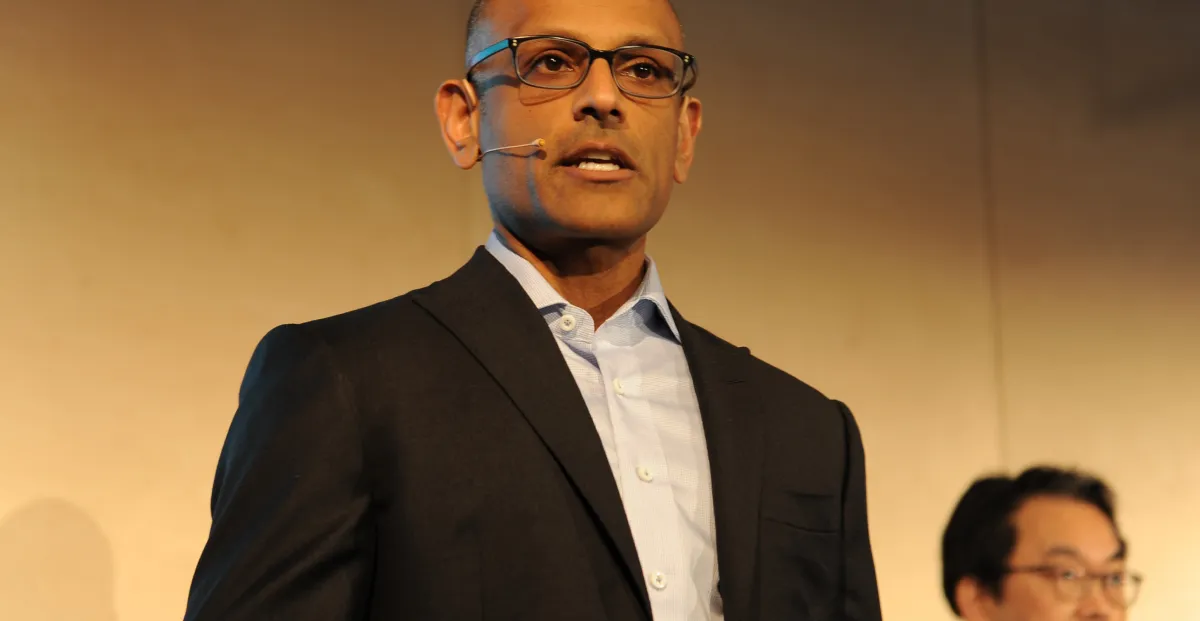
Such strategic positioning underscores a clear mandate: to remain indispensable in an industry on the cusp of profound transformation. Jared Palmer, GitHub’s new senior vice president, emphasized the goal of fostering an “arms-wide-open ecosystem” where developers retain control, regardless of which AI tools they adopt. As Microsoft’s Jay Parikh, overseeing CoreAI, articulates, the focus is on “building better tools and fostering choice,” as the company accelerates efforts to integrate AI into every layer of software infrastructure. This approach aligns with industry analysis from Gartner, which asserts that the next decade will see AI become embedded in nearly all development tools—disrupting traditional workflows and redefining efficiency thresholds.

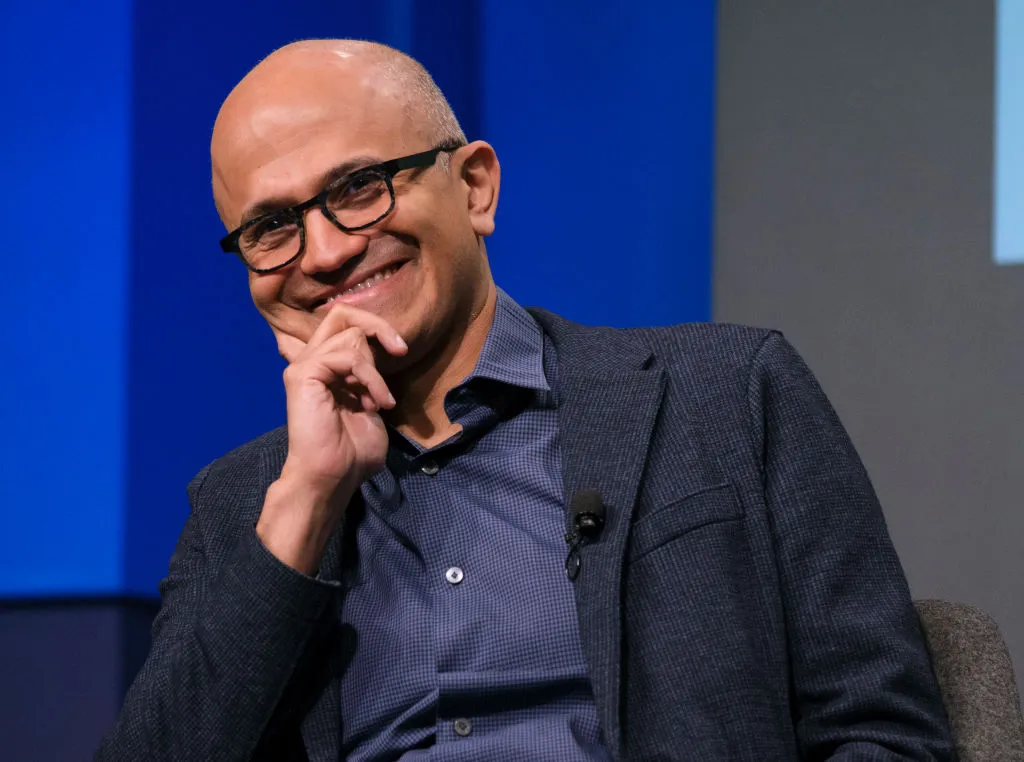
The implications extend beyond mere productivity gains. With Microsoft’s deep-rooted partnership with OpenAI—cited explicitly by CEO Satya Nadella as the catalyst behind the surge of AI coding innovations—the company aims to dominate the emerging “AI code economy.” Nadella’s reference to “the billion to ten-billion happened at GitHub” highlights a pivotal trend: AI-generated code is not just augmenting human effort but fundamentally altering the creative and specification phases of software engineering. This evolution is increasingly pushing humans towards design, strategy, and oversight, while delegating routine coding tasks to powerful GPUs and AI agents. Harvard’s MIT AI Lab and industry insiders warn that such disruption could render traditional development paradigms obsolete unless companies adapt swiftly.

Looking ahead, Microsoft’s strategic focus on disruptive AI integration signals an urgent call to industry players: those who fail to adapt risk obsolescence in a fiercely competitive AI arms race. The converging force of innovation, strategic alliances, and ecosystem decentralization suggests a future where agility and openness are paramount. The industry must accelerate investment in AI infrastructure, talent, and alliances, recognizing that the next wave of technological dominance hinges on early, bold action. As Elon Musk and Peter Thiel have long warned, this is the era where the first movers will captivate the market—those who recognize the industry’s tectonic shifts now will shape the digital future or be swept aside.
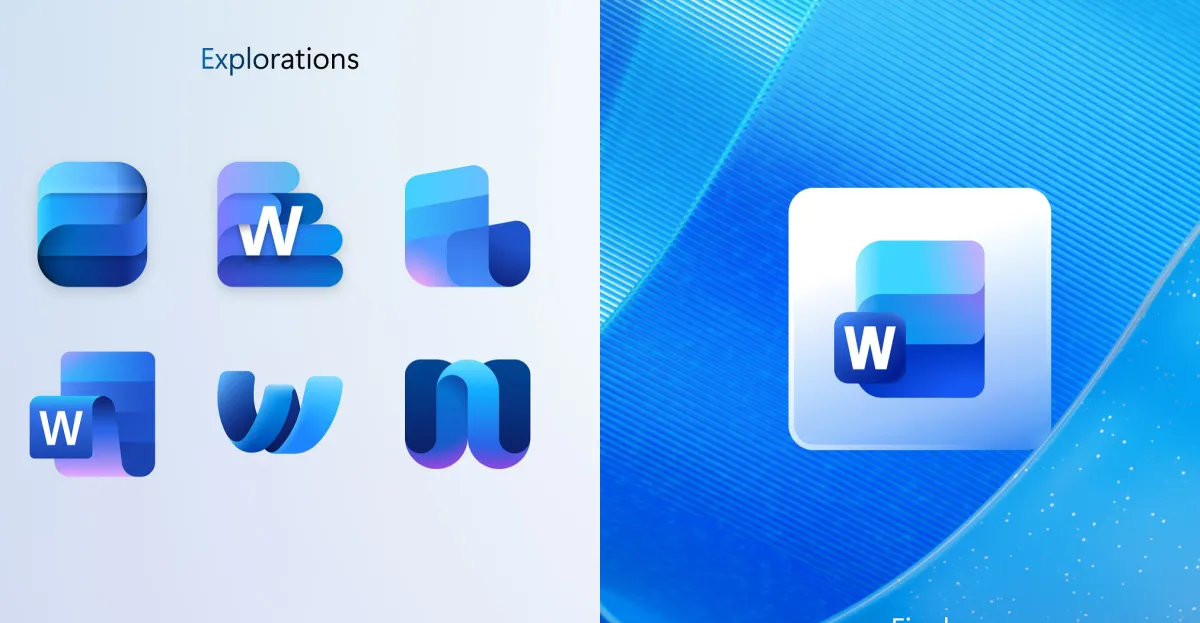
Microsoft’s Rejected Office Icons: What Could Have Been

Microsoft’s Visual Overhaul: A Sign of Broader Innovation and Industry Shake-up

Microsoft has recently launched a refreshed set of Office icons, embracing a more modern, colorful, and flexible design language. This move is more than mere aesthetics; it reflects the company’s strategic pivot towards enhanced user experience, digital branding consistency, and a broader push for design-driven innovation within the enterprise software sector. By publicly sharing early design concepts, including radically different directions for Word, Excel, and PowerPoint, Microsoft signals its intent to stay ahead of the curve and adapt to the shifting expectations of a digital-first, youthful audience.

Disruption Through Design: A New Standard for Tech Giants

This icon refresh is emblematic of a larger trend among major technology firms embracing disruption through visual and UX innovation. According to industry analysts from Gartner and MIT’s Media Lab, visual identity updates often precede major product and process transformations, serving as a signaling mechanism for future capabilities. Microsoft’s initiative to experiment with different design concepts—some reminiscent of older Mac icons—indicates a deliberate strategy to balance nostalgia with innovation, and demonstrates how usability and brand coherence are now central to enterprise technology’s competitive edge.

  • Enhanced clarity and simplicity for intuitive user interaction
  • Better cross-platform consistency across Windows and iOS
  • Fostering a more youthful, dynamic brand image to appeal to next-gen users

Critics and design experts note that such visual reinventions are crucial for maintaining relevance in an evolving tech landscape. As Elon Musk emphasized in recent Tesla updates, disruption often begins with a fundamental shift in perception—what users see and feel. Microsoft’s latest move echoes a broader industry paradigm shift, positioning it as a bold innovator rather than a reactive player.

Business Implications and Future Outlook

The rollout of these redesigned icons, especially on platforms like Windows and iOS, demonstrates Microsoft’s commitment to a cohesive, future-proof ecosystem. This approach could serve as a template for other tech behemoths seeking to redefine their brand identity amidst stiff competition from startups and new entrants leveraging faster innovation cycles. Additionally, the strategic alignment with cloud-based collaboration tools—such as Teams, OneDrive, and Outlook—suggests that Microsoft sees visual coherence as integral to fostering higher user engagement and productivity.

Given the rapid pace of technological evolution, it is imperative for industry leaders and investors to monitor how such visual and UX innovations influence adoption patterns and productivity metrics. Disruption is no longer confined to functionality alone but extends deeply into perceptual and branding domains, inevitably impacting market share and long-term viability. As Peter Thiel and other thought leaders warn, complacency in innovation can soon become an existential threat in this hyper-competitive digital arena.

Looking ahead, the next few years promise intensified experimentation as companies seek to balance cutting-edge innovation with user-centric design. Microsoft’s visual metamorphosis signals a broader evolutionary phase, where visual and functional innovation intertwine to forge new standards of industry disruption. At a moment when the tech landscape is more competitive than ever, those who innovate rapidly and authentically will shape the future of work, communication, and enterprise technology—making the urgency for strategic, disruptive leadership unmistakably clear.

Microsoft’s Got AI Data Centers—While OpenAI Plays Catch-Up, Nadella Shows Who’s Boss

AI Infrastructure Evolution Accelerates with Nvidia and Industry Giants at Forefront

In a remarkable display of innovation and industry disruption, the latest advancements in AI hardware infrastructure signal a seismic shift toward dominance by tech titans such as Nvidia, OpenAI, and Microsoft. The deployment of a colossal AI system comprising over 4,600 Nvidia GB300 rack computers, powered by the highly sought-after Blackwell Ultra GPU chips, exemplifies the accelerated push toward supercharged AI capabilities. These systems utilize Nvidia’s cutting-edge InfiniBand networking technology, a strategic asset acquired through Nvidia’s 2019 $6.9 billion purchase of Mellanox, which has enabled unparalleled data transfer speeds critical for training today’s most advanced AI models.

The stakes are high as OpenAI, one of the most influential players in generative AI, ramps up its data center investments amidst reports of strained relationships with its partner Microsoft. With estimates suggesting OpenAI has committed over $1 trillion toward developing its own dedicated data centers, the firm’s strategic pivot underscores a broader industry trend: the race for AI sovereignty is intensifying. Notably, OpenAI’s recent high-profile data center deals with Nvidia and AMD signals a multi-vendor approach, aiming to diversify hardware dependencies and increase resilience.

  • OpenAI’s investments aim to support models with “hundreds of trillions of parameters”
  • CEO Sam Altman anticipates additional, soon-to-be-announced deals

Microsoft’s Strategic Positioning: A Power Play in AI Infrastructure

Meanwhile, Microsoft asserts its leadership by leveraging an extensive global network of more than 300 data centers across 34 countries. The company claims its infrastructure is “uniquely positioned” to meet the stringent demands of frontier AI workloads, capable of supporting models with unprecedented scale. This aggressive positioning underscores Microsoft’s intent to embed itself at the core of the AI revolution, facilitating the next wave of innovation that could reshape industries across sectors.

With AI models growing exponentially in complexity—aiming at horizons of hundreds of trillions of parameters—the deployment and management of such infrastructure will be key. Microsoft’s upcoming showcase at TechCrunch Disrupt 2025 illustrates its ambition to lead the narrative in this space, with CTO Kevin Scott expected to outline plans to scale AI workloads further. As the industry witnesses these developments, a new era of AI-powered business transformation is becoming non-negotiable.

Industry Outlook: Disruption as a Catalyst for Change

Experts such as Gartner analysts and MIT researchers emphasize that the convergence of hardware innovation and strategic data center investments marks a decisive turning point. Tech giants recognizing the need for self-sufficient AI ecosystems aim to outmaneuver traditional cloud providers, disrupting existing business models. This evolution underscores a broader warning: organizations that fail to adapt to the accelerating pace of innovation risk being left behind.

Looking ahead, the urgency is clear. The race to dominate AI infrastructure is not just about technological leadership but about shaping the future economic landscape. As Nvidia, OpenAI, and Microsoft push the boundaries of what current infrastructure can deliver, the industry must brace for a future where AI’s capabilities redefine competitiveness and market norms. The next decade will likely see a consolidation of power among these key players, with disruptive technology acting as the engine for exponential growth and strategic realignment.

Social Media Auto Publish Powered By : XYZScripts.com



