Matox News

Truth Over Trends, always!

Australia Today: Universities’ Racism ‘Systemic,’ Angus Taylor Shuns Leaked Migration Plan

International Alert as Australia’s Political Landscape Faces Turmoil

The political environment in Australia is rippling with controversy following revelations about a proposed immigration policy fragment that has sparked international concern. An unreleased document, reportedly drafted under the leadership of former Sussan Ley, has outlined a plan to severely restrict migration from regions associated with terrorist activities across 13 countries. The plan, which aims to rapidly remove up to 100,000 asylum seekers and visitors on student visas, has been widely condemned by human rights and international watchdogs as a blatant exercise in discrimination. The Refugee Council of Australia labeled it an “appalling idea,” echoing global fears about rising populism and exclusionary policies that threaten Australia’s reputation for fairness and our commitment to humanitarian principles. Despite the current opposition leader Angus Taylor declaring he had no knowledge of the document, the internal divisions within the Liberal Party expose a troubling shift towards more hardline, Trump-inspired border policies.

Global Impact of Regional Policies and the Rise of Systemic Racism

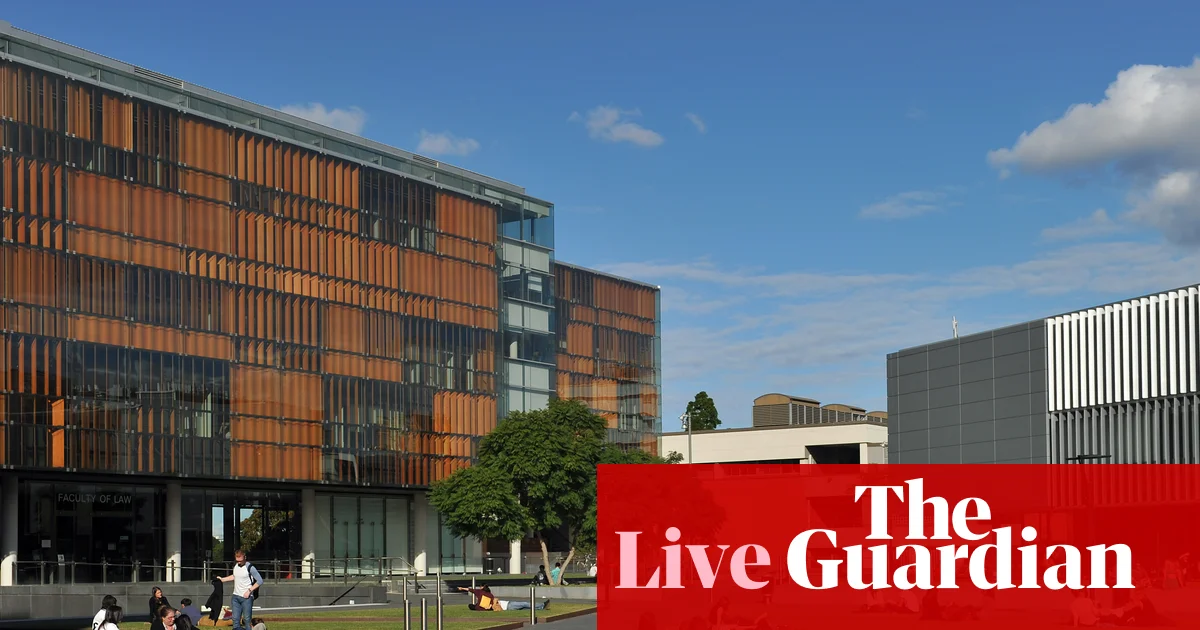
The leaked proposals underscore a broader shift in global politics, emphasizing national sovereignty and security concerns over traditional humanitarian commitments. Such policies resonate with nationalistic narratives pushed by populist leaders worldwide, contributing to a dangerous normalization of prejudice. Meanwhile, international organizations like the United Nations warn that policies based on indiscriminate bans threaten to enlarge the gulf of distrust and xenophobia. In Australia, this trend is compounded by a disturbing report exposing the pervasive systemic racism endemic within the university sector. According to the Australian Human Rights Commission, a landmark study found that 70% of survey respondents had experienced indirect racism, with Palestinian and Jewish students experiencing rates as high as 90%. These findings highlight the damaging impact of institutional bias, which threatens the fabric of multicultural societies and undermines core democratic values. Critics argue that if such discrimination remains unchecked in education, it is only a matter of time before societal tensions escalate further, potentially igniting unrest on the streets.

How Decisions Shape Future Societies and the Winds of History

As analysts warn, the decisions taken today will reverberate for generations, shaping the moral and geopolitical landscape of the 21st century. Governments that resort to discriminatory policies in the name of security risk unleashing a wave of social fragmentation, fostering extremism rather than preventing it. Historical figures such as George Orwell and Hannah Arendt warned that totalitarian tendencies often emerge from fear and prejudice cloaked in national security rhetoric. The international community watches keenly as Australia’s internal conflicts reflect a wider, global struggle—whether to uphold the timeless ideals of justice and fairness or succumb to the siren call of exclusion. Underneath the surface, these decisions expose societal fractures rooted in ignorance and fear, threatening to derail the progress of multiculturalism and inclusion. The weight of history lingers, a reminder that the pathways chosen today define the societies of tomorrow—whether as beacons of hope or shadows of despair, remains an unfolding narrative on the scale of nations and civilizations.

Trump Announces US Will Pause Migration from ‘Third-World Countries’—A Bold Move to Prioritize American Jobs

In an era where the fabric of society is constantly being rewoven, many young Americans are seeking their own path to well-being and personal empowerment. The evolving landscape of American lifestyle now encompasses a return to core values—strength, resilience, and a connection with communities that bolster individual growth. This shift is being fueled not just by cultural forces but also by a renewed emphasis on self-reliance and an attitude that champions the pursuit of a meaningful, content life amid turbulence. The contemporary youth, inspired by leaders such as Teddy Roosevelt’s call to “be, you own benchmarks,” are embracing a lifestyle that focuses on personal impact—whether that be through fitness, entrepreneurial ventures, or cultivating a resilient mindset.

Young individuals enjoying outdoor lifestyle activities
Engaging with nature and outdoor pursuits is central to modern lifestyle shifts.

For the modern young adult, wellness extends beyond the gym into a holistic connection with mind and body. Experts like Dr. Mark Hyman advocate for integrative health practices—embracing nutrition, mindfulness, and rigorous physical activity—to foster resilience and overall vitality. Many are turning to lifestyle hacks such as morning routines that include meditation, high-impact workouts, and time spent in nature. Travel also plays a vital role: a trip to Rugged National Parks, a weeklong camping excursion, or even retreats focused on self-mastery serve as invigorating escapes that atomize stress and rekindle purpose. The takeaway is simple: life’s most meaningful moments are often found in the pursuit of authentic experiences that challenge and inspire.

Part of embracing a lifestyle of personal growth involves taking ownership of one’s environment. Young Americans are increasingly investing in community-centered living—from co-living spaces to local activism—creating a sense of agency that resonates deeply within. The emphasis on becoming your own benchmark surfaces in entrepreneurial pursuits and side hustles that enable individuals to craft their futures on their terms. As authors like Jordan Peterson and wellness coaches underscore, resilience is rooted in discipline, clarity of purpose, and the ability to adapt to change. These principles serve as the backbone for a generation eager to redefine what it means to live a successful life, centered around personal impact rather than fleeting trends or external validation.

Growing Pains and New Horizons

As the cultural climate oscillates, so do perspectives on migration and global interconnectedness. While debates over borders and national sovereignty remain fierce, the deeper story resides in individual stories—like that of Rahmanullah Lakanwal, a former Afghan official who found refuge in the United States and became entangled in a tragic incident. His story underscores that behind headlines are personal narratives of resilience and the quest for purpose. For the younger generation, such stories evoke reflection on the importance of personal responsibility and community safety. Yet, they also serve as a reminder that true strength comes from understanding nuanced realities rather than succumbing to simplistic narratives. In an age of instant information, cultivating a mindset rooted in discernment and empathy remains vital.

The journey toward embracing a lifestyle of personal impact involves recognizing that growth often stems from adversity. Whether faced with global upheaval or individual challenges, rising above the fray requires resilience, clarity of purpose, and a resilient mindset inspired by shared values of liberty and community. By forging a path that combines physical vitality, mental clarity, and social responsibility, young Americans are shaping a future that honors their heritage while boldly venturing into uncharted horizons. As the journey evolves, one truth remains clear: a life well-lived is a lifelong pursuit—one marked by continual growth, courage, and unwavering pursuit of personal excellence.

UK Eyes Denmark’s Strict Asylum Approach—But What’s the Reality? | Migration

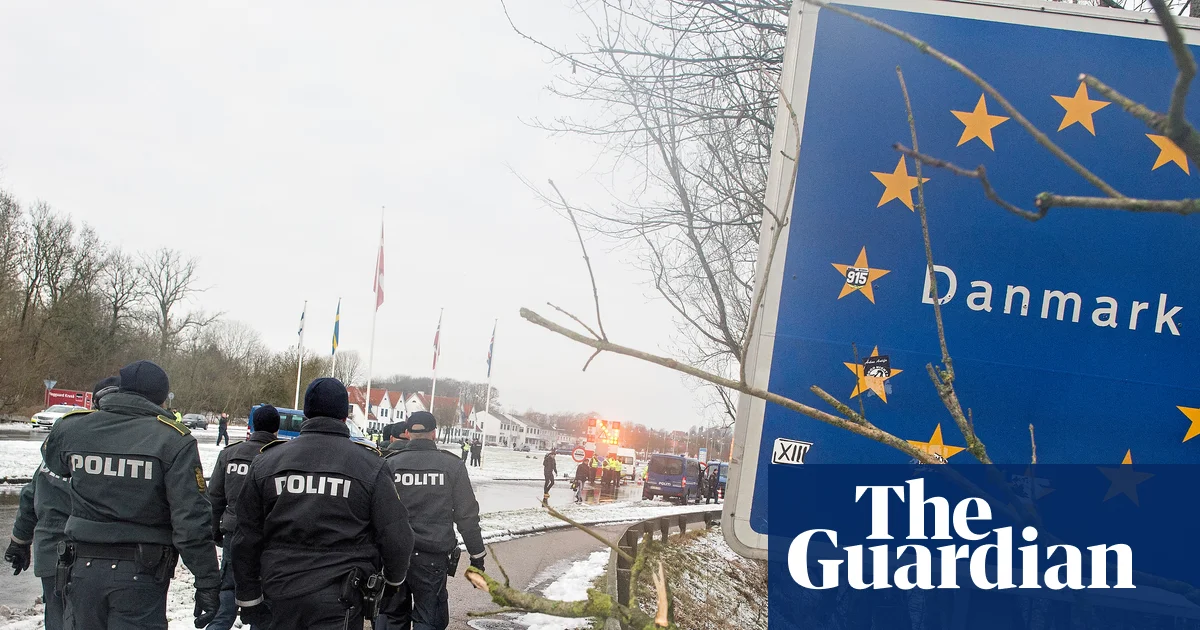
Over the past decade, Denmark has dramatically reshaped its approach to immigration and refugee policies, employing measures that reflect a broader trend amongst Western nations to prioritize national sovereignty and social cohesion over international humanitarian commitments. This shift, notably characterized by the replacement of permanent refugee status with highly restrictive, temporary permits, signals a deliberate effort by Danish policymakers to deter future asylum seekers. Since reforms enacted around 2015, accommodating the influx from conflict zones such as Syria, Afghanistan, and Iraq, Danish authorities have concentrated on deterrence, emphasizing language fluency, employment, and the unstable nature of residence as keystones of integration. Despite international criticism from organizations like the UN, these policies have clearly achieved their intended effect: a stark decline in asylum applications, from nearly 15,000 in 2014 to just over 2,300 in 2024. How long can a nation sustain such policies before societal cohesion suffers?

In the realm of geopolitical impact, Denmark’s example has reverberated beyond its borders. Following its lead, Britain’s recent efforts to emulate Danish measures show a growing trend among political elites to tighten borders and reduce refugee arrivals, aiming to curb what they perceive as burdens on national identity and social security. Such policies, often justified as pragmatic responses to immigration’s perceived threats, are under increasing scrutiny from international organizations and human rights advocates. Critics argue that the “deterrence-only” approach undermines global humanitarian norms and risks fostering extremism, especially when integration becomes a near impossibility under the current framework. Another layer of tension lies in how these policies reflect and influence internal political dynamics, where populist right-wing parties gain ground by advocating for “remigration” and the mass expulsion of immigrants, further polarizing societies already wrestling with identity and security concerns.

The impact on society and international relations extends beyond mere statistics. As noted by historians and analysts such as Dr. Lars Jensen, a geopolitical expert, Denmark’s policies represent an ideological shift: it’s less about humanitarianism and more about national self-preservation. Denmark’s “paradigm shift” under Prime Minister Mette Frederiksen, emphasizing repatriation and social segmentation, exemplifies a broader move within Europe toward populist political strategies. Internationally, this raises critical questions about the future of humane refugee protocols, especially as the continent faces demographic challenges—such as declining birthrates and an aging population—which threaten the very economies that are now tightening borders. Will the pursuit of short-term political gains compromise the long-term stability and moral fabric of Western societies? This dilemma frames a pivotal chapter in the ongoing contest between liberal values and nationalist sovereignty.

As history turns its uncertain pages, the story of Denmark’s policies underscores a sobering truth: the choices made today shape the societal and geopolitical landscape of tomorrow. While governments may believe they are protecting their nations’ future, their decisions carry the weight of a global narrative that is still being written—one in which the ideals of compassion, inclusion, and international cooperation are tested against the imperatives of national security and cultural identity. The world watches as these policies unfold, aware that the outcome will influence the fate of millions of lives and rewrite the boundaries of human solidarity. In this relentless march of history, the question remains: can a nation’s resolve to safeguard itself coexist with the moral obligation to uphold human dignity, or are we witnessing the birth of a new, fractured global order?

ABS Chief Pushes Back on Far-Right ‘Mass Migration’ Claims Amid Censorship Concerns

Data Integrity and Political Warfare: Australia’s Steadfast Stand Amid Global Disinformation

In an era where mis- and disinformation spread faster than ever, Australia has recently taken a decisive stand to defend the integrity of its national data. The Australian Bureau of Statistics (ABS), under the leadership of David Gruen, publicly refuted false claims made by right-wing factions about mass migration. The controversy erupted following an episode where these groups misused official figures to support inflated migration claims, despite the data showing a clear downward trend. Gruen emphasized that reliance on accurate, independent data is fundamental to a functioning democracy, warning that undermining statistical independence risks degrading democratic governance itself.

This development is not isolated; it exemplifies a broader global pattern of information warfare. Countries like China and Russia have long manipulated official data for political ends, but recent U.S. political upheavals, notably Donald Trump’s administration’s disruption of American statistical institutions, have underscored the fragile nature of data sovereignty. Across the international landscape, analysts from think tanks and organizations such as the OECD warn that the weaponization of data can distort the political discourse, influence migration debates, and sway public opinion to serve particular agendas—often at the expense of truth.

Political Battles Over Data and the Consequences for Society

  • On 22 August, ABS issued a public statement to counter claims that misrepresented migration figures, explicitly clarifying that inflows do not necessarily equate to increased population—highlighting a crucial distinction often exploited in political rhetoric.
  • The Institute of Public Affairs (IPA), a prominent right-wing think tank, accused the Albanese government of “weaponizing” the ABS, implying partisan censorship. Gruen dismissed these accusations, asserting that data is objectively presented and only contextually explained to prevent misinterpretation.
  • Universal concerns over the independence of statistical agencies reveal how deeply data integrity intertwines with national sovereignty and societal trust, especially amid rising populist movements and international misinformation campaigns.

Historians and political analysts warn that such battles over data are more than mere fights over numbers; they symbolize a larger struggle for geopolitical influence. As nations deliberate whether to tighten control over their own statistical data or to allow external voices, the decision impacts flooding to societal trust, international reputation, and the stability of governance structures. The incident in Australia reflects a turning point where independent agencies are compelled, under pressure, to defend not just data but the very foundations of democratic debate. Today’s decisions in Canberra could echo across the globe, shaping the future trajectory of how nations preserve truth amidst an onslaught of manipulated narratives.

In the Shadows of the Future

As the international community wrestles with the consequences of information distortion, one thing remains clear: the battlefield is shifting from traditional arenas into the realm of data and perception. With global institutions warning of a new age of information warfare, the resilience of independent statistical agencies becomes paramount. The unfolding debates and confrontations over data sovereignty signal an era where truth itself is a strategic asset—one that, if lost, could plunge nations into chaos, eroding trust and inciting societal fractures. With history still in the making, the weight of these decisions will resonate for generations, shaping whether societies will succumb to manipulation or stand firm on the pillars of transparency and truth.

Social Media Auto Publish Powered By : XYZScripts.com