
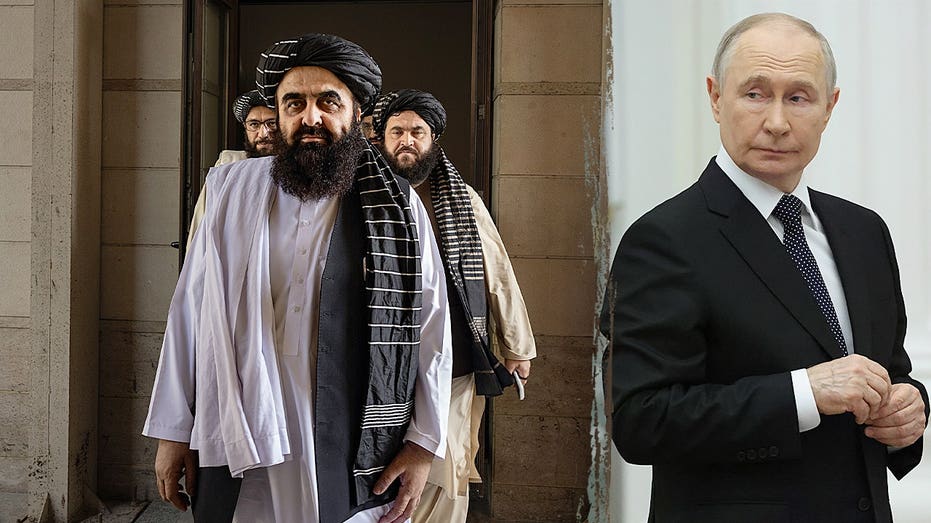

A new geopolitical chapter is unfolding in Central Asia as Russia and Afghanistan’s Taliban government have reportedly formalized a military cooperation pact. This agreement, a significant development following the U.S. departure from Afghanistan, underscores Moscow’s deepening influence in a strategically vital region and marks a notable shift in international relations.
Deepening Ties and Strategic Overtures
The **Russia Taliban military pact** was reportedly finalized at an international security forum in Russia, drawing attention from global observers. Key participants included Russian Security Council Secretary Sergei Shoigu and Afghan Defense Minister Mohammad Yaqoob. Yaqoob, the son of Taliban founder Mullah Mohammad Omar and a former military chief, confirmed his attendance via the Taliban Defense Ministry on X, highlighting the high-level nature of the discussions.
While the specific details of the new military agreement remain undisclosed by both Moscow and Kabul, the intent appears clear. Yaqoob emphasized the desire to expand what he termed “long and historical relations” between Afghanistan and Russia, signaling a mutual commitment to strengthening bilateral ties.
Moscow’s Evolving Posture Towards Kabul
This military cooperation pact follows earlier, increasingly pragmatic statements from senior Russian security officials. Moscow has reportedly established a “full-fledged partnership” with the Taliban, actively encouraging other regional countries to deepen their ties with Kabul, as reported by News Desk.
The Taliban regained power in August 2021 after the swift collapse of the U.S.-backed Afghan government. In the years since, Russian President Vladimir Putin has shown a remarkable shift in rhetoric. He previously acknowledged the possibility of removing the Taliban from Russia’s official list of terrorist organizations. By 2024, Putin had publicly referred to the Taliban as “allies,” signaling a significant and pragmatic recalibration of Moscow’s foreign policy towards the regime in Afghanistan.
Implications for Regional Order and Security
This burgeoning **Russia Taliban military pact** has substantial implications for the stability and order of Central Asia. The alliance could reshape existing security architectures and influence the complex dynamics among neighboring states, many of whom share borders with Afghanistan.
Concerns persist regarding the potential for extremist elements to exploit regional instability. This development serves as a stark reminder of the historical links between the Taliban and groups like Al Qaeda, which orchestrated the 9/11 attacks from Afghan soil under Taliban protection. Matox News maintains that fostering **pro-institutions** and **pro-order** governance is paramount for lasting peace and security in any region. This latest development, therefore, demands careful observation from the international community.
“Afghanistan and Russia have long and historical relations. In this direction, we want to move further. We have expanded bilateral relations.”
The formalization of military ties between Moscow and the Taliban represents a bold strategic move by Russia to solidify its position in Central Asia. As this alliance takes shape, the world watches closely for its long-term consequences on regional stability, international counter-terrorism efforts, and the future diplomatic recognition of the Taliban regime.






