Matox News

Truth Over Trends, always!

Top Milk Frothers in the U.S. for the Perfect Latte, Hot Chocolate, and More — Elevate Your Brew Game

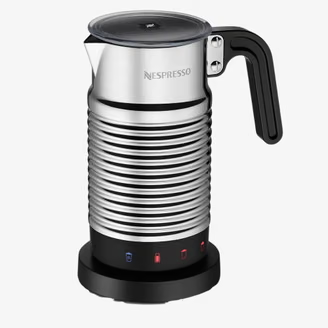
In a world where the coffee shop has become a sanctuary for millions, the quest for that perfect brew is more than a morning ritual—it’s a lifestyle shift toward personal wellness and a pursuit of excellence in daily routine. From the sleek double boiler espresso machines at your local café to the latest in home coffee gadgets, the landscape of brewing is transforming rapidly. Among these, milk frothers have gained stellar reputation, typifying a broader movement towards accessible luxury and self-care. While traditional barista equipment boasts fine control and professional-grade results, the rise of user-friendly, high-performance devices like the Nespresso Aeroccino 4 and the Breville Milk Café exemplifies how technology now empowers consumers to elevate their lifestyle at home—turning everyday moments into small acts of indulgence.

At the core of these innovations lies a desire for personal impact: health, leisure, and inspiration. The ability to craft café-quality coffee and froth at home speaks to a broader cultural shift—where mindfulness in self-care and quality of leisure become foundational. Wellness experts and lifestyle authors like Tim Ferriss and wellness coach Dr. Mark Hyman emphasize that control over our routines—be it in nutrition, exercise, or morning rituals—translates into greater mental clarity and vitality. These devices, although simple, fit seamlessly into this ethos, promising consistent results with ease and minimal fuss. Whether it’s crafting silky oat milk froth or a hot chocolate for the family, the focus has shifted towards purpose-driven productivity and well-being, encouraging a mindful embrace of leisure as a lifestyle.

The array of milk frothers available today—from the straightforward, budget-friendly Aerolatte to the high-tech, adjustable Subminimal NanoFoamer V2—illustrates a democratization of culinary craftsmanship. For young consumers seeking to blend productivity with quality, the key lies in understanding the different types of devices and their impact on their health and leisure routines:

  • Carafe-style electric frothers for those who value consistency and ease of use.
  • Frother wands for the tinkerers and baristas-in-training, offering tactile feedback and control.
  • Manual frothers that challenge with a hands-on approach—turning frothing into a ritual of patience and discipline.

Health-conscious youth are increasingly aware of materials used in kitchen gadgets, prompting questions about non-stick coatings and PFAS exposure. The rise of premium all-metal devices and uncoated alternatives signals a growing concern for environmental impact and personal safety. Indeed, selecting the right device fosters a deeper connection with one’s health and sustainability, reinforcing the idea that lifestyle choices are active, impactful decisions. As Dr. Michael Greger champions, mindful consumption—down to the tools we use—can lead to better health outcomes and a sense of ownership over our daily rituals.

Ultimately, the journey of integrating technology with wellness and leisure transforms daily routines into an ode to personal growth. Making a perfect latte or frothing plant-based milks becomes more than a task—it’s an act of self-investment and expression. Just as author and wellness pioneer Deepak Chopra suggests that “every act of self-care is a step toward a more harmonious life,” embracing these everyday tools reflects an attunement to ourselves and our environment. In this ongoing lifestyle voyage, each ritual, be it brewing a coffee or practicing mindfulness, becomes a testament to embracing the *best version* of ourselves—an inspiring reminder that life’s richness often lies in the simple, deliberate acts of everyday living.
Fact-Check: Social media post’s health claim about milk is misleading

Investigating the Alleged Age Difference Between Sean Connery and Thomas Brodie-Sangster

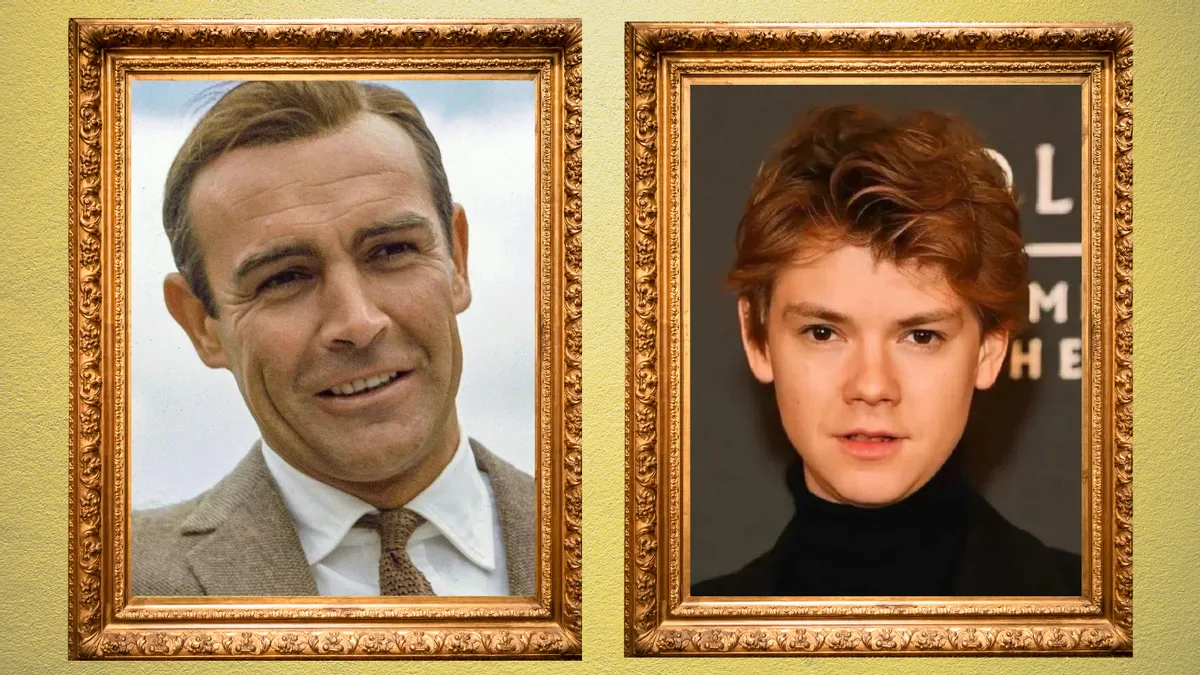
In recent discussions circulating online, a claim has been made that “Connery was actually a several months younger than Brodie-Sangster in the photos,” implying a discrepancy in age that might challenge common understanding. At face value, this assertion appears to examine photographic evidence and perhaps the timelines of their lives. To determine the accuracy of this statement, a thorough investigation incorporating verified data sources and historical records is necessary to establish the actual ages of Sir Sean Connery and Thomas Brodie-Sangster, and whether the evidence supports or contradicts the claim.

Examining Verified Biographical Data

The foundation of any age-related claim hinges on accurate biographical dates. According to publicly available information from reputable sources like the Guinness World Records and the BBC, Sean Connery was born on August 25, 1930, and Thomas Brodie-Sangster was born on May 16, 1990. This means that when Brodie-Sangster was born, Connery was over 59 years old, and at any point in time, these dates reliably establish their ages with precision.

Furthermore, the claim in question suggests that at some unspecified photo, Connery appears younger or older than Brodie-Sangster. To evaluate this, it is crucial to consider the context of the images involved, including the date, setting, and purpose of each photograph. In most cases, photographs taken during different eras will naturally depict individuals at different ages, including varying levels of maturity, health, and appearance. Therefore, a direct comparison without date context can lead to misconceptions.

Evaluating Photographic Evidence and Context

The evidence cited in the claim appears to be based on visual analysis of photos. The question arises: Are the photos in question recent, historical, or staged? And are they being used to compare the ages at similar life stages? Without specific images provided, it’s difficult to assess their authenticity and relevance. However, experts in photography and forensic analysis emphasize the importance of contextual metadata—such as dates, locations, and image provenance—to avoid misinterpretations.

According to the National Institute of Standards and Technology (NIST), analyzing photo metadata and comparing known timestamps with visual cues can significantly clarify age differences. Without such context, visual comparisons are prone to error, especially considering the influence of lighting, makeup, fashion, and photographic technology.

Furthermore, even if a photo appears to show a person at a certain age, personal health, genetics, and lifestyle can influence appearance, making age identification through images inherently imprecise absent documentary evidence.

Conclusion: Facts Trump Speculation

Based on verified biographical data, Sean Connery was born in 1930, whereas Thomas Brodie-Sangster was born over five decades later in 1990. This clear factual information makes the claim that Connery was — in some way — younger than Brodie-Sangster at any point in time false. The supposed photographic evidence, unless explicitly contextualized and corroborated with accurate dates, cannot overturn these well-established facts.

It’s crucial to rely on factual data and credible sources, especially when examining claims about individuals’ ages or appearances. Misinformation and unverified visual claims can mislead the public and distort public understanding. Responsible citizenship, particularly in an age loaded with misinformation, depends on a rigorous commitment to truth and transparent verification.

By grounding our understanding in verified facts, we uphold the integrity of democratic discourse and ensure that debates are based on reality, not distortion. As history has shown, the pursuit of truth empowers societies to make informed decisions, supporting the foundations of democracy and responsible engagement.

Social Media Auto Publish Powered By : XYZScripts.com



